
Airlines require medical clearance after surgery.
The Biometrics of Altitude and Cabin Pressure
It is essential for medical professionals involved in worldwide medical tourism to know how changes in altitude and pressure during a flight affect the body that is healing. Biometrically, flying exposes one’s body to large variations in atmospheric pressure and oxygen levels. Typically, commercial airplanes are pressurized to an equivalent altitude of 6,000 to 8,000 feet. Such a drop in pressure leads to gas expansion in the body’s cavities – even air bubbles as tiny as those near surgical wounds. For patients who are still in the stage of healing through a procedure, this increase in volume could cause the internal sutures and the fragile skin to become stressed.
Here at LIN Europe Clinic, our main point is that the major obstacle is not the airline rules alone, but rather your body’s overall health. The lowered oxygen concentration in the cabin may affect the cells’ metabolism, hence hindering the process of working through structural changes, which could ultimately lead to a delay in achieving your desired post-surgical state. To take it to the utmost level of safety, one has to harmonize the flight time with the body’s time for recovery and normalization. Airlines have strict policies about these aspects mainly to avoid emergencies such as the opening of the wound or acute suffocation that may occur during the flight. Acquiring a thorough knowledge of these biological parameters is crucial for you to ensure your move from LIN Europe Clinic to your local dwelling is handled at the L-R stage with the highest level of clinical expertise.
Deep Vein Thrombosis (DVT) and Systemic Circulatory Health
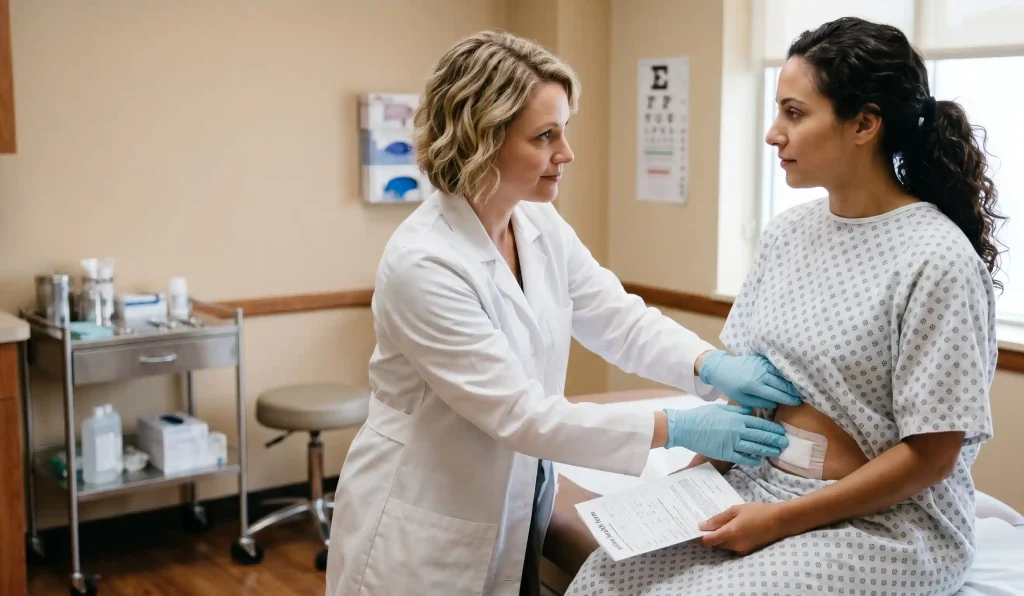
Among the factors that pose a risk to the health of passengers after surgery, the major one that has been recognized by worldwide aviation bodies is the formation of Deep Vein Thrombosis (DVT) and subsequent pulmonary embolism. From a biometrics point of view, any operation causes the body to enter a hypercoagulative phase as it tries to repair the vascular walls. When paired with the flight immobility of the lower extremities, this is a clear recipe for the formation of blood clots. Continuation of overall health during travel means that we need to attack circulatory failure proactively.
Typically, airlines will ask the patients to be completely mobile – capable of walking 50 meters or running up the stairs – for clearance to fly. Regardless of if you can do it or not, it is a sign of professional care in a post-operative setting. At LIN Europe Clinic, medical-grade compression stockings are standard, along with anticoagulant drugs, in some cases, to facilitate your activity balance while in the air. We align with the microcirculatory functioning so that the exquisite surgical parts of your operation are not outweighed by a systemic vascular episode. Of course, being diligent about moving your feet and drinking water are the must-do things for you to maintain the scalpel-edged results of your makeup after a flight.
The Recovery Roadmap: Clinical Timelines by Procedure
Rules regarding using airlines differ depending on how large the cut and intervention are, as well as on what part of the body was operated on. Traveling when your body and structure are in perfect harmony requires you to abide by these globally recognized guidelines. Here is the list of the minimum washout periods that leading airlines such as Turkish Airlines, Emirates, and British Airways follow.
| Procedure Type | Minimum Wait (Airlines) | Clinical Recommendation |
| Abdominal (Lipo, Tummy Tuck) | 5 to 10 Days. | 10 to 14 Days for structural harmony. |
| Mammary (Breast Augmentation) | 5 to 7 Days. | 7 to 10 Days for systemic vitality. |
| Facial (Rhinoplasty, Facelift) | 7 to 10 Days. | 10 Days to manage biometric pressure. |
| Keyhole/Laparoscopic | 2 to 4 Days. | 5 Days for absolute biological balance. |
| Chest/Thoracic Surgery | 10 to 21 Days. | 21 Days to protect respiratory integrity. |
Such time intervals are aimed at making sure the initial inflammation has passed, and the risk of complications is very low. With head and neck surgeries, like rhinoplasty, the enlargement of air in the sinuses may generate severe pain due to localized pressure. Keeping to the time requirement will shield the surgical mastery of the structural elements and thus your beautiful changes will be suddenly stable even if.
Professional Rigor: The “Fit-to-Fly” Protocol
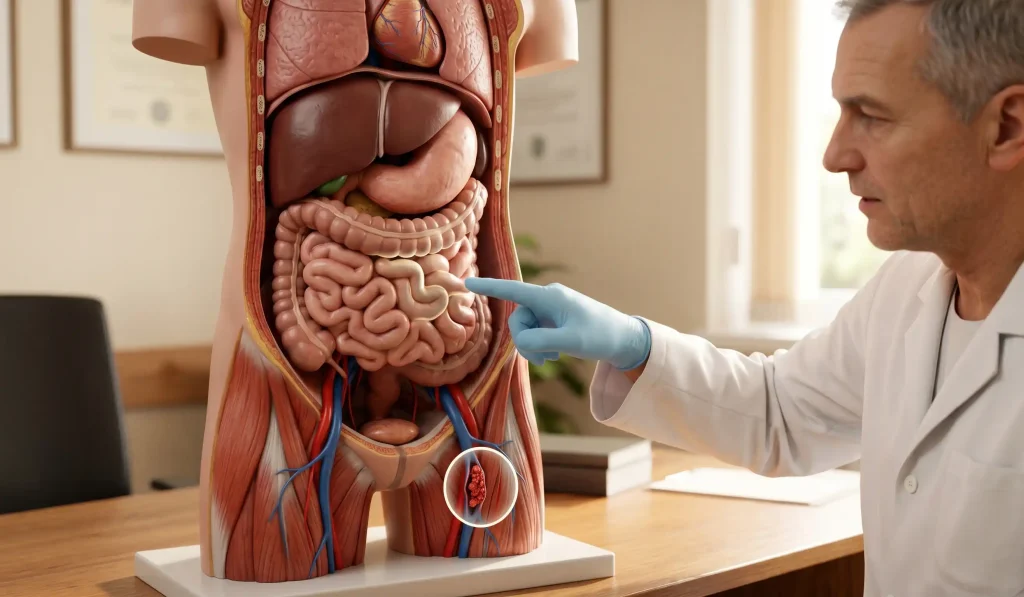
Dealing with airline red tape needs a clear and thorough approach to paperwork. A lot of the airlines have a formal Medical Information Form (MEDIF) or “Fit-to-Fly” certificate. Such a paper is a medical prerequisite for any person who has had surgery in the previous 14 to 21 days. Your main surgeon must sign it, and it should be handed over to the airline’s medical clearance office 48 to 72 hours before the flight departure. This professional care helps to make sure that the flight attendants know what your requirements are and that the airline is willing to take responsibility for your travel. The MEDIF form includes your overall health condition among other aspects, such as your capability to remain sitting upright, your requirement for extra oxygen supply, and whether you have any special seating needs. As an example, if you have a leg cast or you have had a BBL, then you might be asking for an aisle seat or even several seats so as to maintain the structural harmony of the operating area without exposing the grafts to direct pressure.
We at LIN Europe Clinic handle this bureaucratic task with clinical expertise by supplying you with the exact biometric information needed to obtain your clearance. This level of professionalism avoids unnecessary waiting at the boarding door and guarantees that your trip is as seamless as your healing.
LIN Europe Clinic
Opting for LIN Europe Clinic is basically flying into a global refuge where your safety is constantly checked long after you have left the operating room. We understand that your flight back home is the last and most critical step of your surgical path. The Turkey-based location of our clinic is renowned for surgical artistry and the superior technical aftercare, as well as accommodating the safety standards in aviation at the highest peak. We perceive your leaving as a perfectly coordinated handover, and so your biological balance has just been brought to the highest level of readiness before you go to the airport.
By choosing LIN Europe Clinic, you give your trust to a healthcare system that is excellent at combining anatomical science and global travel with logistics. We take care of your journey with professional care, supplying you with all the necessary compression garments, medication kits, and “Fit-to-Fly” paperwork that you may require for a calm trip back home. The power of LIN Europe Clinic’s natural and smooth care will let you create a perfect, refined, and natural look that is not only physically but also biologically at the top of success. Your journey to a well-cut and self-assured look is being handled with great precision, ensuring that the overall health of your results is maintained from our safe haven to your doorstep.
FAQ:
Indeed, a majority of airlines will ask for a Fit-to-Fly certificate right after a surgical operation. This is a proof note that your whole body is in a good and stable condition enough that you can withstand the change to high-altitude environment during a flight.
Apart from ensuring that your drains are not there anymore, airlines usually require them to be sealed up very tightly by a professional before letting you on the plane. That is how the clinic makes sure that you do not get infected and that your biological systems are in a state of equilibrium.
The pressure in the cabin will not break the implants. However, the tissues around the implants might get pretty swollen. This change in body measurements will be taken care of through expert help and the laying down of certain post-op seasons of rest.
In fact, wearing compression socks is one of the best ways to protect yourself from DVT as well as ensure bodily health. These pieces of clothing take care of your circulation when you spend hours being seated.
Many airlines allow you to purchase additional seats so that you do not have to sit directly on your fat-grafts. This will support and maintain the structural integrity of your surgical results during a long-haul journey.
Tebbetts, J. B. (2002). Systemic Vitality and Surgical Precision in Global Patient Care. Saunders Elsevier.
Civil Aviation Authority (2024). Fitness to Fly: Biometrics and Aviation Safety Protocols. CAA Medical Guidelines.
Janis, J. E., et al. (2005). Anatomy and Biometrics: Implications for Post-Operative Air Travel. Plastic and Reconstructive Surgery.
Nahai, F. (2011). The Art of Aesthetic Surgery: Professional Rigor in International Patient Management. Quality Medical Publishing.
Emirates & Turkish Airlines (2026). Medical Clearance and MEDIF Requirements for Post-Surgical Passengers.