Surgeon technique and proper aftercare.
When thinking about high-definition hair restoration and follicular unit extraction (FUE) as a specialized profession, living grafts should be considered as the main indicator of surgical success. In fact, a hair follicle once taken away from the donor site starts a live-in struggle because removing it from the natural blood supply and exposure to the environment, such as dehydration, temperature changes, and mechanical traumas, are the conditions. “Out-of-body” time is a very important biometric factor; the longer a graft is kept in a holding solution, the more its metabolic reservoirs become exhausted, which results in an increase in the risk of cellular apoptosis. Keeping a high survival rate is a matter of well-timed coordination between the extraction and implantation stages, and keeping the graft’s systemic vitality in a chilled, nutritive environment. It is biologically so sensitive that even a very small change can change the end result of the transplant’s density. Therefore, the immediate donor-to-recipient site transfer is a high-precision operation that determines the long-term structural harmony of the hairline in Turkey.
Surgical Accuracy and the Preservation of Hair Follicles
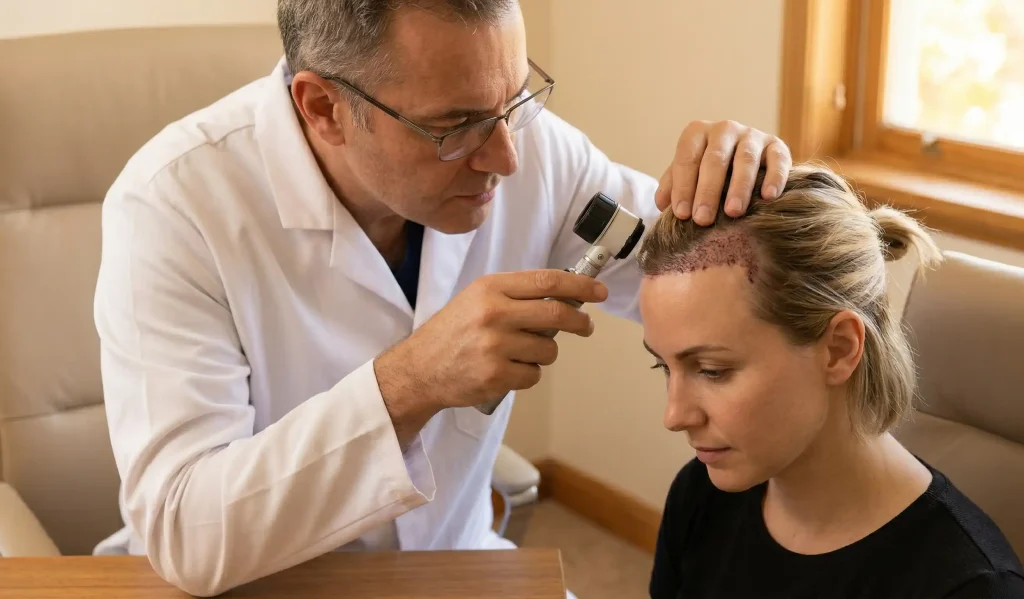
Among all the factors that cannot be influenced by operators, only the one that relates to surgical accuracy and preserving the hair roots is perhaps the most important one. To be more precise, getting a very sharp and clear definition by hair restoration is a great challenge, at which the precision of the surgeon is verified by successfully avoiding “transection,” or the act of accidentally cutting the follicular bulb when performing the harvesting. If the base of the hair being damaged during the extraction is the main reason why the follicle will not be able to revascularize and make a healthy hair shaft. This is the point where professional diligence in exploiting microscopic punches and the most suitable extraction tools is a must. Istanbul‘s expert staff concentrates on isolating only healthy follicular units, extracting protective tissues so that a biological cushion is given to the grafts during transplantation. We take a lot of pride in our meticulous surgical technique.
And what happens next is very important without a doubt. Making the sites—the recipient spots where the hairs will be implanted—ready is, of course, no less crucial for survival. The receiving sites’ depth, angle, and density must perfectly reflect the natural hair growth pattern and, at the same time, leave enough space for the blood flow between the newly transplanted hair. Placing too many hair follicles in a small area can be equated to “competitive exclusion,” where the blood supply is not enough to nourish all the grafts, resulting in some of them dying. At Lin Health Europe Clinic, we have the surgical deha expertise to design a recipient microenvironment that ensures the utmost oxygenation.
Contribution of Neocollagenesis To the Graft Integration
The real starting point for a hair transplant to become a long-term success is directly related to the body’s wound repair system, more specifically, the neocollagenesis stage. After placing the graft into the recipient site, the body starts a biologically complex “welding” process to give the follicle a firm anchorage. This process is characterized by the tightly arranged deposition of fresh collagen strands enclosing the hair bulb, forming a stable and permanent habitat. Neocollagenesis is the internal framework that physically binds donor tissue with the recipient scalp, thereby enabling new blood vessels to grow and access the follicle. In the absence of such internal renovation, grafts would simply remain poorly anchored and hence be incapable of tapping into the systemic resources required for their growth in Turkey.
We at Lin Health Europe Clinic provide maximum support for the biological integration of every international patient envisioning trip to Istanbul. The rate and effectiveness of neocollagenesis depend on the extent of inflammation in the scalp; too much inflammation can cause the formation of fibrotic tissue that suffocates the follicle. Employing professional rigor in our surgical approach, we reduce tissue injury while enhancing a healing reaction that benefits the shoeing of the production of collagen. In this manner, our patients experience grafts that are not simply “inserted” but are biologically bonded with the scalp, which results in a permanent and natural-looking restoration.
Systemic Vitality and the Role of Patient Biometrics
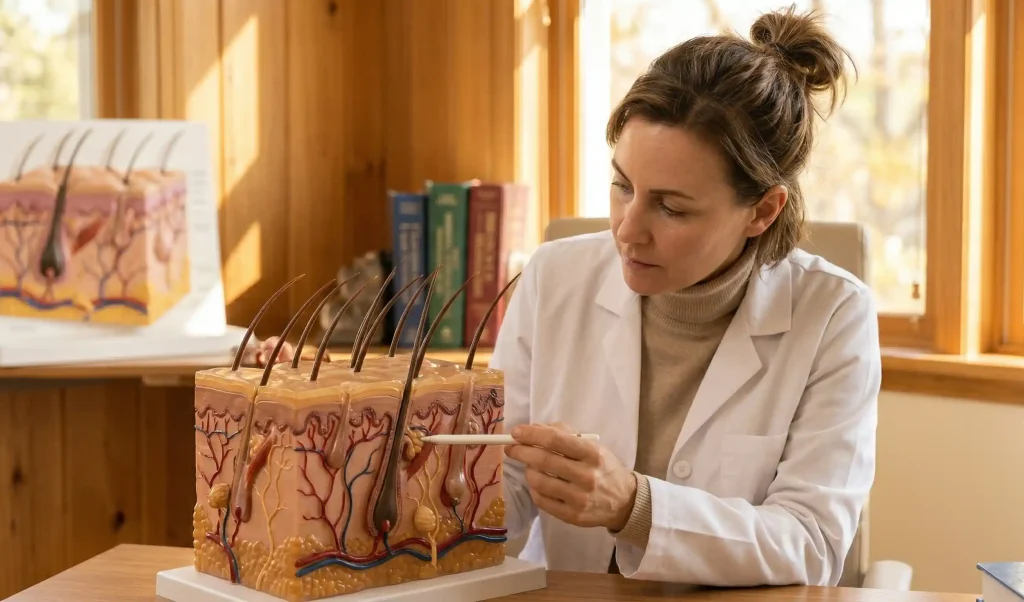
Besides the surgeons’ technical proficiency, the biological environment of a patient greatly determines the survival rate of the grafts. There are lots of patient-related determinants, including systemic blood circulation, nutrition, and lifestyle, with smoking being the biggest factor directly affecting the success of the procedure. Nicotine is a very strong vasoconstrictor which results in reduced oxygen delivery to the scalp, thereby significantly decreasing the chances of graft survival due to nutrient deprivation during the first 72 hours. Hence, maintaining a high level of systemic vitality becomes a prerequisite for any patient who is after a first-class outcome in Istanbul. Therefore, we carefully conduct biometric assessments to ensure that each patient is at his/her biological best for the procedure in Turkey.
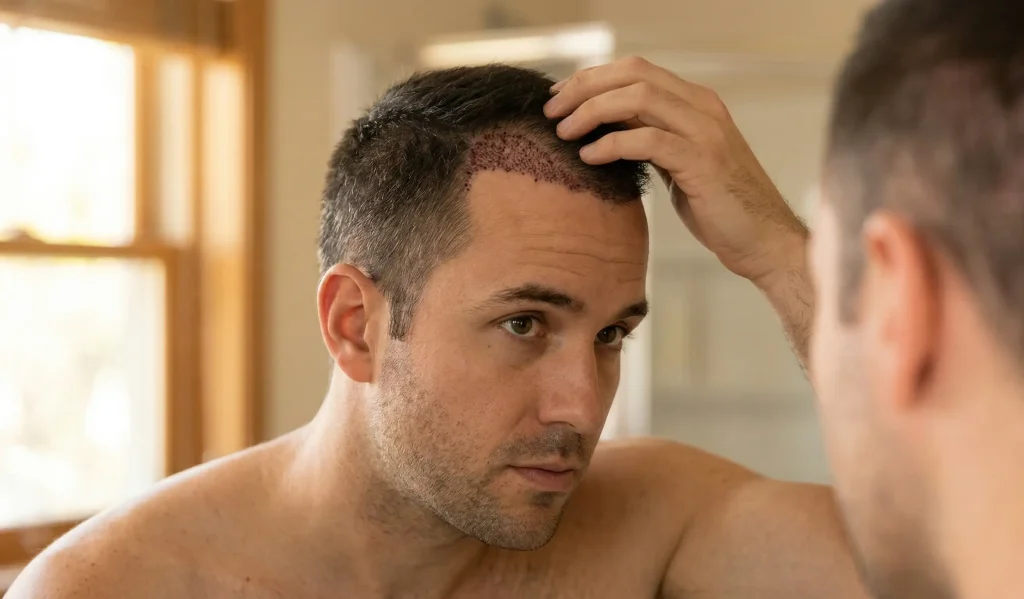
Care after surgery is the last barrier in safeguarding the graft survival rate. The grafts physically remain weak and susceptible to being pulled off by friction or improper washing during the first week. Lin Health Europe Clinic in Turkey offers not only a detailed recovery regime but also treatments for soothing the scalp and supporting the initial stage of neocollagenesis. Besides giving our patients the guidelines on how to protect the grafts that they have invested in, our medical personnel in Istanbul monitor our international patients.
Hair Transplantation.
Lin Health Europe Clinic is the world’s refuge for those who desire the ultimate level of hair restoration and superior care at the same time. Our center, located in Turkey, is a shining example of medical progress where the highest quality of follicular unit science is combined with the top JCI-accredited safety standards and professional rigor. By selecting our clinic, you are entrusting the most experienced and safety-conscious hands in Istanbul, where each hair follicle gets the treatment of a masterpiece through the artistry of surgical skill and surgical brilliance. We are the top resort for those international patients who, along with the naturalness of their results, value the security and luxuriousness of their surgical experience the most. Our continuous pursuit of excellence guarantees that every guest comes out with nothing short of an aesthetically perfect and simultaneously durable result.
FAQ:
Hair transplant graft survival will hinge on the method of extracting the hair grafts and how long each one is outside of the human body. One of the most important factors in keeping the follicles alive is their hydration and temperature control.
Smoking cuts down the coefficient of blood flow to the scalp, thereby totally depriving the newly transplanted grafts of oxygen. Besides that, the smoker’s habit usually causes the quantity of hair tendon units (grafts) forming the new hair to be low, slow healing even after the operation.
Generally the new hair follicles that have been embedded are already safe and stable in the scalp after ten to fourteen days. Meanwhile it is a must that you do not expose the area to any sort of rubbing or pressure.
The quality of the grafts is determined by how strong and healthy the hair present in your donor area is. Follicular units that are thick and healthy will be the ones with the highest probability of surviving the transplantation.
Complying with each and every post-operative care directives and drinking plenty of water is essential in order for the body to heal naturally. Sunbathing should be avoided and the scalp should be guarded against any form of trauma. These are two very critical steps.
Beehner, M. (2014). The Physiology of Hair Graft Survival and Environmental Stress. Facial Plastic Surgery Clinics.
Bernstein, R. M., & Rassman, W. R. (2011). Follicular Unit Extraction: Managing Graft Integrity. Journal of Aesthetic and Restorative Surgery.
Kim, J. C., et al. (2002). The Role of $neocollagenesis$ and Vascularization in Scalp Healing. Dermatologic Surgery.
Unger, W. P., et al. (2010). Hair Restoration Surgery: Clinical Factors Influencing Success. Informa Healthcare.