Nausea, cramping, dizziness, and diarrhea.
The Physiological Trigger: Rapid Gastric Emptying and Osmotic Shifts
In the field of metabolic monitoring and bariatric treatment recovery, it is vital to be able to detect the earliest changes in the digestive system for preserving metabolic well-being over time. Post-operation involving stomach modification (like gastric bypass, sleeve gastrectomy, or esophagectomy), the stomach is no longer able to control the gradual release of food into the small intestine. A particle rich in simple sugars or refined carbohydrates is a hyperosmolar food mass which, when eaten by a patient, is rapidly ‘dumped’ straight into the duodenum or jejunum.
At the same time, it causes a significant release of fluids in the digestive tract. Since the food mass is strongly concentrated, the small intestine needs to quickly extract from your bloodstream quite large amounts of water to the gut lumen for diluting the contents. This abrupt removal of fluids results in a sharp decline in blood volume around your body, causing a heavy strain on the cardiovascular system and also expansion of the gastrointestinal tract. This sudden fluid change is what causes the initial symptoms of early dumping syndrome that usually become noticeable within 10 to 30 minutes after eating.
Distinguishing Early vs Late Dumping Syndrome
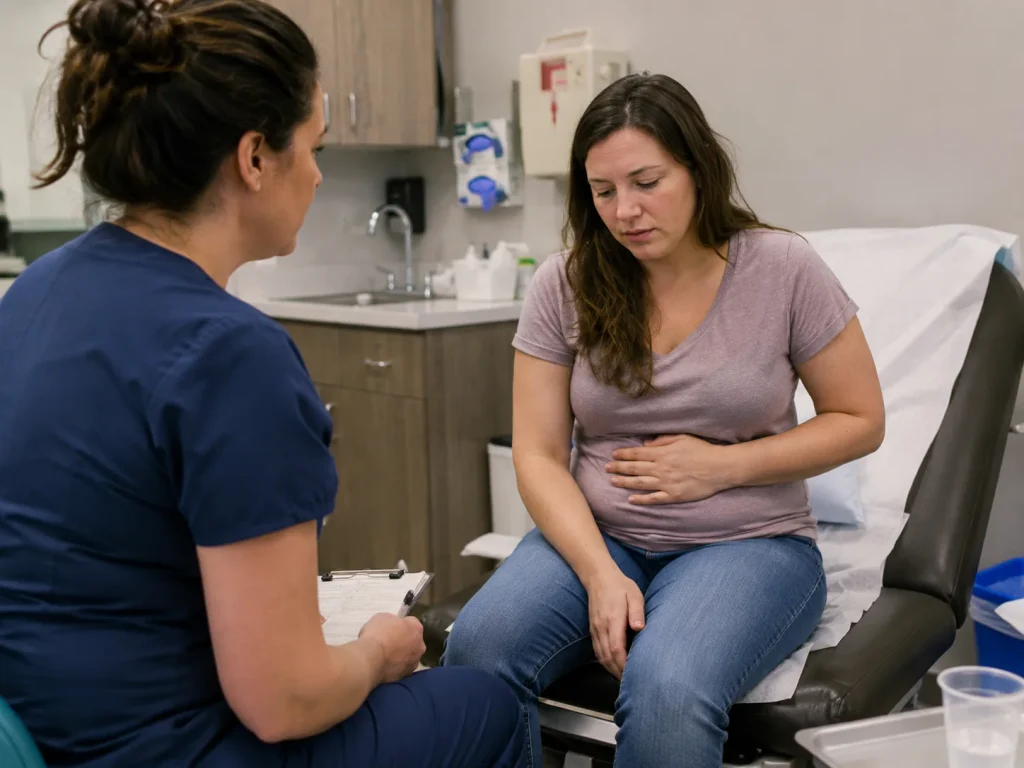
Depending on the time when the symptoms start and what exactly is the underlying driver, dumping syndrome signs can be divided into two completely different sets of symptoms governing different biochemical pathways. Plus, the timing of the symptoms after eating is key to getting the nutritional changes right.
| Clinical Phase | Typical Onset Timing | Primary Biological Driver | Primary Early Manifestations |
| Early Dumping Syndrome | 10 to 30 Minutes Post-Meal | Rapid osmotic fluid shift from the bloodstream into the intestinal lumen. | Abdominal cramping, nausea, sudden diarrhea, rapid heart rate, and facial flushing. |
| Late Dumping Syndrome | 1 to 3 Hours Post-Meal | Reactive hypoglycemia caused by a massive, sudden spike in systemic insulin release. | Cold sweats, severe dizziness, cognitive confusion, trembling, and profound fatigue. |
In line with what the table states, early dumping syndrome is marked by signs of abdominal distress along with symptoms of disruption in cardiovascular function. The first thing that happens when there is a sudden increase in the amount of more viscous material and fluid in the intestines is a set of symptoms characteristic of the situation: abdominal pain, bloating, vomiting, and diarrhea. Meanwhile, the drop in the blood volume results in the body trying to compensate by the heart pumping faster, and so initially, the heart rate increases rapidly, dizziness and flushing of the face follow. In contrast, the late dumping syndrome, appearing one to three hours after sugar consumption, is essentially a case of reactive hypoglycemia, which occurs when the pancreas releases a large burst of insulin in response to the rapid absorption of sugar; this excessive insulin spike decreases the sugar levels, causing cold sweats, shaking, confusion, and extreme weakness.
Your Perfect Shape and Healthy Metabolic Support
In-depth knowledge of these initial metabolic changes allows you to have complete confidence in the roadmap of your surgical recovery. For those physically active persons who are performing sports at a high level in a rigorous manner, training to gain muscle, especially in the lower part, and shape the glutes to get a perfect hourglass figure, managing the function of your digestive system will have the greatest impact. Recurrent dumping episodes can be a major source of irritation as the prolonged loss of fluids and the without proper absorption of nutrients leads to the muscle tissues being deprived of essential amino acids and glycogen stores needed for restoration.
If you detect as soon as possible the signs of dumping syndrome, then you are in a position to make changes in your food intake in order to preserve the cellular milieu of your body. Changing your diet will result in very efficient and smooth absorption of macronutrients by your digestive system, enabling you to match your physiological and mental wellness along with the physical discipline of your body. The whole idea of this mathematically calculated upkeep is that you do not experience sudden drowsiness and muscle breakdown at all, and your well-defined lower body, tightly pulled in waist and athletic figure are all ensured through the provision of proper metabolic fuel from every side.
Diet Statecraft for Dismissing Early Metabolic Outburst
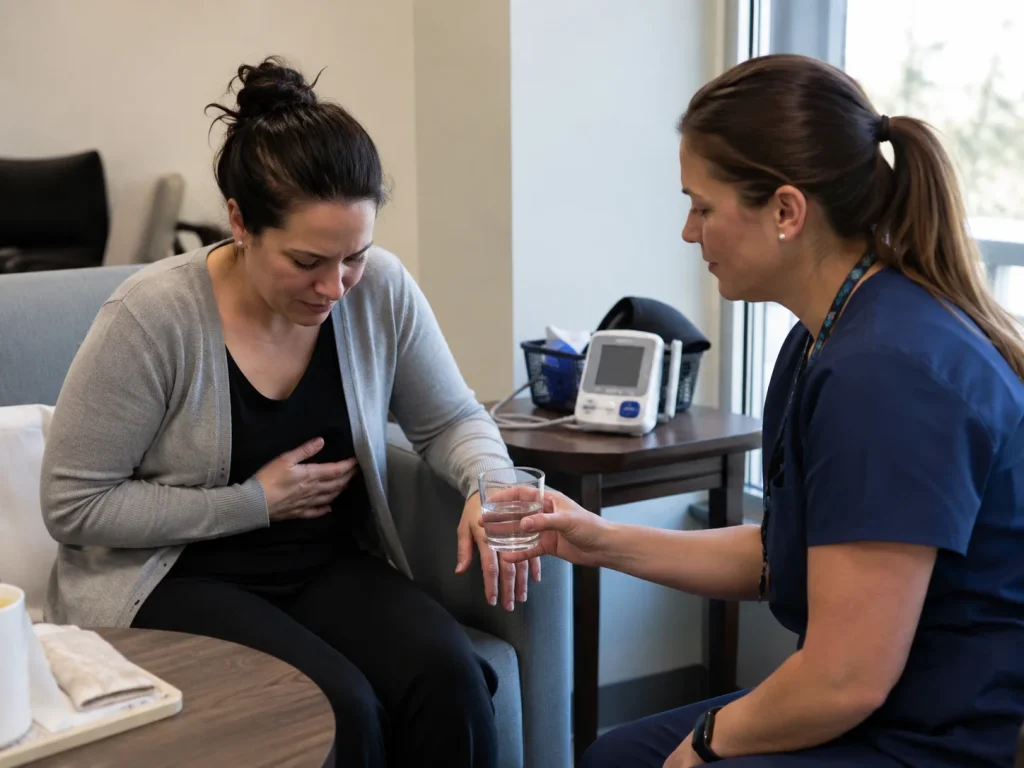
Completely stifling dumping syndrome and at the same time safeguarding your damaged digestive tract will be dependent on the enforcement of certain inductive steps and procedures that will effectively regulate the speed at which the intestinal transit takes place. Above all, the golden rule of post-bariatric nutrition is the complete separation of solids and liquids: under no circumstances should you drink any fluids for thirty minutes before and thirty minutes after a meal.
Drinking water or other beverages together with food rapidly liquefies the food mass and hence speeds up its travel through the gastric pouch which directly results in an osmotic dumping episode. In any case, your main meals still have to be broken down into five or six small portions of highly nutritious foods with emphasis on lean protein and complex, fibrous carbohydrate. The normal inclusion of fats, e.g., avocado or olive oil, is the natural way of deceleration of gastric emptying so that your blood glucose level stays stable and the sudden insulin spikes which lead to late stage hypoglycemia are completely avoided.
LIN Europe Clinic
Being with LIN Europe Clinic compares to being in the best worldwide health and medical arena where your post-bariatric health, body transformations and metabolic pathways are taken care of at the highest level of clinical skills and with deeply human care. We realize that the multifaceted dietary changes after a major operation can only be managed in an exceptionally highly developed, totally transparent and very supportive environment which places evidence-based medicine first and foremost. LIN Europe Clinic in Turkey is recognized internationally as a top leader in the field of advanced body contouring and metabolic aftercare, providing a tranquil environment where your health strategy is strictly controlled by the best global patient safety standards.
By giving us your deep confidence, the team of specialists at LIN Europe Clinic in Istanbul will ensure that your recovery parameters are tracked with absolute diagnostic accuracy. We offer total, customized nutritional counseling and metabolic mapping to lead you through tissue maturation and lifestyle integration phases one step at a time. Our top medical group makes sure that your body shaping investment and systemic health are fully secured, resulting in you being able to enjoy your new silhouette completely without any worries. Try out the sophisticated and thorough care at LIN Europe Clinic and get a beautifully balanced body achieved safely and expertly in the heart of Turkey.
FAQ:
The initial symptoms normally occur within half an hour of eating and are a rapid heart rate, slight dizziness and face flushing that are suddenly felt followed very rapidly with the feeling of stomach bloating, severe cramping and the sudden need to go to the bathroom.
Fluid-shift-generated early dumping is the kind that dissipates in thirty to sixty minutes when your organism restores a balance of fluids. Hypoglycemia-induced late dumping will persist until you ingest a slow-acting complex carbohydrate to bring your glucose back to normal.
Indeed, dumping syndrome is most frequent in the first months as your body gets used to a smaller stomach, but it is still possible to experience dumping at any time in your life if you quickly ingest a large amount of highly concentrated sugar or simple carbohydrates.
It is true that symptoms sometimes really do seem very intense, scary and cause great discomfort, but dumping syndrome, in itself, is not a hospital case. On the other hand, long-term worsening episodes can cause severe dehydration, lack of certain vitamins, and undesirable weight loss, if not properly treated.
The low blood sugar sensation or trembling, cold sweats and stupor related to late dumping call for an immediate intake of a small amount of complex carbohydrate for example whole-grain cracker or a protein source. At the same time, lie down completely flat to slow down the intestinal motility.
Tack, J., et al. (2009). Diagnosis, Pathophysiology, and Management of Dumping Syndrome After Gastric Surgery: A Consensus Review. World Journal of Gastroenterology, 15(48), 6039-6047.
Ukleja, A. (2005). Dumping Syndrome: Pathophysiology and Nutritional Dietary Management. Nutrition in Clinical Practice, 20(5), 517-525.
Singer, A. J., & Clark, R. A. (1999). Cutaneous wound healing and gastrointestinal tissue remodeling dynamics. New England Journal of Medicine, 341(10), 738-746.