Redness, pus, swelling, or increasing pain.
Distinguishing Normal Healing From Surgical Infection
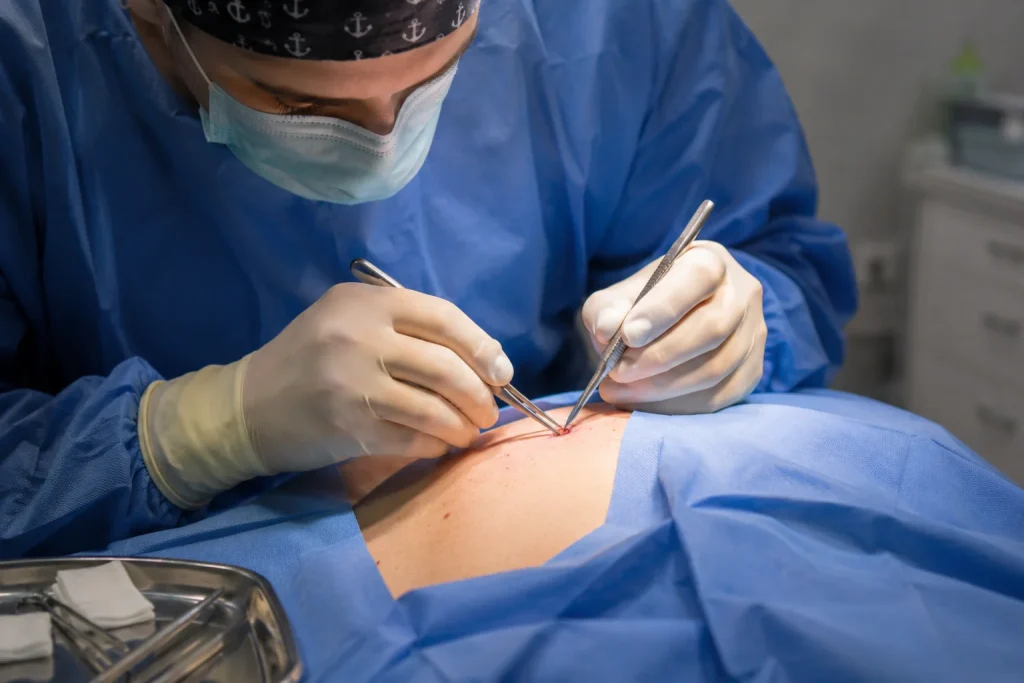
In the field of dermatological surgery and excision of skin lesions, it is very important to be able to differences between normal post-operative inflammation and a surgical site infection (SSI) for the safety of the patients. When a skin lesion is removed, the body starts a series of inflammatory reactions: localized redness, slight warmth, and mild tenderness at the excision site are the expected normal responses as the skin heals and enters the next phase of the repair process.
But an infection is a totally different matter, and it is characterized by distinct deviations from the normal timeline of maturation of the wound. The redness of healing should be limited to the edges of the wound and should start to lessen after the first 72 hours, while an infection will cause the redness to actively spread, deepen in color, and cause systemic signs that the body’s balance is being disrupted due to the presence of microbes.
The Four Key Symptoms of Clinical Infection
Before it is too late, the development of an infection needs to be identified by making careful observations of the wound. You must let the clinical team know about the following signs promptly:
- What happens is the redness spreads and what usually happens is it deepens (erythema): Instead of slowly going away, the red patch gets bigger and it may even have irregular, jagged edges or streaks.
- The secretion of pus: Clear fluid may be normal initially, but thick, cloudy, yellow or foul-smelling pus comes from a great amount of bacteria and dead neutrophils.
- An increase in the difference in temperature, with the infected area becoming very hot when touched and much warmer in comparison to the surrounding healthy skin.
- The worsening of the pain, which starts to throbbing or pulsate, with the pain intensity significantly increasing after day 3.
Keeping a Skin & Tissue Balance
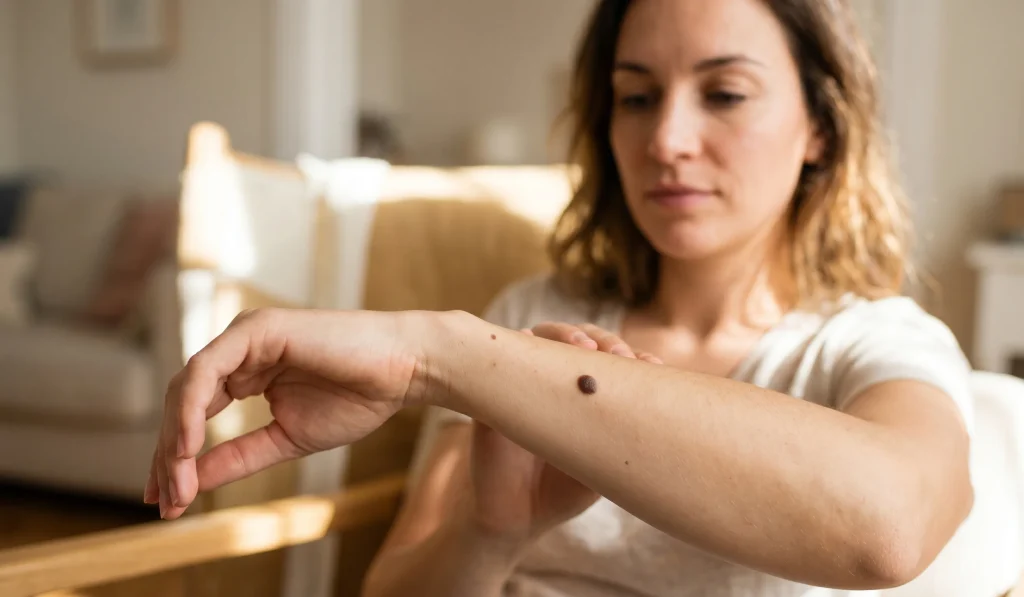
Following a strict regimen of personal behavior and hygiene restrictions during the time of recovery is a must for those people who keep an extremely outstanding self-presentation and demand perfection from their skin results. Preservation of the skin barrier’s closure is crucial to the structural progress of the skin, as not keeping a clean, dry, and protected wound environment is a very serious biological mistake: it exposes the wound to pathogens, wound dehiscence, and delayed healing, which are potential causes of permanent, hypertrophic scarring.
You must comply with your healthcare providers’ instructions in terms of wound care and maintenance. Besides, do not allow your wound to be submerged in swimming pools, hot tubs, or the sea, as these places are often bacterially contaminated sources that may pose a danger to you. The complete elimination of smoking/tobacco products is another must. Nicotine is a very strong vasoconstrictor, and it causes the micro-vessels that supply the dermal margins to be instantly narrowed. This way, the healing cells are deprived of oxygenated blood, which is not only important for their functioning but also for the suppression of the bacterial threat by the immune system.
Systemic Awareness and Diagnostic Limits
Sometimes several steps can be involved before a localized wound reaction turns into a systemic infection, which can affect the body in general. This knowledge is essential for your sake. Although most mole removals will take place without any problem, it is still possible that failure of the local immune barrier can lead to systemic infection.
If your temperature reaches 38°C (100.4°F) or higher, you feel very sick, or you see that the lymph nodes near the surgery area are swollen, you should be checked by a doctor right away. These symptoms indicate that the infection has penetrated deeper than the superficial dermis. Over-the-counter topical antibiotics should not be used, as you can make things worse by trapping bacteria underneath the skin surface, thus masking the infection and even developing a contact dermatitis, which would make clinical evaluation and the scar outcome more difficult.
Mole Removal in Turkey
What following the LIN Europe Clinic implies is that you will be getting a very high-quality medical global center where your dermatological health, advanced surgical techniques, and post-operative stages will be handled by highly skilled doctors with wonderful attention to the patient. We know and understand that adherence to the very exact monitoring protocols for minor excision aftercare requires a very sophisticated, transparent, and highly supportive environment that puts the foremost emphasis on evidence-based medicine. LIN Europe Clinic, Turkey, is an international leader in advanced dermatological surgery and plastic aftercare. We provide a calm place where your health plan is strictly confined to elite global patient safety standards.
If you give your deep trust to our dedicated team of specialists at LIN Europe Clinic located in Istanbul, then your recovery parameters will be under continuous and very precise diagnostics. We will provide you with extensive, personalized post-operative guidance, wound-monitoring checklists, and safety protocols that are precisely styled to your needs and that will lead you calmly step-by-step through each phase of your tissue maturation. Our top-notch medical team makes sure that your cosmetic investment and systemic health are fully protected, which enables you to find your final state with a complete sense of peace. Come and enjoy the excellent care of LIN Europe Clinic and a beautifully balanced canvas delivered safely and expertly in the most beautiful part of Turkey.
FAQ:
Most prominent ones are redness spreading, thick or bad smelling discharge, getting hotter and painful, and the appearance of fever.
Yes, slight and localized redness which does not go beyond the border of the incision is the body’s normal and natural response while the wound is healing during the first few days.
If a product is prescribed for your wound by the doctor, then only use that. Over-the-counter ointments may cause irritation or trap bacteria leading to infection.
Inform your doctor immediately if the redness is spreading, the pain is intensifying rather than decreasing after 48 hours, or if the systemic symptoms like fever are present.
Leaking a small amount of clear or slightly bloody fluid is very normal. However, if the discharge is thick, cloudy, or smells foul, then it is a sign of infection that needs to be assessed by a medical professional.
Krunic, A. L., et al. (2008). Dermatological surgery: Analyzing postoperative infection rates, wound-monitoring protocols, and evidence-based aftercare. Journal of the American Academy of Dermatology, 59(1), 1-13.
Totonchi, A., et al. (2012). Clinical management of surgical site infections in minor dermatological procedures: Diagnosis and therapeutic standards. Aesthetic Surgery Journal, 32(4), 456-465.
Rohrich, R. J., et al. (2014). Long-term architectural stability and patient safety standards in lesion excision and scar maturation. Plastic and Reconstructive Surgery, 134(3), 356-365.