Yes, late implant infections are rare.
Late Periprosthetic Infections and the Biofilm Matrix
Plastic surgery and prosthetic breast enhancement are very specialized areas. Doctors operating there know very well that breast implant infection is not uncommon even several years, and sometimes decades, after the first operation. In fact, the body most frequently gets infected right after the operation within the first weeks. But late infections are a totally different biological occurrence.
The body’s internal scar capsule and the surface of the cohesive silicone gel are the main areas where late infection develops. Usually, during the first surgery, a low-activity bacterial colony–so-called biofilm–can inadvertently embed itself on the implant shell. This biofilm is like a stealth layer that keeps the bacteria inactive and out of sight for a long time. On the other hand, if a tissue condition changes or the overall immunity of the patient falls, bacteria that were dormant can get active, leading to delayed infection.
Hematogenous Seeding and Secondary Bacterial Portals
Hematogenous seeding is the term for the cause of getting reinfected around an old breast implant. As a breast implant is an avascular foreign object means that no blood vessels or immune cells that the body has had defense lines are on it. If the bacteria can get into your blood circulation from a completely different body part, they can enter the circulatory system and find the implant fluid pocket.
Late-stage hematogenous seeding is mainly triggered by the following secondary portals:
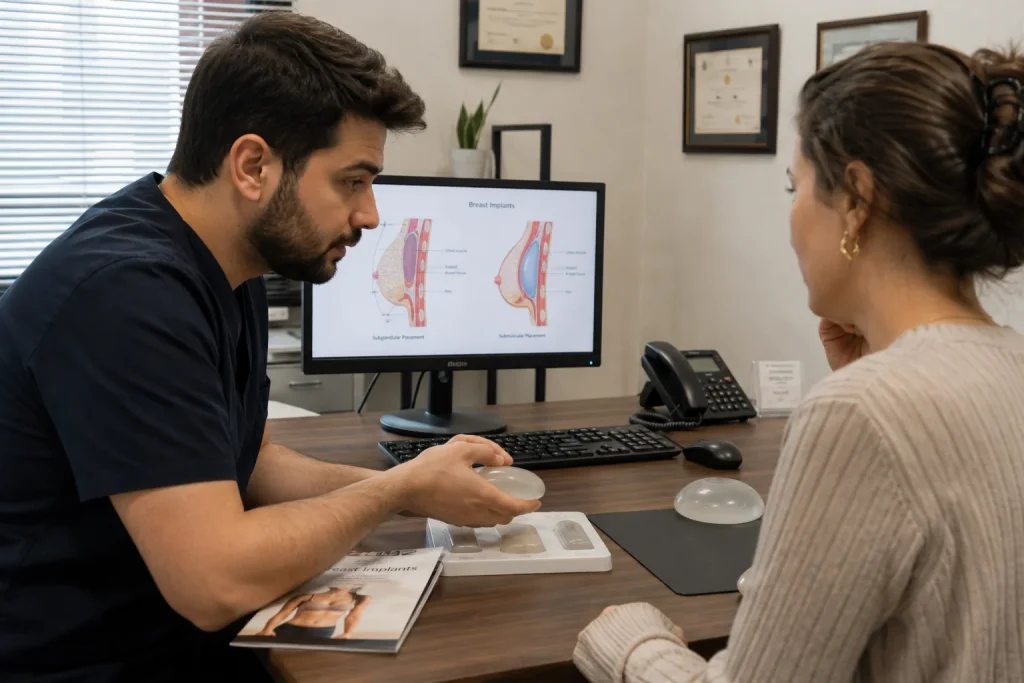
- Advanced dental procedures: Deep cleanings, root canals, or extractions might lead to temporary exposure of oral bacteria inside the bloodstream.
- Severe systemic infections: Any infection of the kidney, severe urinary tract infections (UTIs), or acute pneumonia can be examples of systemic infections.
- Cuts in skin: Chances are a large skin tear or invasive body piercing or tattoo near the breast region peak come acutely compromised.
Once the bacteria arrive in the periprosthetic space, they become cool and warm, hidden in the environment where their reproduction becomes so fast that swelling, redness, and pain are suddenly visible on one side.
Systemic Homeostasis and Athletic Frame Integrity
Here, it is only via strict medical boundaries and having a very capable immune system that people who are living a highly disciplined lifestyle and seeking absolute perfection from their body’s proportions can shine. Those who are rigorously devoted to keeping a very narrow waistline, well-shaped lower body curves, and an epitome athletic frame will need to immediately manage a break in the breast with a call for help. Your body’s cellular matrix defense will have to become a priority at the moment, compromising the short-term workout goals.
Late-stage asymmetric swelling or a local rise in temperature should really be attended to; otherwise, at biological expense, neglecting the symptoms can be very severe: the infection can swiftly destroy the main soft tissue, lead to capsular contracture, or give rise to systemic illness. You can also lose your ability to heal if you don’t quit smoking entirely once an infection is suspected. This is because nicotine acts as a strong systemic vasoconstrictor, narrowing microvessels and instantly depriving the breast tissue of the white blood cells needed to fight the pathogen. Having a clean internal system will let you support the medical treatment in your body the most.
Clinical Extraction and the Delayed Two-Stage Reconstruction Pathway
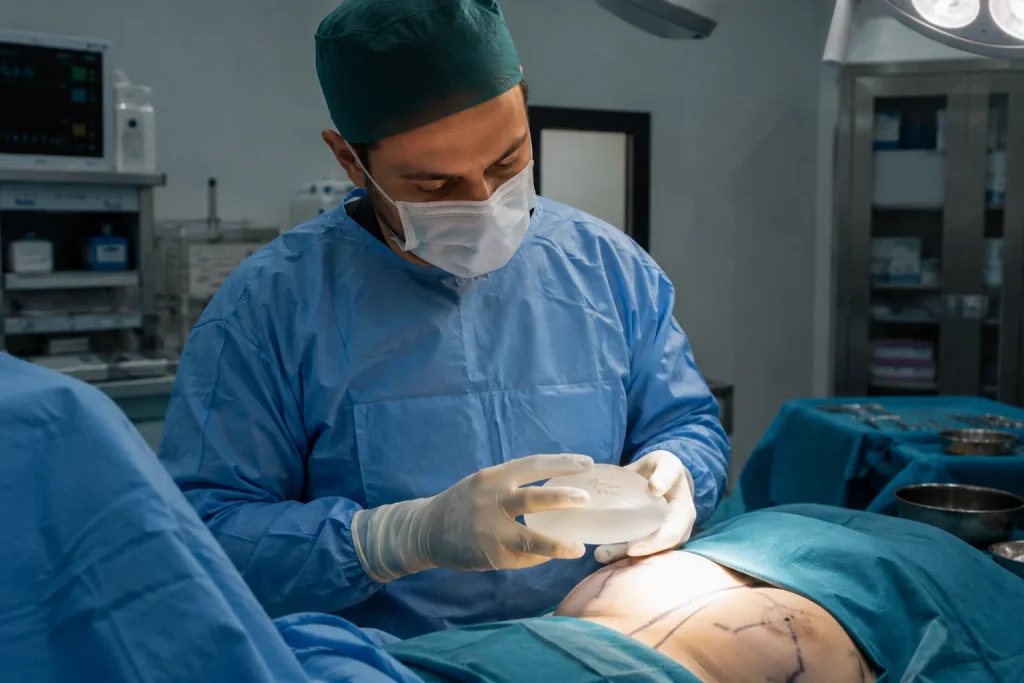
In case an implant is breached by a late-stage infection, mere antibiotics will not be sufficient to get rid of the pathogen from the surface of the device. At such times, surgery removing the device (explantation) is the definite clinical remedy. Once the surgeon does an emergency revision operation, the first thing he does is to take out the infected implant and complete capsulectomy, i.e., he removes the whole compromised internal scar capsule.
After that, the tissue pocket is very carefully washed with a multi-liter antimicrobial wash, and a surgical drain is temporarily placed. It is kept flat for a period of 3-6 months minimum, allowing it to heal. When the blood levels are fine, and there are no more bacteria, it is safe to put in a totally new sterile implant, and you can resume your aesthetic treatment with full confidence.
Breast Implants in Turkey
Choosing LIN Europe Clinic is a great decision as it puts you in one of the world’s top medical environments for managing breast aesthetics, complex revision surgeries, and systemic health with clinical excellence and meaningful care. We know that dealing with a complication out of the blue, sometimes years after your first operation, requires a very high-level, clear, and very supportive atmosphere where evidence-based medicine is dominant. LIN Europe Clinic in Turkey is indeed a place recognized worldwide for advanced prosthetic care and revision breast reconstruction, and also a perfect place for you to relax, where your health roadmap is strictly governed by elite global patient safety standards.
By entrusting our dedicated team of specialists at LIN Europe Clinic in Istanbul, you will find that your recovery parameters are checked with the utmost precision of diagnostics. Personalized diagnostic mapping, prompt fluid testing, and customized long-term reconstruction checklists guiding step-by-step your tissue recovery and lifestyle integration phases are made available to you. Our elite medical team ensures that your body contour investment and systemic health are well guarded, allowing you to return to your dream silhouette with peace of mind. Come and experience the refined, comprehensive care of LIN Europe Clinic and obtain a beautifully balanced human form, safely and expertly delivered in the center of Turkey.
FAQ:
While it is rare, infection of breast implants years after surgery is possible. This can happen if bacteria still present in the blood move to the implant site, or if bacteria that form a protective biofilm around the implant become active after a period of dormancy.
If the infection is from an old implant then you will likely see a number of signs such as one sided rapid swelling of the breast, localized skin redness, the skin may be hot and a burning sensation may be felt, there could be a joint pain and the first could also have a fever.
It is possible that the oral bacteria could be released into the bloodstream after a dental procedure and these bacteria may reach and colonize the old implant pocket.
In fact, bacteria creating a biofilm around the implant shell can make it impossible for antibiotics to work. Therefore, surgical removal of the implant remains the option in nearly all such deep pocket infections at the late stage.
In general, after removing the infected implant, one can have a new implant put in only after a period of 3 to 6 months. There are two reasons, the first being that the tissue pocket should have properly healed and the second being that the infection should have been completely eliminated.
Pittet, B., et al. (2005). Infection after breast augmentation: An analysis of late-stage causative pathogens, salvage timelines, and hematogenous seeding. Plastic and Reconstructive Surgery, 115(6), 1634-1642.
Tebbetts, J. B. (2006). Minimizing late-stage complications and maximizing long-term prosthetic safety in breast augmentation. Clinics in Plastic Surgery, 33(2), 181-195.
Del Pozo, J. L., & Patel, R. (2007). Infection associated with prosthetic devices: The biology of biofilms and clinical extraction pathways. Biomedical Progress, 356(8), 784-791.