Nausea usually lasts a few days.
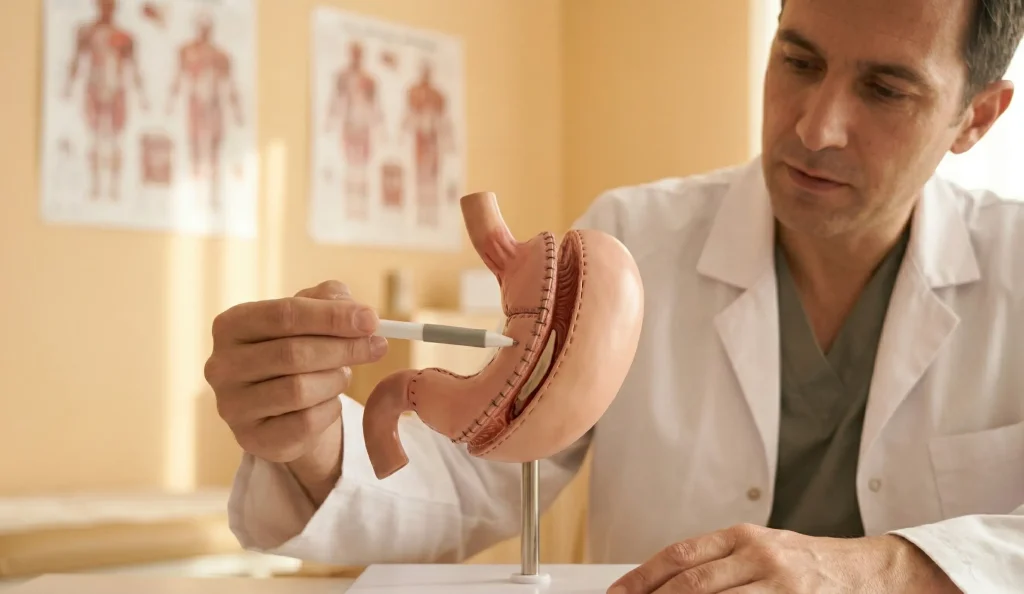
In the specific field of bariatric surgery and metabolic restoration, feeling “sick” or experiencing nausea after a gastric sleeve (sleeve gastrectomy) is a typical clinical event. This is mainly due to the drastic shrinkage of the stomach and the hormonal adjustment that follows when the levels of the “hunger hormone” (ghrelin) fall dramatically. For most patients, the severe nausea phase is 3 to 7 days long, while a general feeling of stomach sensitivity may be experienced up to two weeks. When the internal staple line starts the vital phase of neocollagenesis and the surgical swelling almost completely goes down, the feeling of being “sick” disappears and is actually replaced by a new feeling of being full and energetic, which is the onset of a permanent weight loss process.
The First Few Days: Handling the Very First After-Effect of Nausea
Right after a stomach reduction operation, the feeling of nausea is very often the body’s reaction to the anesthesia and the surgery itself. The stomach is an organ that is rich in blood vessels and nerves, and “reactivating” it when it has been surgically resized leads to a short period of the digestive system “protesting”. Besides, the sudden switch to a very limited diet, mainly just clear liquids, can further stress the system. At first, the “sick” feeling is very strong, but it is a clinical state that is controlled and it starts to decrease as soon as the patient begins to move and the internal gas used during the laparoscopic surgery is released.
At Lin Health Europe Clinic, immediate comfort is considered a surgical must. Our bariatric surgeons working in Turkey have a very effective “Pre-Emptive Anti-Emetic Protocol” giving almost no chance to post-operative nausea, which they run even before you enter the surgery room. Besides, in Istanbul, we prepare complex, multi-modal pain and nausea control schemes for our international first-line patients, always starting with intravenous hydration and calorie biometric monitoring. This professional strength means that you will experience hardly any discomfort during the first days and that these days will be devoted to short walking and the beginning of healing, so the phase of neocollagenesis can start in both comfort and stability.

Supporting the Liquid Diet: Working with Your New Small Stomach
At around one week after a gastric sleeve surgery, the feeling of nausea usually occurs when you are still “learning” your very limited stomach capacity. Since the inner layer of the stomach is still swollen (edematous), even small amounts of water may feel heavy or give a “foaming” sensation if you drink rapidly. Here, the level of pain is generally quite low, with the focus rather being on the change of the stomach into a reservoir that only holds about 15% of its original size. At the same time, the body is made to work hard to heal the incision made by the staple line in the inner stomach, which is why you should be very careful with the amount of liquid so as not to overload the stomach when it is least able to deal with it.
At the Lin Health Europe Clinic, we employ such strong monitoring of our patients’ nutrition habits that it is difficult to find a similar level of countertop care in bariatrics. For our guests in Turkey, we give a “Sip-by-Sip” liquid delivery timetable that is adjusted to each patient’s individual metabolic needs. In Istanbul, we employ high-definition biometric monitoring to ascertain that you are reaching your hydration and protein goals without being too demanding on the stomach. The professional dedication we bring to the phase of neocollagenesis means that this will be reinforced with great accuracy, supporting you when you leave the “sick” phase and enter the state of nourished stability with complete confidence.
Reset of Hormones and Metabolic Recalibration
It is common for many patients to experience an indefinite feeling of malaise or nausea towards the end of the second week. This is a physiological phenomenon of the “hunger hormone” (ghrelin) levels significantly decreasing, which actually shows a deep hormonal reset at work. The surgical removal of the part of the stomach that produces the bulk of the hormone that causes hunger means that the huge and sudden drop in blood levels is accompanied by the symptoms of ketosis, the “keto flu,” such as tiredness and a slight feeling of malaise. In metabolic terminology, this is one of the clinical signs of your body successfully changing the main fuel source, as well as the endocrine system is being recalibrated for long-term reduced weight.
We keep track of this hormonal change with the help of the highest medical standards available in our Istanbul clinic. Our expert in Turkey will supply you with a thorough “Metabolic Support Kit” that contains the right electrolytes and vitamins for lessening the effects of ketosis. Along with that, we keep our international patients well-informed about their biological recovery milestones so that what feels like “sickness” is reinterpreted as a good sign of a working metabolism. Working with the best science available, the professional rigor at Lin Health Europe Clinic supports the internal “rewiring” of your body so that you can come to the stage of neocollagenesis and tissue maturation full of healthy and vibrant energy.
From Sickness to Vitality: The Path to Stabilization
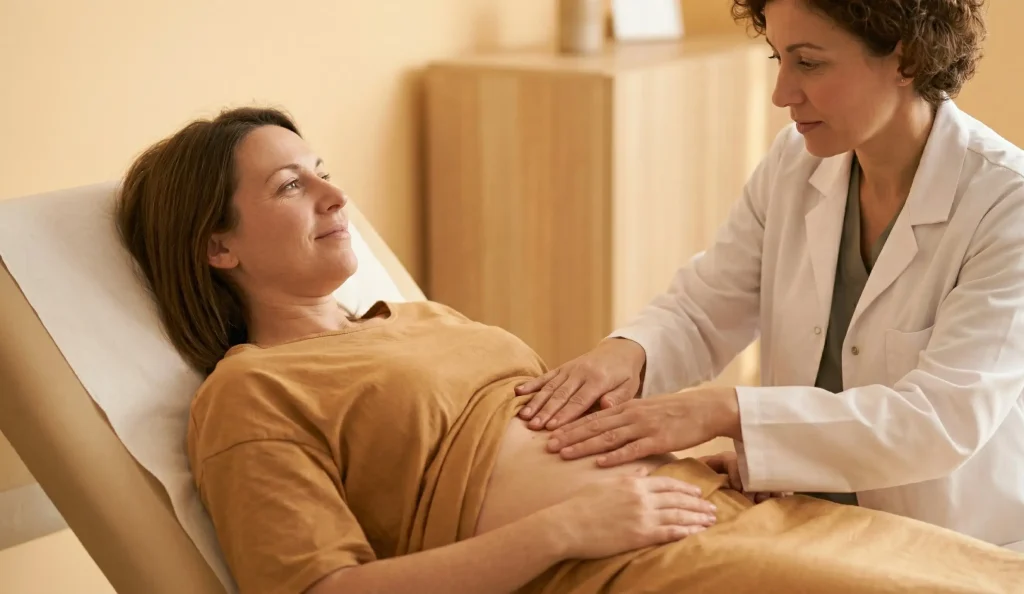
The “sick” feeling is entirely gone most often around weeks four to six as you get used to soft and then solid foods. By then, the tissues are free of swelling and the stomach lining is softer and more tolerant. Any nausea left at this point is normally a “warning” from the body after eating too quickly or without adequately chewing. This is when eating, both psychologically and physically, starts to become one, allowing the patient to feel the real freedom of the gastric sleeve – hunger ceases to be constant and physical stamina is regained rapidly.
A 24/7 “Recovery Concierge” at Lin Health Europe Clinic is always ready to assist you through these dietary milestones in Turkey. Our doctors in Istanbul regularly check on your stomach’s response to new food types during follow-ups. We also teach you about the “biometrics of eating,” which helps you understand your body’s new signals with total precision. The phase of neocollagenesis, which results in a strong, efficient gastric sleeve, was premeditated to serve as the basis of your new, health-oriented lifestyle. With our professional guidance in Turkey, the “sick” phase will be a thing of the past as you move on to a new life.
Stomach Reduction in Turkey
Lin Health Europe Clinic is the world destination for those who seek the highest level of bariatric skills and life-changing outcomes. Our center in Turkey is a great illustration of medical advancement where fine-tuned stomach reduction is performed in a top level, JCI-accredited facility. Catering to international patients who want not only the best weight-loss results but also a recovery period characterized by great hospitality combined with strict clinical standards, we are the top choice. Being in our clinic in Istanbul means entrusting your transformation to the most expert hands in bariatrics, where it is treated as a true masterpiece of health and longevity.
FAQ:
Usually, most patients suffer from intense nausea within three to seven days, while the whole digestive adjustment process can go on for up to two weeks. We at the clinic in Turkey, use cutting-edge anti-emetic protocols to make sure that your recovery in Istanbul is as pleasant as it can be.
Nausea is generally a mixed effect caused by anesthesia, the change in the physical shape and the size of the stomach, as well as the sudden decrease in the level of the hunger hormone ghrelin. Our team in Istanbul is of a high standard and we handle these symptoms through accurate hydration and medication in Turkey.
It is normal to feel nausea from time to time, but if there is vomiting, then it must be seen by a doctor immediately. In Istanbul, you will be given a structured liquid diet that will avoid overfilling the new gastric reservoir particularly as your body enters the neocollagenesis phase in Turkey.
Usually, soft foods may be taken at four weeks and solid foods around the sixth or eighth week of your recovery. Nutritionists in Turkey work closely with you in Istanbul, making sure that your stomach accepts the new food textures without any leftover sickness.
Following the liquid program, taking the anti-nausea medicines as prescribed, and being active are the main things to lessen the “sick” feeling. Lin Health Europe Clinic, through 24/7 monitoring in Turkey, ensures that your metabolic transition is smooth and without any pain.
- Gagner, M., et al. (2013). The second international consensus summit on sleeve gastrectomy. Surgical Obese Related Diseases.
- Weiner, R. A., et al. (2011). Laparoscopic sleeve gastrectomy as a stand-alone procedure. Obesity Surgery.
- Himpens, J., et al. (2006). A prospective randomized study between laparoscopic gastric banding and laparoscopic isolated sleeve gastrectomy. Obesity Surgery.
- Rohrich, R. J., et al. (2014). The role of neocollagenesis in internal surgical staple-line healing. Plastic and Reconstructive Surgery.
- Schauer, P. R., et al. (2012). Bariatric surgery versus intensive medical therapy in obese patients with diabetes. New England Journal of Medicine.