Are You Weaker After Getting Implants?

Medically reviewed by Op. Dr. EmrePlastic and Aesthetic Surgeon
Yes, but only temporarily.
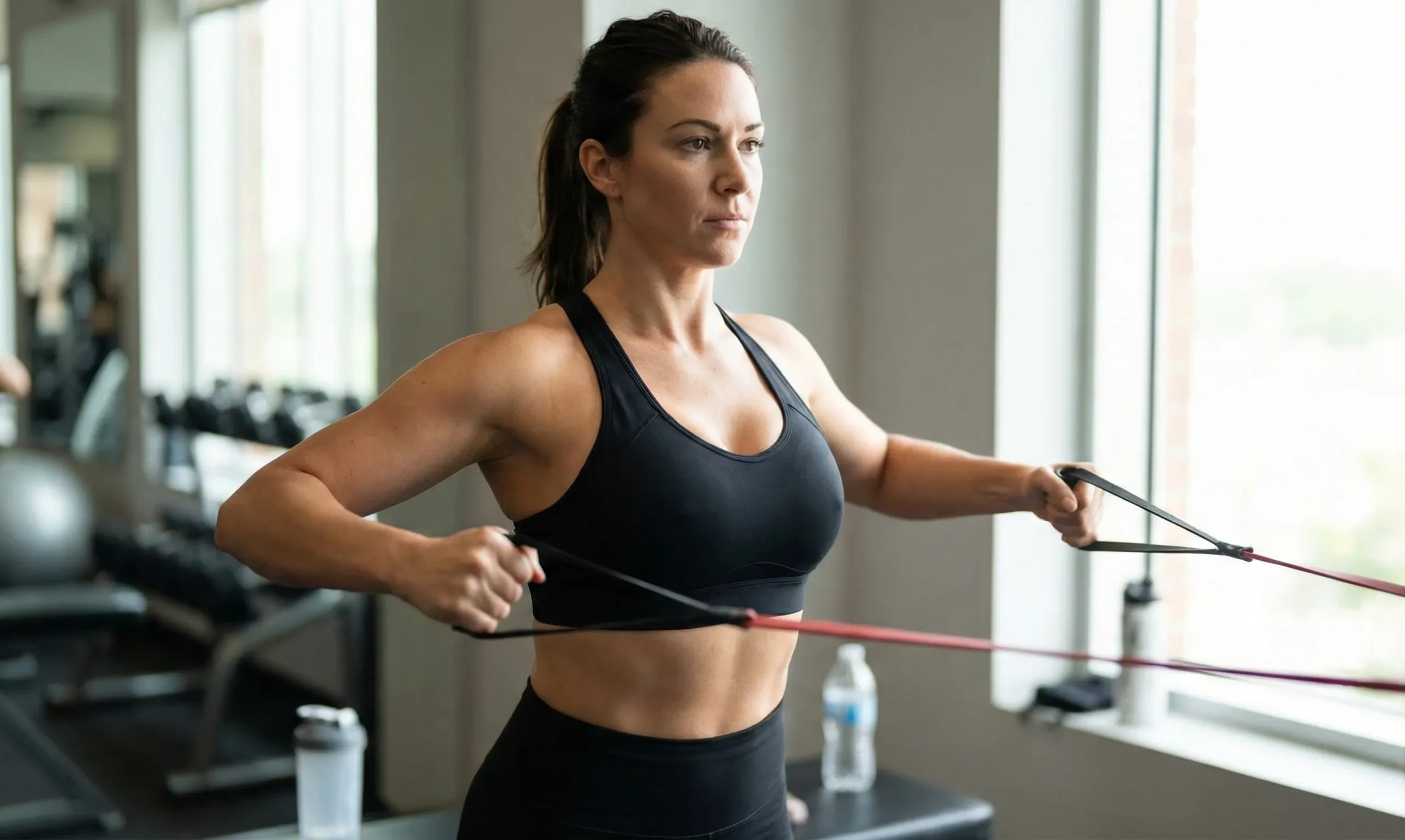
Many women who are physically active and especially those who weightlift, do CrossFit, or are involved in sports that require upper body power, are naturally afraid of losing their strength after a breast augmentation. You might be concerned to that an implant lying under your pectoral (chest) muscle will make the muscle either not to be used anymore or permanently weaker. Lin Europe Clinic is a place where we see many athletes and fitness lovers who understand that to be fit functionally is just as important as to look pretty.
Answering "Are you weaker?" question the answer is yes, but only temporarily. If the implant is placed under the muscle (submuscular/ Dual Plane) you will lose most of your chest strength at the recovery phase right after surgery because of the surgical trauma. Nevertheless, nearly all patients find that this loss of strength is not permanent. Through good rehabilitation and sufficient time, you can fully recover your functional strength without limitation. Knowing what really happened to the muscle at a biomechanical level can be an opening to your comeback to the gym without fear.
Why Are Submuscular Implants Affecting Strength?
Before you can figure out the effect of moderate strength loss, you must understand the procedure. In a Dual Plane breast augmentation, the surgeon elevates the pectoralis major muscle's lower portion to make space (pocket) for the implant. This normally also includes the surgeon detaching the muscle partially (cutting) by releasing the edges along the ribs and sternum.
With such a release, the muscle's leverage is changed. Right away the muscle will be in shock, forced over the implant surface and partially separated. Thus, your pushing power, such as what is used in a bench press or push-up, will be weakened to a large extent. Your inability to generate power is, therefore, not merely the result of pain; in fact, it is a mechanical disadvantage of the muscle being in a lengthened position.
Temporary Inhibition vs. Permanent Weakness
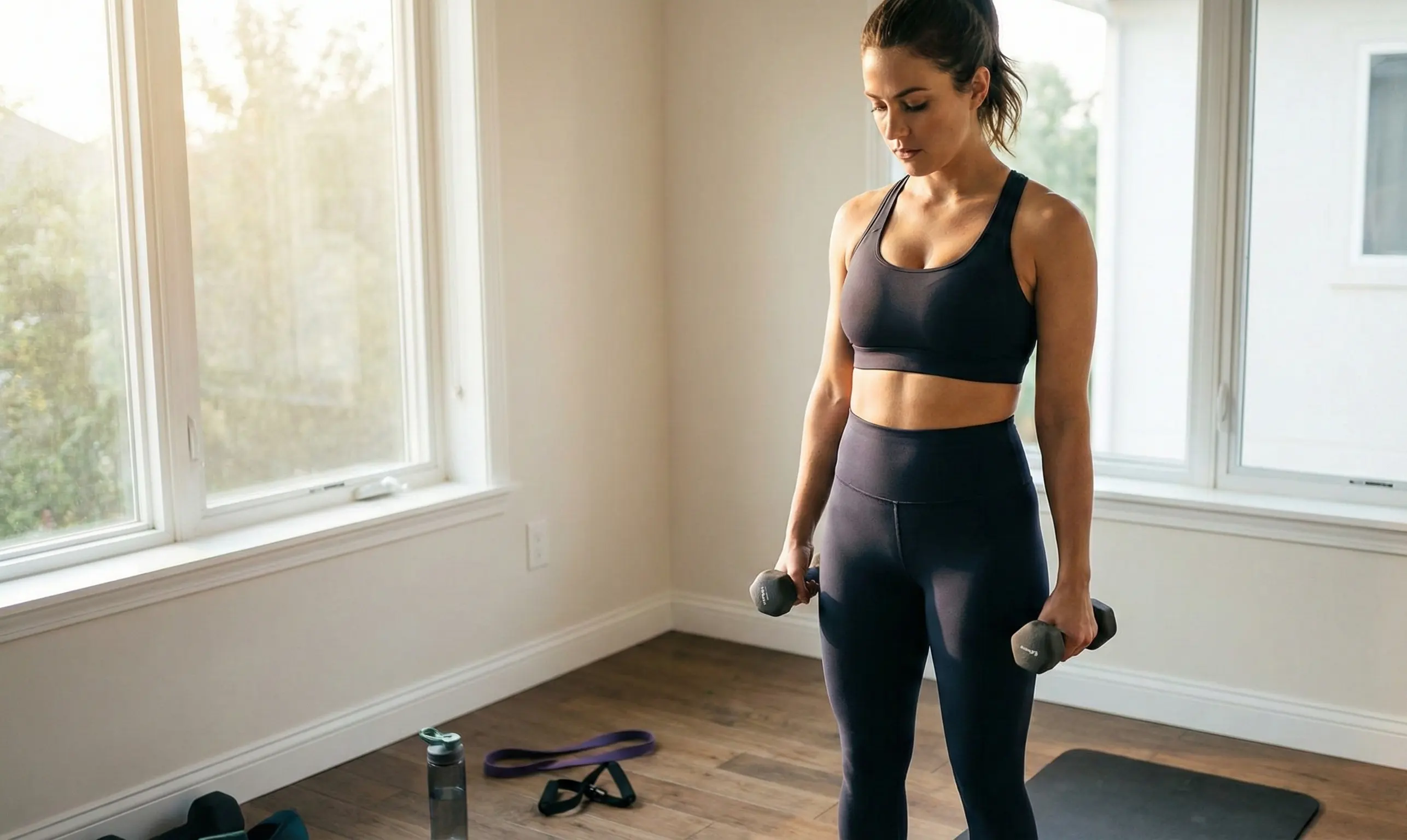
You experience muscle weakness mainly because of nociceptive inhibition or pain inhibition for the first 3 months. Your brain develops smart ways of preventing imposition of further injuries to a healing tissue by making muscles less responsive or weaker if an effort causes pain during movement and thus a potential injury scenario. This is a biological protective mechanism. As the pain lessens and the muscle gets used to how it is naturally stretched, this effect will fade away.
Studies that have followed the progress of breast augmentation patients over time have shown that the peak muscle strength of the pectoral muscles (peak isometric torque) might be slightly reduced but daily activities that require arm and chest use do not get affected. You will have no problem doing your grocery shopping, carrying your kid or doing planks. In fact, some of the muscles that work alongside the pectorals, the anterior deltoids (shoulders) and triceps, might even get stronger as a result of the muscle imbalance.
The Bodybuilder Exception
While 99% of patients return to full strength, elite competitive bodybuilders or powerlifters are the exception. If your sport requires maximal pectoral isolation (like a heavy bench press one-rep max), you might notice a subtle, permanent difference in your "lockout" strength or stability.
Besides, for most of the athletes, the main issue is not muscle weakness but the so-called Animation Deformity. This is a condition when the muscle being flexed changes the shape of the implant visibly by denting or flattening it. Due to the fact that this kind of aesthetic impairment as well as the possibility of a mild functional impact, most professional bodybuilders use alternative Subfascial or Subglandular placement (above the muscle). This way, the muscle is not cut at all, so 100% of the pectoral strength is maintained and animation deformity is eliminated, although to look natural, there needs to be enough natural tissue coverage.
The Road to Strength Recovery
It is impossible to make strength recovery happen over-night. Over-exerting the muscle to the point of allowing it to work before complete scar formation can result in the implant getting displaced (moved laterally).
- Every Week from Zero to 6: No chest training at all. The pectoral muscle is actually "disconnected" from its function.
- Every Week from 6 to 12: Slowly bringing the muscle back to work. You will notice low strength. You may find a push-up totally out of the question.wall push-ups or light knee push-ups at the start.
- Three to Six Months: Increasing the load step by step. You may be lifting near the same weights that you were before your surgery even though you might need to change the width or the angle of your grip to be comfortable.
Muscle Atrophy is a Myth
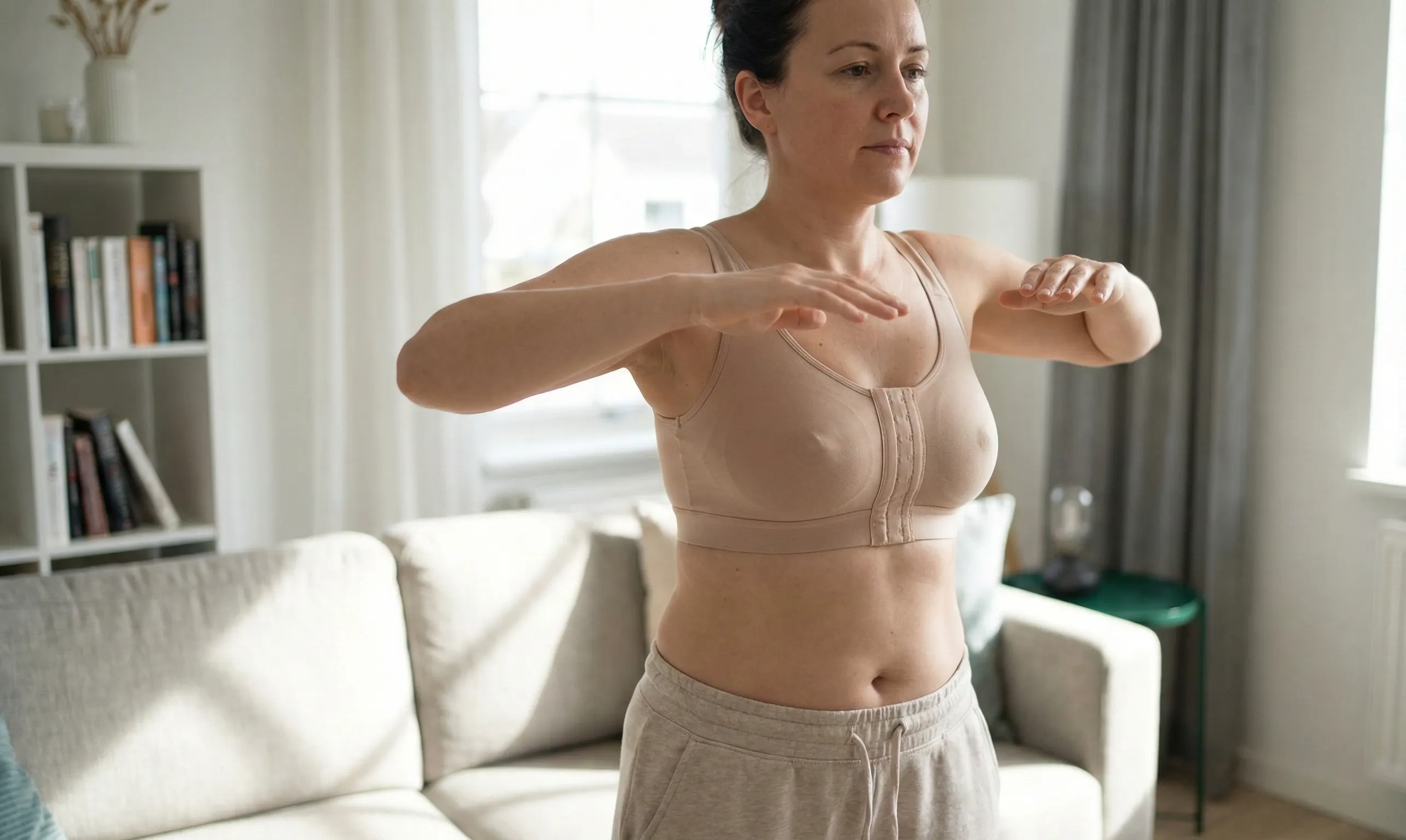
Some say that the pressure which the implant puts on the muscle will cause it to disappear (atrophy) completely. Actually, that is a misconception. The pectoral muscle does thin to a certain extent when it has stretched around the implant but neither it stops functioning nor losing its blood supply (vascularized). It is not going to die or evaporate. Some of the fitness models who have a submuscular implant can boast of having muscular and strong chests. The muscle has simply shifted to a different resting length. The same way muscles are stretched along pregnancy which is a similar scenario to this.
Breast Augmentation in Turkey
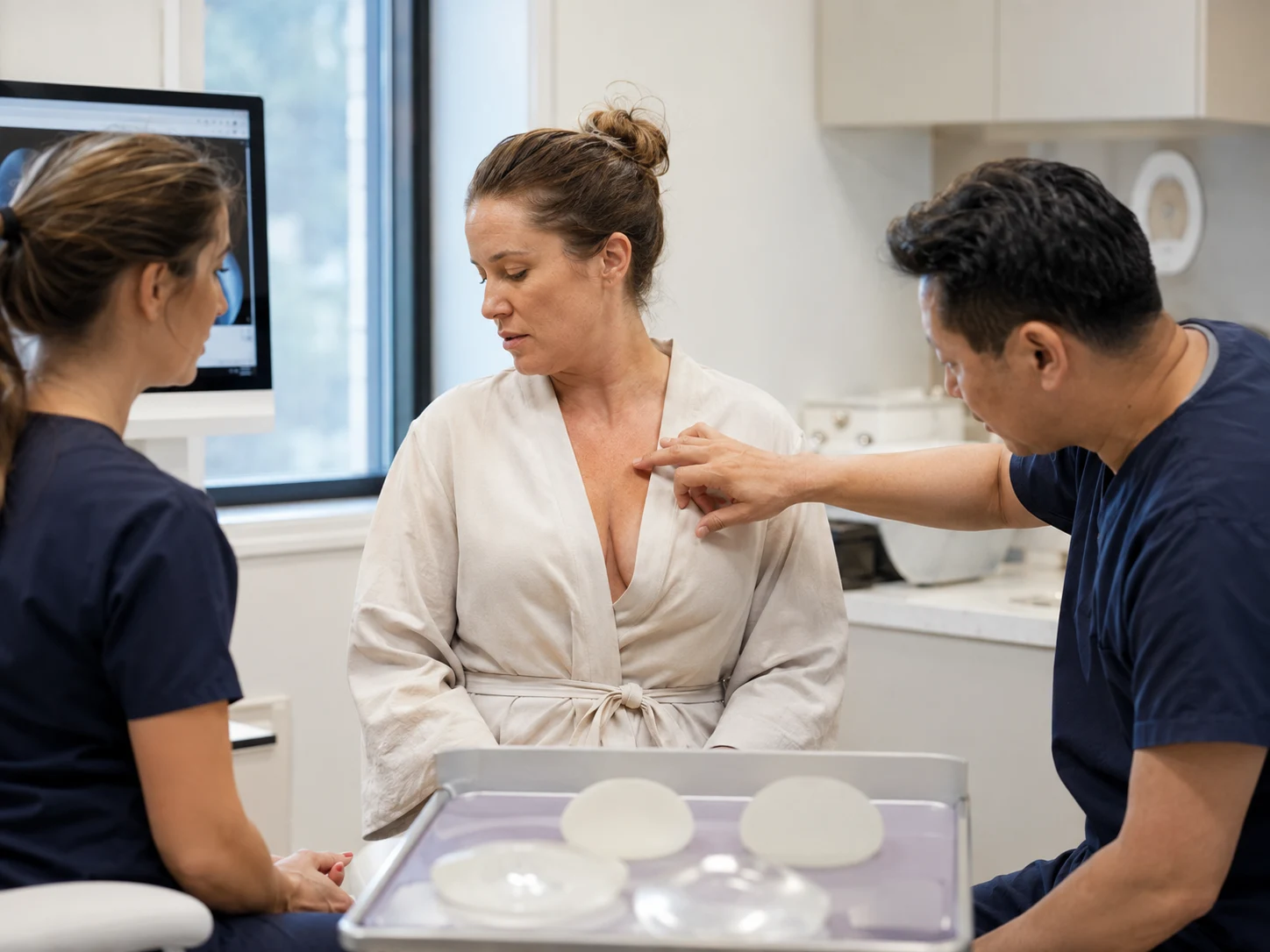
Lin Europe Clinic is your choice for breast augmentation in Turkey because your level of activity is the main driver of our surgical technique. During your consultation in Istanbul, we take into account fully your workout routine. Depending on whether you are a Pilates instructor, swimmer, or heavy lifter, we will consider altering the pocket dissection so that more muscle will be preserved.
You travel to Istanbul for a breast augmentation with the aim of getting back to moving fast and safe. We give you comprehensive post-operative instructions on how to stretch and mobilize the upper part of your body in a way that will not compromise the healing of your breasts. Our medical experts will guide you to be able to differentiate the "good pain" (muscle work) from the "bad pain" (implant pocket stress), strengthening your trust in the process. Lin Europe Clinic is the place where your new form enhances your strength instead of reducing it.
Frequently Asked Questions About Strength and Implants
References
Spear, S. L., & Baker, J. L. (2012). Safety of breast augmentation in athletes. Aesthetic Surgery Journal.
de Boer, R., et al. (2018). Macroscopic and microscopic analysis of the pectoralis major muscle in submuscular breast augmentation. Plastic and Reconstructive Surgery.
Tebbetts, J. B. (2002). Dual plane breast augmentation: optimizing implant-soft-tissue relationships. Plastic and Reconstructive Surgery.
Frequently asked questions
Will I be able to do push-ups again?
Yes, the majority of women are able to do full push-ups again after a period of 3 to 6 months. At first, it might feel unusual or tight, however, the strength comes back.
Does cutting the muscle hurt permanently?
Not at all. The muscle is repaired with scar tissue. You might experience some tightness, but it is rare to have chronic pain.
Should athletes get over-the-muscle implants?
In some cases, yes. If you have enough natural breast tissue to cover the implant, subfascial (over the muscle) placement is the choice for athletes to keep muscle integrity and prevent animation deformity.
Does the implant pop out if I flex?
For implants placed under the muscle, flexing can lead to the implant moving sideways or getting flattened (Animation Deformity). It doesn't "pop out", but the movement is visible.
Is it harder to do pull-ups after implants?
Pull-ups mainly engage the back muscles (latissimus dorsi), not the chest muscles. The stretching of the chest muscles during the hanging part might be a bit uncomfortable the first few months. However, functional strength for pull-ups is generally not affected.
This article is general information, not medical advice, and does not replace a consultation. Every procedure carries risk and outcomes vary from person to person.
Last reviewed 19 January 2026