
Yes, if ovaries are preserved.
In the specialized areas of reproductive endocrinology and study of gynecological tumors, a hysterectomy, the surgical removal of a woman’s uterus, is quite understandable that a patient would see it as the end of their hormonal life. But the truth is, things are not that black and white at all. It really depends on the extent of the surgery. When patients wonder if their body can still produce estrogen after a hysterectomy, we tell them that their body can definitely make estrogen if they still have ovaries. The uterus is an end organ; it reacts to hormones but does not manufacture them. The primary producers of estrogen are indeed the ovaries. Even the removal of the ovaries (oophorectomy) is not the end of estrogen for the body as there are secondary ways of estrogen production through the adrenal glands and conversion of androgens in fat tissue.
At the Lin Health Europe Clinic, we see hormonal balance as the most determining factor in your post-surgery quality of life. If you are one of our international patients coming to Turkey, we let you know that a hysterectomy doesn’t necessarily mean a hormonal void. We are a state-of-the-art gynecological clinic and one of our top priorities is ovarian conservation whenever it’s oncologically safe. This way, your body benefits from natural estrogen production for the longest time possible.
The Ovaries Are the Main Source of Estrogen
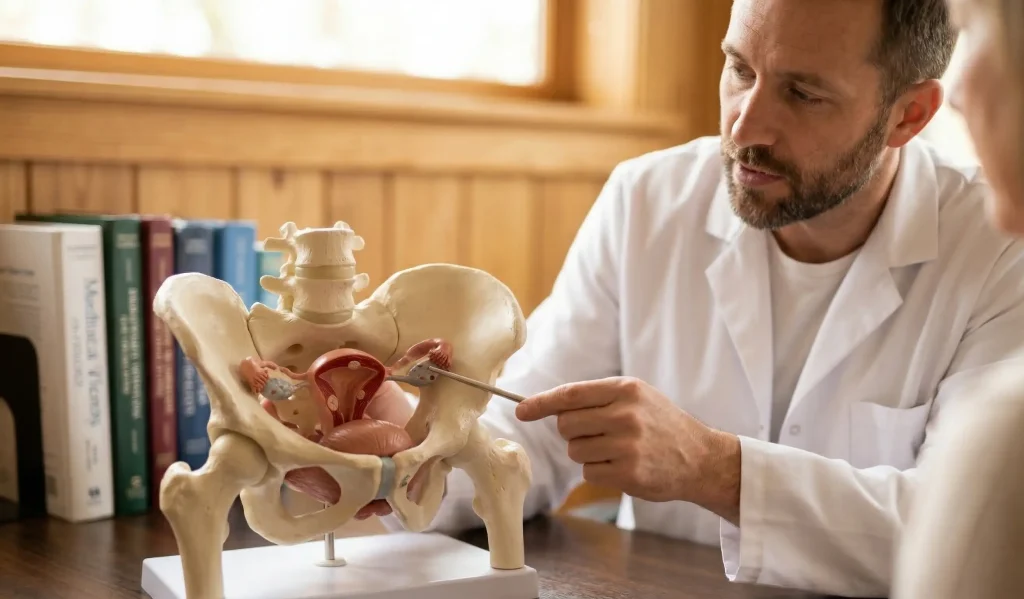
The biggest determinant of your estrogen levels after the surgery is whether you have only had a Total Hysterectomy (removal of the uterus and cervix) or a Hysterectomy with Bilateral Salpingo-Oophorectomy (removal of the uterus, tubes, and both ovaries). Your ovaries, if not removed, will keep doing their main job – producing estradiol (E2) in a cycle. The ovaries are regulated by the signals that the pituitary gland sends through Follicle-Stimulating Hormone (FSH) and Luteinizing Hormone (LH). Given that this “feedback system” between the brain and the ovaries is still functioning, your body will be producing estrogen at constant levels until menopause happens naturally.
At the Lin Health Europe Clinic in Turkey, we maintain ovarian function through nerve-sparing techniques as well as vessel-preserving ones. It is known that the uterine artery ligation can lead to early ovarian failure and our methods are the opposite of that.
The Adrenal Failure System: Steroidogenesis and Androgens
If a patient has to go through a bilateral oophorectomy and thereby “surgical menopause,” the body doesn’t immediately become estrogen-free. There is a secondary “reserve” system in human endocrine system – the adrenal glands. Located on the top of the kidneys, the adrenal glands manufacture androgens which serve as precursors to the synthesis of other hormones, namely Dehydroepiandrosterone (DHEA) and Androstenedione. These “male” hormones are stepping stones in estrogen synthesis. The production of small quantities of estrogen through the conversion of adrenal androgens in the body is a complex biochemical process known as steroidogenesis. This cannot counteract the symptoms of menopause such as hot flashes and bone loss, however, it maintains a minimal level of hormone functioning.
Our Istanbul clinic staff is well aware that a stressed or adrenal system that is not well functioning makes surgical menopause symptoms worse and that is why we always keep a close eye on this aspect.
Conversion of Androgens into Estrogens in the Fat Cells
The body’s adipose tissue (fat cells) is, perhaps, the most intriguing secondary source of estrogen. The process is called peripheral aromatization. Fat cells have the enzyme aromatase which can change circulating androgens into estrone (E1), a weaker form of estrogen. That is the reason why women that are on the heavier side, tend to have less severe menopause symptoms compared to the very slim ones, the adipose tissue working as a “mini-endocrine gland”, is capable of producing estrogen to fill the body’s decreasing supply. On the other hand, there are health risks associated with estrone, which is one of the reasons why the “good” estradiol that is produced by ovaries is better.
In Turkey, the Lin Health Europe Clinic medical team employs biometric high-precision mapping to understand your specific estrone to estradiol ratio, making sure that even post-hysterectomy, your hormonal profile is balanced to optimize your cardiovascular and breast health.
Could You Trigger Premature Menopause if Your Ovaries are Left In?

Despite the retention of the ovaries after a hysterectomy, there is a possibility of “ovarian shock”, also known as acute vascular disruption, a clinical phenomenon. The uterine artery provides part of the blood supply to the ovaries. When the uterus is taken out, this artery is cut off permanently. Besides the ovarian arteries, the ovaries also get their blood supply through the uterine artery. However, this sudden 50% decrease in blood flow may result in the ovaries going into temporary “shutdown.” This would cause them to “fail” a few years before their normal life span. This is the reason some women have hot flashes, vaginal dryness after a partial hysterectomy. Hormone levels should be checked regularly so as to detect declining ovarian function. Antimüllerian hormone (AMH), and FSH levels should be monitored for that purpose and that is what we do for our international patients in Istanbul.
HRT: When Nature Isn’t Enough
If the body’s other means (adrenals, fat cells) cannot produce an adequate quantity of estrogen to maintain the brain, heart, and bones, then Hormone Replacement Therapy (HRT) is the alternative. When the uterus is removed, there is no need for progesterone to protect the uterine lining, so the HRT is generally less complicated. Estrogen-only therapy is widely used in Turkey to bring patients back to a level of wellness that they can enjoy. This can be achieved either through the use of patches, gels, or pellets placed under the skin that allow for the natural, steady release that the ovaries once provided.
The Lin Health Europe Clinic‘s aim is that you are not the victim of the estrogen deficiency “brain fog” or fragility. We want you to realize that by knowing the source of your estrogen – whether from your ovaries or supplemented – you will be able to get your health and life back at the same time.
FAQ:
Yes, if you still have your ovaries, then the main source of estrogen production will still be there. But, if your ovaries have been taken out, even then your body won’t stop making estrogen completely. In fact, small amounts of estrogen will still be produced by your adrenal glands as well as by the fat cells present in the body in Turkey.
Once a hysterectomy is done and the uterus is removed, you cannot have periods as the implantation of blood that occurs after menstruation lining is shed is provided by the uterus which has been taken out. However, if your ovaries remain, you will go through your hormone cycle normally but without bleeding physically in Istanbul.
On a clinical note, undergoing labiaplasty before pregnancy is possible to address the issue of discomfort physically. But, it is much wiser to wait till after the children to get results done on the permanent anatomical baseline of yours. Our experts in Turkey offer tailored counseling for you to choose the best time based on your lifestyle and family wishes.
Adipose cells harbor the enzyme aromatase which has the capability of transforming the adrenal hormones i.e. androgens into a type of estrogen known as estrone. This “peripheral aromatization” offers a very important second hormone source for the women who have undergone a bilateral oophorectomy at our clinic in Turkey.
If your secondary mechanisms fail to produce sufficient estrogen, you may become aware of “red flag” symptoms that could include severe hot flashes, night sweats, vaginal dryness, and sudden mood swings. On the other hand, our team of experts in Istanbul might be able to help you with bio-identical HRT as a way of re-establishing your hormonal balance.
- Simpson, E. R. (2003). Sources of estrogen and their importance. The Journal of Steroid Biochemistry and Molecular Biology.
- Santoro, N., et al. (2015). Menopause: symptoms, periods, and hormone replacement therapy. Clinics in Chest Medicine.
- Labrie, F. (2015). All the estrogens and androgens are made locally in peripheral target tissues in postmenopausal women. Journal of Steroid Biochemistry.
- Manson, J. E., et al. (2013). Menopausal hormone therapy and health outcomes during the intervention and extended post-stopping phases of the Women’s Health Initiative randomized trials. JAMA.
- Parker, W. H., et al. (2009). Long-term mortality associated with oophorectomy compared with ovarian conservation in the Nurses’ Health Study. Obstetrics & Gynecology.