Depends on ovary removal and symptoms.
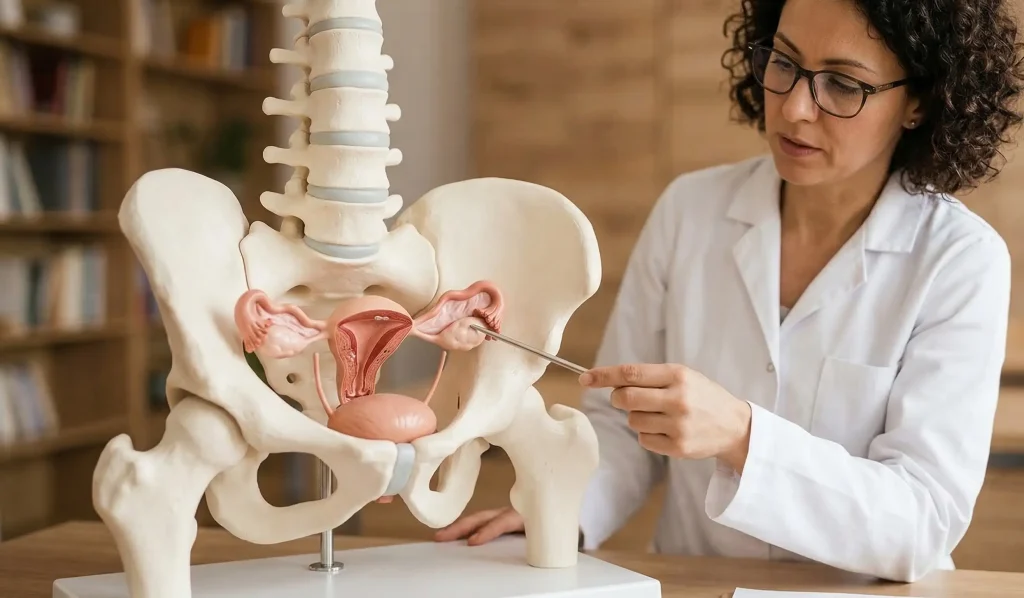
In the field of reproductive endocrinology and gynecological surgery, a hysterectomy or the surgical removal of the uterus, is a big surgery that can, in a large number of cases, lead to significant hormonal changes in a woman. The main deciding point as to whether Hormone Replacement Therapy (HRT) is required or not is the state of the ovaries at the time of the surgery. If the ovaries are removed (an oophorectomy) along with the uterus, the woman will experience the state of menopause surgically and suddenly, regardless of her age. When patients inquire about the way to determine their need for hormone therapy, the medical explanation lies in the body’s immediate reaction to the sudden stop of estrogen production. Those who keep their ovaries might have a more understated change; however, the interruption in the blood circulation caused by surgery sometimes results in an early or more severe decline in hormone production.
At Lin Health Europe Clinic, we believe that maintaining hormonal health is key to postoperative well-being. For our international visitors who come to Turkey to have surgery, we highlight the fact that HRT should not be thought of simply as a luxury but as a fundamental physiological element necessary for safeguarding bone, heart, and brain health. We are the leading center for progressive gynecological care with a preparation in medical excellence that uses top-notch biometric and hormonal tracking to figure out the precise dose, type, and schedule that would help to reestablish your inner balance and guarantee that your life after the operation is not just normal but full of energy and free of symptoms.
The Critical Distinction: Total vs. Partial Hysterectomy

Whether or not you need hormone therapy is fundamentally dependent on the organs that were removed during your surgery. Being clear about your specific surgical situation will help you to figure out your hormonal requirements.
- Hysterectomy with Bilateral Oophorectomy: Your body stops making estrogen, progesterone, and testosterone all over the body if you have both ovaries removed. The symptoms of menopause are expected to be intense and abrupt, taking place within 24-48 hours. If this happens, it is best to get hormone replacement therapy, especially for women under 50, to reduce the chances of getting osteoporosis and heart disease associated with a lack of estrogen.
- Hysterectomy with Ovarian Preservation: If your ovaries were left untouched, they should still be able to produce hormones. But since the uterus has been removed, the blood supply to the ovaries might be, to some extent, compromised. As a result, the ovaries might stop functioning earlier than they would have in a natural course. At Lin Health Europe Clinic in Turkey, our doctors and specialists keep their eyes on these individuals as they could still need low-dose HRT in case they start displaying outward signs of perimenopause after their postoperative recovery.
Identifying the “Red Flag” Symptoms of Estrogen Deficiency
One of the best ways to recognize if you need hormone therapy is to keep track of the “red flag” signs or symptoms that indicate estrogen deficit. The regulatory mechanisms of the body that govern temperature and nerve signals become so unstable when the level of estrogen dramatically decreases that the person can hardly function normally. Thermogenic symptoms, or in other words, very severe hot flashes and sweats at night that cause sleep interruptions, will be the first few notable ones. Changes in mood might be drastic as well.
Many women recall the time when “brain fog” sets in, along with such restlessness and, at times, irritation. Less known but very evident are changes to the urogenital tissues which may be why persistent vaginal dryness upsets women despite lubrication during intercourse and why sometimes pain continues to be the complaint. At Lin Health Europe Clinic in Istanbul, experts make it your point of strength to make you see these are not mere “side effects” that you must tolerate; rather, they are biological distress signals that call for endocrine intervention.
The Role of Diagnostic Blood Panels and Saliva Testing
Although symptoms may point you in the right direction, without the support of clinical tests, you cannot be absolutely sure whether or not you should be taking HRT. To operate on emotions or feelings can often result in a problem of either overdosing or underdosing; thus, here at Lin Health Europe Clinic, we put the greatest emphasis on data.
Our thorough blood panel measures your levels of Estradiol (E2), Follicle-Stimulating Hormone (FSH), and Luteinizing Hormone (LH). During menopause, FSH normally becomes very high as the brain is trying to get the ovaries to produce estrogen. We also check testosterone and progesterone because a properly balanced endocrine system is crucial in maintaining muscle and emotional well-being. Based on analysis of these biological markers, each patient can be supplied with a tailor-made hormonal replacement therapy that seeks native physiological levels rather than one that is standardized for most individuals.
Long-Term Preventive Health: Bone and Heart Protection

Discovering the need for hormone therapy is not only about dealing with immediate symptoms such as hot flashes; it is a matter of delaying and preventing serious skeletal and cardiovascular issues due to the absence of estrogen. Only when bone resorption prevails over bone formation (i.e., lack of estrogen) do we observe a drastic reduction in bone density (osteoporosis). Also, estrogen has a facilitating role in cardiovascular health as well. It is beneficial in maintaining both optimum blood cholesterol levels and vascular elasticity. Premenopausal hysterectomy is associated with a surprisingly increased risk for heart attacks and femur fractures among those who do not undergo HRT.
Lin Health Europe Clinic in Istanbul describes hormone replacement therapy as a “biological shield” because even if your symptoms can be managed, you will most probably still require this intervention in order to prevent the deleterious, hidden effects of premature menopause on both your skeletal frame and cardiovascular system.
Timing and the “Window of Opportunity”
Studies in the field of clinical endocrinology have traced a so-called “window of opportunity” concerning the beginning of hormone replacement therapy. The most effective protective effect of HRT on both heart and brain is seen when this therapy is started within ten years of menopause or surgical menopause.
The detrimental effects of neglecting hormone therapy post-hysterectomy upon the heart and brain are believed to be less pronounced if hormone therapy is delayed for a very long time. Hence, our push for early and proactive evaluation. In Turkey, the Lin Health Europe Clinic family helps you make this decision based on a thorough investigation with your personal and family medical history, taking into account any cases of breast cancer or blood clots, so that the options of patches, gels, or pellets are all weighed and preconditions for nightmarish transitions are put under control medically.
Hysterectomy in Turkey
Lin Health Europe Clinic believes that a hysterectomy should lead to a healthier and happier life and not to hormonal deficiency. The clinic we work in Turkey holds a very high standard of excellence to ensure you receive top-notch endocrine care in a context of world-class surgical care. It is JCI-accredited clinic that stand as a testament to our global leadership position in medical tourism and comprehensive women’s health.
By choosing Lin Health Europe Clinic, you are choosing the world’s best hands in terms of skills and diagnostic thoroughness in Istanbul. Our staff members, who are also internationally recognized experts, always keep your longevity and metabolic safety as their first priority for every patient coming from abroad. Starting from the moment you undergo biometrics and hormonal profiling until you return home completely balanced and without symptoms, you will be a witness to the combination of professional rigor and first-class hospitality that has made us the leading name in aesthetic and reproductive medicine. Your treatment of hormonal health and resurgence of vitality will be led by the world’s top practitioners when you choose us.
FAQ:
Menopausal symptoms such as hot flashes, night sweats, and vaginal dryness are the most reliable indicators. This is especially true if the ovaries have also been removed. Experts in Turkey perform a series of blood tests including FSH and estradiol levels to scientifically establish your need for hormone therapy.
It is absolutely safe to get a labiaplasty done before pregnancy to alleviate any physical discomfort. On the other hand, if the procedure is performed after a woman has children, the lingering anatomical changes post-childbirth will be accounted for in the surgery. Our lidustry experts in Turkey are well prepared to offer you a carefully thought-out plan on how to gear up for surgery in line with your family and lifestyle expectations.
Post-hysterectomy, if the ovaries remain, hormone replacement therapy (HRT) may not be required immediately since these organs typically continue to secrete hormones. On the other hand, it is advisable to be watchful for menopausal-like symptoms in Istanbul as surgery can sometimes cause the interruption of blood supply to the ovaries leading to premature cessation of their functioning.
After the removal of ovaries, estrogen deficiency significantly increases women’s risk of osteoporosis, cardiovascular diseases, and mental disorders. However, getting HRT done at our facility in Turkey acts as a crucial biological protection for your bones and the heart.
The answer is yes. Estrogen has a primary function in neurotransmitter activity leading to brain clarity and attention. Lots of our customers in Istanbul have experienced great depths of focus, they have better memories, and their emotional state has stabilized not long after commencing a natural hormone replacement regimen.
North American Menopause Society (NAMS). (2022). The 2022 hormone therapy position statement.
Santoro, N., et al. (2015). Menopause: symptoms, periods, and hormone replacement therapy. Clinics in Chest Medicine.
Shifren, J. L., & Gass, M. L. (2014). The North American Menopause Society recommendations for clinical care of midlife women. Menopause.
Manson, J. E., et al. (2013). Menopausal hormone therapy and health outcomes during the intervention and extended post-stopping phases of the Women’s Health Initiative randomized trials. JAMA.
Parker, W. H., et al. (2009). Long-term mortality associated with oophorectomy compared with ovarian conservation in the Nurses’ Health Study. Obstetrics & Gynecology.