They evolved from early experiments to modern, safe designs.
Early Attempts at Breast Enhancement

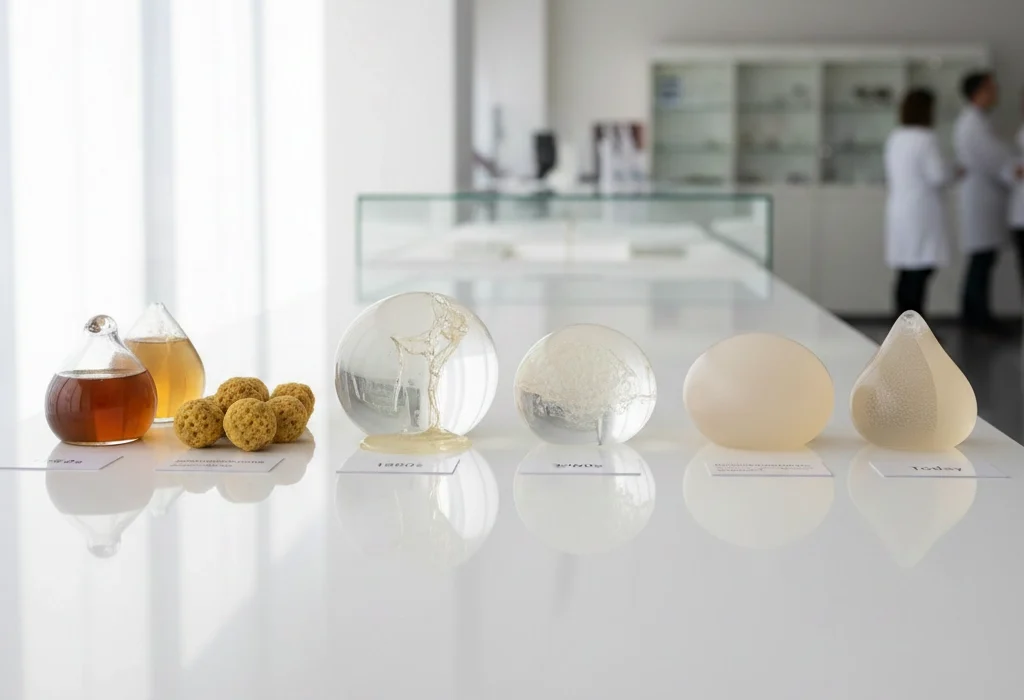
The very first attempts for the enhancement of breasts were made way before the existence of plastic surgery, and the methods used back then reflected how limited the medical technology was at that time. Parasffin, ivory, sponge and even glass balls were some of the materials surgeons explored for implants which were not stable for the long run. These substances were not the body’s biological needs and caused complications since they didn’t have proper implant shells, sterile surface coatings, or standardized surgical placement techniques. You can understand how the early coming generation as excellent technology tried to satisfy patients’ needs with the best tools available for that era, even though these tools could not really meet today’s safety standards.
With the advancement of scientific knowledge, medical researchers studied the need for material that are biologically compatible and safe for soft tissue. They researched tissue response, infection prevention, and structural stability to understand the behavior of foreign materials inside the body. Doctors realized that an implant must have a controlled surface, a sterile design, and a regulated manufacturing process to be safe. This era has shaped the way breast implants have been developed since it involved the foundation of trial, observation, and gradual refining. You get to know more about the safe technology of today’s implants through the early efforts which pointed to further progress.
The First Silicone Breast Implants
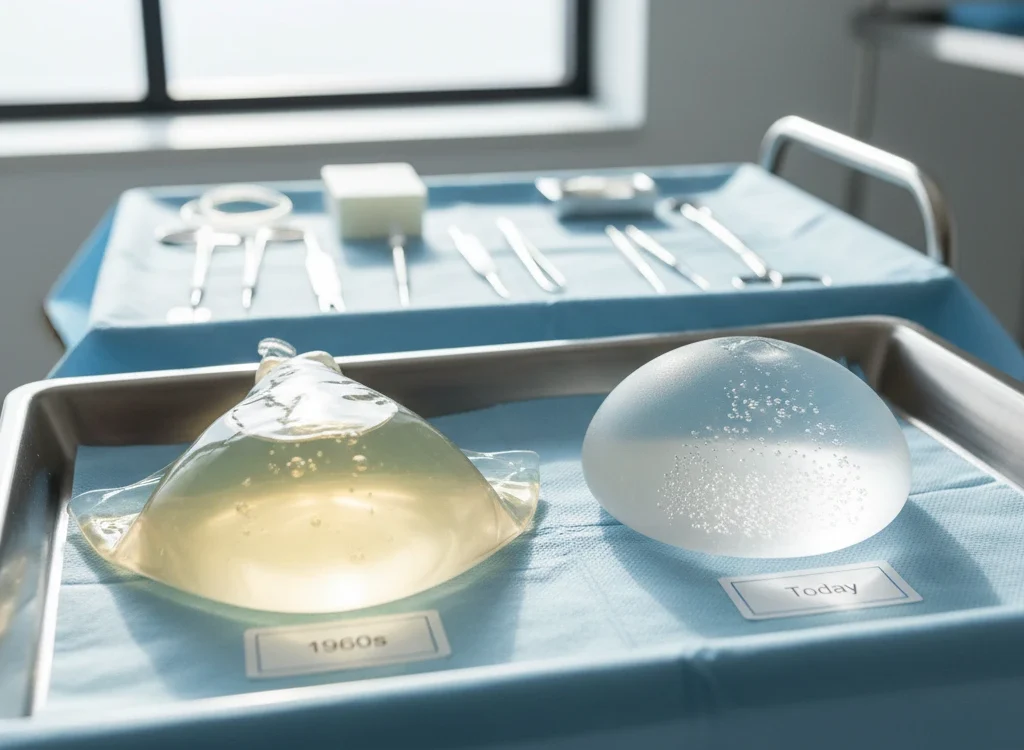
The first silicone breast implants came into existence in the early 1960s and it was what led the way to modern breast augmentation. The doctors presented a device comprised of a silicone elastomer shell filled with silicone gel, thus a method closest to the look and feel of natural breast tissue was achieved than anything used before. This innovation changed what patients expected because it promised longer shape retention, better comfort, and a more predictable result. You can see how this was a big turning point in aesthetic and reconstructive surgery as it gave women a safer option along with a medically researched design.
Following the initial silicone implant operations, doctors tweaked their surgical planning and techniques of operation to make them more comfortable and stable. They studied new places for incisions, ways to implant pocket placement, and means of soft tissue support. In the same way, researchers depended on the results of the long-term to understand how the silicone gel responds to the body, temperature, and tissue pressure. These first years were a testament to the safety of implants being the result of continuous research, clinical observation, and patient feedback. By gaining knowledge about this history, you get to be more confident of the progress breast implant science has made.
Advancements in Implant Materials and Design
The matter and design of the implants became much better when the manufacturers looked for the more durable and biologically compatible alternatives. One of the most important innovations was cohesive silicone gel because it can keep its shape even when pressed, thus it helps to keep the shape of the implant and reduces the risk of the gel moving. You receive advantages from these cohesive gels as they facilitate natural movement, provide stable contour, and deliver predictable long-term results. The saline implants also went through changes to include better valves and shell constructions that minimized leakage and increased reliability.
The implant shells were also improved by better engineering. Today’s shells comprise the reinforced layers that are constructed to be durable over a long period while they are gentle to the soft tissue. Several surface textures have been created to support tissue integration or to slow down movement in certain clinical cases. The doctors now check the width of the chest, thickness of the tissue, symmetry, and implant profile to determine the right design. With the help of these devices that have been tested and proven through scientific evidence, your surgical team can use the improvements to generate a result that fits your goals and anatomy.
Regulatory Changes and Safety Improvements
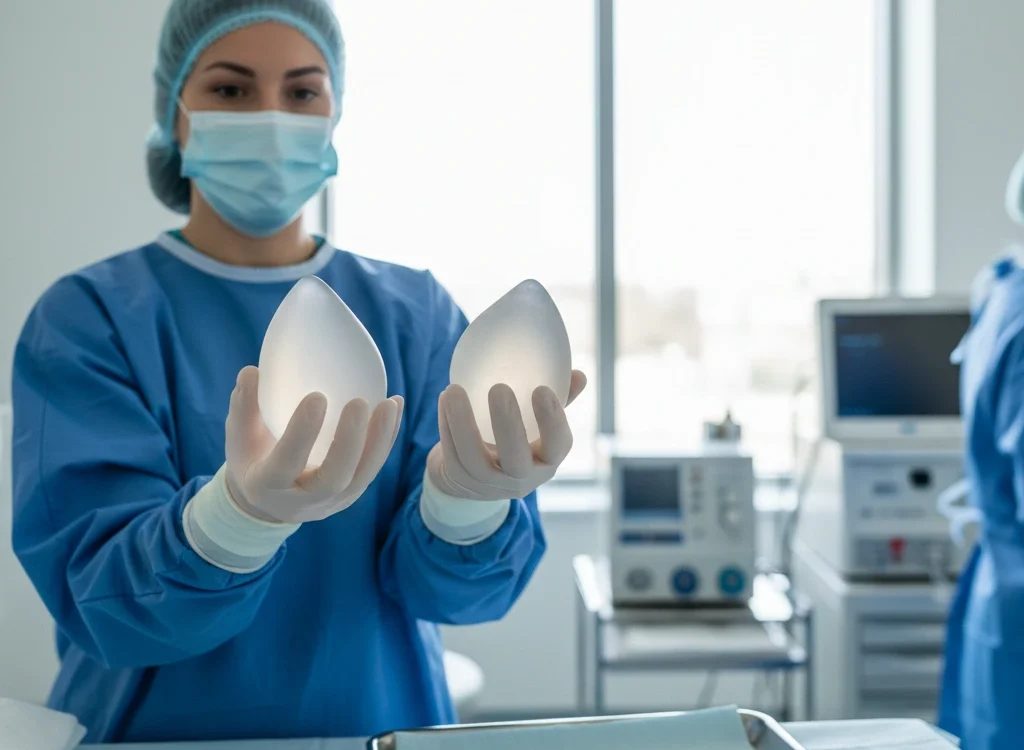
The regulatory systems played a huge role in breast implant development when they started imposing very high standards on testing, documentation, and patient safety. The U.S. FDA, the European CE authorities, etc. are some of the agencies that came up with the rules that the manufacturers have to abide by before they can release their product for clinical use. The regulations require the performance of different kinds of tests and studies such as durability testing, biocompatibility studies, gel integrity analysis, and manufacturing process documentation. This organized regulation is very beneficial to you as it is the main reason that implants are done in accordance with safety standards that have been validated and backed by scientific data.
Moreover, regulations have also been an impetus for surgeons to base their practices on methods that are backed by evidence and keep high standards of professionalism. Medical societies have taught the surgeons to use accurate anatomical measurements, soft-tissue analysis, and risk assessments when evaluating patients. These procedures enable your surgical team to determine the safest implant size, shape, and location for your body. The surgeons ensure that a procedure brings them long-term support and they are comforted as well. The regulatory advancements not only shield your health but also give the aesthetic field the leeway to develop further in a responsible manner.
Modern Breast Implant Technology
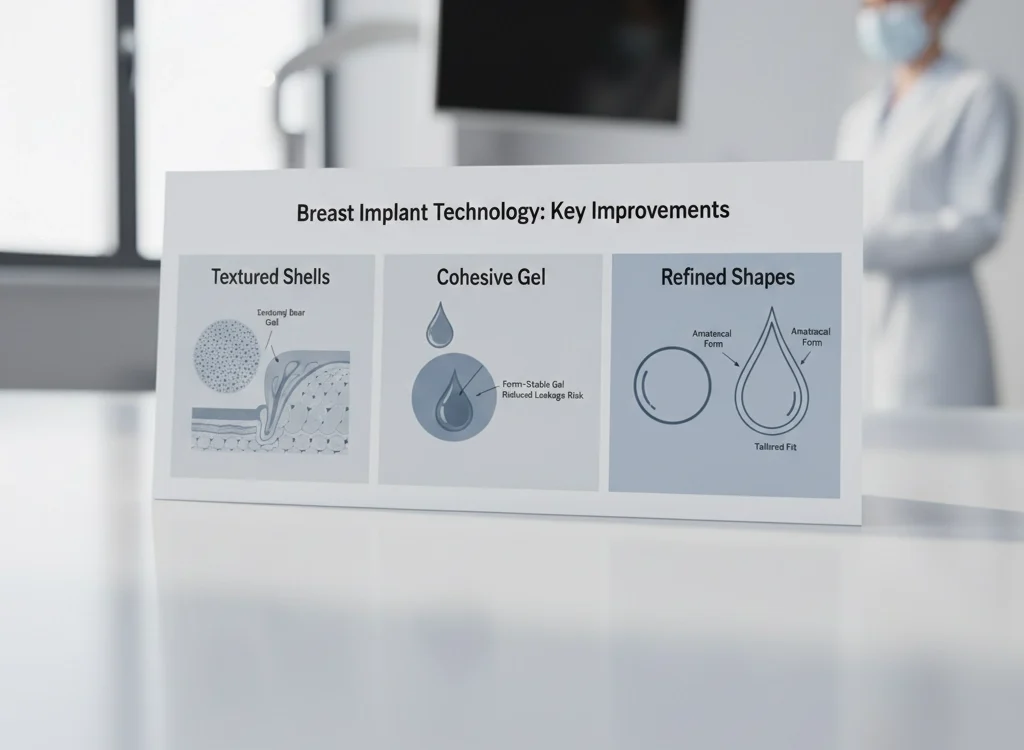
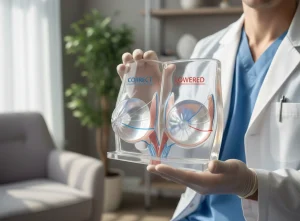
Nowadays, breast implant technology is a combination of advanced engineering, biocompatible materials, and clinical research that aims at easy and safe patient care with predictable results. Presently, cohesive silicone gel has several levels of firmness between which the doctor can choose the one that is most compatible with the patient’s tissue and goals. The doctors also improved saline implants by controlling the fill valves and structuring the internal chambers in a way that allows the natural movement to be preserved. With the coming of these developments, you can have access to comfortable and reliable options that do not compromise everyday activity.
Presently, surgeons employ 3D imaging, anatomical mapping, as well as digital planning in coming up with a treatment plan tailored to their patients’ safety and needs. These instruments assist your team in assessing soft tissue volume, chest width, and aesthetic proportion with great accuracy. They permit the surgeon to identify the most suitable placement technique and implant profile. At Lin Europe Clinic, this advanced planning stage is a way through which each decision supports your long-term health, confidence, and well-being. You get care that is predicated on science, technology, and skilled experience.
Future Trends in Breast Implant Development
The next step for breast implant development will focus on interactions that are very biocompatible, better structural performance, and a range of possibilities arising from material science. The team of researchers are investigating different surface treatments that both lessen inflammation and resist bacteria from finding a hold. The surfaces may eventually be the ones which interact with the soft tissue gently, thus comfort is high and complication risk is low. Maybe you will soon see implants with the adaptive flexibility that behaves naturally during physical activity.
In addition, engineers are keen on the use of intelligent substances that very closely simulate tissue mobility and at the same time, provide more robust without giving any extra weight. One experiment inspects the bioengineered gels which have features such as enhanced memory of shape and long-lasting durability. The objective is to come up with implants that are even more in harmony with the human body and can keep up consistent performance for a long period of time. These are the terms of the promise to patient safety, comfort, and personalized outcome which the company continues to keep.
Breast Implants in Turkey
Turkey is praised for the facilities that are required for advanced medical care, the surgical teams that are well trained, and the care systems that are all integrated which are the factors that bring about high-quality breast implant operations. The clinics have a clean environment due to sterilization being done with precision, take implants from well-regulated sources, and carry out surgical operations which are based on the latest findings of medicine. You get the most out of this setting when every step of your care is carried out according to medical guidelines that are in line with international standards.
At Lin Europe Clinic, your surgical journey is complete with evaluation before the operation, implant selection, surgery, and follow-up. This organization is the main factor in creating predictable results, enhanced comfort, and support for a long time. The integrated style of the clinic is the main factor in helping you bring back your shape or fix the previous problems with ease. Safety, accuracy, and patient contentment are the key features of a system that you can put your trust in.
References
American Society of Plastic Surgeons. (2023). Breast implant trends and patient safety guidelines.
U.S. Food and Drug Administration. (2022). Breast implant medical device regulations and safety updates.
Brown, M., & Hartley, A. (2021). Evolution of silicone implant technology in aesthetic surgery. Journal of Aesthetic Medicine, 18(4), 210–218.
Chung, K., & Morrison, S. (2020). Advances in implant design and cohesive gel materials. International Journal of Plastic Surgery, 27(2), 95–104.
European Committee on Standardization. (2023). Safety standards for breast implant manufacturing and clinical use. Brussels, Belgium.
Frequently Asked Questions About the History of Breast Implants
Initially, breast implants came into existence in the early 1960s using silicone gel technology that allowed natural shape and soft tissue compatibility. These products gave the first structured design and led to further innovations in implant engineering.
Implants evolved with new gels, better shells, and a greater focus on safety through testing. These changes made the implants safer, more durable, and capable of producing more natural-looking results.
Present-day implants adhere to very strict scientific and regulatory standards that ensure consistent performance. Today, you get implants made from cutting-edge materials that have been tested for their longevity.
The first implants comprised silicone gel, saline, and filler material that later was found to be unsafe and was not subjected to the testing that we now know. With the present-day cohesive silicone gels and the reinforced shells, we can talk about improved reliability and comfort.
Regulations set up the different stages for testing, rules for production, and clinical directives. These mechanisms ensure the safety of the patients by confirming that each implant comes with the approved safety standards.