
Liposuction is frequently the go-to procedure for body contouring, with fat removal from the most stubborn areas making the difference. Nevertheless, it does have its own list of risks and possible side effects along with any other surgery. Patient safety is a priority at Lin Health Europe Clinic in Istanbul. Hence, our team of professionals first makes individuals aware of the full range of the procedure — including the side effects — and then they decide what they want.
Despite the fact that liposuction is generally viewed as safe when done by a competent surgeon, patients should be prepared for the various short- and long-term side effects of the surgery, including the recovery process, and they should also know how to deal with them. The purpose of this article is to thoroughly acquaint liposuction side effects thoroughly with the help of which patients may confidently make informed decisions.
Comprehending Liposuction and Its Side Effects
Liposuction is a plastic surgery that employs a suction method to remove excess fat from the most common areas such as the stomach, thighs, or arms/fat graft. Though it is a method that can dramatically change the body shape, liposuction is still a procedure that carries some risks in place. Acknowledging the common manifestations of the disease and possible severe complications will be the right conduct for any person facing this decision.
Moreover, the severity of side effects is dependent on various factors, such as the volume of fat extraction, the method of operation, the site of the procedure, and overall health condition. Here at Lin Health Europe Clinic, we take great care to cater pre-operative guidance to the needs of each patient which consists of anticipating risks, as well as taking preventive actions to ensure safety during the surgery.
Common Short-Term Side Effects of Liposuction
Liposuction patients usually face some side effects that they had not expected after the operation. These side effects mostly denote the beginning of the treatment period and can be found in the first few days. Over time, usually in a few weeks, they get better and sometimes completely disappear.
Common short-term side effects include:
- Swelling: Swelling follows the surgery steps and when it is at its top, is within the first 48 hours. Although the swelling can stay for several weeks, it is mostly very soft and gradually getting less as the body is healing.
- Bruising: Liposuction is usually followed by bruising that is more severe in the treated area. Two weeks of bruising is the maximum after which the black color gets lighter and it virtually disappears.
- Pain or Discomfort: Most patients have a painful feeling though it is light or moderate in intensity. It is completely under control with the help of prescribed medications. Usually, the pain gets less as the healing process moves on.
- Numbness or Tingling: Small numbness or tingling sensations sometimes appear in the area of incision of a few patients. These phenomena are short-lived because of the nerves’ recovery and growth.
- Fluid Drainage: The release of fluid from the wounds is a normal occurrence especially if it takes place only the first 24-48 hours after the operation. It is part of the body’s renewal process and is usually temporary.
Though these symptoms may be disturbing, their intensity is usually low and they go away with the correct treatment. Besides, the compression garments that patients wear are also very important because they not only reduce swelling but also give the healing process more speed.
Rare but Serious Side Effects to Be Aware Of
Though liposuction is generally a safe procedure, there are a number of rare side effects of the utmost seriousness patients’ awareness of which will make sense. The latter are not common, but a patient needs to know them to be able to properly participate in the decision-making process.
Rare and serious side effects may include:
- Infection: Infections are the issue caused by bacteria that may enter the body through the incision sites, however, this is a very rare case. To minimize the infection risk, a patient is highly recommended to strictly follow all the post-operative care instructions and attend the scheduled follow-up appointments.
- Blood Clots: As a rare occurrence, a patient may develop blood clots after surgery as a result of being immobile for too long. If blood clots become detached and travel to the lungs (pulmonary embolism) or heart (heart attack), they can be fatal.
- Skin and Contour Irregularities: There are cases reported that after liposuction, uneven fat removal lead to the appearance of bumps or depressions of the skin in the treated area. The probability of this event is increased if the work is done improperly or if the patient’s skin has low elastic properties.
- Organ Puncture: Considering an incalculably minuscule possibility of puncturing one of the internal organs during the surgery, this is the risk. The occurrence of this hazard is lowered when the doctor is skilled and adheres to the guidelines.
- Nerve Damage: The possibility of nerve damage happening with liposuction is among the rarest cases. As a result, the person will suffer from the temporary or permanent inability to feel or experience numbness in the treated spots.
These severe side effects are infrequent to the point that they occur with very low frequency. In particular, this is especially the case when liposuction is carried out by a skilful and competent surgeon, similar to the ones at Lin Health Europe Clinic. It is through proper preparation, correct surgical techniques, and postoperative care that one is able to reduce their chances of being hit by the above risks.
How to Reduce the Risk and Ensure the Safety of Liposuction
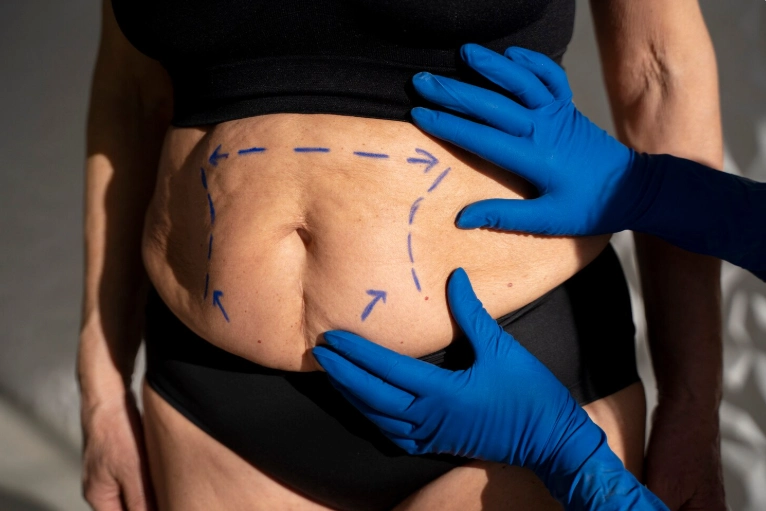
You can take several measures to reduce the possible risk of liposuction and ensure the best outcome:
1. Select a doctor with qualifications:
Be sure that your doctor is certified by the board and has performed liposuction several times successfully. The staff at Lin Health Europe Clinic includes highly trained specialists, who are not only good but the best in performing body contouring surgeries and thus bringing the likelihood of complications to near zero.
2. Practice pre-operative care:
The doctor who will operate on you will give you precise instructions that you must absolutely follow before the operation. These can be limitations concerning eating, drinking, smoking, and the use of certain medications. Your body will be fit for the operation with less risk of complications if you perform these tasks.
3. Follow the guidelines for post-operative care:
All post-operative measures are not less important as well. The use of pressure garments, elimination of heavy works as well as going for the scheduled doctor görüşleri will not only accelerate the healing process but also lower the likelihood of complications.
4. Live a good lifestyle:
Ultimately, you have to eat healthily and engage in regular physical activity if you want the results of liposuction to last. Thus, you will be able to control your weight and the fat stored in the unworked areas will not be released.
In case you follow these directions you will be able to lessen the chance of side effects and to make your liposuction results last longer and look natural.
Liposuction Recovery and What to Expect
Liposuction recovery is not the same for every patient and most people, however, can resume light activities within a few days. But, the full recovery period is capped at a few weeks, when according to doctors’ advices, patients should abstain from doing heavy physical activities. Below is a recovery timeline:
- First 48 Hours: Patients may encounter discomfort, swelling, and mild bruising. These are typical side effects of which the pain can be managed by medications that the doctor prescribes.
- 1 Week: The swelling and bruising will probably be at their highest and then start to fade. Patients are usually allowed to return to work or routine activities in a time span of 7–10 days. They are, however, advised against doing vigorous exercises.
- 2–3 Weeks: Part of the swelling helps to lose, and the body begins to accept the new shape. The majority of the patients can get involved in moderate physical activities at this point.
- 3–6 Months: By this time the liposuction side effects have completely resolved, and the body remaining is the final result.
Strictly following your doctor’s directions as well as showing up for the appointments when due will let you keep track of the healing and be sure that you get the highest results.
What to Keep in Mind
In effect, liposuction is a safe and efficient method for body sculpting and fat getting rid of, but thankfully it would be helpful to know the symptoms that show up more often, as well as those that happen rarely. Being operated on by a certified surgeon and by yourself strictly following the doctor’s directions before and after surgery, you are very likely to both minimize the hazards and obtain the benefits of an aesthetically more appealing and self-confident you.
In Istanbul, at Lin Health Europe Clinic, the team of surgeons and medical professionals has the skills and are committed to performing effective and safe liposuction, as well as ensuring that every patient has a good and comfortable recovery.
References
- Klein, J. A. (1990). The Tumescent Technique for Liposuction Surgery. American Journal of Cosmetic Surgery, 7(4), 263–267.
- Matarasso, A. (1995). Abdominoplasty and Abdominal Contouring. Clinics in Plastic Surgery, 22(3), 431–450.
- Shiffman, M. A., & Di Giuseppe, A. (2006). Liposuction: Principles and Practice. Springer. ISBN: 978-3540291475
Frequently Asked Questions About Liposuction Side Effects
Common side effects of liposuction include swelling, bruising, discomfort, and temporary numbness in the treated areas. These effects are usually short-term and fade within a few weeks with proper care.
Although rare, serious risks such as infection, blood clots, or organ punctures can occur. These risks are minimized when the procedure is performed by an experienced surgeon in a reputable clinic.
You can minimize side effects by following pre- and post-operative care instructions, wearing compression garments, and avoiding strenuous physical activity. Attending follow-up appointments and maintaining a healthy lifestyle will also support a smooth recovery.
Swelling after liposuction typically peaks within the first 48 hours and gradually decreases over the next few weeks. Most swelling resolves in 3–6 weeks, though it can take up to 6 months for final results to show as the body adjusts.
Yes, bruising is a common side effect after liposuction, especially in the treated areas. It usually fades within 1–2 weeks, depending on the amount of fat removed and the individual’s healing process.
In the rare event of complications, such as infection or severe swelling, it’s important to contact your surgeon immediately. Prompt medical attention ensures that complications are managed and the recovery process remains safe and effective.