What Body Part Is Most Painful to Liposuction?
Medically reviewed by Op. Dr. EmrePlastic and Aesthetic Surgeon
The abdomen is often the most painful area.
Pain tops the list of fears for anyone thinking about surgery. You certainly want the end results—the flat tummy, the beautifully shaped waist—but you are probably scared stiff of the recovery. Friends of friends may have told you some scary stories, or you may have come across conflicting reports on forums. The fact is, liposuction pain is rarely described as sharp or excruciating; in fact, patients most of the time compare it to a deep, intense muscle soreness, somewhat similar to the feeling after running a marathon untrained.
Still, some body parts are more sensitive than others. The answer to "Which part hurts more?" is usually considered a tie between the Flanks (Love Handles) and the Calves/Ankles. At Lin Europe Clinic, we advocate for truthful communication and diligent preparation. Understanding why certain parts of the body hurt more will mentally prepare you and help you find the appropriate support for your recovery.
Most Painful: The Flanks (Love Handles)
If you look at what the doctors and the patients say, you will find that almost every time the flanks are mentioned first. There are two major anatomical explanations that support the above statement:
- Fibrous Fat: Fat on your lower back and sides is much denser and more fibrous than the loose fat on your stomach. To remove it, the surgeon has to apply more physical force to the breaking down of the connective tissue. More manipulation means more inflammation and bruises.
- Movement: The core, which includes your sides, is used in almost every movement we do. To get up in bed, to turn around grabbing a glass of water, or even to laugh you use the flank muscles. Because these muscles can never be turned off for rest, they will remain sore even after long periods.
The "Gravity" Effect: Calves and Ankles
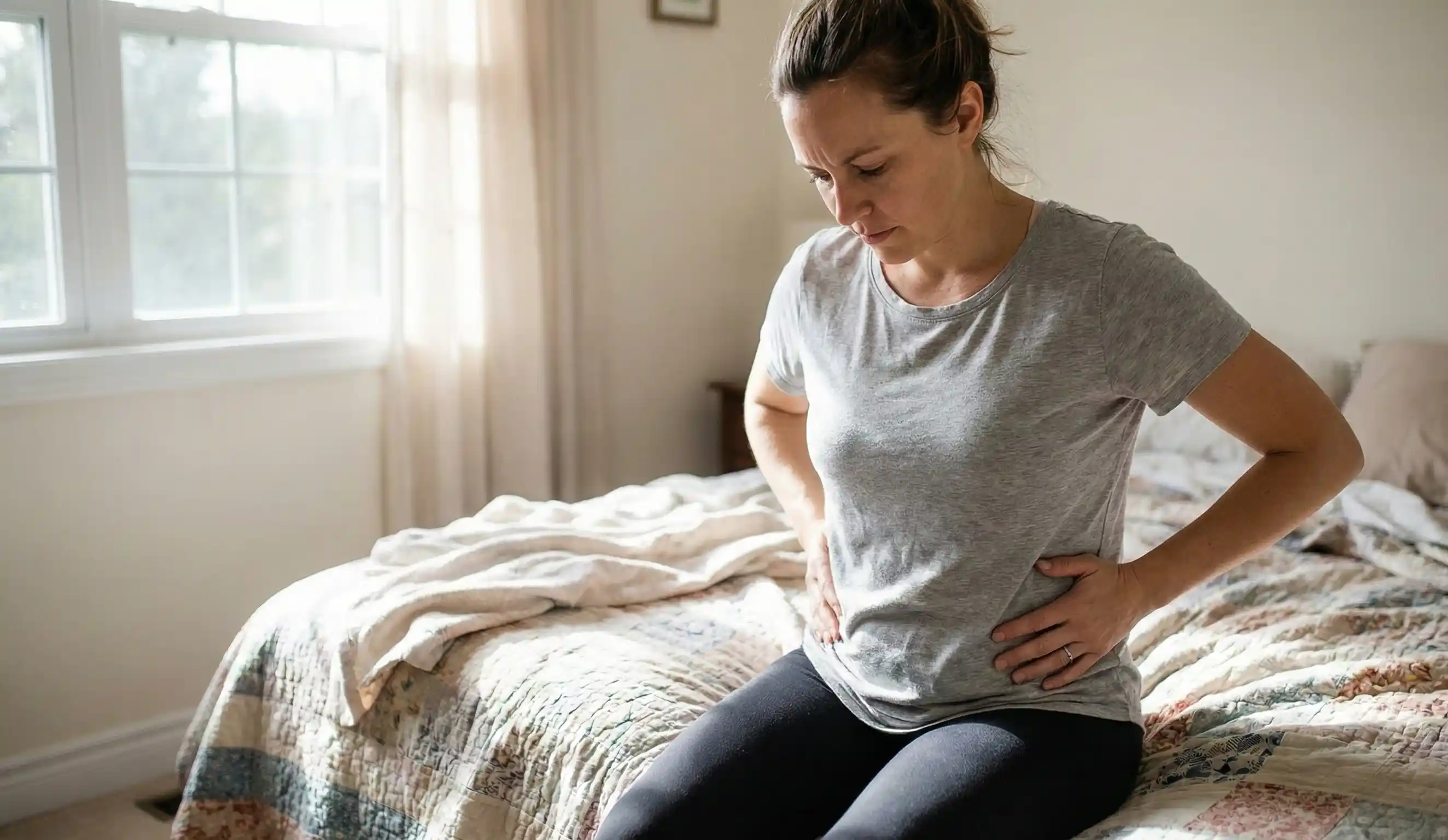
Liposuction of the calves and ankles (often done to treat lipedema or "cankles") is surprisingly painful but for a different reason: Gravity. When you remove fluid from the body, it tends to collect where gravity best allows it to flow. Besides the legs, it means that there is no place lower than the feet where fluid can go. The skin is already stretched and the fluid now applies pressure on it.
What follows is blood rushing to the area, which will be painful in case you suddenly get up after lying down for some time. While the procedure lasts only a few minutes, patients have to adjust to the post-operative period when they need to maintain the legs in an elevated position for quite some time.
The Least Painful: The Abdomen
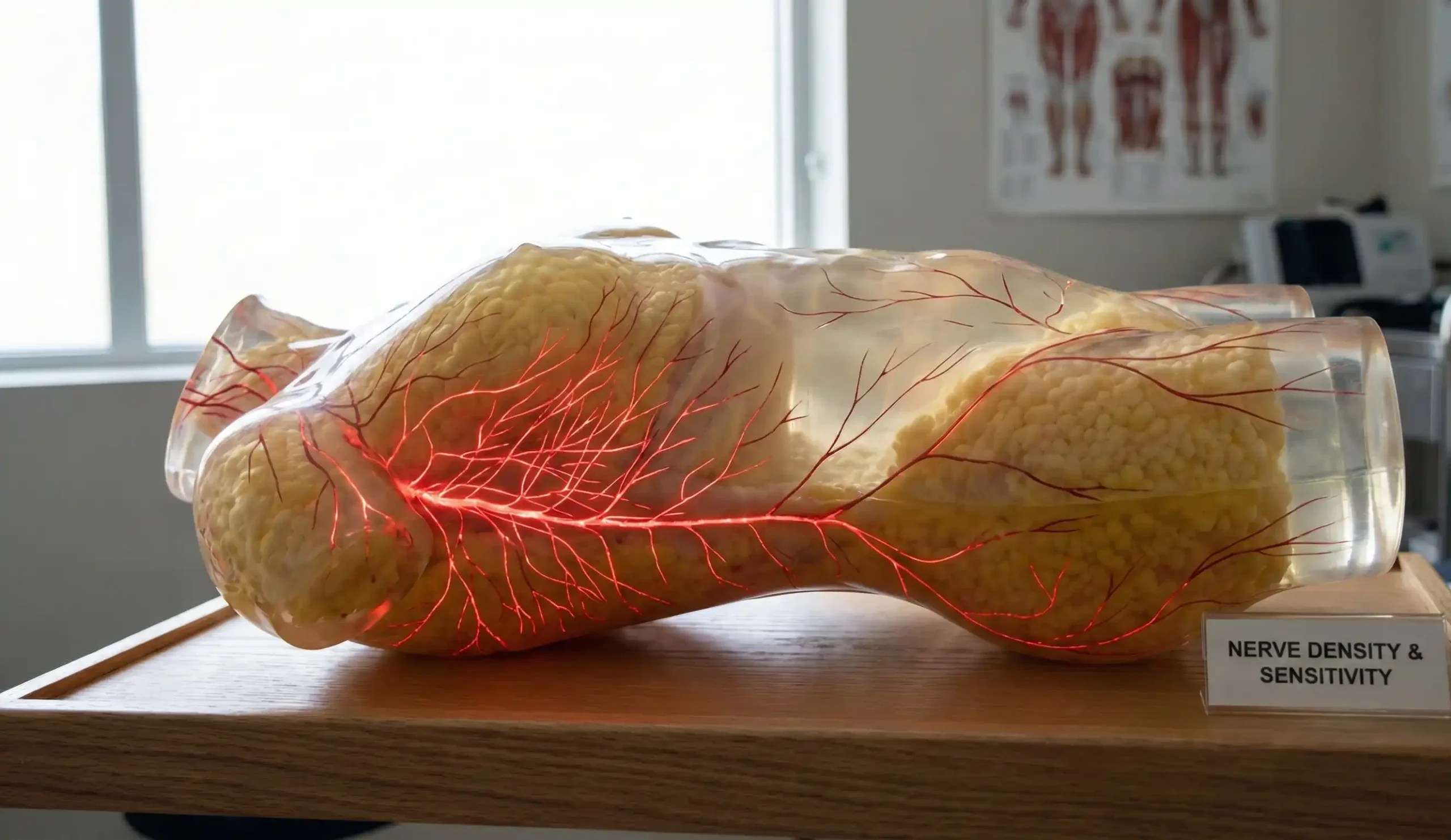
Your tummy can be quite rough to touch but if you compare the flanks, it surprises you in terms of manageable pain. This is due to the fact that post-surgery, the skin of the abdomen often gets temporarily numb because of the superficial sensory nerves being cut.
You might feel stiff and bloated but the pain is often significantly reduced because of this numbness. A lot of people say that their tummy feels "strange" or "tight" but not that it hurts a lot. However, if the procedure includes abdominal muscle repair (Tummy Tuck) the pain level goes up by two times—but without it, the stomach area is quite forgiving.
The "360" Factor
You have to bear in mind that Lipo 360 (Stomach + Flanks + Back) is significantly more painful than just a single area. Apart from the physical discomfort, when you do the whole circumference of the torso, you will find it really difficult to rest. You cannot sleep on your belly and if you lie on your back, the sore flanks will get pressed. Such sleepless nights, with turning from one side to the other, are what makes you feel exhausted and uncomfortable.
Vaser Technology: Less Trauma, Less Pain
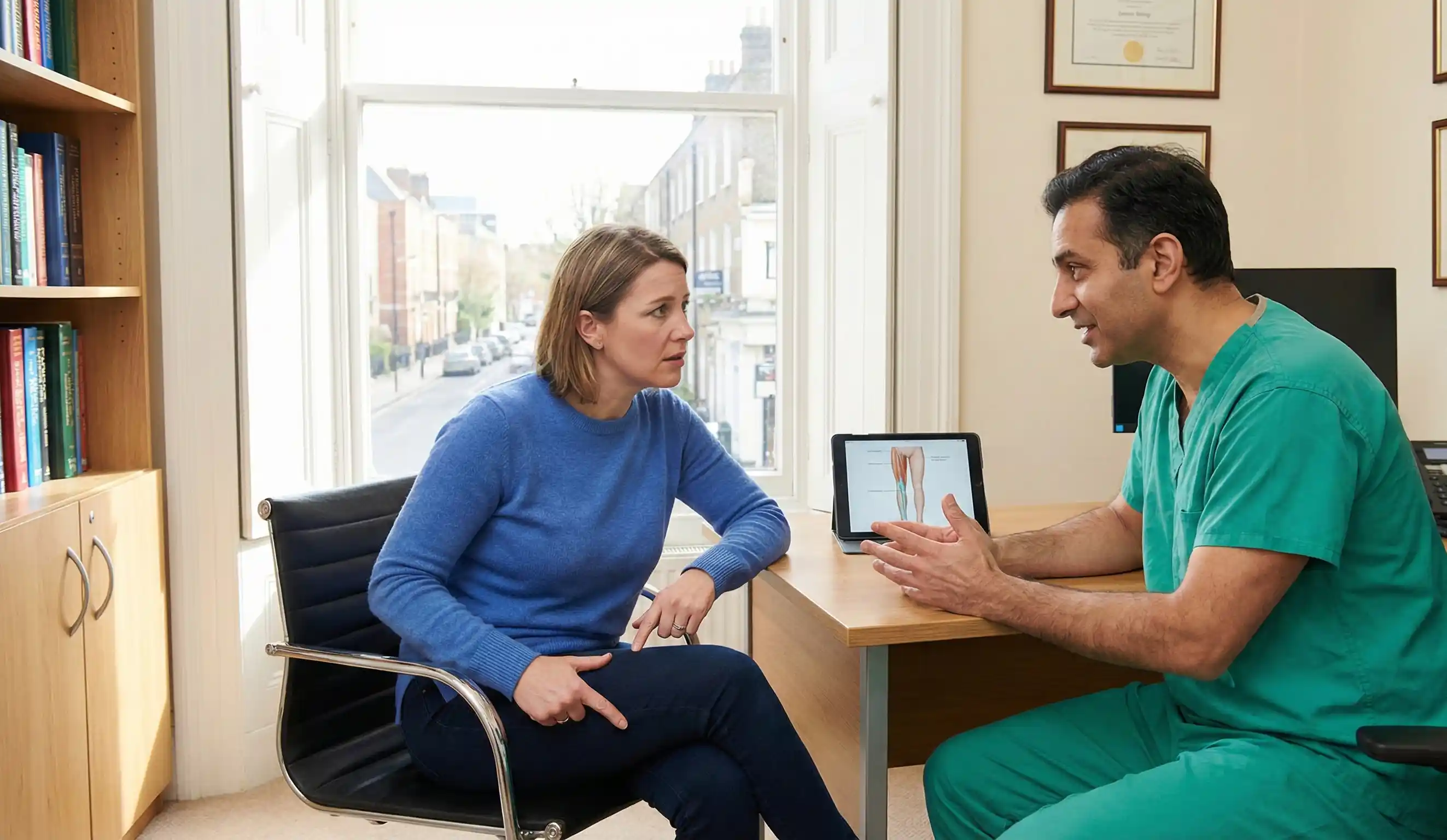
Not only does the tool employed say a lot about it being liposuction but also it defines the extent of trauma of the operation.
Lin Europe Clinic offers Vaser Liposuction. VASER uses ultrasound energy to gently liquefy the fat before suctioning it out. This means that the scraping of the flanks through fibrous tissue is no longer necessary. The damage to vessels and nerves is minimal since the fat is gently liquefied and not scraped out. This also reflects in less bruising and pain after the operation. What used to be "9/10" pain with a normal lipo is turned into a manageable "4/10" soreness with VASER.
Dealing with the "Faja" (Compression Garment)
Ironically, many patients find that the most painful spot of the whole liposuction is not even one of the incision sites but the compression garment (faja).
You have to wear that ultratight corset night and day. It has a way of digging into your armpits, rubbing your skin, and feeling suffocating. Nevertheless, it is also your main helper in pain management. The compression prevents the loose skin from coming up and thus the tissues aren't jostled when you move. Most patients end up having a "love and hate" relationship with their faja: they hate putting it on, but they scream when it is taken off.
Liposuction Recovery in Turkey
Choosing Lin Europe Clinic for your liposuction in Turkey means that you get a clinic that is serious about pain management. The clinic is not just giving you painkillers and sending you off to a hotel to figure it out on your own. The surgery is done under the influence of long-acting local anesthetics that are injected during the operation. As a result, you remain numb for quite some time, which is your most critical period.
In Istanbul, you get both Manual Lymphatic Drainage (MLD) therapy and the rest of your Istanbul stay. These are gentle massages that our therapists perform to take the swelling out of your body. The first treatment may cause slight discomfort, but it should be well worth it thanks to the quick relief from pain and stiffness that it gets you. Lin Europe Clinic takes care not only of your "painful days" but also of your "beautiful days" after the surgery.
Frequently Asked Questions About Liposuction Pain
References
Trott, S. A., et al. (1998). Sensory changes after liposuction. Plastic and Reconstructive Surgery.
Nagy, M. W., & Vanek, P. F., Jr. (2012). A multicenter, prospective, randomized, single-blind, controlled clinical trial comparing VASER-assisted lipoplasty and suction-assisted lipoplasty. Plastic and Reconstructive Surgery.
Jewell, M. L., & Fodor, P. B. (2002). Lipoplasty of the calves and ankles. Aesthetic Surgery Journal.
Frequently asked questions
How long does liposuction pain last?
The initial acute soreness generally persists for 3 to 5 days. Then it turns into a dull ache or stiffness that can last for 2 to 3 weeks.
Can I walk after liposuction?
Yes, certainly! Actually, a walk is quite essential for you. We handle it as a must that you walk immediately (gently pacing in your room) to avert blood clots. You will be hiccuped in movement, like the Tin Man, but you will be able to walk.
Does arm liposuction hurt?
Generally, arms are less painful than legs just because they don’t support your body weight. However, you‘ll be restricted in your range of motion for a week (e.g., shampooing your hair could be a challenge).
What does "burning" pain mean?
The burning or stinging pain you are feeling is nerve regeneration. As the nerves “come back to life” post-surgery, you can feel some random zaps or itching sensations here and there. This is a typical indication that the healing process is underway.
Why does my back hurt after stomach lipo?
Most probably, it is because you‘ve been walking bent over to shield your stomach, so your back muscles got overstrained. You‘ll get rid of this secondary pain pretty easily just by standing up as straight as possible.
This article is general information, not medical advice, and does not replace a consultation. Every procedure carries risk and outcomes vary from person to person.
Last reviewed 20 January 2026