It can cause pain, swelling, and a change in shape.
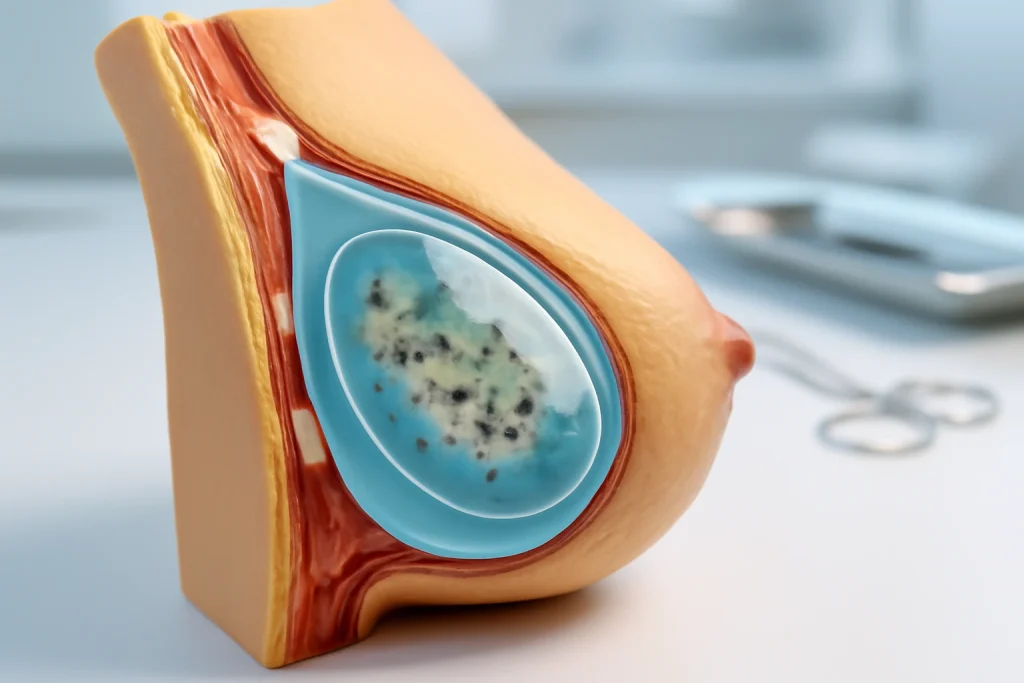
Mold presence within breast implants alludes to the development of fungi or bacteria inside the implant capsule, thus resulting in an infection which, in turn, might cause considerable health issues. In reality, this situation is so rare that it can be quite harmful and, therefore, it necessitates a call to the doctor immediately. Usually, mold comes about when there is a leak, a rupture, or the implant shell is somehow compromised, in which case a pocket is formed where moisture can accumulate, thus allowing microbes to grow.
Once the breast implant shell is damaged, the environment inside the shell changes and therefore bacteria or fungi may be there. These microorganisms can grow and cause mold which eventually becomes the main reason for symptoms like breast swelling, pain, redness, or the breast may even change its shape. In fact, in such situations, the body’s immune system may respond by causing fever, chills, or even discharge from the site. Hence, these symptoms indicate that infection has become serious. Mold, if ignored long enough, can spread to the surrounding tissues and become a cause of health problems in the future.
Common Causes of Mold Growth in Breast Implants
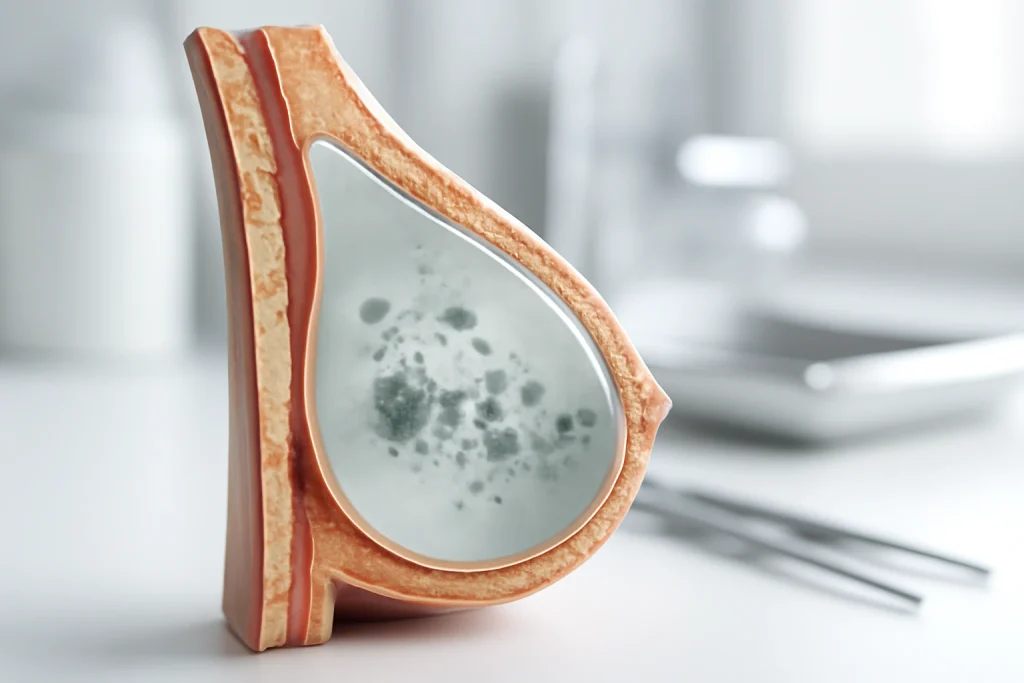
There are many factors that can cause mold to grow in a breast implant, but usually it starts with the rupture or the tear of the implant shell. Once the implant material is weakened, pathogens from the outside, such as fungi and bacteria, can enter and thus the infection will be initiated. It is mostly the case that implants are under pressure, or a person is hit, or the implant is getting older, and this results in the weakening of the implant shell.
Moreover, there is also the factor that includes a patient’s improper care of themselves after surgery, thus they by mistake would introduce bacteria in the surgical site. For example, if the patient uses unclean instruments for surgery, fails to keep good hygiene, and exposes the implant site to moisture during the healing process, all these things will raise the probability of mold occurrence. The poor condition of the implant pocket which might be due to less than perfect sterilization during the operation or insufficient cleaning afterward also has a great influence on the problem of mold in breast implants.
Besides that, certain factors in the patients such as having some diseases, a weak immune system, or the choice of lifestyle which may make the person more vulnerable to infections. The consequences can be significant even if there are only minor breaches in the implant shell, provided mold is there and continues to develop without anyone’s knowledge.
How to Prevent Mold in Breast Implants
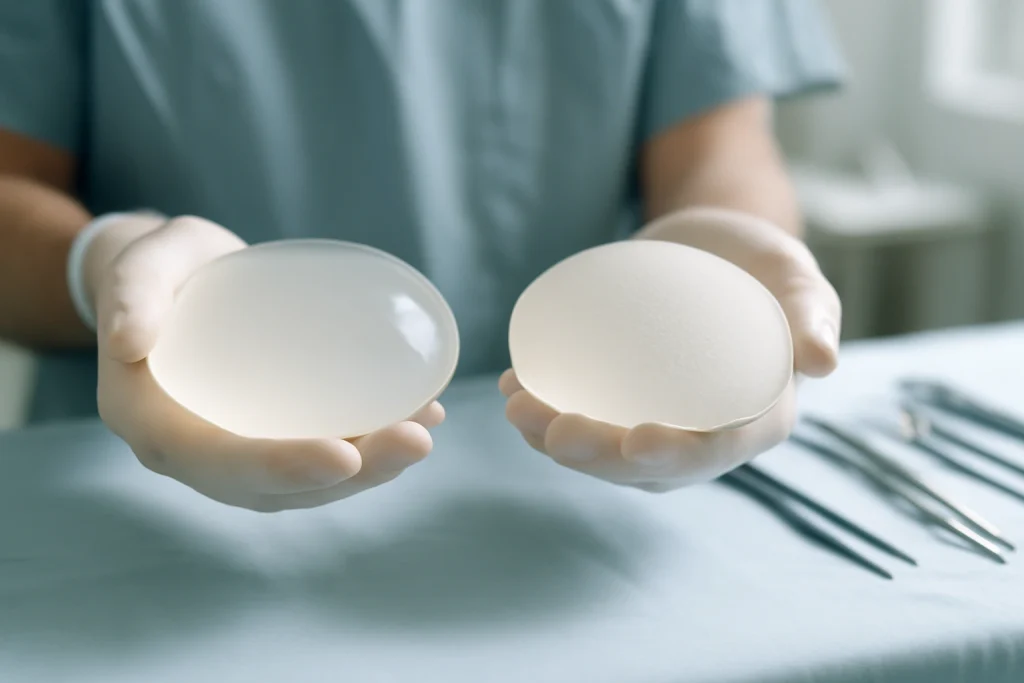
If you want to be sure that there won’t be any mold in your breast implants, you first need to take preventive measures, one of which is the careful choice of your doctor, and it is also important to ensure that the doctor follows strict sterilization protocols during surgery. In fact, this selection of the surgeon can be the reason for the elimination of nearly 100% of the risk of implant rupture that may cause mold development. A surgeon, who is qualified and experienced, using good quality implants will ensure that not only the risk will be minimal but also the results will be good. Surgeries can result in infections which are more like to happen when the surgeon has not cleaned the implant placement area properly and so on.
Mending the part after the operation is equally essential in stopping molds from growing. Patients must follow the care regimen their surgeons have laid out for them to the letter. The instructions that the surgical area must be kept dry and that one should not do activities that would cause moisture or bacteria to enter the site such as swimming or bathing in contaminated water are of great importance. What is more, the use of top-notch, long-lasting implants that are not prone to rupture, leaks, or other problems can also lead to the successful implantation in the long run as well as to the reduction of risks of side effects such as the production of molds.
Patients should be on a constant lookout for any infection that might develop at the implant area, or any other issues, by closely observing the implant site for signs such as abnormal swelling, redness, or pain. Under such circumstances, you must see a doctor as soon as possible in order to prevent the infection from spreading. Besides that, follow-up visits to the surgeon are also very important in ensuring that the implants are safe and in good working condition.
Treatment Options for Mold in Breast Implants
The action that is most efficient in a mold situation in breast implants is the removal of the contaminated breast implant and a thorough cleaning of the implant pocket to get rid of any fungi, bacteria, or other contaminants. The doctor may advise a course of antibiotic or antifungal medicine if the infection has spread to the tissue around the implant and thus a new implant cannot be placed yet.
In addition to the symptoms of fever, chills, and severe pain, patients might also require admission to a hospital where they will be given intravenous antibiotics or antifungal medicine. This prompt treatment prevents the infection from getting worse enables the patient’s breast tissue damage to be minimized. Sometimes, the implant replacement should be postponed until the infection has been cleared only.
In case the situation is not as bad, the infected area can be treated locally, but, to be safe, it is still better to remove and replace the implant, which is the most effective solution. Patients must be aware that the health risks can be minimal and good results can be achieved if they detect the problem early and get treatment without delay.
Long-Term Care and Maintaining Healthy Breast Implants
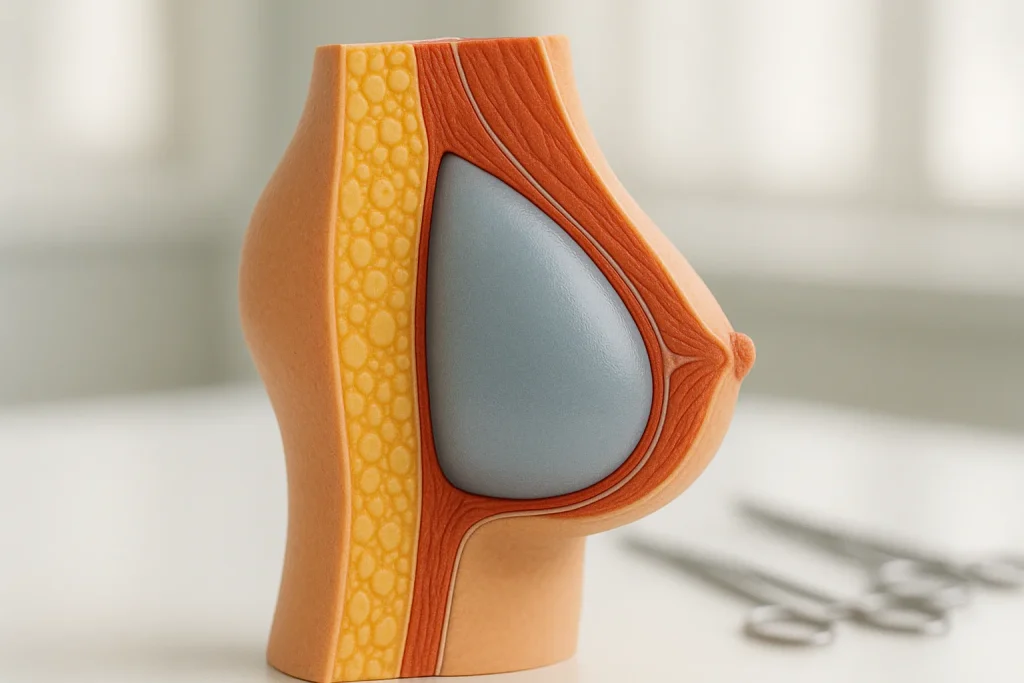
Good breast implants are a result of not only proper short-term care but also continuous care as well as attention which help prevent problems such as the growth of mold. Committing to regular consultations with a competent plastic surgeon is very important to keep an eye on the general state of the implants and to detect at the earliest any possible problems that may arise like leaks, ruptures, or infections. Besides, these meetings serve as a platform to solve any issues that may have come up and make amendments if it is required.
Good aftercare is indispensable as well, even after the recovery period has finished. Patients must keep observing the rules that are necessary for the preservation of their implant wellbeing and which among other things prohibit putting excessive pressure on the implants, wearing bras for support when needed, and observing proper hygiene. Moreover, the quality of the implants is not without its importance to their long-lasting success and the implants making use of cutting-edge materials are less prone to getting complications.
Moreover, it is of great significance that patients stay informed about the potential risks and that they seek medical advice without any delay when they experience unusual symptoms. Patients who are strict with their care regimen and schedule will be able to enjoy the aesthetic benefits of breast implants at a minimum risk of mold growth and other complications.
Breast Implants in Turkey
With excellent healthcare facilities of global standards, surgeons with high expertise, and comparatively cheap prices, Turkey is the leading country for breast implant surgeries. As it is well-known to provide both the best implants and impeccable care, it is the easiest place for patients from abroad who will undergo medical beauty treatments.
Apart from the medical expertise, the medical tourism of Turkey offers complete services such as the arrangements for the trip, the place to stay, and the care after the surgery. The patients can experience the best of technology, personalized care, and the expertise of the surgeons who are recognized globally when coming to Turkey for a breast implant surgery in Lin Europe Clinic. Thus, with the combination of excellent care and reasonable prices, Turkey still remains among the top choices for the people who are contemplating breast implant procedures.
Frequently Asked Questions About Mold in Breast Implants
Mold in breast implants occurs when fungi or bacteria grow inside the implant capsule, often due to a compromised implant shell or infection. This condition can lead to swelling, pain, and more severe symptoms if not addressed promptly.
Mold deformity in breast implants is primarily caused by a rupture or leak in the implant shell, poor surgical hygiene, or external contamination. These factors create an environment conducive to mold growth.
Preventing mold in breast implants requires choosing a skilled surgeon, following all post-surgical care instructions, and avoiding exposure to moisture before the surgical site is fully healed.
Yes, mold in breast implants can be fixed by removing the affected implant, cleaning the implant pocket, and replacing the implant with a new one. Antifungal treatments may also be required to prevent further infection.
The best treatment for mold in breast implants is implant removal, followed by a thorough cleaning of the implant pocket. In some cases, antibiotics or antifungal treatments are needed to treat any lingering infection before new implants are placed.
References
- Koan, C., et al. (2021). A surprising complication of breast augmentation surgery: Scedosporium apiospermum infection in a breast implant. Journal of Clinical Microbiology, 59(12), 2301-2305. https://doi.org/10.1128/JCM.00345-21
- Tian, H. H. (2007). Delayed fungal infection following augmentation mammoplasty: A case report. Singapore Medical Journal, 48(6), 602-604. https://www.smj.org.sg/sites/default/files/4803/4803cr10.pdf
- Coady, M. S. E. (1995). Fungal growth within a silicone tissue expander: Case report. British Journal of Plastic Surgery, 48(1), 95-97. https://doi.org/10.1016/S0007-1226(95)90275-9
- Uchida, T., Ikeda, K., & Yamaki, T. (2023). A case of Candida albicans infection after breast implant replacement. International Journal of Surgical and Women’s Care, 4(4), 142-146. https://doi.org/10.14972/ijswc.2023.4.4.142
- Fan, X., et al. (2014). A rare fungal species, Quambalaria cyanescens, isolated from a breast implant. PLOS ONE, 9(8), e106949. https://doi.org/10.1371/journal.pone.0106949