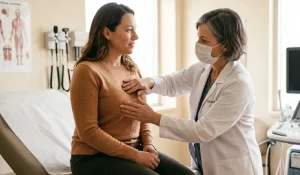
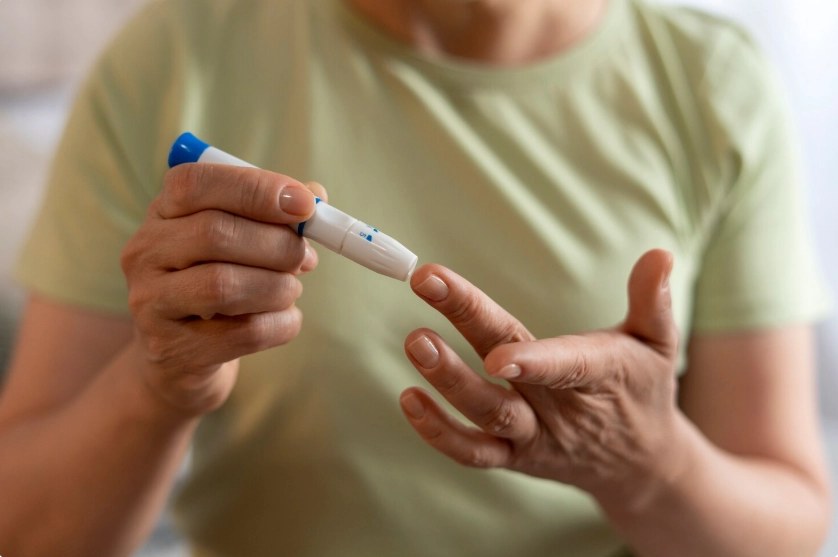
Lin Health Europe in Istanbul is known for the harmony of beauty and health that it offers through its precise medical care. Liposuction is the most significant advancement among the body shaping procedures in aesthetic surgery as it gives the most direct fat removal and the balanced proportions of the body. Nevertheless, diabetes is a condition that changes the body’s metabolic processes, and in this case, the control of the therapeutic approach, intervention, and the follow-up process should be strict and administered cautiously.
This article speaks about the scientific link between liposuction and diabetes. It has been very specific in risk assessment, metabolic regulation, and safe postoperative recovery under expert supervision.
Understanding Liposuction and Its Medical Role
Liposuction is the surgical method of removing localized fat tissue by using suction-assisted technology. The aim is not weight reduction but the enhancement of body contouring the result is a more natural figure. The surgeon through micro-incisions, inserts a cannula, and with the help of controlled negative pressure, takes out the subcutaneous fat.
It is of utmost importance that the operation is carried out in sterile conditions and with accurate anesthesia and stable circulation. For patients with diabetes, tissue regeneration, and infection control are critical variables. The reasons for such a set of symptoms, hyperglycemia, decreased vascular elasticity, and slowed collagen synthesis are the contributing factors to the recovery outcomes may be delayed.
At Lin Health Europe, Liposuction protocols are characterized by a metabolic profile that represents each patient in detail. The blood glucose, HbA1c, and cardiovascular markers are all evaluated in order to ensure the stability of the whole body system. The planning that is based on evidence diminishes the complications after surgery and also makes the healing of the wound more efficient.
How Diabetes Influences Surgical Physiology
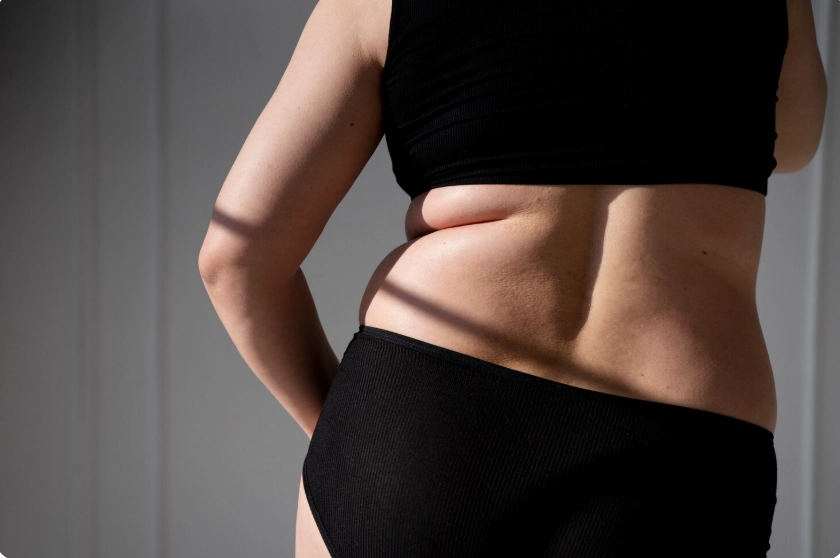
Diabetes mellitus is a condition that alters the normal functioning of the whole body and, as a result, the main systems that are responsible for life during the period of the proccess.
Increased blood sugar impairs the endothelial function results in reduced oxygen supply to organs and tissues. Neuropathy alters the way in which pain is recognized and microangiopathy limits the blood supply to the skin and muscles.
Liposuction is a method, which for a certain period, can provoke a stress reaction in the body due to the controlled fluid exchange. These stress reactions in a diabetic can lead to the occurrence of insulin sensitivity. Moreover, if the conditions are not well controlled, both hypoglycemia and hyperglycemia may develop.
If diabetes is not kept under control, the activity of leukocytes will be significantly lowered, and the risk of infection will increase substantially. Consequently, the perioperative routine includes antibiotic prophylaxis, stabilization of blood sugar, and monitoring of hydration. At Lin Health Europe, the methods used for all diabetic patients are intraoperative glucose measurement and continuous monitoring of vital.
Medical Risks of Liposuction for Diabetic Patients
The main cause of concern that diabetic patients express during their surgical recovery is a source of pain that can be both the environment and the procedure. There are few of them:
1. Delayed Wound Healing
The raised glucose levels adversely affect fibroblast activity and collagen production. Not only does the process of wound closure slow down but the possibility of scar tissue formation also increases.
2. Infection Susceptibility
Elevated blood sugar impairs the immune system and makes it easier for bacteria to thrive. Thorough antiseptic procedures as well as specially made sterile rooms are the preventive measures taken to protect against infections.
At the beginning, the situation is changed in such a way that insulin resistance, dehydration can alter plasma osmolarity. Therefore, it is absolutely necessary to carefully carry out fluid replacement and inject glucose-balanced intravenous solutions.
4. Cardiovascular Strain
Hypertension and atherosclerosis which are just the initial steps of cardiovascular disease represent the major complications of diabetes. Apart from the anesthesia and fluid variations due to the liposuction, there is also a possibility that the body is hemodynamic unstable.
5. Metabolic Variability
Among various reasons, the anesthetic agents and fasting have an impact on insulin dosing. The execution of dynamic glucose monitoring is the main requirement for the timely detection of the first signs of instability.
Still, these risks are manageable if they are done with a strict metabolic follow-up. Lin Health Europe, in addition to advanced intraoperative monitoring, employs patient-specific insulin protocols as well as post-operative glucose regulation to achieve the desired stability.
Essential Safety Protocols for Diabetic Patients
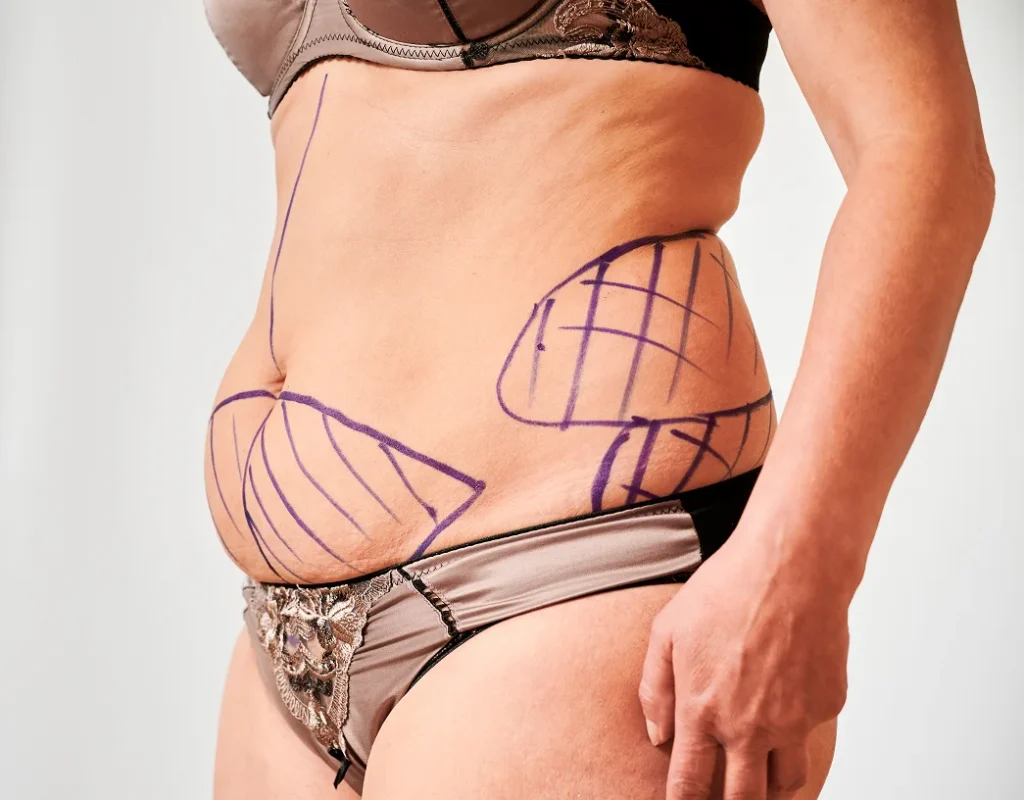
The preoperative evaluation is the first step in surgical safety for patients with diabetes. The Lin Health Europe team is taking a medical approach that complies with international standards before performing liposuction such as:
- Endocrinology Consultation: The glucose management plan is specifically tailored to the individual patient.
- Laboratory Screening: The HbA1c test, kidney function, and lipid profiles that will indicate metabolic preparedness.
- Cardiovascular Assessment: ECG and echocardiography serve as tools to identify the potential risk of anesthesia.
- Nutritional Optimization: Not only a diet high in fiber and antioxidants but the preoperative diet, also promotes insulin sensitivity as the patient’s immune strength.
- Medication Review: Insulin and oral hypoglycemic drugs are adjusted in such a manner that there will be no hypoglycemia during the fasting period.
- Sterility Control: Hospitals that meet aseptic international standards are the main locations where microbial risks are completely eliminated.
This standard achieved through evidence is the real guarantee that the physiological milieu will be properly maintained for any diabetic patient who will undergo liposuction.
Postoperative Recovery and Long-Term Management
Diabetic patients recovery is a process where they must be regularly followed in a structured manner and accurately they must do self-management.
1. Glucose Monitoring
Besides glucose level should be measured in a few different moments during the day. The alive glucose state acts as support in the neovascularization process and the collagen synthesis.
2. Wound Management
Clean cases of infections by antiseptic solutions. Simultaneously, there should be no water present and the wound should be controlled for any signs of infection, such as an alteration in color and the sensation of warmth.
3. Compression Therapy
Usage of the elastic decreases swelling, prevents the formation of a seroma, and allows venous return to the heart. Good pressure control ensures that microcirculation and tissue adhesion are supported.
4. Hydration and Nutrition
Pertinent water consumption, properly proteinized diet, and trace elements like zinc and vitamins C usage are all the major factors in fast recovery. Patients must not eat high-glycemic foods which destabilize insulin balance.
5. Controlled Physical Activity
Short walks are good for blood circulation and oxygenation of the tissues. You should not take heavy exercises until your surgeon will give you a green signal.
6. Medical Follow-Up
Regular visits for follow-up allow for wound integrity, glucose stability, and aesthetic symmetry. Telemedicine appointments at Lin Health Europe ensure continuous postoperative update.
Diabetic patients can undergo the process in a safe and secure way as well as the best aesthetic result if they receive this type of a care plan that is structured.
Why Choose Lin Health Europe for Safe Liposuction in Istanbul
Lin Health Europe brings to the table the best medical science that is not only surgical but also metabolic in nature. The hospital follows strict protocols which put the patient’s safety first and ensure positive results that can be measured.
- Interdisciplinary Teamwork: Plastic surgeons, anesthesiologists, and endocrinologists work hand in hand on every case.
- Precision Monitoring: The continuous glucose monitoring and cardiac observation are the means through which stable physiology is maintained.
- International Safety Standards: The surgeries comply with ISAPS and WHO surgical guidelines.
- Customized Care: Each diabetic patient is given a personalized preoperative and postoperative plan along with instructions.
- Modern Facility: Lin Health Europe’s Istanbul center is definitely the place where you can find the latest anesthesia systems and in-house laboratories.
This fusion of high-end technology and skilled personnel has the effect that diabetic liposuction will be done to the maximum safety, time-effectiveness, and accuracy.
References
- American Diabetes Association (2025). Standards of Care in Diabetes.
- International Society of Aesthetic Plastic Surgery (ISAPS). Guidelines for Liposuction Safety.
- World Health Organization. Global Surgical Patient Safety Checklist.
- Mayo Clinic. Liposuction – Medical Overview and Risk Factors.
- Lin Health Europe Clinical Department (2025). Internal Protocols for Metabolic Patient Management During Aesthetic Surgery.
Frequently Asked Questions About Liposuction for Diabetics
Yes. Liposuction can be safely performed on diabetic patients when their blood glucose is well controlled and surgery occurs in a medically supervised environment.
The main risks are infection, delayed wound healing, and blood glucose fluctuations. With expert monitoring, these risks remain low.
When glucose levels are stable and wound care is consistent, diabetic patients typically heal within normal timeframes.
Patients should stabilize blood sugar, follow prescribed diets, and adjust medications under medical direction before the procedure.
Uncontrolled glucose slows tissue repair and increases infection risk. Continuous monitoring supports healthy recovery.