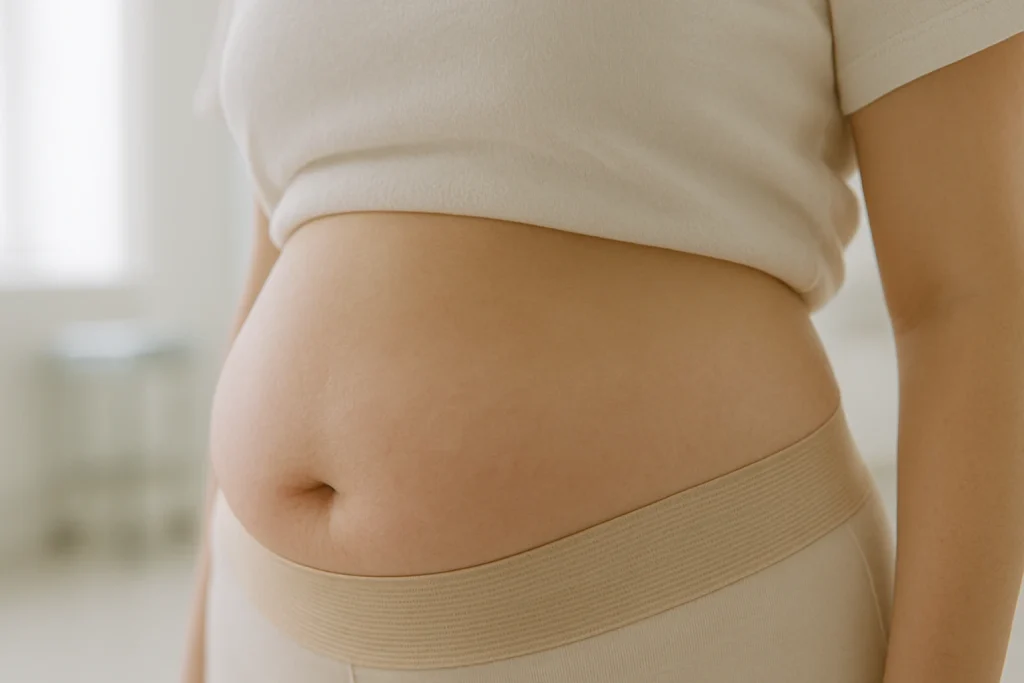
Swelling is among the most frequent and anticipated symptoms after liposuction. From the very beginning, patients at Lin Health Europe Clinic in Istanbul are taught that swelling is the body’s way of healing. Liposuction adjusts your body shape by extracting fat from the areas of the body, but the tissues that are next to the treated area are still affected by the surgery, which leads to the presence of some temporary fluids, inflammation, and sometimes some slight bruising. So why the swelling should occur, how much time it will last, and what are the safe ways to manage it a necessary for the patient to have a smooth recovery and the outcomes to be the best ones.
Proper management of swelling is not only good for the appearance of the person but also for the healing process, which, in turn, leads to fewer chances of the patient getting complications and patients feeling more comfortable during the recovery period.
Why Swelling Happens After Liposuction
The reason for swelling is that liposuction is a procedure that is going to affect the fat tissue and the areas around it in a negative way and this is the swelling that occurs eventually after the operation. Small cannulas are the instruments that are used to remove fat from under the skin, and this removal may cause the blood vessels and lymphatic channels to be disrupted. As a result, the body sends immune cells, fluids, and proteins to the area where the surgery is done to fight the infection. At the same time, the body is repairing the damaged tissues by:
- Giving back the proper function of the tissue in the body
- Protecting the area against infection
- Helping the skin to contract and regenerate
Moreover, local anesthesia and tumescent fluid are used in the procedure to the targeted areas to avoid bleeding and pain. The fluid can still be in the tissues for a while and this is the reason why the swelling is made bigger.
Important note: Swelling of a mild to moderate degree during the first few days is absolutely normal and expected. Such an occurrence shows that your body is going through the healing process and that there is nothing wrong with it.
Healing Process: How Swelling Gets Less Over Time
The decrease of swelling follows a certain healing timeline, but individual recovery rates may still be different. The stages of healing are described in detail as follows:
- Immediate Postoperative Period (First 48–72 Hours): The signs of inflammation are at their most severe, and therefore, there most likely will be swelling, tenderness, and slight bruising. Patients may feel the areas swelling either in the stomach, thighs, arms, or chin, depending on where the liposuction was done.
- One to Two Weeks After the Surgery: Swelling starts to get less. The majority of patients experience less discomfort, and the ability to move spreads up. In addition, bruising is at its fading stage.
- One Month After the Surgery: Swelling is still noticeable, but it is very limited and a few spots, such as the lower abdomen and inner thighs, are prone to this because of the natural retention of fluids. The firmer the skin feels.
- Three to Six Months After the Surgery: The changes that were hidden before start to become visible, and leftover swelling opens the way for healing to be complete as well as liposuction benefits to be visible. Skin becomes less loose and thus shows the new silhouette of the body.
Liposuction Swelling Timeline
| Timeline | Swelling Level | What to Expect |
|---|---|---|
| First 72 Hours | Moderate to Severe | Tenderness, puffiness, mild bruising, temporary firmness. |
| Week 1–2 | Moderate | Swelling starts to subside, bruising reduces, some areas may still feel firm. |
| Week 3–4 | Mild | Most swelling decreases, mobility improves, minor fluid retention may remain. |
| Month 3–6 | Minimal to None | Full contour visible, skin adapts, final aesthetic results. |
Tips for Swelling Management After Liposuction
Effectively managing swelling is what brings the recovery process to its full extent in a shorter time, and it also makes the patient’s comfort to be at a level higher. The following measures are suggested in order to have a good healing process that is both safe and satisfactory:
- Using Compression Garments: The constant pressure that these garments give to the treated areas supports tissue adaptation and thus facilitates the removal of lymphatic fluids which in turn results in drainage of swelling.
- Stay Hydrated: Drinking a good amount of water is a way of clearing the lymphatic system of the extra fluids.
- Follow Postoperative Instructions: Besides that, doctors provide a lot of useful information about the wound care, activities allowed, and medications. Compliance is the key to a safe recovery process.
- Engage in Light Activity: The short walk or mild movements will keep the blood circulation going and thus water will not gather around the cells. This is done without the overstraining of the tissues that are healing.
- Consider Lymphatic Massage (If Recommended): Some surgeons point to massage therapy as a quick way to a better fluid removal and thus a lower swelling.
Don’t be extreme in trying to keep warm as a result of the cold outside or indulge in drinking alcohol or consume dishes rich in salt as this will worsen the swelling in the area and delay the healing process.
When to Expect Visible Results After Swelling Subsides
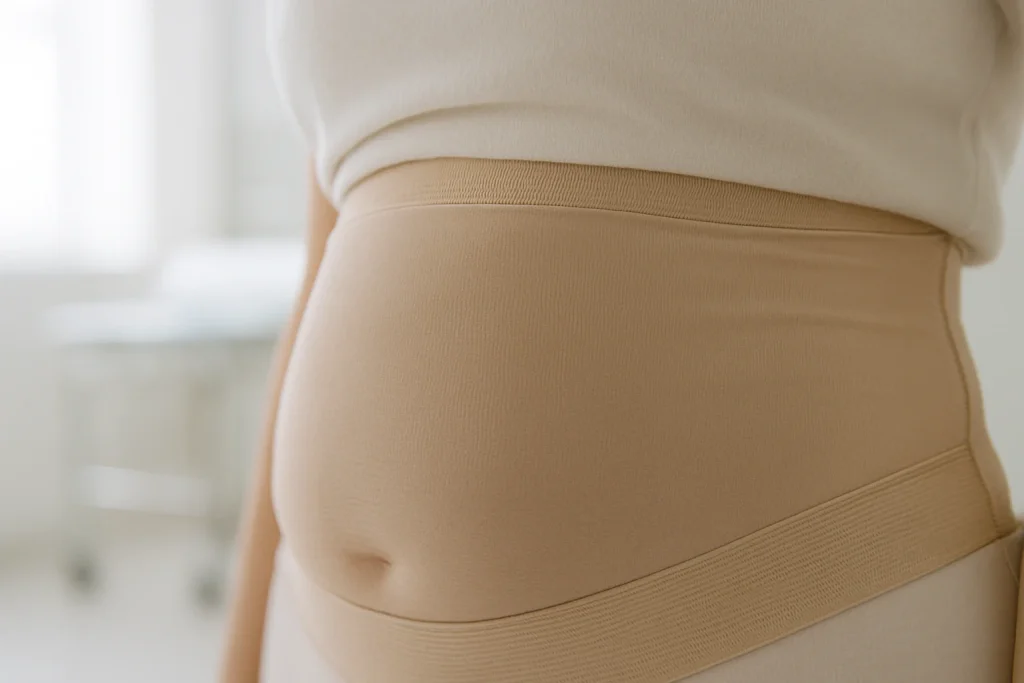
A lot of patients ask the very first question which is, “When will it be possible for me to see my transformed figure?” The visibility of the results of the operation is mostly dependent on the elimination of the swelling:
- Early Results: Usually, the very first contour enhancements can be seen within 2–4 weeks.
- Significant Changes: At that time, most of the swelling is off, and the areas that had the procedure start to feel more familiar.
- Final Results: Between 3–6 months after the operation, the body reaches the point of the last look accompanied with the fully rejuvenated shapes and firm skin.
Still, it is a fact that the mentioned parts of the body might be the area where the swelling is going to be the last to vanish and that this is a result of the body’s natural fluid retention process. A combination of patience and dutiful aftercare will let liposuction expose your body’s smooth, toned transformation.
Long-Term Healing and Maintaining Safe Recovery
The long-term recovery is the basis for preserving the results of liposuction and for keeping the entire body healthy:
- Weight Management: By not allowing the body to go through major weight changes, the treated areas can hold onto their refined shape.
- Balanced Diet and Exercise: Healing is supported by a good diet, while the regular exercise keeps the tone and aids in the drainage of liquids.
- Scheduled Follow-ups: Regular visits at Lin Health Europe in Istanbul allow the surgeons to supervise the recovery process, take care of minor issues, and guide patients on the continued care.
- Skin Care: Along with moisturizing, mild exfoliation, and sun protection are also factors that help the skin to be elastic and to get used to the new contours.
Following these actions will result in the maximum cosmetic effect of the liposuction procedure and will ensure that the remaining swelling and discomfort will be minimal.
Additional Factors Affecting Swelling
Swelling is affected by several factors that only account for the patient:
- Extent of Surgery: The more areas that are treated during liposuction, the more the patient will be swollen.
- Age and Skin Elasticity: Patients who are young and have firm skin are the ones who will experience a faster swelling degression.
- Hydration and Diet: Those patients who are well hydrated and follow a low sodium diet usually have less swelling that lasts for a shorter period of time.
- Postoperative Compliance: Patients who are obedient to the care instructions, are wearing a compression garment, and are not engaging in activities that are too strenuous recover at a higher rate.
By being aware of these factors patients, are able to predict their healing journey better and have an active role in their recovery.
Liposuction in Turkey: Why Patients Choose Lin Health Europe
Among the reasons for Turkey’s rise to fame as the best place for cosmetic surgery is liposuction, along with the ground-breaking surgical techniques, top-notch surgeons, and competitive pricing. Lin Health Europe in Istanbul is the perfect blend of patient-centered care and state-of-the-art technology:
- Expert Surgeons: Engaged in the most recent surgical methods for liposuction, as well as VASER, tumescent, and laser-assisted liposuction, Dr. Mehmet Demiraran and his team are the highly skilled surgeons you can count on.
- State-of-the-Art Facilities: Besides the impeccable safety of modern operating rooms, advanced anesthesia techniques, and surgical instruments, individuals also feel at ease due to the rigorous sterilization standards.
- Comprehensive Care: Guidance is provided to patients from the first consultation to the post-operative follow-ups. Moreover, there are services in terms of accommodation, transportation, and even recovery support.
Qualified specialists and a patient-first approach encourage patients to return their care givers the compliment via the positive feedback.
References
- Rohrich, R. J., et al. (2017). Liposuction: Principles and Practice. Plastic and Reconstructive Surgery, 139(3), 657e–670e.
- American Society of Plastic Surgeons. (2025). Liposuction: Recovery and Results. Retrieved from https://www.plasticsurgery.org
- Matarasso, A., & Pfeifer, T. (2019). Postoperative Care in Liposuction. Clinics in Plastic Surgery, 46(4), 543–554.
- Lin Health Europe Medical Guidelines. (2025). Patient Recovery Protocols for Liposuction in Istanbul, Turkey. Internal Publication.
- American Society for Aesthetic Plastic Surgery. (2024). Liposuction Complications and Management. Retrieved from https://www.surgery.org
Frequently Asked Questions About Swelling After Liposuction
Yes, swelling is a natural part of the body’s healing process after liposuction. It occurs as your tissues recover from surgical manipulation and gradually decreases over weeks to months.
Swelling is usually most noticeable in the first 48–72 hours and begins to subside after the first two weeks. Most patients see significant improvement within one month, with final results visible around 3–6 months.
Wearing compression garments, staying hydrated, and following your surgeon’s post-operative instructions significantly reduce swelling. Light activity, proper nutrition, and lymphatic massage (if recommended) also help accelerate recovery.
Mild to moderate swelling is normal and expected, and it does not indicate a complication. However, if swelling is severe, asymmetric, or accompanied by intense pain, fever, or redness, you should contact your surgeon immediately.
Temporary swelling can reappear if there is weight gain, high salt intake, or intense physical activity in the first few months. Maintaining a stable weight and following healthy lifestyle habits helps prevent recurrence.