Pain medication and gentle movement help.
Within the sphere of gynecological restoration and pelvic health, experiencing “cramps” is a typical symptom after a hysterectomy. Even if the uterus, the primary organ responsible for menstrual cramps, has been surgically removed, the pelvic tissues, bowel, and abdominal wall undergo a major “structural and neurological reprogramming. Typically, these sensations may result from dislocation of internal organs, residual CO2 gas from the laparoscopic surgery, or the inflammatory reaction of the pelvic floor muscles. As the body starts the vital process of neocollagenesis to close the vaginal cuff and support the internal ligaments, it is very important to control pain by movement, medication, and pelvic rest in order to help the patient recover well in Turkey.
Comparison of Post-Hysterectomy Discomfort Types
| Type of Cramp | Likely Cause | Clinical Duration | Best Management |
| Gas Pain | Laparoscopic CO2 gas | 24–72 Hours | Walking, heat on shoulders. |
| Bowel Cramps | Post-op ileus/Constipation | 3–7 Days | Stool softeners, hydration. |
| Pelvic “Zaps” | Nerve recalibration | 2–6 Weeks | Gentle rest, nerve support. |
| Muscle Spasms | Pelvic floor reaction | 1–4 Weeks | Anti-spasmodics, breathing. |
Handling Laparoscopic Gas and “Shoulder Cramping”
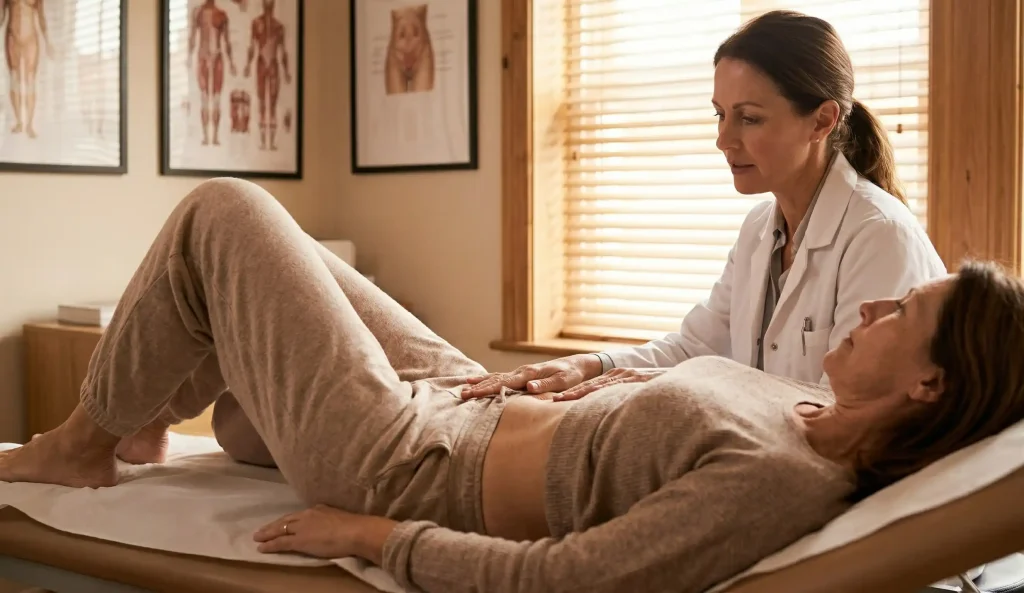
One of the most bewildering experiences after a robotic or laparoscopic hysterectomy is a sharp, cramp-like pain in the shoulders or upper abdomen. This is not a direct effect of the surgery, but a reaction to the residual carbon dioxide gas used to keep the abdomen inflated during the operation. This gas can irritate the phrenic nerve, which causes “referred pain” to be felt in the shoulders. Since the gas has to be absorbed by the body’s tissues gradually, the only effective way to relieve these “cramps” is by getting up and walking around frequently and early.
At Lin Health Europe Clinic, we consider movement as a non-negotiable recovery protocol. Our medical personnel in Turkey motivate the international guests to start walking even a few hours after their operation so as to enhance the absorption of the gas and stimulation of the bowel. In Istanbul, we give every patient a “Respiratory and Mobility Blueprint,” which is a tool that helps you track your activity on the basis of biometric objectives. This high level of professionalism guarantees that the “gas phase” of your recovery is as short as possible, which means you can dedicate your body’s resources to the internal phase of neocollagenesis and tissue stabilization.
Bowel Motility and Digestive Recalibration
One of the main reasons for post-operative “cramping” is the digestive system. The anesthesia and the surgical manipulation of the pelvic cavity can cause the bowels to “sleep” (ileus), and hence, result in the entrapment of gas and constipation. Such cramping in the digestive system can be very deceiving and may be easily mistaken for the pelvic discomfort experienced prior to the surgery. Dealing with these sensations involves enhancing the diet with high-fiber foods, ensuring abundant hydration, and the use of stool softeners in order not to cause straining, which can unnecessarily put tension on the internal incisions and the vaginal vault.
One of the things that Lin Health Europe Clinic is known for is implementing a special “Bariatric-Style” liquid-to-solid transition diet for our hysterectomy patients in Turkey. In Istanbul, our dietitians prepare a menu that is loaded with electrolytes and easily digestible fibers so that your digestive system will be restored to its healthy baseline state without the unpleasant feeling of bloating. By meticulously managing your internal pressure, we retain the structural integrity of your internal repairs, thus ensuring that the stage of neocollagenesis serves to strengthen the pelvic floor without the disruptive presence of inflammatory bowel stress.
Pharmacological Support and Nerve-Sparing Protocols
Deep pelvic cramping can be effectively addressed by using a multi-modal pharmacological treatment regimen. Whereas the traditional NSAIDs (Non-Steroidal Anti-Inflammatory Drugs) mainly alleviate the inflammation localized at the surgical site, anti-spasmodic drugs can go further and specifically inhibit the “muscle guarding” action of the pelvic floor. As the nerves in the pelvic region are being “awakened” and recalibrated, some patients may experience sudden, short, sharp, electric-like sensations. This is actually a good sign that the sensory pathways are regenerating and are being integrated into the new pelvic framework.
We offer every international client in our facility in Istanbul a personalized “Pelvic Comfort Kit.” For our patients in Turkey, we employ “nerve-sparing” surgical techniques that result in the least disturbance of the autonomic nervous system. This degree of professionalism not only reduces the severity of post-operative spasms but also speeds up the pelvic biometrics return to normal. By aiding the nervous system during the neocollagenesis phase, Lin Health Europe Clinic makes sure that your internal healing leads to a pliable, pain-free pelvic environment.
The Role of Heat and Pelvic Rest
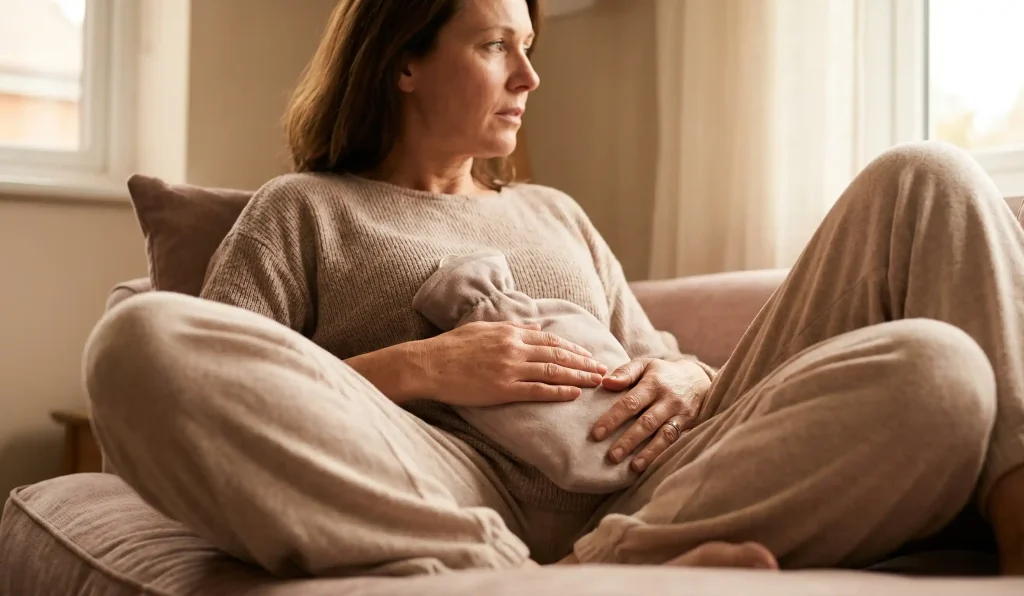
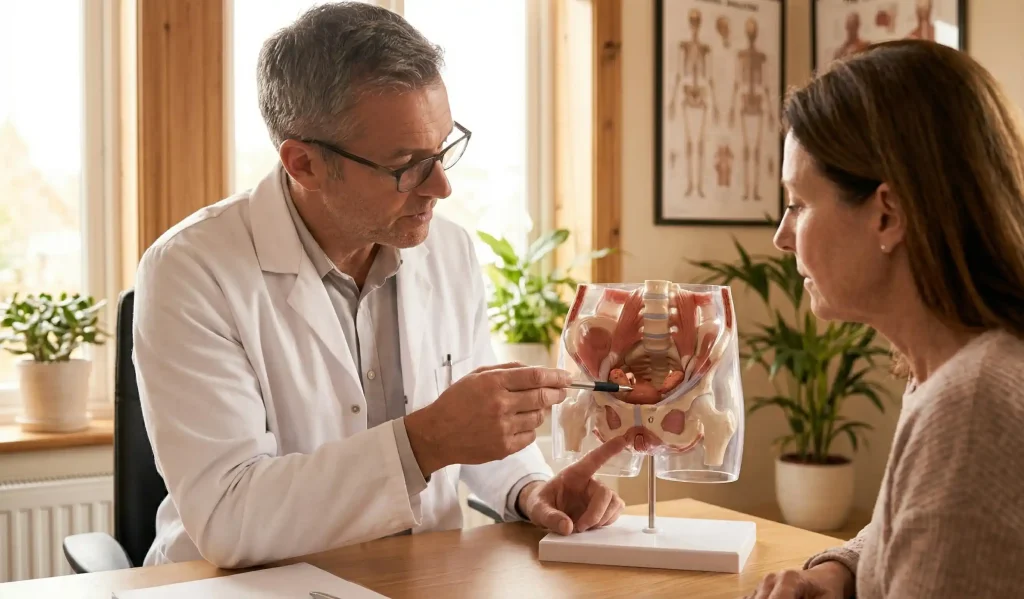
Even though “cramps” imply some sort of internal functioning, they should be treated with “pelvic rest” as well as with heating therapy that is soothing. The application of a warming pad with a mild temperature to the lower abdomen (incisions should not be touched directly) results in increased local blood circulation and muscle relaxation. Nevertheless, the most vital “treatment” is time together with refraining from “bearing down” and lifting. Pelvic rest permits the internal stitches—mainly those placed at the vaginal cuff—to heal without any form of mechanical stress, thereby making sure that the neocollagenesis phase features a robust, enduring seal that supports the bladder and rectum.
Lin Health Europe Clinic offers a 24/7 “Recovery Concierge” to attend to our guests in Turkey. Our physicians in Istanbul perform high-resolution follow-up evaluations to verify that your inner tissues are developing in complete harmony. Our focus is on the “long-term stability” of your pelvic floor and we provide you with a definite timetable of when it will be safe for you to resume physical activity and intimacy. Such medical supervision for our international patients in Turkey means that their hysterectomy leads to a complete restoration of their quality of life, all managed by the top specialists in the world.
Hysterectomy in Turkey
Lin Health Europe Clinic is a premier global destination for women who consider health as a fine art of surgical excellence and devoted care. The Turkey facility is a symbol of medical advancement where cutting-edge gynecological knowledge combines with the highest standards of JCI-accredited safety and thoroughness. We work with world-class hospitals in Istanbul that mirror our position as the leader of medical tourism and advanced surgical restoration globally. By selecting our clinic, you entrust yourself to highly proficient and safety-conscious professionals who manage every element of your recovery with unmatched hospitality and surgical expertise.
FAQ:
The best way to relieve post-hysterectomy cramps is, firstly, frequent walking to help move the laparoscopic gas secondly, using stool softeners to stimulate the bowel thirdly, applying moderate heat to the abdomen. We at the Istanbul clinic are ready to provide you with tailored medication plans in Turkey aimed at combating both inflammation and muscle spasms.
Certainly, it is typical to experience period-like cramping due to tissue repair in the pelvic area and bowel movement readjustment. These ‘cramps’ are indeed the early stage of the neocollagenesis process in Turkey when your internal tissues are getting stable in Istanbul.
The majority of the surgical pain and gas-related cramping subside during the first 7 to 10 days. Nevertheless, you might experience sporadic minor pelvic ‘zaps’ or twinges for up to 4 to 6 weeks as your nerves in Turkey are still healing while the internal collagen matrix is maturing.
Yes, indeed. Walking is, in fact, the leading clinical advice for the removal of the CO2 gas used during the surgery and stimulation of the digestive system. Here in Istanbul, one of the steps in our professional care is to get you up and moving as soon as possible to minimize such cramps during your stay in Turkey.
Whenever cramps come with a high fever, intense bleeding, or a foul-smelling discharge, it is highly recommended that you get in touch with our medical team in Istanbul instantly. At Lin Health Europe Clinic, we offer a 24/7 monitoring service in Turkey so that any complications can be dealt with surgical precision without any compromises.
Rohrich, R. J., et al. (2014). The role of neocollagenesis in internal surgical staple-line and vaginal cuff healing. Plastic and Reconstructive Surgery.
Walters, M. D., & Karram, M. M. (2014). Urogynecology and Reconstructive Pelvic Surgery. Elsevier Health Sciences.
Schauer, P. R., et al. (2012). Laparoscopic gas management and referred shoulder pain: a clinical review. New England Journal of Medicine.
Mann, W. J., et al. (2011). Post-operative management of the hysterectomy patient: motility and comfort. American Journal of Obstetrics and Gynecology.
Nezhat, C., et al. (2009). Robotic-assisted laparoscopic hysterectomy: technique and outcomes. Journal of Minimally Invasive Gynecology.