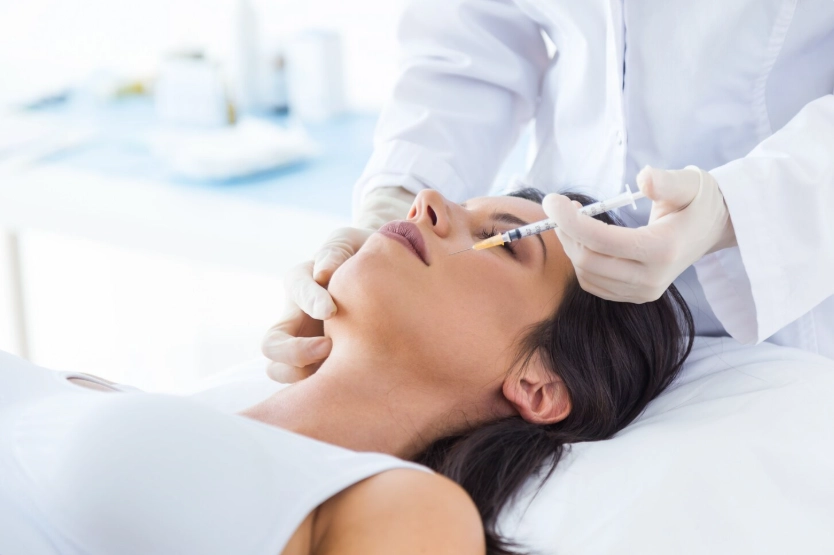
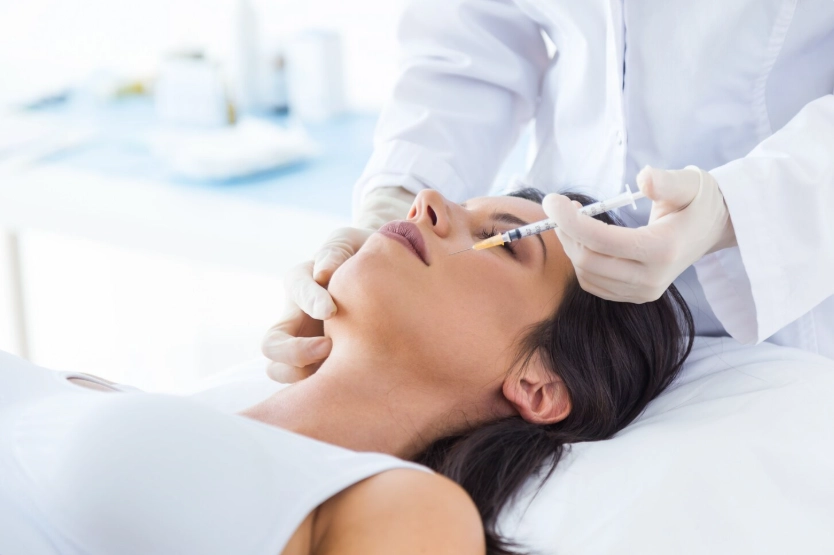
Botox is a widely popular brand of botulinum toxin that is a non-invasive cosmetic procedure which temporarily disables the working of facial muscles, hence the reappearance of wrinkles and fine lines is not visible. The process is carried out by the direct injection of very small amounts of Botox into the selected muscles, which stops the nerve signals and the muscles become relaxed. Through this, the appearance of dynamic wrinkles gets to be diminished, for example, the ones which originate from laughing, frowning, or squinting.
The most common areas that are treated with Botox are:
- Forehead lines
- Frown lines between the eyebrows (glabellar lines)
- Crow’s feet around the eyes
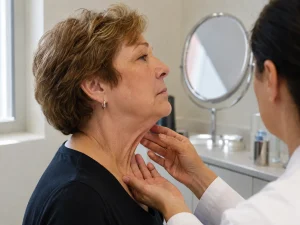
- Neck lines (platysma bands)
Botox is one method of getting rid of wrinkles for some time by blocking the muscle activity that leads to wrinkles. When applied properly, Botox can function as a rejuvenating, youth-giving agent of the face while natural mimic is still attainable. At Lin Health Europe Clinic, we incorporate the most premium Botox with the greatest attention to safety and our protocol ensures the natural enhancements of your facial aesthetics.
How Long Does Botox Last and What Affects Its Duration?
The typical duration of Botox is from 3 to 4 months, yet it varies with the physiological factors. The main factors that determine the duration of botox are:
1. Metabolism
Those who are endowed with instances of rapid metabolism can have their bodies metabolizing Botox at a rapid rate, and as a result, their effects may not last as long as those with slower metabolism. Slow-paced metabolism keeps the injected drugs active for a longer time.
2. Muscle Strength
Patients having robust facial muscles and/or are accustomed to using a particular muscle group excessively, i.e., are expression-heavy, may find that the duration of Botox is reduced, but only to a small extent. This is because the muscles that are active cause the Botox to get consumed faster.
3. Treatment Area
The duration of Botox can be different for various areas of the face. Typically, the Botox effects in the forehead can be longer than those in the eye area because the muscles in the forehead are not very active.
4. Frequency of Treatments
If Botox is administered regularly, the client may experience longer-lasting results as a consequence. In fact, the muscles get used to the treatment gradually and, therefore, they become less resistant to the injected agent which means that less product will be needed for the subsequent sessions.
5. Injection Technique
The injector’s professionalism and talent are a major factor in achieving an even distribution of Botox and thus the best results. A good doctor, like the one at Lin Health Europe, understands precisely how to inject Botox into the right muscles using the least invasive technique for the most efficient and natural-looking outcomes.
How to Maintain Your Botox Results for Longer
Botox results may not last forever, but you can do the following to make them last longer:
- Follow Post-Treatment Instructions:Post-Botox, the treated area should be absolutely avoided when it comes to touching, massaging, or rubbing. Any of these acts can release the Botox and, thus, cause the early break down of the product. It is also necessary to refrain from lying down for at least 4 hours post-treatment to avoid migration of the product.
- Avoid Excessive Facial Movements:Over time, repeated facial movements can make the Botox treatment to lose its effect faster. However, it does not mean that the client is not allowed to make natural expressions but rather to avoid doing excessive frowning, squinting, and raising the eyebrows will let the treatment to last longer.
- Schedule Touch-Up Appointments:One of the ways to ensure the effect of Botox is long-lasting is to schedule touch-up appointments. It is very likely that your doctor will tell you that the best results are obtained by having a Botox session every 3–4 months.
- Healthy Lifestyle:Eating healthily, keeping your body well hydrated, and protecting the skin from overexposure to the sun can keep your Botox results. The skin of a person who lives a healthy lifestyle is more elastic and, therefore, Botox is more efficient and lasts longer.
- Use Skincare Products Wisely:Skincare that is gentle on the skin and supports collagen production (like retinoids and hyaluronic acid) can be a great additive for your Botox results. Using these products, the quality of your skin will improve and Botox will work with you to get the skin that is smooth and youthful.
What to Expect After Botox Injections
Following your Botox injections, the area around the injection site may be slightly red, swollen, or bruised. These are temporary symptoms and usually, the time to be back to normal is within a few days. The majority of patients, on the other hand, are able to get back to their usual activities immediately after the procedure with Botox.
Typically, the results are first noticed 3–5 days after injection, while the maximum effect can be seen up to 2 weeks. The patient understands that the wrinkles have become less visible and the overall facial expression has become calm and fresh. The results are not in the form of a dramatic change but provide a more natural and aesthetically pleasing appearance and thus, the use of the term “freezing” in the context of Botox is incorrect.
Long-Term Care and Maintenance of Botox Results
Whereas the results of Botox are only temporary, the patients can extend the effects by living a healthy life and getting regular treatments. As a result, you might notice that Botox will need lesser injections as the muscles get used to the reduced activity. The continued use of Botox can also keep the deep lines at bay, your skin will remain soft and youthful.
At Lin Health Europe Clinic, we are all about the personalization of the treatment plan for Botox, which means that the results are adapted to your facial anatomy and cosmetic goals. Our certified professionals take you along the entire procedure and build a personalized schedule for the upkeep of your results, whether you want a slight refreshment or a significant change.
References
- American Society of Plastic Surgeons (ASPS). “Botox: Overview of Uses and Safety.” Plastic Surgery Journal, 2023.
- Lin Health Europe. “Botox Injection Protocols and Post-Treatment Care.” Internal Clinical Guidelines, Istanbul, 2024.
- Carruthers, A., & Carruthers, J. “Botulinum Toxin: Current Applications and Safety.” Aesthetic Surgery Journal, 2022.
- Hexsel, D., & Berman, B. “Botox Injections for Facial Rejuvenation: Efficacy and Long-Term Results.” Journal of Cosmetic Dermatology, 2021.
Frequently Asked Questions About Botox Longevity
Botox typically lasts between 3 to 6 months, depending on factors like metabolism, the area treated, and how often you receive treatments. After this time, the effects begin to wear off as the muscles gradually regain activity.
Botox works by blocking nerve signals to muscles, causing them to relax temporarily. Over time, your body metabolizes the Botox, and the treated muscles regain their ability to contract, leading to the return of wrinkles.
To extend Botox results, follow your surgeon’s aftercare instructions, including avoiding excessive facial movement and wearing sunscreen. Regular maintenance treatments also help sustain the effects over time.
Yes, with repeated Botox treatments, muscles may become more accustomed to being relaxed, leading to longer-lasting results. This cumulative effect allows the muscles to retain more relaxed tension, reducing the need for frequent injections.
For consistent results, most patients schedule Botox treatments every 3 to 4 months. Your specialist at Lin Health Europe will recommend a personalized treatment plan based on your facial anatomy and aesthetic goals.