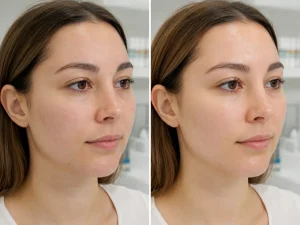

Usually 10–15 years between facelifts.
Patients often equate facelifts with “turning back the clock” and, thus, to a younger version of themselves. However, the natural irreversible aging process actually starts on the very minute you leave the operating room. The skin and the tissues underneath it are constantly subjected to wear and tear factors such as gravity, sun exposure, and genetics. Without you realizing it, one day when you look in the mirror, the signs of aging are going to be there again with you. That can very well trigger the question you first thought when realizing this: “How long should you wait between facelifts?“
Facial rejuvenation is much more than just a one-time event at Lin Europe Clinic. With that in mind, sufficing between surgical interventions is mainly a question of an individual’s anatomy and the style of the first facelift. The risks involved with overly premature surgery are unwanted “pulled” appearances, whereas very delayed surgery may require the second one to be more invasive. Our specialists are always ready to guide you so that your maintenance time is just right and the outcome you desire, that is a natural refreshed, not an operated look, is achieved.
The Lifespan of Surgical Techniques
It’s important that you recognize the fact not all facelifts can yield the same duration of results. It is mostly related to the extent of facial layers dissection by the surgeon. A conventional SMAS (Superficial Musculo-Aponeurotic System) lift that involves the tightening of the muscle layer beneath the skin, quite commonly brings the results 10 to 12 years. This classic way effectively deals with moderate sagging but it is likely that the effects would be overcome by gravity pretty quickly in comparison with the more radical techniques.
The general consensus among surgeons is that the Deep Plane facelift is the most long-lasting one. This facelift technique entails the release of ligaments through which the skin is attached to the deeper tissues in order to reposition the muscles and fat pads in a tension-free way. The results, therefore, tend to last for 12-15 years or even longer if it is the deep structures that are being secured by the surgeon instead of simply pulling the skin. If you are aware of the method you have had, you can reasonably estimate the time for a revision.
Biological Factors Influencing Longevity

It is actually your genes that determine how long it takes for your facelift to show its effects steadily, and then to fade away. Generally, patients whose skin is naturally thick and elastic tend to experience the effects of a surgical correction for a longer period compared to those who have thin and extensively sun-damaged skin going on. If your parents aged with a deep jowl very early, your tissues might be genetically predisposed to develop some laxity. Thus, the biological basis of this means that some patients will be forced to get a “tuck-up” operation earlier than others notwithstanding the level of surgical skill involved.
Besides that, choices regarding the way you live your life directly impact the rate at which you experience the recurrence of the aging signs. For instance, by smoking, you inhibit the amount of oxygen that is carried to your skin, as nicotine constricts blood vessels and degrades collagen. In the same way, excessive exposure to the sun without protection deteriorates the elastin fibers that keep your skin firm. Patients who keep their weight normal, protect their skin from UV rays, and eat well-make use of skincare products, significantly lengthen the time between their surgeries.
The Risks of Operating Too Soon
Often patients dream of a second surgery whenever they locate a fine line of wrinkle showing up again. Yet, it is by no means easy for the surgeon to cut and heal tissue without damaging it so the chance of pulling skin continuously is far from good and the result is an unnatural “windblown” or “staring” look. Our faces need to relax a little in order for us to move and express different emotions normally. When too much skin is taken off, a natural rhythm is lost and features get distorted.
Scar tissue in turn, is a further complication on the technical side, that the surgeon encounters during the second or third operation. Internal scarring that results from surgery, occurs when tissue planes get fused together. On one hand, such scar tissue having the property of strength, on the other hand, makes the subsequent dissection more difficult and facial nerves, therefore, more vulnerable. Surgeons with experience strictly hold to the recurrent laxity criterion to justify at the same time re-entering these scarred planes. Their waiting time is a guarantee of safety, as well as a convincing improvement in the final result.
Non-Surgical Maintenance Strategies
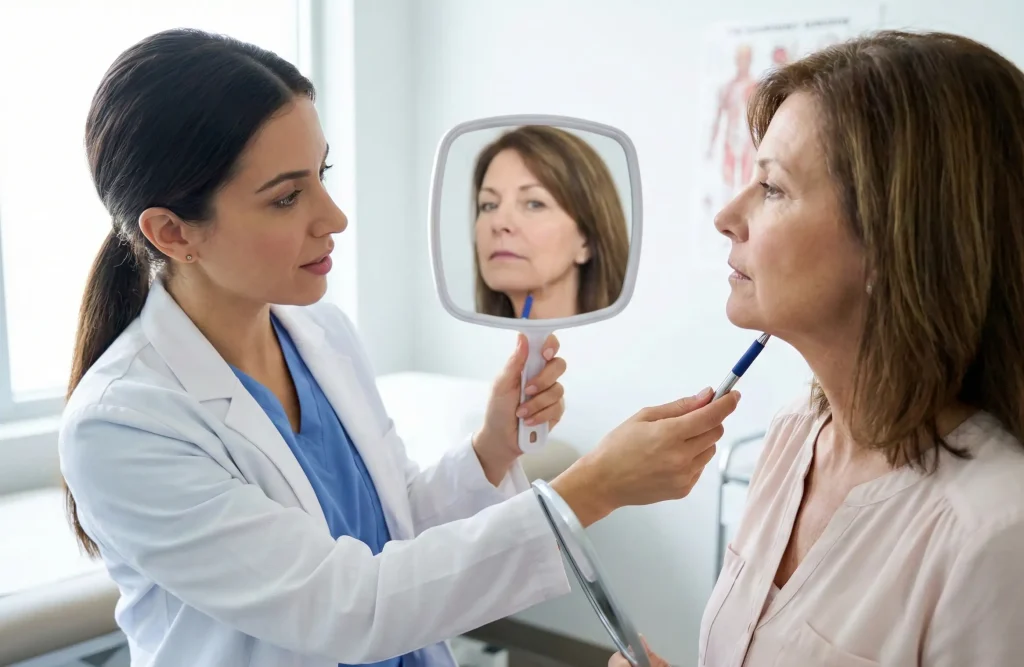
There is a wide range of options for you to choose from in order to maintain your results between two surgical sessions without any invasive means. Aesthetic medicine of today is capable of producing a variety of solutions to facelift patients’ problems without going back to surgery soon. Skin lasers, peels, and ultrasound (such as Ultherapy) are able to stimulate collagen production and keep skin elasticity.
Also, it is undeniable that the role of injectables in maintenance is significant. You may consider dermal fillers the volumizers of your cheek and jawline areas, effectively hiding minor sagging. Botox and similar neurotoxins have the beneficial effect of weakening the muscle groups responsible for pulling the face down. Therefore, by resorting to such maintenance methods, the need for a facelift revision can be postponed for several years. This strategy enables you to stay fresh looking by minimizing the risk of the initial surgery.
Face Lift in Turkey
It is a perfect choice to entrust your facelift in Turkey to Lin Europe Clinic that backs up both primary and secondary facial rejuvenations with its expertise. We have surgeons in Istanbul with a high level of knowledge and skills in deep-plane facelift, a method we are fond of recommending because it will keep you looking younger for a longer time. While revising a case, we first take a close look at your previous surgery records and the current state of your face to come up with a plan that is both safe and effective.
Your time in Istanbul is tailored to the utmost comfort and care. We kindly provide VIP transportation and high-end accommodation for you and your accompanying persons so that you can have a relaxed recovery time after your operation. Our staff will offer indepth post-operative care, so you could hardly imagine any scars on your face. Be it your first facelift or a touch-up of the previous one, Lin Europe Clinic is a fusion of creativity and clinical preciseness delivering a natural beauty.
Frequently Asked Questions About Facelift Frequency
Generally, facelift results stay visible for about ten to twelve years, which mainly depends on the surgical technique. Besides that, your skin condition and habits also have quite a strong impact on the duration.
Of course, there are no medical concerns with a patient who undergoes facelift for the second or third time to deal with aging signs. The plastic surgeons change their approaches to effectively deal with the scar tissue from older operations.
Usually, the majority of patients think about having a secondary procedure around ten years after their initial surgery. In fact, this should be a skin laxity-based decision rather than a particular age.
It is true that a second facelift is normally more difficult for a surgeon to perform due to the internal scar tissue. Skilled practitioners must work very carefully to preserve the nerve function and get excellent results.
You are advised to keep your weight stable and regularly use the sunscreen to protect your skin from the sun in order to keep your skin elastic. Moreover, staying away from using tobacco products is very important as it helps your blood flow stay healthy that in turn benefits the tissues.
Hamra, S. T. (1990). The deep-plane rhytidectomy. Plastic and Reconstructive Surgery.
Stuzin, J. M., et al. (1995). The anatomy and clinical applications of the high SMAS facelift. Plastic and Reconstructive Surgery.
Marten, T. J. (1997). Facelift planning and technique: Current concepts and a personal approach. Clinics in Plastic Surgery.