No, hair transplantation is generally safe.
The Surface Only Nature of Micro-Grafting Support Systemic Safety
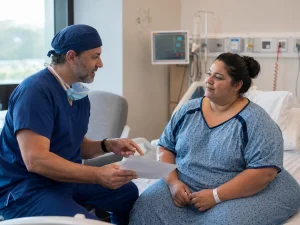
In the most exciting field of hair restoration and scalp reshaping, examining the overall safety features of surgical operations needs very strict reliance on scientific facts. When visitors ask if a hair transplant will be a lifelong risk, the doctors’ answer is quite clear, absolute, and very comforting: a hair transplant is a very superficial type of micro-surgery which, practically speaking, has no risk at all of endangering life. Besides, the whole treatment is done strictly on the upper layers of the skin, which means deep anatomical parts, large blood vessels, or vital organs that are associated with major visceral surgery are not involved.
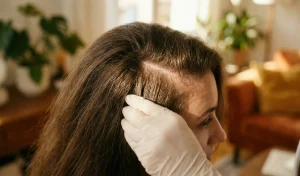
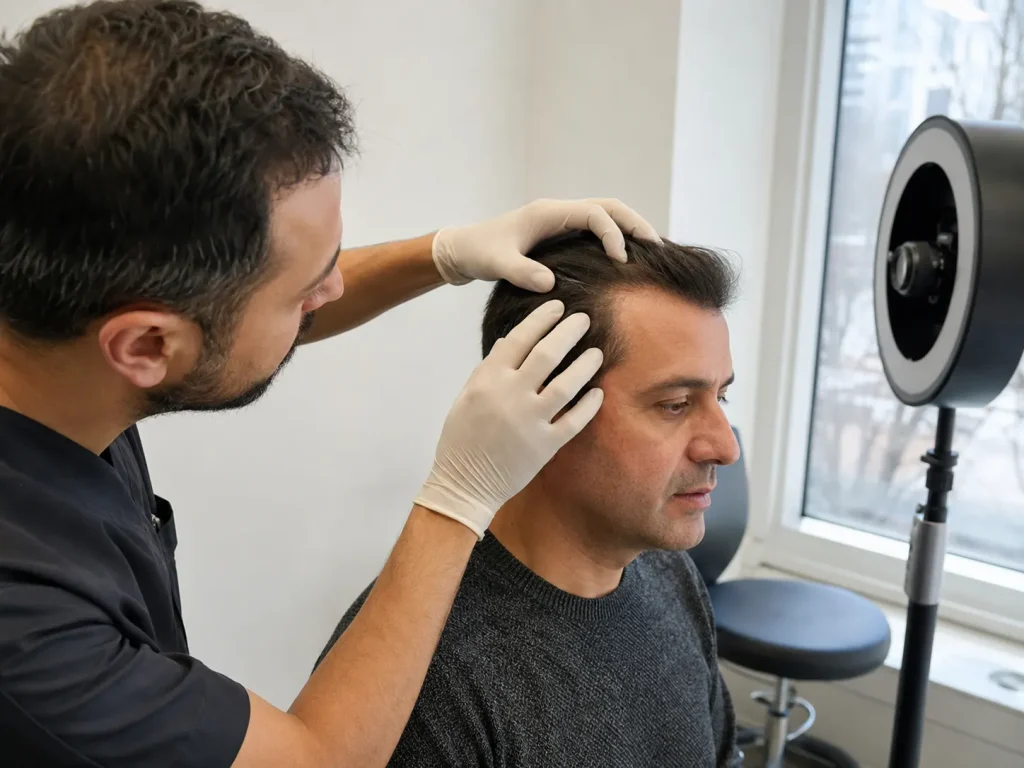
The physical method of today’s hair restoration, especially if one is using state-of-the-art methods such as Follicular Unit Extraction (FUE) or Direct Hair Implantation (DHI), is aimed at the least possible physical damage. The hair doctor takes out one hair follicle at a time (a graft) from the safe donor zone on the back of the scalp, and with great skill, he/she inserts these in very tiny micro channels in the areas that are going bald. Because the whole surgical area is limited to the scalp’s epidermis and dermis layers, it is impossible to cause any internal physiological imbalance, and therefore, the operation is very low-risk.
The Pharmacokinetics Viewpoint on Local Infiltration Anesthesia
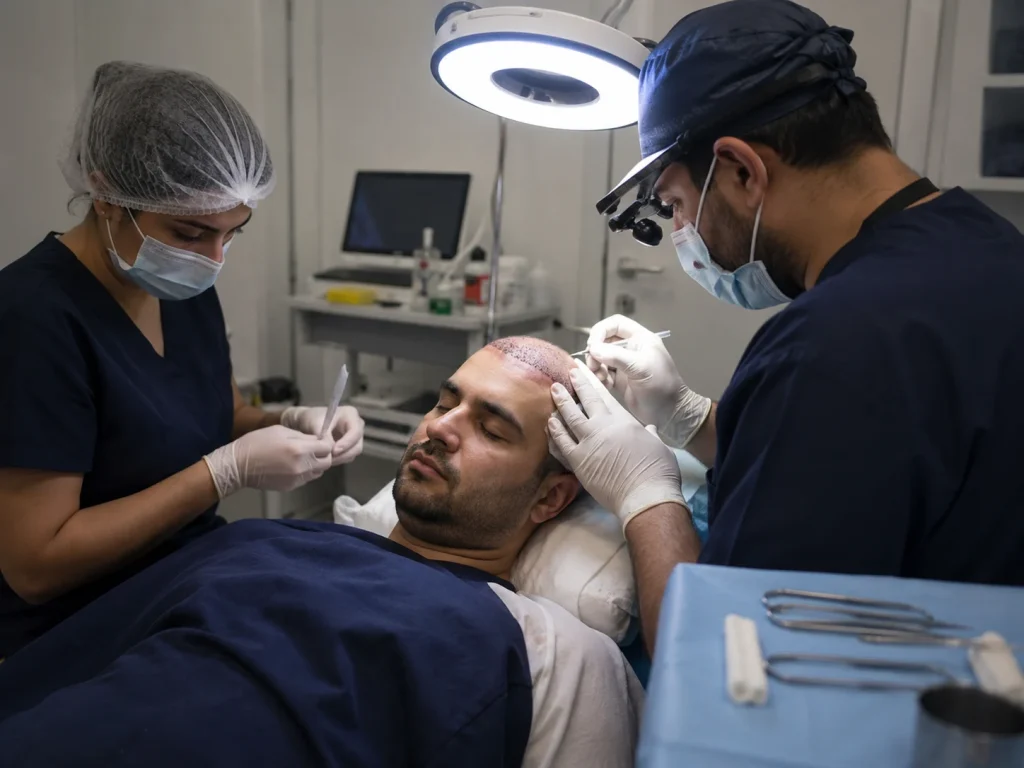
Using a very limited and targeted anaesthetic method, restorations are carried out to not only provide the greatest comfort for the patient but also to keep the patient free of systemic stress during the whole time. The biggest drug-related issue here is the use of local infiltration anesthesia, which normally consists of a mixture of lidocaine and epinephrine prepared for the patient. Since you are completely awake, alert, and conscious during the whole time, you are totally spared from the systemic risks, respiratory issues, and the long recovery periods usually associated with the use of general anesthesia.
| Clinical Parameter | Local Infiltration Anesthesia (Used in Transplants) | General Anesthesia (Used in Visceral Surgery) |
| Cognitive Awareness | Fully awake, communicative, and responsive | Completely unconscious; requires mechanical ventilation |
| Systemic Impact | Confined strictly to the superficial scalp tissue layers | Systemic circulation; affects central nervous and cardiac systems |
| Recovery Window | Immediate; zero grogginess or post-sedation nausea | Requires intensive multi-hour hospital monitoring |
| Life-Threatening Risk | Statistically negligible; monitored via safe dosage thresholds | Higher complexity baseline requiring anesthesiologist management |
As the table clearly shows, with local administration of the numbing agents, the active ingredient stays only in the scalp area. The epinephrine dose that is added to the mixture has as its main purpose the local constriction of vessels, so it reduces bleeding on the surface and also slows down lidocaine absorption by the body. Your medical team of top-notch professionals calculates these amounts based on your body size, thus completely eliminating any possibility of localized systemic toxicity and keeping everything in your body at normal vital signs.
Re-Contouring Head with a Hairline that Looks Great on a Fit Physique
Knowing well the outstanding safety thresholds of micro-grafting can even lead one to become physically fitter with complete trust. Those who commit themselves fully to an extraordinary physical training program – especially if the focus is very strictly on the lower body hypertrophy and gluteal engineering for a perfect hourglass figure – should know that the head frame and hairline are very powerful actors globally for symmetry. Hairline recession and balding crown can mess up the facial proportions to the extent that the increasingly unbalanced look distracts from the elegant, hard-earned line of your shoulders and your waist, which is the narrowest.
Getting a good hairline back with minimally invasive hair restoration, the expert manages to clean up the overall silhouette. If the face dimensions are brought back to geometric harmony, the profile will reveal that same unyielding discipline, polished energy, and athletic grace that the body has. Since no internal tissue is disturbed and there is also minimal cellular stress, the metabolism is free to fuel the training goals while the body proportions are well displayed visually from every angle.
Risk of Non-Fatal Complications
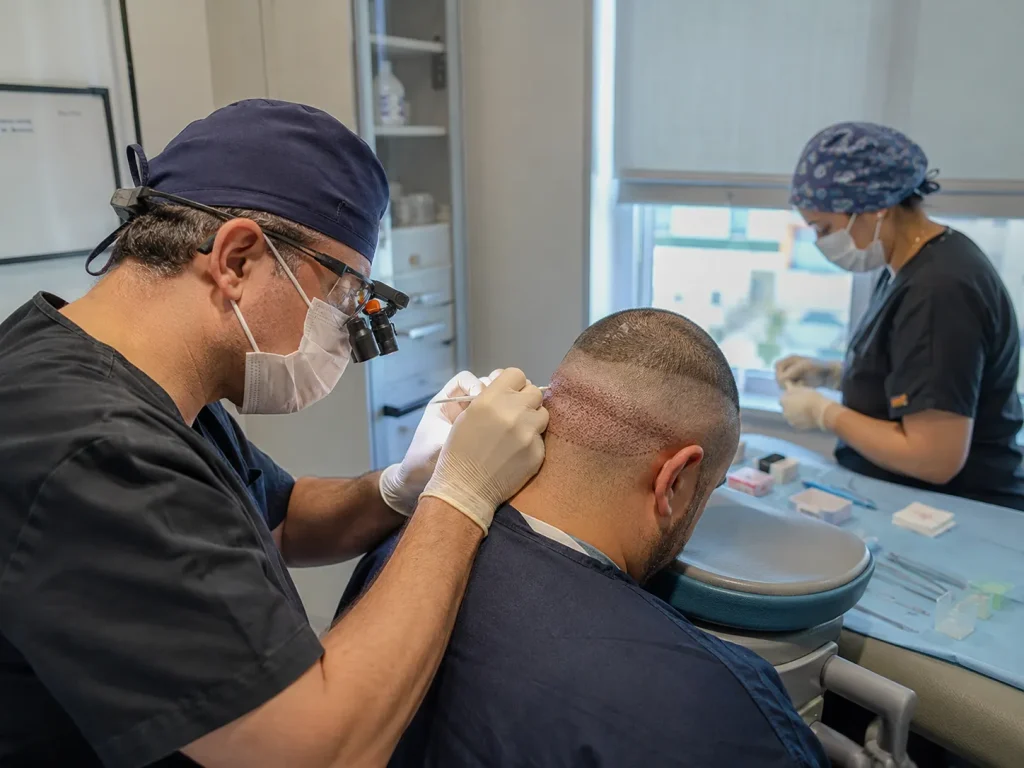
It is true that hair transplantation does not pose the threat of death, but one still must be cautious of the occasional minor aesthetic complications that may make it difficult for one to achieve a perfect cosmetic result, and also the survival of healthy grafts. One main post-operative infection resolution for the first week or even two is to refrain from any kind of contact with the infected site.
Since the scalp will be punctured by thousands of tiny needles right after the FUE or DHI treatment, it is critical not only to wash with medical-grade anti-microbial products but also to avoid touching or scratching the newly formed scabs with unclean hands. The exercise must be stopped completely for at least 2-3 weeks, especially the weight lifting that involves heavy loads. The pumping up of the iron is causing the blood pressure and the intracranial pressure to be raised, which in turn may lead to the new fragile grafts being pushed out of their channels or bleeding along the incisions.
Hair Transplant in Turkey
LIN Europe Clinic means a cutting-edge global medical home where your individual transformation and trichological health are taken care of with top clinical skills and deep empathetic attention. In fact, we know that even a non-invasive hair restoration deserves a highly sophisticated, clear, and very reassuring environment that always puts evidence-based medicine first. LIN Europe Clinic in Turkey is one of the best places for advanced facial and hair restoration in the world, and it is where you can find tranquility, as your treatment plan will be based on strict global patient safety norms of the highest level.
By deeply trusting us at LIN Europe Clinic in Istanbul, you will enjoy a very meticulously executed hair transplant using world-class diagnostic methods, ultra-thin sapphire blade, and advanced micro-pen implanting to ensure the grafts are extracted with minimal trauma, survival of the grafts is maximized, while donor tissue is kept fully safe. Your personal medical team will track your entire recovery period and keep your investment, which is your scalp and hair, safe for a lifetime. You will be in the best hands and enjoy the good life with LIN Europe Clinic in the modern city of Turkey.
FAQ:
First of all, a hair transplantation will not bring about any long-term medical illnesses or systemic health conditions. After the initial 14 days when the skin micro-channels recover, the transplanted hair follicles are like your natural ones and therefore will not endanger your health in any way.
Definitely not! Bones of the human skull are so tightly and solidly constructed that they completely isolate and shield the brain from the skin layers at the surface. Hair transplant wounds are very shallow and only penetrate the skin about 4 – 5 millimeters. So, it is impossible for these incisions to go near or affect the cranial bones.
In fact, the most common post-operative issues are the mild and temporary ones like a little swelling around the forehead and eyes, minor redness of the skin, feeling of tightness, and some itching when the scabs appear. Usually, these normal skin changes go away completely after three to seven days.
Yes! Since the operation is done under local anesthesia without turning you into a numb and immobile person, you are free to travel or take a flight the day after. The only thing is that you need to use the special protective neck pillow to prevent your scalp from coming into contact with the airplane seat.
Shock loss refers to the temporary shedding of one’s own hairs around the area being treated as a response to the stress produced by the procedure. It is a normal way that the body reacts physiologically, but an expert surgeon can help reduce shock loss by performing micro-grafting with minimal trauma and spacing the incisions with perfect mathematical precision.
Unger, W. P., & Shapiro, R. (2004). Hair Transplantation: Surgical Mechanics and Surface Anatomy. Marcel Dekker.
Bernstein, R. M., & Rassman, W. R. (2002). Follicular Unit Extraction: Minimally Invasive Surgery for Hair Transplantation. Dermatologic Surgery, 28(8), 720-728.
Singer, A. J., & Clark, R. A. (1999). Cutaneous wound healing and epidermal tissue remodeling dynamics. New England Journal of Medicine, 341(10), 738-746.