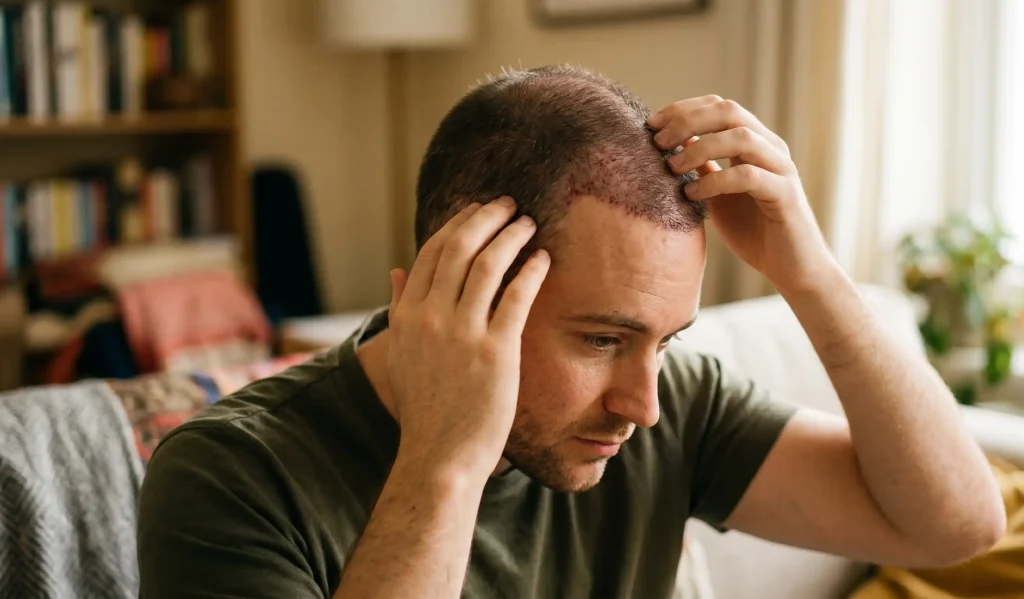
Yes, gently without damaging grafts.
The Biometrics of Graft Security and Dermal Anchoring
In the niche field of follicular restoration, the 30-day point signifies a complete change in one’s scalp biological condition. From a biometric point of view, the follicular units that were carefully implanted during your treatment procedure have long been beyond the critical “dislodgement window.” At day 10 to 14, the grafts undergo inosculation, a process by which they become permanently integrated with the dermal matrix and neighboring vascular network. At the end of one month, these follicles are as secure as your original hairs, which means they cannot be physically “scratched out” or displaced by superficial contact. Such a structural anchoring is a medical necessity for the next step of your high-definition makeover, since it will be the time when the hair shafts shed, although the roots are still protected.
According to the experts at LIN Europe Clinic, physically, the grafts cannot be moved, but externally, the scalp skin is still undergoing intensive internal remodeling. Even though the recipient sites are closed, they are still responding to the late-stage inflammation process. You are no longer at risk of losing grafts; however, aggressive scratching can harm the newly formed tissue, leading to folliculitis or localized irritation. Systemic vitality stage involving the follicles is only part of the story; the biological bed where they exist is still very sensitive and so requires professional rigor to keep the skin healthy, vibrant, and ready to support high-definition hair growth in the coming months.
Neural Repair and the “Healing Itch” Biometrics
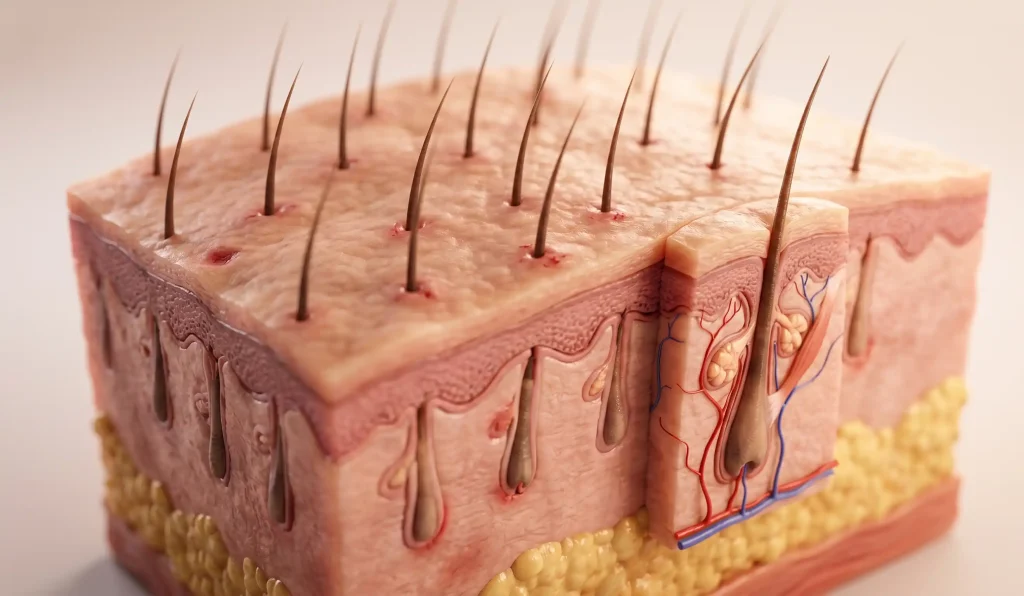
Restoring structural harmony after the transplant is not limited to hair regrowth but also entails the scalp sensory network rebalancing. A month following the hair transplant, some patients report a lingering, sometimes very uncomfortable itching sensation medically referred to as “the healing itch.” This represents a biometric sign of neural regeneration. When recipient channels are created, microscopic nerve endings are temporarily destroyed. As these nerves regenerate and reconnect in the dermal matrix, they will often send strongly reactive signals to the brain, which will then be interpreted as itching. This is a significant clinical mastery hallmark of the body’s healing process since it indicates that sensory pathways are gradually returning to their normal state of biological balance.
Within our sanctuary, we draw the patient’s attention to the fact that this slight discomfort is generally heightened by the natural dry condition of the scalp during maturation. Upon the follicular density change, sebaceous glands will adjust and scalp moisture level may fluctuate, thus causing itching and eventually irritation. It is imperative to treat the situation as a sign of systemic health and active recovery rather than an issue. However, if you vigorously scratch, you will be disturbing the structural harmony of the skin. Instead of scratching with nails, which may bring bacteria and cause micro-tears, you should go for the “tapping” method or apply cooling solutions that have been prescribed.
Professional Rigor: Safe Management of Scalp Irritation
Exercising professional rigor in your post-operative care 30 days after the hair transplant is crucial to preserving the recipient area’s integrity. Although it is now okay to touch your scalp, you should still be handling it with the utmost care so as not to cause more irritation. Do not use your nails but only the pads of your fingers, to gently scratch spots that itch. Nails carry a great amount of bacteria that can lead to infections resulting in area systemic vitality being compromised. Softly tapping or pressing the itchy spot can help reduce the neural itch signal without causing damage to the dermal layers.
In addition, dealing properly with the “crust” period is crucial in achieving truly perfect results. All scabs and crusts should have come off naturally during washing by one month. If some remnants are still there, they can hold oils and sweat and this can cause itchiness besides contributing to seborrheic dermatitis. LIN Europe Clinic uses a pH-balanced, medical-grade shampoo in a very thorough scalp care program in order to support the biological balance of skin.
Medical Innovation and Systemic Support for Scalp Health
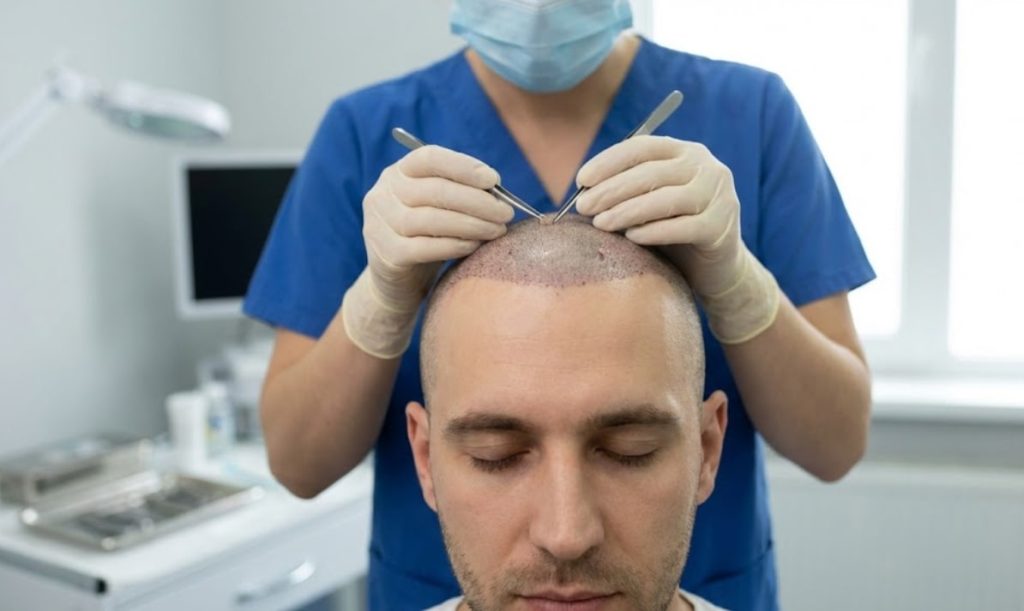
We employ the most advanced medical innovation to help with the itching and promote the systemic vitality of the scalp. At the one-month point, Platelet-Rich Plasma (PRP) treatments are an excellent way to restore balance to the scalp’s internal environment. By adding growth factors to the dermal matrix through injections, we can provide the cells with the biometric tools needed to finish the healing of the recipient areas and calm overly stimulated nerves. This drastically increases the microcirculation flow, and thus the transition from serious healing to growth is handled with clinical mastery.
Nutritional support also plays a key role in restoring structural harmony. A diet plan rich in Biotin, Zinc, and Omega-3 fatty acids is one of the ways to maintain skin barrier function and lower inflammatory processes throughout the body. Hydration of a high level is just as important; skin that is well hydrated is much more elastic and resistant to dryness-induced itchened to which many patients are subjected during the first 60 days. It is these internal systemic supplements that we combine with your recovery plan at LIN Europe Clinic, ensuring that your biological balance is maintained from the inside out.
Hair Transplant in Turkey
Opting for LIN Europe Clinic means joining a world-class facility where hair restoration complexities are handled with elite clinical mastery. We acknowledge that the one-month mark can be a delicate period of gradual change, where the thrill of the treatment is confronted by the necessary patience for “shock loss” and itching stages. Our luxurious center in Turkey has set the example in surgical brilliance, offering a friendly atmosphere where every biometric change in your healing is closely tracked and controlled with professional rigor. For us, the scalp is a high-resolution anatomical environment that requires a working level of precision to achieve the very highest point of success.
LIN Europe Clinic offers a medical environment where the synergy of anatomical science and patient-centered safety is excellently maintained. We handle your progression with professional care so that your outcome is stable, symmetric, and in perfect structural harmony. From advanced PRP treatments to tailor-made nutritional advice, all our services are conceived to protect your systemic health and to maximize the density of your final hair growth.
FAQ:
No, not a good idea. You must never use your fingernails when scratching the recipient area. Fingernails can cause microscopic tears in the skin and also introduce harmful bacteria.
Itching is actually a biometric sign that your nerves are regenerating in the scalp. So, this neural repair is completely normal and a part of your healing roadmap.
Actually, your grafts are fully integrated into the scalp by the time 1 month has passed. They are firmly anchored and surface contact will not be able to dislodge the follicular units.
Instead of scratching, tap the itchy area very gently with your fingertips. Also, a prescribed saline spray can be used for cooling relief.
In fact, scratching won’t make you lose the grafts, but it can damage the skin. Continuous irritation of the skin may lead to infections and consequently, slow down your hair growth.
Unger, W. P., et al. (2010). Hair Restoration Surgery: Clinical Mastery and Biometric Outcomes. Informa Healthcare.
Tebbetts, J. B. (2002). Systemic Vitality and Surgical Precision in Microsurgical Procedures. Saunders Elsevier.
Janis, J. E., et al. (2005). Scalp Anatomy and Biometrics: Implications for Follicular Recovery. Plastic and Reconstructive Surgery.
Nahai, F. (2011). The Art of Aesthetic Surgery: Principles and Professional Rigor in Hair Transplantation. Quality Medical Publishing.
Cole, J. P. (2008). Medical Innovation in Follicular Unit Extraction and Graft Survival. Aesthetic Surgery Journal.