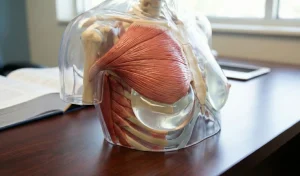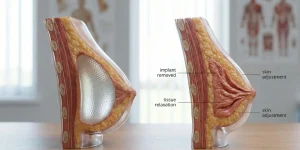
Carbonation may cause temporary stomach discomfort.
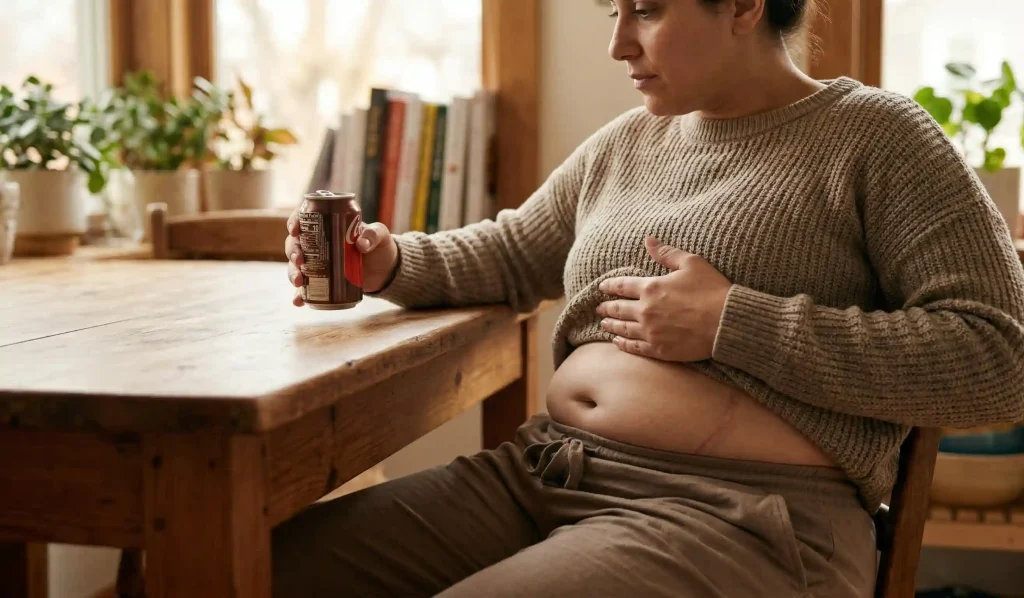
When talking about gastric sleeve operations (which are also referred to as sleeve gastrectomy), a significant question, which is rarely discussed, is about the intake of carbonated drinks during the post-op period. The primary concern is not an everlasting ‘stretching’ of the stomach (because our stomachs are very elastic and have layers of muscles), rather it’s a sudden increase in the pressure of the stomach when the carbon dioxide gas gets released.
As the presently reduced stomach pouch is poorly distensible (in contrast to the original large organ), this abrupt gas volume increase may lead to a painful sensation, triggering reflux and, in the worst scenario, stressing the staple line during the healing period of neocollagenesis. Drinking a fizzy drink once won’t expand your stomach to its original size again, but if you keep on doing it, you might get ‘functional stretching’ and your early feelings of satiety may gradually disappear.
Impact of Gas Expansion on the Gastric Sleeve
| Feature | Flat Liquids (Water/Tea) | Carbonated Liquids (Soda/Seltzer) |
| Intragastric Pressure | Minimal/Standard | High (due to CO_2 release) |
| Gastric Emptying | Rapid/Controlled | Delayed by gas “air-lock” |
| Satiety Signals | Natural | Distorted by bloating |
| Staple Line Stress | Low | Moderate (in early recovery) |
| Nutritional Value | High (if protein-enriched) | Usually Low/Empty calories |
The Physics of Gas Expansion: Boyle’s Law in the Pouch
You can figure out what will happen with the carbonation in your stomach by understanding how pressure and volume interact; or more technically, when you take a carbonated drink down, as it warms in your mouth and stomach and interacts with the acid, the gas (CO2) will separate out of the liquid. By the gas law (as simplified):
Of course, in a gastric sleeve setting, the volume is such a small, fixed capacity. Accordingly, with gas volume increasing, the pressure will have to rise substantially. This abrupt pressure increment literally pushes against the pouch’s inner surface by stretching it outward. Even though the stomach has a muscular layer that can be tightened and loosened, the continuous gas-induced stretching can lead to the impairment of the stretch receptors that signal to the brain about the state of fullness, thus possibly causing natural regulation breakdown along with weight loss plateaus in Turkey.
Reflux, Heartburn, and Staple Line Integrity
Stretching concerns aside, it is well-known that carbonated drinks are the main factor in triggering Gastroesophageal Reflux Disease (GERD), and after the reduction of the stomach volume, it can be further intensified. The upward pushing force of the gas may even result in the acid refluxing into the esophagus, causing persistent heartburn and a burning sensation. Also, during the first phase after the operation, this gas pressure creates an additional load on the staple line which can be avoided for a more successful surgery. Since the healing process involves the production of new collagen to strengthen the surgical seams, keeping the pouch at a low-pressure state will help in preserving its integrity in Istanbul.
At Lin Health Europe Clinic, we have identified the management of carbonation as an integral part of our high-level ‘Staple Line Protection’ whose main function is to preserve the safety of the operations performed. Our experts in bariatric care in Turkey only have one recommendation when it comes to soda or any other fizzy drinks: total abstinence for a minimum of 6 to 12 months after surgery. Here in Istanbul, we hand our international patients a well-crafted ‘Hydration Bio-Plan’ that highlights the importance of good quality, non-gas-producing beverages. This high level of professional care makes sure that your new stomach will be maturing without the mechanical stress brought on by gas expansion, thus bringing the best to your comfort and surgical outcome together.
The “Slider Food” Effect and Nutritional Stalls
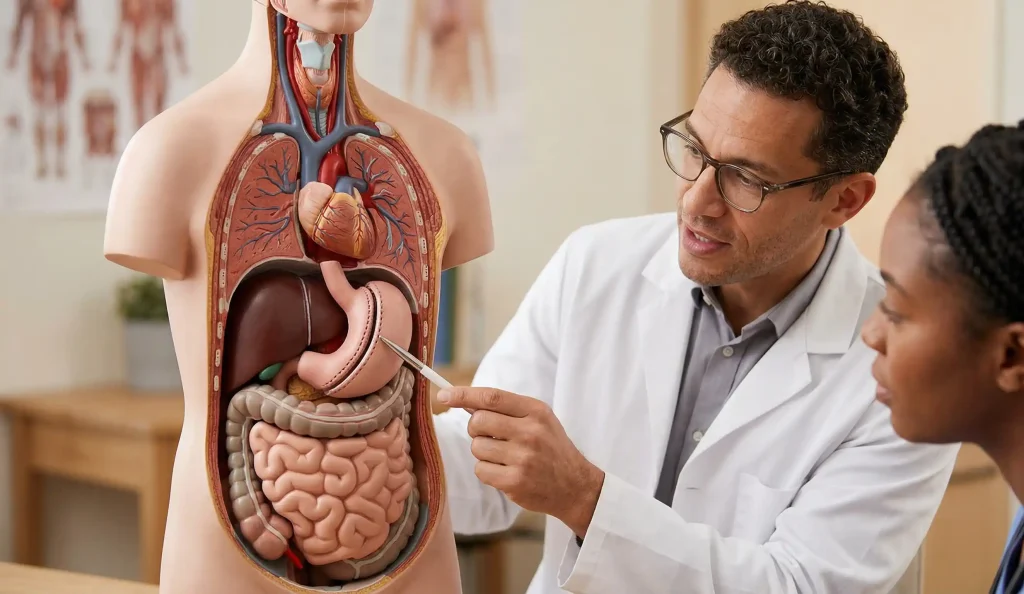
Another insidious problem that results from drinking carbonated beverages is the facilitation of the so-called ‘slider food’ effect, wherein the food is pushed down with the drink so forcefully that the whole meal can go through your stomach and intestines in a very short time, thus minimizing the feeling of satisfaction. When you combine the consumption of gas and liquid either together or immediately after the meal, it can propel the food through the gastric outlet (pylorus) quicker than expected. This results in the absence of your full awareness and thus a heightened chance of grazing behavior. Besides, carbonated drinks often contain significant levels of sugar or artificial sweeteners, which can lead to Dumping Syndrome or cause a rapid increase in insulin levels, stopping the process of fat burning and thereby complicating your metabolic reset in Turkey.
With the knowledge and skills of Lin Health Europe Clinic, it is a simple reassurance that our patients in Istanbul will be checked with the help of the ‘Volume Awareness’ methodology. We instruct our international patients carefully that liquids, especially carbonated ones, should not be taken 30 minutes before the meal and also after the meal if one wants to maintain their gastric sleeve functioning as a significant fraction controller. Respecting the natural volume of the pouch will allow neocollagenesis to bring about a stable, functional stomach – one that supports your weight-loss goals by means of utmost professionalism.
Elite Bariatric Mastery at Lin Health Europe Clinic
Lin Health Europe Clinic is the global retreat for those who desire nothing less than the highest level of bariatric perfection and complete health transformation. Our center in Turkey is a landmark of medical breakthrough, where the cutting-edge techniques in stomach size reduction merge with the highest standards of JCI-accredited safety and critical care. Through a combination of medical precision and world-class hospitality, we have become the undisputed leader in medical tourism, providing an environment in Istanbul where each procedure is carried out with the best that the world has to offer. Trusting us means entrusting your body to the most expert hands in the surgical weight loss industry.
Frequently Asked Questions About Gastric Sleeve:
It is probably impossible for carbonated drinks to “stretch” your stomach back to original size permanently, but the pressure from the gas inside can make the stomach expand temporarily and cause discomfort. Frequent consumption can make your satiety cues less sensitive, leading to overeating and possible weight regain, especially in Istanbul.
The majority of bariatric surgeons in Turkey advise at least a 6 to 12 months waiting period after surgery before considering carbonated drinks. Here in our clinic in Istanbul, our advice is to steer clear of them forever so as not to jeopardize the staple line and also to maximize weight loss outcomes.
Gas pressure can be a factor in the development of leaks, although this is unlikely, the stomach is closed with a staple line and it has to undergo a healing process, the gas pressure and expansion in very early recovery and not the best time of recovery could have an effect on the staple line and cause a leak.
Of course, even “healthy” carbonated/sparkling water has CO2 gas and it is capable of causing vomiting and bloat. Therefore, the recommendation in Istanbul is to drink only flat water or herbal teas so you can stay hydrated without the “ill” feeling of gas that is common in Turkey.
Most probably, you will be experiencing profuse bloating, gas pain, or hiccups after taking a very small amount of carbonated water. You can count on us at Lin Health Europe Clinic to be by your side always, day or night, with our staffed 24/7 line to assist you in handling the discomfort and getting back on the path to your weight-loss objectives in Turkey.
Gagner, M., et al. (2013). The second international consensus summit on sleeve gastrectomy: managing intragastric pressure. Surgical Obese Related Diseases.
Weiner, R. A., et al. (2011). Nutritional and physiological impact of carbonated beverages after bariatric surgery. Obesity Surgery.
Schauer, P. R., et al. (2012). Bariatric surgery versus intensive medical therapy: the role of pouch volume. New England Journal of Medicine.
Rohrich, R. J., et al. (2014). The role of neocollagenesis in internal surgical staple-line healing. Plastic and Reconstructive Surgery.