Use mild soap after one week.
The Biometrics of Intimate Tissue Sensitivity
During the healing time of intimate restoration, vulvar tissues are extremely sensitive; the labia minora and majora feature numerous nerve endings and blood vessels responsible for systemic vitality but also making the area susceptible to swelling and irritation post-surgery. For the first 48 to 72 hours, the main goal is to fix the incision lines without exposing them to chemicals.
At Lin Health Europe Clinic, we consider the recovery environment as a fragile biological balance. Using ordinary soaps or fragranced cleaners too soon might upset the normal pH of the area and lead to a chemical “micro-trauma” of the healing edges. To keep structural harmony, it is necessary to allow the body’s natural blood-clotting and inflammation mechanisms to close the surgical sites before any surfactants are brought in.
The 48-Hour “Pure Water” Protocol
Hygienic requirements for the initial two days following labiaplasty are restricted to the use of pure, lukewarm water or specially prepared saline solutions. Such professional exactness guarantees cleanliness without the danger of irritation. Usually, patients are advised to use a “peri-bottle” (a squeeze bottle) for cleaning the area after urination instead of wiping, which may lead to mechanical trauma of the sutures.
Our expert team in Istanbul understands the preservation of the distinctive labial contours made during the operation as their top priority. At Lin Health Europe Clinic, we teach that this “pure water” stage is an essential step in making sure that the final artistic results are the prime example of clinical excellence. Our surgical expertise also emphasizes that no soap should be used during this acute phase so as to prohibit the ‘drying out’ of mucosal tissues, which is required for their comfortable and stable post-operative condition.
Transitioning to pH-Neutral and Unscented Cleansers
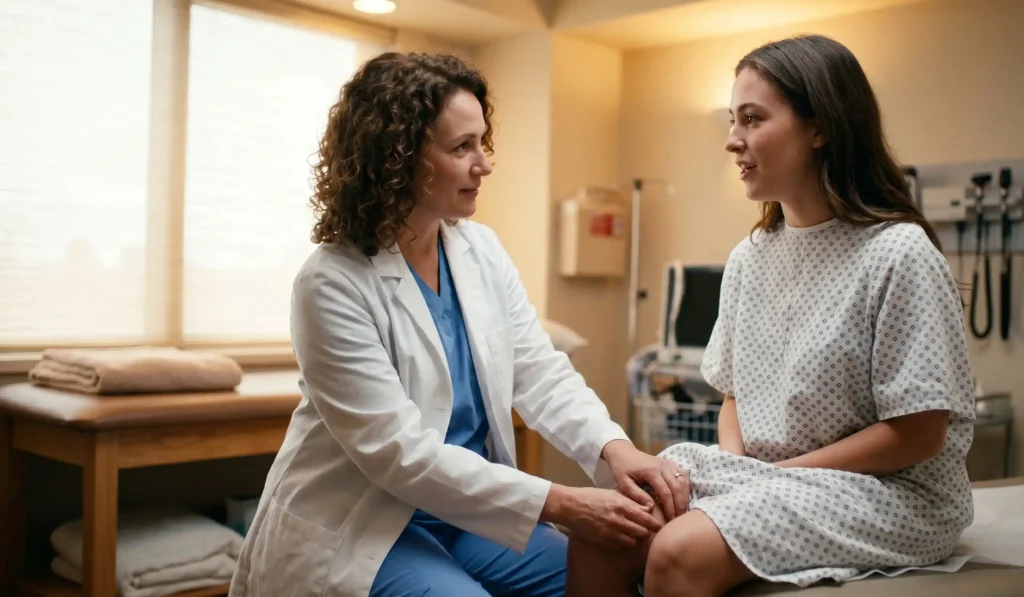
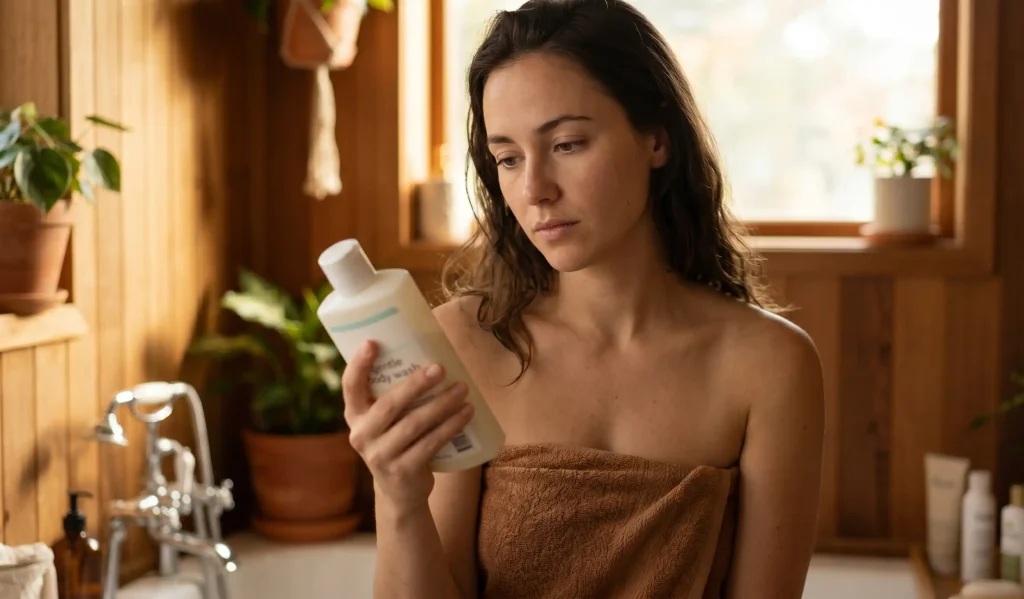
Usually, use of a very mild, unscented, and pH-neutral soap (a post-operative or baby cleanser is usually the one for use) may be started somewhere around day 3 to day 7 after the surgery. It is, however, a clinical requirement that the soap is not put directly onto the incision line. Instead, a small amount should be rubbed in the hands to create foam which then can be very gently used to wash the area during a lukewarm shower.
We perfectly teach patients how to “pat dry” the area with a clean, lint-free towel rather than rubbing, as a “delicate touch” is needed to get the most out of the hygiene. We often recommend medically innovative products such as specialized recovery foams that have antibacterial properties but are still very gentle. This is a way to guarantee that your systemic health will be very well taken care of while you are still in the phase of transition to the normal hygiene routine.
| Recovery Phase | Timeline | Hygiene Protocol |
| Acute Phase | Days 1–2 | Lukewarm water or saline rinse only (peri-bottle). |
| Initial Cleansing | Days 3–7 | Mild, pH-neutral, unscented soap (indirect contact). |
| Maturation | Weeks 2–4 | Regular gentle washing; avoid soaking in baths/pools. |
| Full Recovery | Week 6+ | Return to standard hygiene and immersion activities. |
Professional Rigor: Avoiding Irritants and Immersion
Whilst gentle soap use can be introduced after the first few days, there are a few ‘red flags’ to be avoided. In order to preserve the structural harmony of the results at least 4-6 weeks after surgery, traditional body washes, exfoliants, and ‘feminine hygiene’ sprays should be strictly avoided. As these products often contain alcohols and fragrances, exposure can trigger an inflammatory response, resulting in further swelling and even suture dehiscence.
Besides, professional rigor requires that you not bathe in water tanks like bathtubs, hot tubs, and pools until your internal and external wounds have healed completely, which is the 6-week point at the latest. This is very important for the scourge of infections and the overall systemic vitality of the tissues. Our distinguished Istanbul team conducts progress monitoring remotely through high-resolution assessments to inform you when your body is ready for full immersion in water.
Labiaplasty in Turkey
Going to Lin Health Europe Clinic to perform your intimate restoration means that you are stepping into a world-class venue where surgical brilliance is coupled with very high JCI-accredited safety standards. We are aware that post-operative care is an important factor in the entire transformation process, and we take responsibility for even the smallest details—from the surgical precision to the hygiene specifics.
By deciding on our clinic in Istanbul, you entrust your medical care to a system that has great expertise in both technical and biological aspects of labiaplasty. We offer a smooth, comprehensive service where your change to a more comfortable and confident body form is carried out with professional care. Visit Lin Health Europe Clinic and enjoy results that are the very epitome of aesthetic and biological balance. Your journey to a finely polished, high-definition self is closely managed with the utmost precision throughout the entire process.
FAQ:
You should only use soap after your labiaplasty in Turkey if it is a very mild, unscented, pH-neutral soap starting from day 3 or 4. Up till then, use only lukewarm water or saline to keep the systemic vitality of the healing tissue.
Soap without fragrances, dyes, or harsh chemicals would be perfect for you. A cleanser that is pH-balanced and especially designed for sensitive skin is at the very top of the list for maintaining structural harmony during the healing process.
Partially no, you have to stay away from soaking the area for up to 6 weeks. Only lukewarm showers are allowed so that the incision sites remain stable and free of infection.
There is a specific biological balance in the intimate area. Using alkaline soaps can cause a disruption which leads to irritation or yeast infections, and these can even affect your surgical results negatively.
The best is always “pat dry” with a clean soft towel or you can even use a hair dryer on a “cool” setting. Do not rub because it can cause the sutures to loosen and also the labia’s structural harmony can be affected.
Tebbetts, J. B. (2002). Systemic Vitality and Surgical Precision in Intimate Procedures. Saunders Elsevier.
Nahai, F. (2011). The Art of Aesthetic Surgery: Principles and Professional Rigor in Labiaplasty. Quality Medical Publishing.
Janis, J. E., et al. (2005). Vulvar Anatomy and Biometrics: Implications for Post-Operative Hygiene. Plastic and Reconstructive Surgery.
Alter, G. J. (2011). Aesthetic Labiaplasty: Clinical Mastery and High-Definition Results. Clinics in Plastic Surgery.
Triana, L. (2015). Aesthetic Vaginal Surgery: Medical Innovation and Structural Harmony. Springer.