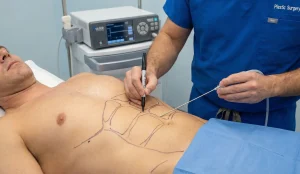

Temporary mood changes after breast surgery.
Maybe you’ve really done your homework on breast surgery for months or even years. You budgeted, found a surgeon via Instagram, chose your implant size, and marked the surgery day on the calendar with the greatest excitement. Eventually, the surgery day has been over and you are back home after the procedure. But instead of being happy or relieved, you find yourself crying for nothing, getting easily annoyed with your partner, or feeling very down and sad. You check yourself out in the mirror and suddenly regret the decision asking yourself, “What made me do this? Why did I hurt myself like this?“
Most people in the plastic surgery industry recognize this as one of the recent trends of the “Boobie Blues.” It is a special type of depressive disorder that comes and goes which lies in the psychological aftermath of surgery and it is especially prevalent among patients recovering from breast augmentation surgery. Boobie Blues is usually defined as an acute psychological reaction to breast surgery. The Timings of events are usually well defined from day 3 to day 5 of post operatives .It can be a very frightening experience if you hadn’t anticipated it, and it will make you question your decision in an irrational way. At Lin Europe Clinic, we want to assure you that this emotional breakdown is absolutely normal, temporary, and most of the time it is a physiological rather than a psychological problem. You simply have not gone wrong; your body is only showing the signs of stress resulting from the operation you have just had.
The Anesthesia Comedown
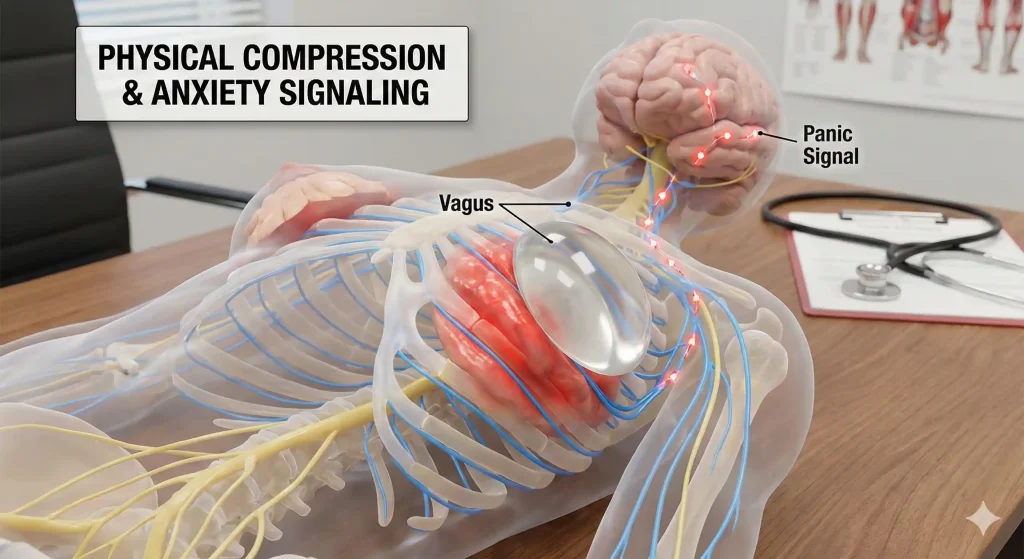
A major chemical factor that contributes to this is the effect of anesthesia that still lingers in the body. The brain chemistry of a person can be drastically changed by general anesthesia and strong post-operative painkillers (such as opioids/narcotics). In order to keep you unconscious and free of pain during surgery, your central nervous system is purposely suppressed. When these strong drugs are broken down and eliminated from your body after a few days, your brain chemistry may get out of balance for a short time. This “chemical with drawal” is often accompanied by mood changes which could be sudden, feelings of anxiety, weepiness, or even feeling emotionally empty which has nothing to do with your life situation.
The Adrenaline Crash
Besides that, a drop in the psychological level of “high” is the next effect after the surgery. For the last several weeks before your surgery, your body was continually under the combined effects of the stress hormone, cortisol, and the excitement hormone, adrenaline. Your mind was completely occupied with everything about the operation, the journey, and the procedure itself. After the operation, however, the supply of adrenaline stops very suddenly. The analogy to “post-wedding blues” fits well. The most important and biggest event that you have been preparing for is finally over and now the boring unappealing reality of recuperation is left—simply lying in bed which doesn’t excite you even a bit and you feel sore. Such rapid decline in the level of excitement hormones can leave you feel exhausted and down.
The “Frankenstein” Phase: Mirror Shock
Another large cause of Boobie Blues can be greatly prevented by the understanding of the root of the problem—expected-actual-ego-discrepancy. We all fantasize about the result photo post-surgery—the flawless, perky, smooth end result that we have seen on social media. But actually, the first week’s reality is incredibly different.
When you take the dressing off, you probably will not see a beautiful figure already. What you will see is bruises, yellow iodine stains, dried blood, and severe swelling which has completely changed the form. Perhaps the breasts seem too high-up (close to the collarbone), and the skin looks glazy and dangerously stretched. At this time you might feel like the body depicted in horror stories calling it “Frankenstein”. Most times the sight of a battered and bruised lowest self can be enough to out the old tell the overpowering self-doubt and doubting one’s decision. The story must however be told different; it is important to at least remember that this is certainly not your last result. The entire situation just feels like a construction site where it looks horrible now but later will be the most beautiful.
The Isolation of “Elective” Pain

On the contrary to broken limb or appendectomy, cosmetic surgery recovery is accompanied by an emotional experience that is unique— Guilt. Since the surgery was a choice and you “did it yourself”, there might be the feeling that you don’t have the right to complain about the pain.
Relatives and friends, even though they really want to support us, sometimes they can say things like: “Well, you wanted this, didn’t you?” when you are hurting. Such thoughtless behavior may give you a sense of being alone and not being understood. So you may decide to keep the pain to yourself in order not to be blamed, but then you are unknowingly adding up your emotional stress and sadness.
The Loss of Independence
Independent, go-getter women generally have the most difficulties with recovery restrictions. During the initial week, you will be physically restrained to some extent. For example, you might not be able to wash your hair, bring your glass of water to your mouth, or even get out of bed without someone helping you due to the soreness of the pectoral muscles.
Being left without control or freedom in such a sudden way may cause feelings of helplessness and childlike behavior. Having to depend on others for your basic needs pulls down your image of self as an able adult and you end up feeling “useless” and a “burden.” Not being able to work out, which is usually your outlet for stress, also adds to your problems, and leaves you without any way to vent your frustration.
The Bloat and Discomfort
What is more, after a surgery, the recovery period is often marked by unsightly symptoms such as extreme bloating and constipation. It is as if your entire body, not only your chest, feels heavy, lethargic, and unattractive. When a person is suffering physically, it is quite challenging for them to keep up positive emotions. Besides, sleep deprivation (resulting from sleeping in an upright position so as to avoid swelling) adds to the problem and thus, reduces your emotional strength and leaves you quite helpless even when faced with minor problems.
When Will It Pass?
Boobie Blues don’t last long for about 9 in 10 patients. The haze starts to clear around Day 10 to 14. This timeframe also corresponds with several other milestones: you gradually stop taking narcotic painkillers, shower normally, enjoy a full uninterrupted night’s sleep for the first time, and the first signs of the beautiful result under the swelling become visible.
Frequently Asked Questions About the Boobie Blues
Yes, the feeling of “buyer’s remorse” is extremely common the first week due to the pain, swelling, and shock after seeing the incisions. Most of the time this feeling goes away when the healing progresses and the results come out.
The low mood is most intense around day 3 or 4 and comes to an end on its own in most cases within 2 weeks when your energy levels are back and the anesthesia has left your system.
General anesthesia sometimes causes a temporary imbalance of chemicals in the brain which results in crying, anxiety, or irritability for a few days after the procedure until the drugs are totally out of your system.
Of course. “Post-op bloat” referring to the condition of water retention and constipation can make you feel uglier and weighed down, which adds to the negative feelings about your body image during recovery.
Most of the time, no medication is necessary because the condition is temporary and due to circumstances. You might want to check with a mental health professional if the symptoms last for over a month or if they interfere with your daily life.
Rankin, M., et al. (2012). Psychological aspects of plastic surgery. Seminars in Plastic Surgery.
Honigman, R. J., et al. (2004). The possible role of corticosteroids in the development of post-operative depression. Journal of Advanced Nursing.