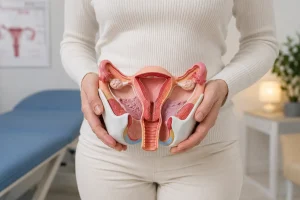

It includes shape distortion and the “snowstorm” effect.
An intracapsular rupture is a situation in which the silicone or saline material that is inside a breast implant leaks but the leak is still within the fibrous capsule that the body forms around the implant. This capsule acts as a barrier, preventing the material that has leaked from going to the surrounding tissues.
The implant’s outer shell may still be there, but the rupture inside the implant can change the implant’s shape, texture, and even its function. Intracapsular ruptures are usually associated with silicone breast implants. However, saline implants can also have internal ruptures, which in most cases will lead to deflation of the implant. Knowledge of implant types and the reasons for intracapsular rupture is useful to both patients and clinicians in detecting and solving the problem effectively.
Signs and Symptoms of Intracapsular Rupture

The signs of an intracapsular rupture can be very subtle most of the time, and the patient may not even be aware of them, particularly when the implant’s outer shell is still intact. Some of the most commonly observed signs are:
- Changes in Breast Shape: The breast shape or symmetry may change gradually or suddenly. It is possible that the breast will lose its symmetry or that it will be possible to see a bulge or an area of the breast being flattened.
- Firmness or Hardening: The region around the implant may become firmer or harder, especially if it is a silicone implant. The reason for this may be the occurrence of the scar tissue (capsular contracture) that has developed as a result of the implant leak.
- Discomfort or Pain: Intracapsular ruptures are not always accompanied with pain, but occasionally, a patient may have a slight ache or discomfort in the breast area. It happens more frequently in cases in which rupture causes capsular contracture or there is an irritation of the surrounding tissue.
- No Visible Symptoms: In a lot of cases, there may not be any noticeable physical changes or symptoms. This is the reason why those with breast implants should be regularly checked and imaged.
It should be remembered that the extent and recognition of symptom may vary depending on whether the implant is saline or silicone. In certain situations, patients may not detect any obvious changes until a professional examination or imaging confirms the rupture.
How Intracapsular Rupture Affects the Implant and Surrounding Tissue
When the implant ruptures, the implant is the source of the leak and so the contents (silicone gel or saline) will be released into the capsule that surrounds the implant. But the capsule around the implant often stops the release from leaking further in the tissue around the implant, which is a typical characteristic of an intracapsular rupture.
In case of a silicone implant, the silicone gel used is generally thick and can be stored inside the capsule; however, it can result in the breast looking different later on. Some of the times, gel can migrate to the tissue surrounding the capsule and cause problems such as a visible change in the shape of the breast, increased hardness of the breast or development of lumps.
On the other hand, if a saline implant, saline fluid enters the capsule, and the body is the one that absorbs it. This leads to a visible deflation of the breast, thus making it very easy to spot a problem with the implant. Even though this kind of rupture is a visual change and is therefore quite easy to be recognized, it is still important to keep an eye on the implant for any other possible signs of problems.
In both situations, intracapsular rupture may cause the natural immune system response of the body resulting in the formation of scar tissue around the implant. Such scarring tissue, or capsule, may solidify and thus cause changes in the breast’s shape and firmness as well as the progression of time which eventually leads to pain, discomfort, and aesthetic concerns.
Diagnostic Methods for Intracapsular Rupture
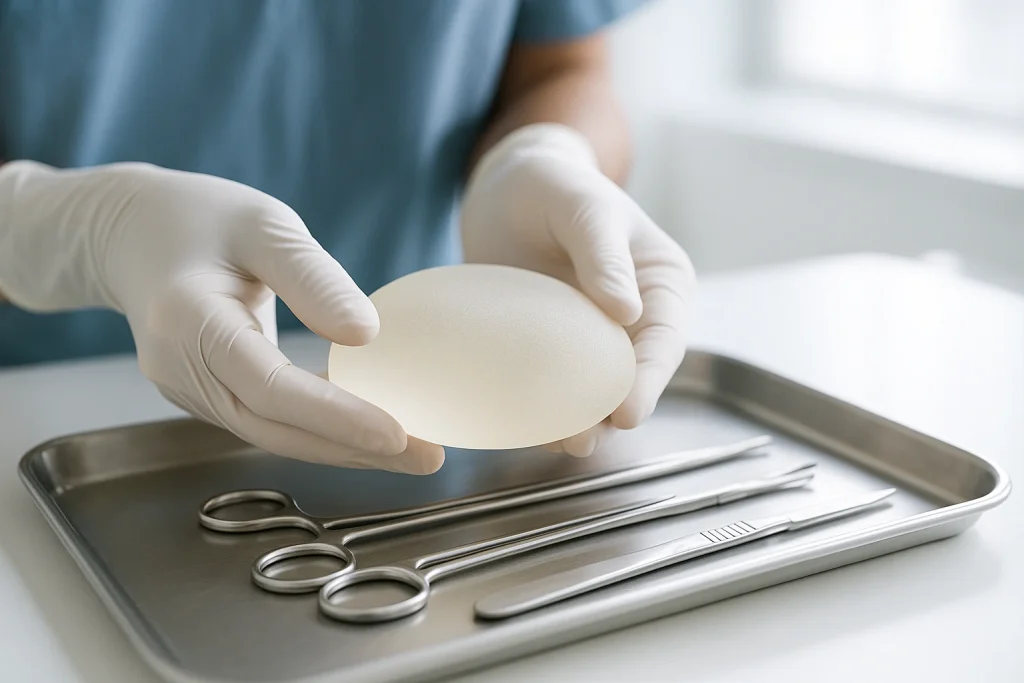
Correct identification of an intracapsular rupture is necessary for the right treatment to be given. Different diagnostic methods are used to find ruptures, with imaging tests being the most frequent and dependable instruments for inspection.
- MRI or (Magnetic Resonance Imaging): It is commonly known as the best tool in the case of detecting breast implant ruptures with silicone. It gives very detailed images of the implant as well as the tissue around it, hence allowing the radiologist to find out if there is any leakage or rupture of the silicone gel. MRI is very sensitive and thus it can locate even the tiniest ruptures; hence, it is a must-have diagnostic tool for silicone implants.
- Ultrasound: Ultrasound works well for saline implants and it helps to detect volume loss and change in shape that is due to deflation. It is not very potent in the detection of silicone gel ruptures but structural changes in the breast can still be confirmed by ultrasound.
- Mammography: The use of mammograms is mainly for the detection of breast cancer. However, they can also be instrumental in exposing some implant-related issues, such as ruptures. Although, mammograms may not be as efficient in locating ruptures in silicone implants as MRI or ultrasound are.
- Physical Examination: Besides imaging, a physical assessment by a proficient surgeon or expert can lead to the identification of external rupture signs such as changes in breast shape or firmness. Nevertheless, physical examinations on their own are usually not enough to make a definite diagnosis.
Especially patients with silicone implants should always be checked very carefully and on a regular basis through imaging and monitoring in order to be able to detect ruptures at an early stage. This is the only way that they can keep away from the chain of complications that might not only be the loss of the good aesthetic but also the decay of the functional side of the implants.
Treatment Options for Intracapsular Rupture
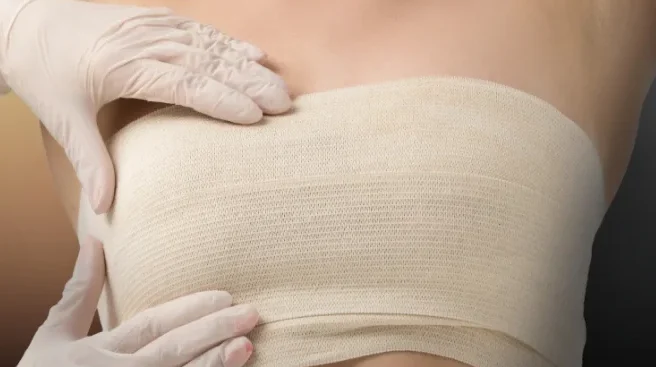
Typically, the therapy for an intracapsular rupture includes the removal of the broken implant and its replacement. The rupture treatment decision depends on various factors, such as the degree of rupture, the patient’s health status, and her preferences as to the implant type and size.
- Removal and Replacement of the Implant: The elimination of the ruptured implant with the insertion of a new one is the most common method utilized in the treatment of intracapsular rupture. The patient may use the same kind of implant or a different one to accomplish her goal. Additionally, in the case of silicone implants, the surgeon will remove any leaked silicone gel.
- Capsulectomy: In the event that the surrounding capsule has turned stiff or scar tissue has developed, a capsulectomy (removal of the capsule) may be performed to aid in the prevention of possible future problems such as capsular contracture. This operation guarantees that the new implant will have a smooth and stable environment.
- Non-Surgical Options: Some patients with saline implants that rupture and cause deflation may choose to wait for the implant to be completely deflated prior to replacement. However, this kind of choice must only be made after a surgeon’s advice.
It is absolutely necessary to change broken implants immediately, no matter the circumstances, in order to avoid further aesthetic and health issues. As an illustration, implants filled with highly cohesive silicone gel are on the cutting edge of technology and may provide greater strength and be more resistant to rupture, therefore, they could be a more long-lasting solution for patients.
Breast Implants in Turkey
What makes Turkey the preferred destination for breast augmentation in the world is the very good availability of advanced medical care, the skillful surgeons, and the less expensive treatments. Patients at Lin Europe Clinic in Istanbul enjoy the benefits of state-of-the-art technology, including MRI and ultrasound imaging, which help accurate diagnosis and treatment of intracapsular rupture. The world-class care is offered in a luxurious setting, thus providing patients from all over the world with a soothing and trustworthy way to their aesthetic needs.
Frequently Asked Questions About Intracapsular Rupture in Breast Implants
An intracapsular rupture is when the silicone or saline that is inside a breast implant leak but the leaked material remains within the fibrous capsule that normally envelops the implant. Such rupture is not accompanied by a release of the material into the tissues around the implant, but the implant may change its shape and become less firm.
One of the symptoms of intracapsular rupture are changes in breast shape, firmness or texture. Some patients may see the obvious changes such as deflation of saline implants, however, some may feel pain or a slow change of the breast’s look, particularly in silicone implants.
Although an intracapsular rupture may not significantly jeopardize your health most of the time, it is able to cause certain complications such as capsular contracture, changes in breast appearance and discomfort. If this condition is ignored, it can influence the visual outcome of your implant and you might have to undergo surgery to fix it.
Treatment of intracapsular rupture generally includes the removal of the broken implant and the insertion of a new one. If the area around the capsule is necrotic, the surgeon will perform a capsulotomy or capsulectomy to allow proper healing and the correct positioning of the new implant.
In most cases, it is advised to change the breast implant that has a rupture in order to visually make the breast look nice again as well as to keep its function. The breast will have to be reshaped with a new implant in case the implant is removed.
References
Hillard, C. (n.d.). Silicone breast implant rupture: A review. PMCID. Retrieved from https://pmc.ncbi.nlm.nih.gov/articles/PMC5409893/
Juanpere, S., et al. (2011). Imaging of breast implants—A pictorial review. Insights Imaging, 2(4), 403-410. https://insightsimaging.springeropen.com/articles/10.1007/s13244-011-0122-3
Everson, L. I., et al. (1994). Diagnosis of breast implant rupture: Imaging findings and clinical significance. AJR American Journal of Roentgenology, 163(1), 153-157. https://ajronline.org/doi/full/10.2214/ajr.163.1.8010248
Zingaretti, N., et al. (2019). Suspected breast implant rupture: Our experience. Springer. https://link.springer.com/article/10.1007/s00238-019-01610-1