
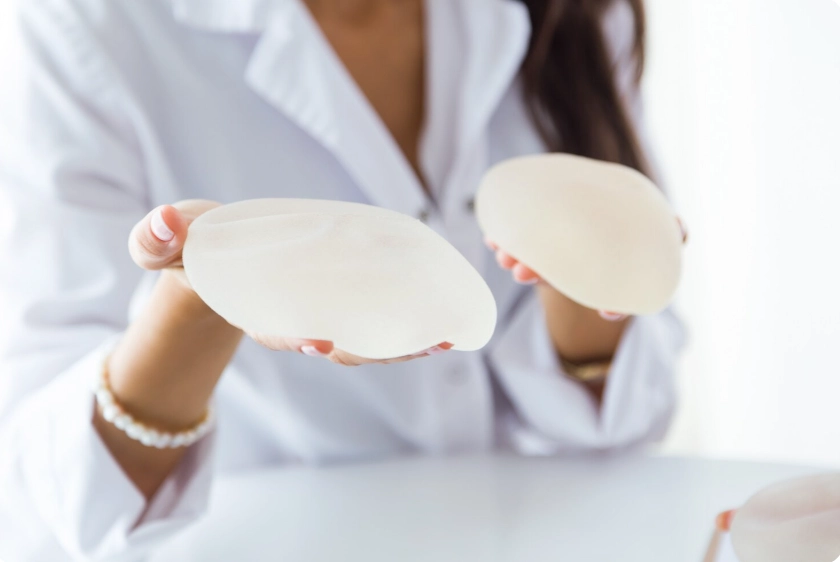
It lasts 10-15 years, but may need replacement over time
One of the most influential fashion trends in the area of plastic surgery is the placement of breast implants, that are known to be largely popular globally. The principal cause, undoubtedly, is that this kind of operation provides females the possibility to show off the charm of the nature-like form of their breasts plus to bring back the lost volume due to weight loss or maternity. However, as in any medical procedure, there are also certain things that you should know about breast implants, especially their lifespan. At Lin Health Europe, Istanbul, we try to help you with the provision of dependable and precise information so you can be comfortable giving your body the right decision. This article is about to explain the duration of breast implants along with the causes of breast implants, the factors that affect breast implants, and the methods to keep the implants for a long time of their lifetime.
Understanding the Lifespan of Breast Implants
The manufacturers of breast implants have put great effort into the design so as to ensure that such products would be durable; however, none of them are expected to remain functional throughout their whole lives. Generally, breast implants will last from 10 to 20 years. Nevertheless, the duration of their stay on earth can be quite different in many aspects depending on their nature as well as various other factors, including the implant type, your body’s natural reaction, and your mode of life.
Implants in the breast are of two types: saline and silicone. Compared to saline implants, silicone ones have less chance of rupture even after a long time. Therefore if the implant breaking occurs, it is silicone that keeps the shape while the content, which is salty water, will rapidly deflate. Though both are capable of staying long, silicone implants in general have more longevity.
While it is not necessary that breast implants be changed every 10 years, the point of view and the breast texture may be different as time goes by. The reason for this is aging, weight surfing, and the skin’s ever changing property.
Factors That Affect the Longevity of Breast Implants
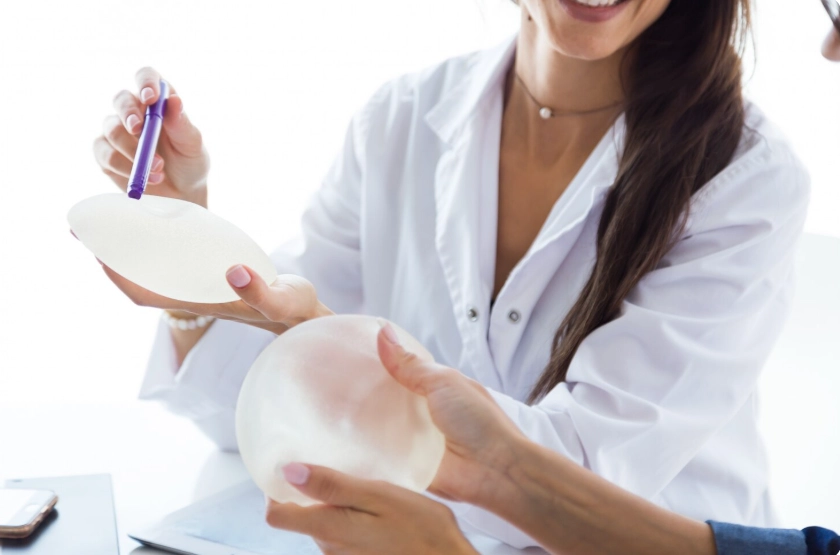
There are multiple factors that greatly influence the lifespan of breast implants. One of the major factors is the material from which the implant is made. As already mentioned, silicone lasts longer than saline primarily because of its inherent material properties. Both alternatives are equally safe, but silicone is widely regarded as more robust and less prone to rupture.
The method of placing surgical materials either under the muscle or on the top of it can also be a reason for their permanence. Implants placed under the muscle are less likely to have problems like capsular contracture (that is when the tissue around the implant tightens), which can cause discomfort and a hardening of the breast.
The dimensions and the shape of the implant also make a difference. Bigger implants give more pressure to the tissue around them which can lead to a change of their look after some time. If you decide on very large implants, they might become old and you will be required to replace them with the addition of stress on the breast tissue and skin.
The aging process is going to affect your body positively or negatively. Weight increase or decrease, pregnancy, and last but not least, the natural aging process are all factors that have a great impact on the feel and the look of your breast implants. The elasticity of your skin might be reduced which could result in sagging and other changes even though the implants are fine. Moreover, the lifestyles of individuals like smoking and taking part in hard sports can have an effect too. Smoking lowers the amount of blood that goes to the area of the tissue that is next to the implants, and it can cause problems. So, leading a healthy lifestyle can be of your implants and surrounding tissue a benefit.
What Happens Over Time: Signs of Wear and Tear
There will be changes which happen slowly but surely in your breast implants as a passage of time. One of the most evident signals of implant wear can be shape or size changing. Due to several reasons such as aging or changes in the breast tissue that surrounds your implants they may be shifted or look more deflated. Capsular contracture is an ailment where the natural scar tissue around the implant is so tightly fused that it makes the breast harder and possibly causes discomfort and changes in the breast looking.
Implant rupture or leakage is among the cases that are very rare but still can occur. The design of silicone implants is such that they are supposed to stay put, however, if a rupture takes place, it may lead to other problems. On the contrary, saline implants instantly deflate in case of rupture, which makes it very easy to detect. Persistent pain or discomfort in the breast area might be a sign that the implant is the source of the trouble, so do make it a point to see your doctor for proper assessment.
How to Maintain Your Breast Implants for Longevity
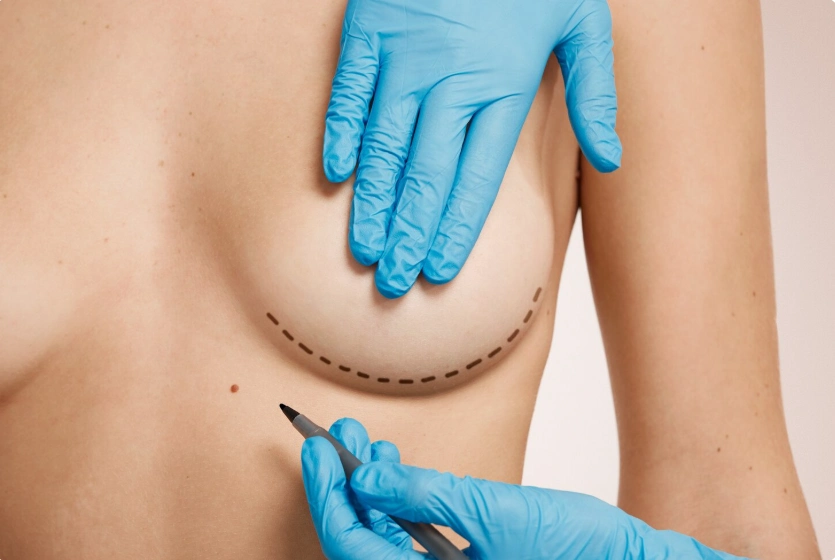
The matter of how to keep your breast implants for the longest period is the primary necessity of attention. Through regular check-ups with the doctor, you can be sure that your implants are functioning well. In cases of ruptures or other alterations of the implants which cannot be seen with the naked eye, ultrasound or MRI may be used as an aid for the visual check. The main thing is also to find a balance between proper care and exercise as being very vigorous may put too much pressure on the breast. In particular, not smoking and keeping a stable weight can help your implants and the tissue that surrounds them to remain healthy.
When to Consider Replacing Your Breast Implants
It is not that breast implants have a certain time of use after which they will no longer be of any help, however, there are symptoms indicating that it’s time to replace them. Some of these signs are discomfort, alterations in the shape, or if you see that one of your implants has deflated or ruptured. Situations like the formation of capsule contracture and experiences of other sorts of difficulties may necessitate implant replacement for achieving the restoration of the natural look and the feel of your breasts. A consultation with a surgeon from Lin Health Europe will give you the most professional feedback and the best-personalized care according to your condition.
References
- “Breast Implant Longevity: How Long Do Implants Last?” American Society of Plastic Surgeons, 2020.
- “What You Need to Know About Silicone and Saline Implants,” The Aesthetic Society, 2021.
- Shiffman, M. A., & Saltz, R. (2014). Aesthetic Breast Surgery: A Comprehensive Guide. Springer Science & Business Media.
- “Capsular Contracture and Breast Implants: Understanding Risks,” Breast Cancer Care, 2022.
- Lin, J. (2021). The Comprehensive Guide to Breast Implant Surgery and Aftercare. Lin Health Europe.
Frequently Asked Questions About Breast Implant Longevity
On average, breast implants last between 10 and 20 years. However, their lifespan can vary based on factors like the type of implant, placement, and natural changes in the body.
Several factors influence the longevity of breast implants, including the type of implant (silicone or saline), the placement of the implant (under or over the muscle), the size and shape of the implants, your age, lifestyle, and overall health.
You should consider replacing your breast implants if you notice changes in shape, size, or feel, persistent discomfort, or if the implants rupture or deflate. Regular check-ups with your surgeon are essential to monitor their condition.
No, breast implants do not need to be replaced every 10 years. While implants may last for 10 to 20 years, they do not have an expiration date. However, changes in appearance or feel over time may indicate the need for replacement.
To maintain the longevity of your breast implants, it’s important to follow your surgeon’s aftercare instructions, maintain a stable weight, avoid smoking, and attend regular check-ups to monitor the condition of your implants.