People are generally looking for methods which are less invasive and effective in a world, which is characterized by a fattening trend. Non-surgical liposuction is one of the ways that patients are turning to if they want to avoid the typical surgical procedures for fat reduction. However, the question is raised: “Does it really work?”, and the answer is, whether it is as successful as the traditional method or not. So, we, at Lin Health Europe Clinic in Istanbul, see a big rise in the demand for safe, efficient, and non-invasive treatments to let people achieve their desired body goals. This article tries to find out the truth behind the non-surgical liposuction, reviewing its methods, benefits, and results.
What is Non-Surgical Liposuction and Why Is It So Popular?
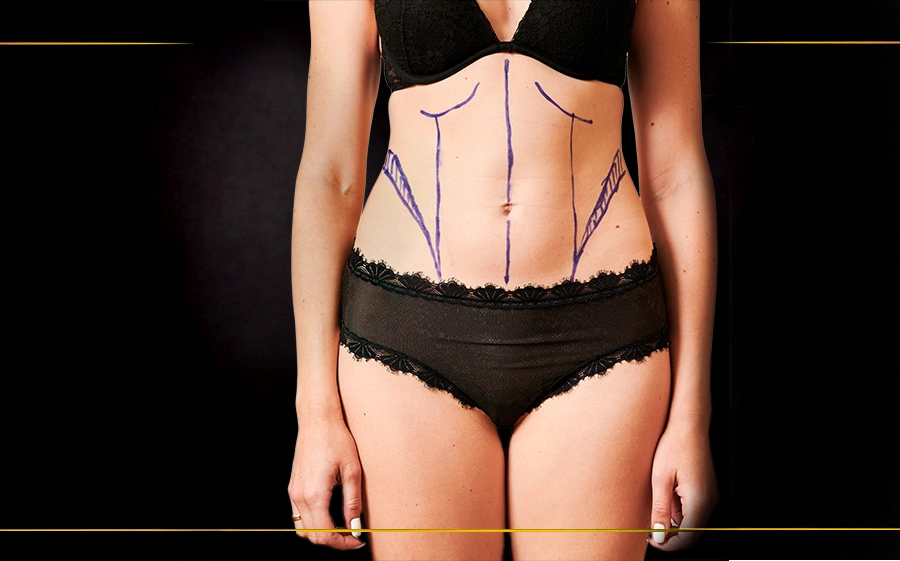
The term “non-surgical liposuction” refers to the fat reduction techniques that are non-invasive and do not require going under the knife to remove the localized fat. The latter could be the main reason why these procedures have been accepted as the best options to get rid of fat from the belly, thighs, flanks, and chin with no surgery.
The boom of non-surgical methods for fat removal and body shaping follows the trend of people’s search for the fastest and most accessible ways of body shaping without the need for risks or recovery from surgery. In cases where fat deposits are extensive, traditional liposuction takes the lead in effectiveness, yet non-surgical liposuction plays the role of a gentler method for body contouring in individuals with less fat deposits or those who are not ready for surgery.
Non-Surgical Liposuction Techniques: How They Work
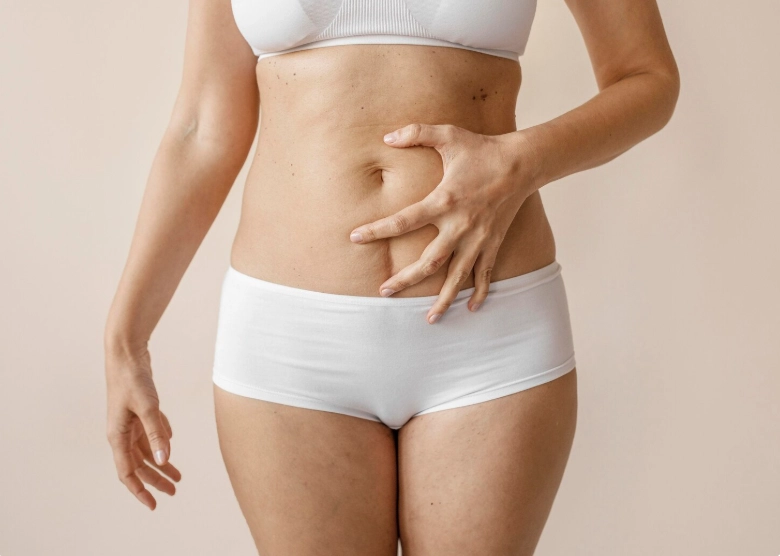
Several innovative non-surgical procedures have emerged in the recent years to address stubborn fat in different parts of the human body, embracing the latest hi-tech solutions to coax the fat cells to melt or release their content. Nanotechnologies are invented to help patients lose weight without burning calories themselves or spending endless time in a gym or diet-locked house.
Most common non- invasive methods entail are:
1. Cryolipolysis (CoolSculpting)
One prominent mode is by punch and freeze; the method uses echoing cooling to freeze and destroy fat cells. The molehills dark language technique sinks in fat cells under the skin, chilling them to the point of bursting, then letting the organism get rid of them naturally by taking through the lymph channels and veins. Hence the revolution against abdomen’s, thighs’, and crotch areas’ unhealthy popularity is born this way , among others.
2. Laser Lipolysis (SculpSure)
Technology of those kinds as they are known would be effective only where it is laser light which gets the cells to be flushed or blistered. Anyway, one might not be wrong to know Laser surgery e.g. SculpSure, gates between the vibrant life of cells to heat finally terminating them and gradually intoxicating. Hence comes the release of tight heat-seeking arms amidst the jellyfishes of your body, after which keep the non-target fatties calm in a void made by vacuum tubes. SculpSure is the perfect solution for treating stubborn areas around your belly and removing love handles.
3. Ultrasound Lipolysis (UltraShape)
Usually, such works as the one of UltraShape can be compared to lancer who ‘shoots’ through obstacles and hits exactly the hidden target. The composer chose high frequency to perform an aria on delicate connective and fatty tissues, to disrupt the fat cell membranes and mobilize the waste as soon as the sound waves disintegrate the cells. The process is talked about in movies where the organic structure is the belly, the thighs, or the arms.
4. Radiofrequency Lipolysis (Vanquish)
One could compare Vanquish to a magic sword in the tale of metamorphosis that cleans the forest of undesirable creatures (Fat Cells) by fire (Radiofrequency Energy). Indeed, the procedure emits strong RF energy on subcutaneous fats, thereby heating the target tissues and leading to melting of the fat cells. Skin collagen is also heated and gets rejuvenated, thus the patient gets a double benefit, skin tightening, and steadier rounds indeed. Vanquish is particularly instrumental in full stomach and back aid scenarios.
Every one of these methods depends on energy-based technologies that facilitate the breakdown of fat and the tightening of the skin. The non-surgical procedures usually need multiple sessions to reach the maximum outcome and are perfect for patients that want gradual improvement in their figure.
Comparing Non-Surgical Liposuction to Traditional Liposuction
Both non-surgical liposuction and traditional liposuction have the same objective of contouring the body by getting rid of local fats. However, they work in completely different ways.
| Aspect | Non-Surgical Liposuction | Traditional Liposuction |
|---|---|---|
| Procedure Time | From 25 minutes to 1 hour per session | 1 to 3 hours per session |
| Downtime | Very little, can resume normal activities | Recovery from several days to a few weeks |
| Fat Removal Volume | Minor areas (1–2 inches) | Larger areas (3+ inches) |
| Results Timeline | Slow to be visible over weeks | Immediate post-op |
| Risks | Mild swelling, bruising, and discomfort | Surgical site infections, blood clots, contour irregularities |
| Anesthesia | Local or no anesthesia | General anesthesia |
In fact, traditional liposuction might be more suitable for individuals who are morbidly obese and need fat extraction in large volumes. On the other hand, those wanting to reshape their body in a subtle way and with very little downtime, are the ones who non-surgical liposuction would be most beneficial.
What to Expect from Non-Surgical Liposuction Results
The results of non-invasive liposuction are not immediate but can be noticeable. Improvements after the first session may be minor. Most of the times, the body eliminates fat 4-6 weeks after the last session, and that’s when full results are set to appear. Non-surgical fat reduction has a major advantage which is the possibility of treating smaller body areas without the trouble and recovery period that come with traditional liposuction.
A soft and reformed body shape in the treated spots is what patients can look forward to. Fat degeneration will still be going on over the next weeks but, the outcome will be permanent provided, the patient does not experience weight changes. To enjoy the results for the longest period, it is imperative to remain physically active, follow a balanced diet, and refrain from fluctuating in weight.
References
- American Society of Plastic Surgeons. (2024). Non-Surgical Fat Reduction Methods. Retrieved from https://www.plasticsurgery.org
- Lin Health Europe Clinical Guidelines. (2025). Non-Surgical Liposuction Procedures and Patient Care. Istanbul, Turkey.
- Coleman, S. R., & Saboeiro, A. P. (2007). Fat Grafting to the Face: A Review of the Literature. Plastic and Reconstructive Surgery, 119(4), 1270–1280.
- Shiffman, M. A., & Di Giuseppe, A. (2006). Liposuction: Principles and Practice. Springer. ISBN: 978-3540291475
Frequently Asked Questions About Non-Surgical Liposuction
Yes, non-surgical liposuction is effective for targeting small, stubborn fat pockets that resist diet and exercise. While the results are gradual, they are often noticeable and long-lasting with proper care.
Non-surgical liposuction works by using energy-based technologies like cooling (Cryolipolysis), laser (SculpSure), or ultrasound (UltraShape) to break down fat cells, which are then naturally eliminated by the body. The treatment is non-invasive and requires no recovery time.
The main benefits are minimal downtime, no anesthesia, and the ability to target specific areas of stubborn fat. Non-surgical liposuction is a great alternative for those seeking subtle changes without the need for surgery.
Non-surgical liposuction treatments are generally non-painful, with patients only experiencing mild discomfort, such as a cooling sensation or light warmth. Most people find the procedure tolerable with no need for anesthesia.
Non-surgical liposuction results can last long-term, especially if a healthy lifestyle is maintained. While the fat cells removed do not regenerate, weight gain can lead to new fat accumulation in other areas.