
Medical Travel: Is It Secure to Go to Turkey for Major Surgery?

Yes, with accredited clinics like Lin Health Europe Clinic. Over the last few decades, Turkey has become the most recognized name in the world for medical tourism, especially plastic and reconstructive surgery. Basically, these are international patients who travel to Turkey when they want to get a better kind of medical treatment than in their […]
Hair Transplant: Can You Use a Donor’s Hair for Your Head?

No, only your own hair. In the hair restoration therapy, the biologic triumph of the procedure is determined solely by how well the body accepts the transplanted tissue. A hair transplant, from the clinical aspect, represents an autograft, which means that the donor hairs have to be taken from the patient’s own body. Usually, the […]
Neck Lift vs. Botox: Which One Truly Fixes “Platysmal Bands”?
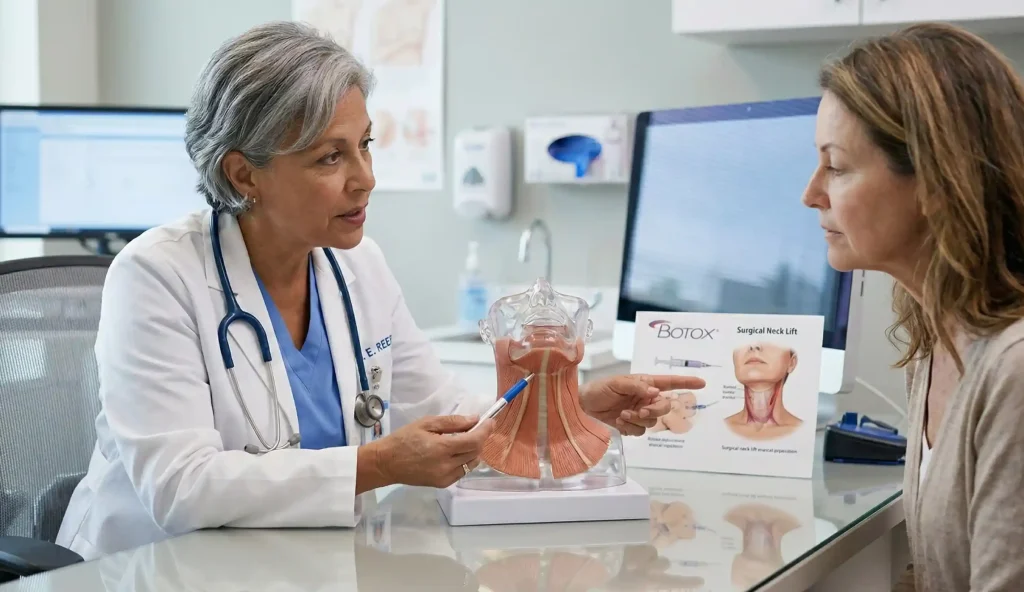
Neck lift provides lasting correction. Vertical neck “platysmal bands” constitute a major aesthetic problem in the field of facial rejuvenation. These bands form as a result of the platysma muscle separating and sagging, which is further compounded by the loss of subcutaneous adipose tissue and skin elasticity. A variety of surgical and non-surgical methods are […]
Tummy Tuck Scars: Can You Hide an Abdominoplasty Scar?

Placed low, hidden by underwear. In the reconstructive surgery field, managing the surgical scar is just as important as contouring the abdominal wall. An abdominoplasty includes an incision generally going from one hip to the other to allow the removal of excess skin and subcutaneous adipose tissue. A scar will be the biological consequence of […]
Skinny BBL: How Much Fat Do You Need for a Brazilian Butt Lift?

Adequate donor fat required. In the area of buttock molding and cosmetic surgery, Skinny BBL stands out as a distinctive option specially designed for patients with a lower BMI (Body Mass Index) who want increased projection and reshaping without an exaggerated volume. A Skinny BBL, unlike a standard BBL, which might involve extensive fat harvesting, […]
Liposuction: Can I Get Different Types of Lipo in One Surgery?

Yes, techniques can be combined. One of the major keys to attaining a high-definition outcome in body contouring is the combination of different liposuction procedures in a very thoughtful way. This can be referred to as multimodal or “hybrid” liposuction. Such a way of working not only helps the surgeon to use the strong points […]
Facelift: Is it Normal to Have Numb Ears After a Facelift?
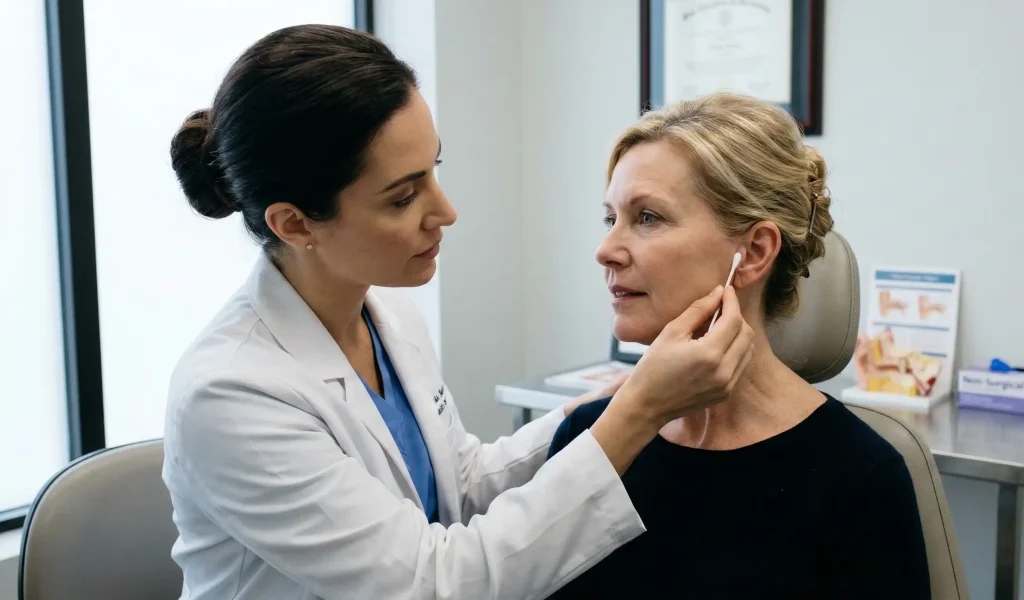
Temporary numbness is common. In facial plastic surgery, changes in sensation after the operation are a normal occurrence that is clinically expected. Preauricular numbness and the surrounding skin numbness in the ears are among the most common temporary side effects of a facelift (rhytidectomy). This is because the surgical incisions and the subsequent lifting of […]
Breast Reduction: Is a Breast Reduction Safe for Teenagers?

Safe after physical maturity. In the field of reconstructive surgery, breast reduction (reduction mammoplasty) is of enormous significance to the patients’ well-being and quality of life. Adolescent patients suffering from macromastia are especially likely to benefit from this procedure. While the biggest benefit of the medical treatment is to put an end to the discomfort […]
Nose Job: What is the “Nasal” Voice After Rhinoplasty Surgery?

Temporary resonance change after surgery. In the medical areas of ENT and facial plastic surgery, the voice depends on two main factors: the sound of the larynx and the “nasal resonance.” If people say their voice sounds “nasal” after a nose job, they most often mean a condition that doctors call hyponasality. Basically, it is […]
Breast Asymmetry: When to Worry About Asymmetrical Breasts?

Sudden change requires medical evaluation. Some amount of breast asymmetry is considered a normal physiological feature in clinical anatomy. According to statistics, around 90% of women have differences in size, shape, or nipple position between their left and right breasts. Such variations are most often developmental, i.e., they occur during puberty due to different responses […]