Usually after three to six months.
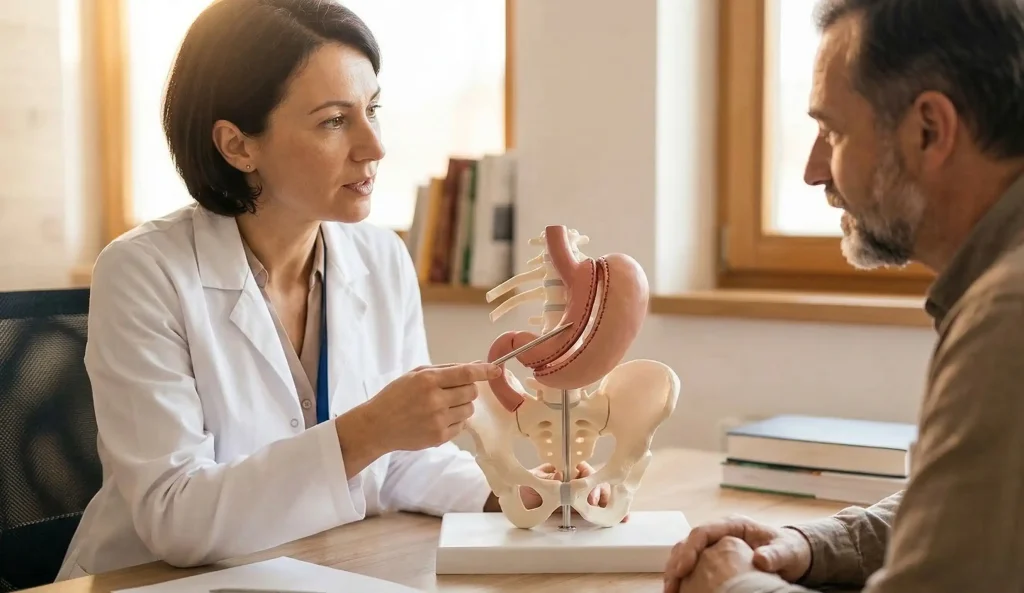
In the world of metabolic and bariatric surgery, a sleeve gastrectomy (or gastric sleeve) is an extremely big anatomical change that permanently rewires how your body handles nutrients and toxins. Drinking alcohol is probably the first issue to arise when someone is converted to a new lifestyle after surgery. So, when patients request the question, “When can I drink alcohol after a gastric sleeve?” the medical side of the answer imparts an absolute abstinence time of at least six months.
Besides the initial timeline, the real and major problem is that your attitude to alcohol will indeed be changed forever. The reason is that the surgery removes the part of the stomach which produces alcohol dehydrogenase, the enzyme that is responsible for the first stage of alcohol metabolism. It is this removal that leads to the fact that alcohol passes directly into your small intestine and bloodstream, almost instantly. This results in a very fast, very high peak in intoxication and a marked risk of liver problems.
At Lin Health Europe Clinic, one of the ways of protecting your long-term success post-surgery is managing alcohol use. For those of our international patients who are traveling to Turkey for bariatric surgery, our post-surgical message regarding alcohol is more than just counting “calories”; it is about a set of complex physiological risks, such as changed pharmacokinetics and “addiction transfer” potential. Our clinic is the number one destination for metabolic health, medical rigor that prioritizes the safeguarding of your newly rejuvenated liver and neurological health, helping your path to a thinner and healthier self, never to be derailed by the metabolic dangers of premature or excessive drinking.
Strict 6-Month Alcohol Ban

The main reason for the rigorous 6-month alcohol ban is to keep your freshly operated stomach safe and your rapid weight loss stable. During the first six months, your body will be undergoing a series of metabolic changes, and your new “sleeve” will be at the stage of neocollagenesis where the surgical staples will essentially be got the stitch-up.
Alcohol is a well-known irritant to the stomach lining. Drinking it when the stomach is healing can lead to gastritis (inflamed stomach lining) and even worsen or cause ulcers. Moreover, at the time of rapid weight loss in Turkey after the operation, the liver is already strained to its maximum to handle the fatty acids released from fat breakdown. A hepatotoxin like alcohol introduced at this stage of operation can lead to liver overload, or even fatty liver in the worst case.
At Lin Health Europe Clinic in Istanbul, the six-month period of total abstinence is not just a random choice. It is to give the organs time to settle down and the diet to be steadily maintained before any introduction of non-essential toxins is considered.
Changed Pharmacokinetics: “One drink” Is Your Maximum
Only after the initial six months are over can you realize that your alcohol tolerance is now gone forever. Normally, a portion of alcohol gets metabolized by enzymes in the stomach before reaching the blood. But in a gastric sleeve, this is totally erased. Practically, this means that your blood alcohol level can be two or three times higher than before the operation, with just one drink. What’s more, your time up to “peak” drunkenness will be shortened drastically, often being just 5 to 10 minutes after your first mouthful. Since the stomach is now smaller and less functional, alcohol is simply introduced to the duodenum, where it is absorbed with very high efficiency.
We often tell our international patients at our clinic that “one drink is three” to highlight the seriousness of this new reality after the gastric sleeve. Fast intoxication like this can cause not only injury and poor decision-making, but also serious legal troubles if, e.g., driving a vehicle.
The Danger of Hypoglycemia and “Calories Without a Purpose”
Alcohol intake after a gastric sleeve is accompanied by a special metabolic hazard called postprandial hypoglycemia (a sharp drop in blood sugar level). This is because alcohol affects the liver so that it is unable to supply glucose, and on top of that, insulin responses are changed in bariatric patients, so the combination is a perfect storm for a blood sugar level crash. This “fall” of blood sugar may have similar symptoms to intoxication—such as dizziness, confusion and shakiness—making it harder for others to realize that a person is suffering a medical emergency. Moreover, alcohol is the quintessence of at-source “liquid calories.” It gives no nourishment but is extremely high-energy-wise.
At Lin Health Europe Clinic, one of our common pre-surgical warnings to patients is that regular alcohol consumption is one of the leading causes of weight regain. You can, quite easily, stall your weight loss or even start slowly gaining the weight back that you had done so much work to get rid of by consuming “empty” liquid calories that are not restricted by the sleeve.
Addiction Transfer: Thinking at the Psychological Level

One of the clinically supported facts about the obese community is the existence of Addiction Transfer. Essentially, the gist of this phenomenon is that many people who had dined as their emotional release find that once they are stopped from overeating, they will subconsciously search for a new “high.” Surgeries like the gastric sleeve can act like a force of releasing the brain calcium of a priming environment, where alcohol, being the fastest neurotransmitter reward provider post-sleeve, will be the candidate of choice for this transfer. Research data show that postoperative patients are somewhat at a higher risk for developing problems with alcohol disorders than the general population.
In Istanbul, getting psychological screening and counseling from our med team is a part of the standard practice that helps you become aware of these tendencies at an early stage. We remind you that the gastric sleeve is one of the “total life resets” tools, and a healthy, mindful relationship to alcohol is the way to mental and physical longevity in Turkey.
Safe Consumption Guidelines After 6 Months
Those who want to drink after the restriction of six months have passed and have their surgery done at our Turkey clinic must work extremely carefully with the following clinical safety rules:
- Never drink without eating: A high-protein meal should be eaten before drinking so as to slow down the alcohol absorption in the small intestine.
- Keep away from Carbonation: Beer, champagne as well as soda-based cocktails cause the build-up of painful gas and might lead to the stretching of the pouch. It is always better to stay with flat drinks or water.
- Dilute and Sip: Consider one drink as the maximum for the evening and sip it very slowly.
- Hydrate Constantly: Since alcohol is a diuretic, for every sip of alcoholic beverage, drink twice the amount of water to fight dehydration.
If you adhere to these clinical guidelines, you will be able to handle social situations safely without compromising not only your surgical results but your health as well.
FAQ:
Initially, you should not take any alcohol for at least six months after your operation. This time will enable the stitches on your stomach to heal fully and will also ensure that your liver does not get overwhelmed while it is handling the changes in weight after your surgery in Turkey.
Since you no longer have gastric enzymes in your stomach that can be a first point of contact with alcohol to break it down, alcohol will reach your small intestine directly and be absorbed with maximum efficiency. Your blood alcohol levels will rise very quickly and to a much higher degree than before in Istanbul.
Although having labiaplasty before pregnancy can be done to help with the condition of physical discomfort, most women prefer to delay it till after they have had children so that their results are based on their permanent anatomy. We at Turkey will provide you with tailored advice on how to fix the best time of the procedure keeping in mind your lifestyle and family goals.
Along with exerting stress on the body, alcohol is a source of high-calorie “liquid calories” which do not satisfy the hunger unlike solid foods. Drinking on a regular basis can cause one to stop losing weight, and is actually the topmost reason reported by most of our bariatric patients from Turkey for regaining the lost weight.
If you decide to drink at the end of 6 months, stay away from carbonated alcoholic drinks like beer or cocktails made with soda. The safest choice would be non-carbonated, low-sugar drinks, for example, a small glass of wine or a spirit mixed with water, consumed very slowly together with a high-protein meal in Istanbul.
Simpson, E. R. (2003). Sources of estrogen and their importance. The Journal of Steroid Biochemistry and Molecular Biology.
Santoro, N., et al. (2015). Menopause: symptoms, periods, and hormone replacement therapy. Clinics in Chest Medicine.
Labrie, F. (2015). All the estrogens and androgens are made locally in peripheral target tissues in postmenopausal women. Journal of Steroid Biochemistry.
Manson, J. E., et al. (2013). Menopausal hormone therapy and health outcomes during the intervention and extended post-stopping phases of the Women’s Health Initiative randomized trials. JAMA.
Parker, W. H., et al. (2009). Long-term mortality associated with oophorectomy compared with ovarian conservation in the Nurses’ Health Study. Obstetrics & Gynecology.