Yes, gradually after early recovery.
The Biometrics of Gastric Mucosa Sensitivity
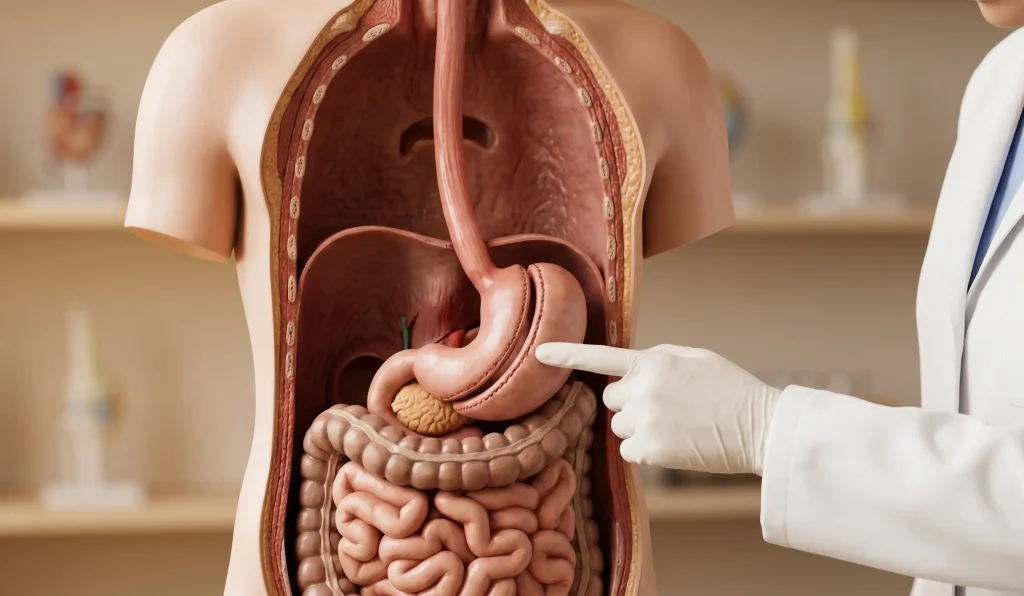
The practice of protecting the newly reshaped stomach pouch during the time right after the operation (post-op) is a clinical necessity in bariatric reconstruction work. Looking at it from a biometric point of view, stomach reduction operations—like sleeve gastrectomy or gastric bypass—greatly reduce and change the acidity level of the stomach. Coffee and tea, which are some of the most popular beverages worldwide, happen to contain as their main ingredient one of the most potent stimulants, caffeine, which, among other functions, increases the secretion of gastrin and hydrochloric acid.
According to Lin Health Europe Clinic, using these stimulants in the initial period can cause harm to the gastric mucosa and the staple line (anastomosis), which are areas sensitive to damage. Maintaining structural harmony in the digestive tract necessitates not only a calm but also a low-acid state that supports tissue remodeling. During the first 30 to 60 days after surgery, the main focus of the recovery process is to completely avoid caffeinated drinks, as this will help in preventing inflammation in the local area, which is one of the major causes of marginal ulcers, and at the same time, keep your systemic vitality as the top priority.
Systemic Vitality and the Hydration Balance

Remaining well-hydrated is a must if you have had a stomach reduction operation. To look at this from the biometrics angle, the caffeine present in coffee and tea is also a natural diuretic, which means that it makes the kidneys get rid of fluids and some important minerals like electrolytes faster. During the first few days of recovery, when the patient still cannot consume large amounts of water, the diuretic effect of coffee or tea can very easily throw the body out of biological balance and cause systemic dehydration.
To recover to the maximum extent, one needs to think of being immersed in high-definition hydration, through which, when the cells are getting the pure water or electrolyte-enriched fluids that will help them in their repair, they perform better. Here, at Lin Health Europe Clinic, constant monitoring of your fluid intake is part of how we show professional rigor in the support we give. Also, we say that once a person starts consuming caffeine, it should be balanced with the intake of water so as to neutralize its diuretic effects. Keeping your systemic health intact is tantamount to ensuring your metabolism does not go haywire just as you are coming into your new figure.
Nutrient Absorption and Structural Harmony
Besides the effects of acidity and hydration, tannins and polyphenols found in coffee and tea have the capacity to disturb through their action the biochemistry of nutrient absorption. After having undergone a stomach reduction, the capability of the organism to get minerals such as iron and calcium is already compromised. Medically speaking, if a person drinks tea or coffee shortly before or after meals, the impact will be even worse in the sense that it will further cause a reduction in the absorption of these very important nutrients, and this can end up becoming a long-term issue resulting in deficiencies.
In order to keep a structural harmony, a highly coordinated nutritional approach is necessary. We implement medical innovation in our food programs that not only supplements but also provide meals that give the very highest level of support to your bone density and blood health. It is advisable that if you decide to have tea or coffee, do so only after at least 30 minutes of finishing your meal, so that the biological balance of your nutrient uptake would not be negatively influenced.
Professional Rigor: The Reintroduction Roadmap

The schedule for allowing yourself the comfort of warm beverages is actually a matter that should be handled with a very high degree of clinical mastery. We advocate the gradual reopening of the doors to the very favorite of caffeinated drinks, which the patient has abstained from since the operation, a patient journey that follows the healing biometrics of the gastrointestinal tract. Besides the provisions for being able to recover your traditional and beloved caffeinated teas and coffee, there are also various types of beverages that, on one hand, do not cause the condition of the gastric mucosa to deteriorate and, on the other hand, help to maintain a state of structural harmony.
| Recovery Phase | Permitted Beverage Type | Clinical Rationale |
| 0–4 Weeks | Decaffeinated herbal infusions (Chamomile/Peppermint). | Zero acidity; supports biological balance. |
| 1–2 Months | Decaf coffee; weak, non-caffeinated tea. | Minimal stimulant impact on systemic health. |
| 3 Months+ | Small amounts of regular coffee/tea. | Maturation of gastric pouch complete. |
Taking good care of these external elements with the help of professional care allows you to keep intact the internal biological balance reached by your treatment. At Lin Health Europe Clinic, by strongly supporting medical innovation and patient safety, we give you a detailed guide to your metabolic makeover, being at the same time stable and not less than aesthetically excellent.
Stomach Reduction in Turkey
Opting for Lin Health Europe Clinic is a choice to go to a worldwide facility where everything related to the period after the bariatric operation is as thoroughly done as the operation itself. The morning cup ritual is something that our guests want to continue as part of their lifestyle, and we understand that. Our location is recognized as a leader in medical innovation with high-definition nutritional protocols that aim at getting your results not only to absolute health but also to utmost refinement.
By coming to Lin Health Europe Clinic, you are putting your faith in a medical system that is very good at the convergence of anatomical science and lifestyle integration. We take care of your path towards a new and healthier version of you with professional rigor, making sure that your results are not only balanced but also stable and in a perfect state of structural harmony. Let yourself be spoiled by the refined treatment of Lin Health Europe Clinic and go on with a new life that radiates clinical excellence, which is the absolute pinnacle, in Turkey.
FAQ:
Almost all patients after stomach reduction surgeries are able to have decaf coffee after 4 weeks. Drastic restriction on the intake of coffee is the most usual hospital recommendation that lasts for three months in order to protect the anatomical balance of the stomach lining.
Absolutely, drinking decaf herbal teas will still be helping you with your hydration and will also give you some health benefits. Nevertheless, if you want to achieve the highest level of hydration and especially if you have undergone surgery, nothing beats drinking good old water.
Caffeine triggers the secretion of acid in the stomach. Excess acid can cause irritation and poor healing leading to ulcers of the small new stomach pouch after surgery. It is very important to refrain from using stimulants during the healing period to ensure your overall health.
The best teas are those that do not contain caffeine and are mildly non-acidic like ginger or fennel. They are also good for soothing stomach and intestines as well as keeping a state of good health.
First of all, you should stay away from fat traced high creams and sugars to prevent “dumping syndrome.” Therefore, it is necessary to use very low-fat or natural non-caloric sweeteners if you want to have the prolonged high-definition outcome of your stomach reduction.
Tebbetts, J. B. (2002). Systemic Vitality and Surgical Precision in Gastric Procedures. Saunders Elsevier.
Mechanick, J. I., et al. (2019). Clinical Practice Guidelines for the Perioperative Nutritional Support of the Bariatric Surgery Patient. Endocrine Practice.
Janis, J. E., et al. (2005). Anatomy and Biometrics: Implications for Gastrointestinal Healing. Plastic and Reconstructive Surgery.
Nahai, F. (2011). The Art of Aesthetic Surgery: Principles and Professional Rigor in Bariatric Aftercare. Quality Medical Publishing.
Parrott, J., et al. (2017). ASMBS Integrated Health Nutritional Guidelines for the Surgical Weight Loss Patient. Surgery for Obesity and Related Diseases.