Late teens or early adulthood is usually ideal.
Maturity vs. Readiness
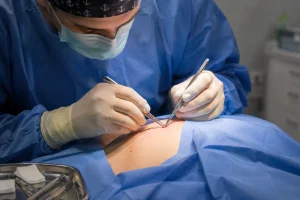
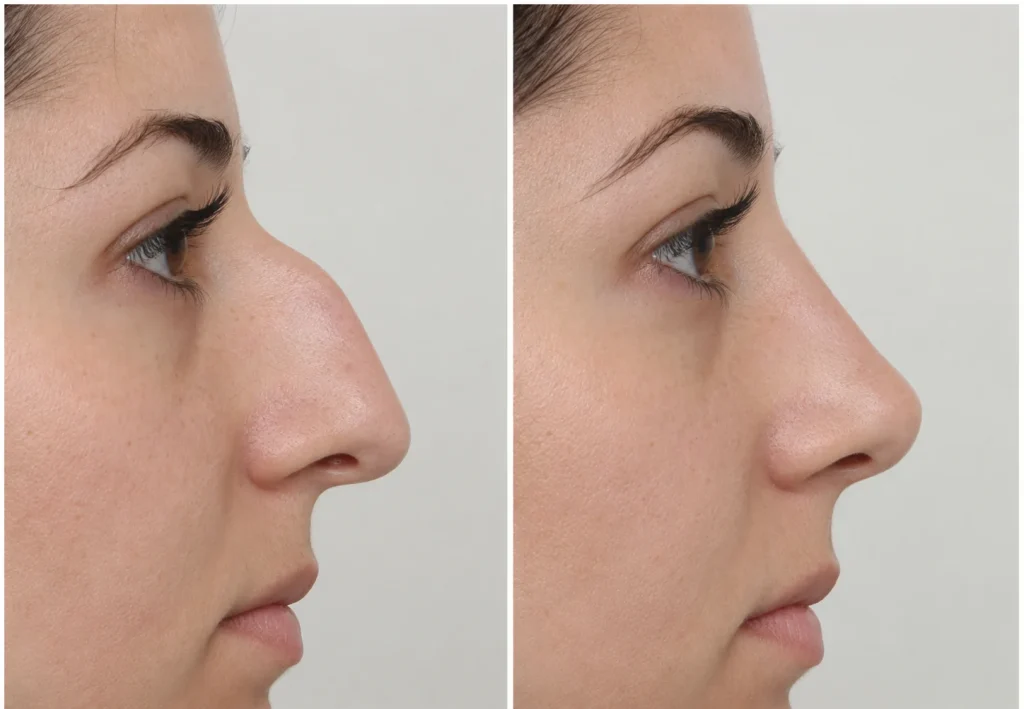
Surgery on nose reshaping through skeletal structures and facial plastic surgery at an expert level, deciding the best moment for undergoing a nose job, one must consider physical maturity as well as personal development. Given that the nose forms the facial center of attractiveness, operating before the facial bones have finished their development could upset further bone growth and endanger long-term structural results. Definitely, clinically speaking, the best age for rhinoplasty is usually in the time of late teens and early twenties. Most facial bones and cartilages of the nose at the nasal end should be fully mature to ensure that the surgical changes remain stable and in proportion over time around the age of 18. Although rhinoplasty is possible with older people without complications, doing it during younger and middle age gives you the best skin elasticity, excellent microvascular healing, and quick recovery.
Age Considerations Through the Ages
Comprehending the age effect on surgery design and body recovery provides an explanation of the clinical advantages of different age groups:
- Teens (15-17): Until the nasal growth plates are done growing, it is rare for surgery to be done. For young women, this usually is around the ages of 15 or 16; for younger boys, the face tends to keep growing just a little bit more and is usually completed at about 17 or 18 years of age.
- Young Adults (18-35): For rhinoplasty, this timeframe is the best biologically. The face bones are completely developed, skin elasticity is maximum, and new cartilage frameworks can be reshaped to be well hidden under new layers of skin. Young patients heal really fast because of high cell turnover, with minimal swelling and almost no risk of excess skin coming out after surgery.
- Middle Age ( 36-50): A nose job is still a successful treatment during middle age. With the age of person increasing and skin becomes loose, the length of recovery and swelling could increase slightly, but structural preservation techniques allow patients to have long-lasting, attractive, and healthy nasal conditions.
- Older Adults (After 50): Most of the elderly people have rhinoplasty performed for breathing problems or to correct nasal tip drooping (ptosis), or a nose job done to solve a cosmetic concern that has been bothering them for several years. Since the skin is thin and bones may be brittle, structural grafting is an effective technique for restoring respiratory function and lifting the tip of the nose.
Inner Developmental Readiness
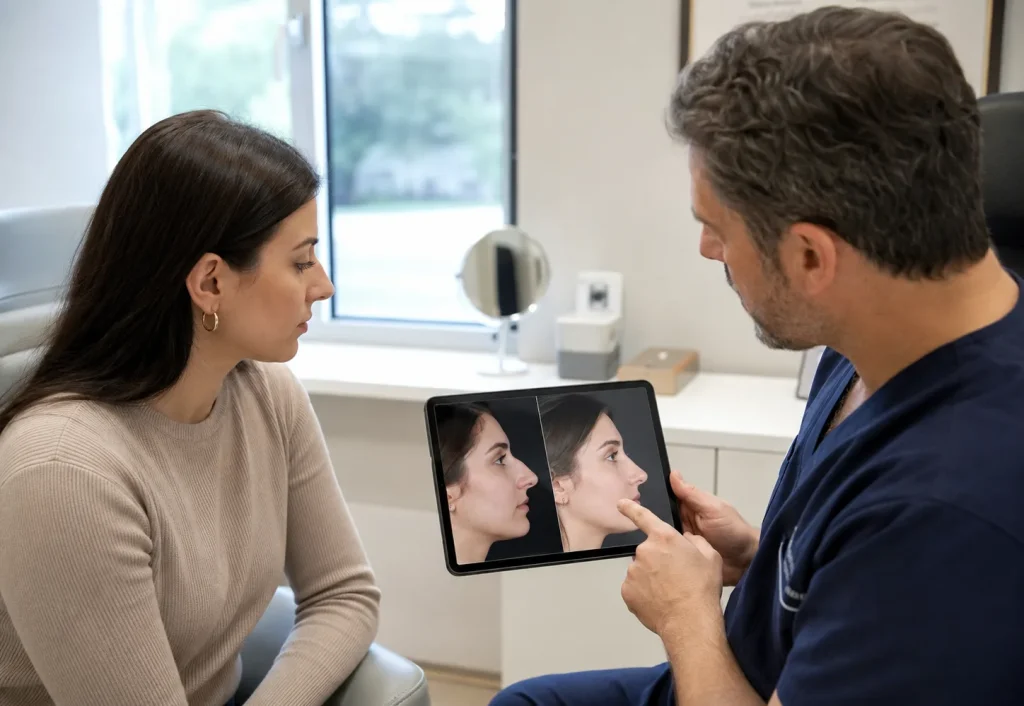
In addition to physical maturity, psychological and emotional readiness is a fundamental necessity for the individual contemplating rhinoplasty at any level of development. It is not a small change but a complete transformation of you and your face. A person should know about the possibility, if the facial surgery goes well, of one’s appearance being changed forever. The candidate should possess a sound, realistic view, be aware that post op swelling may require up to the full 18 months before resolving altogether, and that he/she should undertake the surgery to satisfy his/her inner needs rather than being influenced or prompted by others around him/her.
During your recovery period, for the nose that you want to become, you have to stick to the post-op instructions quite rigidly. You can’t compromise the quality of the final look if you want it done perfectly. In the first 6-8 weeks, a newly altered framework of cartilage, broken bone sites and delicate stitches must be protected from movements to let firm, stable bonds between fibrin and collagen develop. In order to lock down your nose tip and upper side into a structure so that there is maximum accuracy, you must keep absolutely away from having any sort of eyewear, spectacles, or sunglasses placed in direct contact with the bridge area of the nose at least during the period of 6 to 8 weeks post-operation.
Preserving the Shape Stability and Post Surgical Guidelines
The only option for those who are looking for a perfect result of rhinoplasty is to follow very strict protective and behavioral post op rules. All ages and conditions require protection of cartilage frameworks in the early stages, from the formation of fibrous scar tissue in the cartilage to avoid any deformity of the structures through swelling due to movements in this critical period, 6 to 8 weeks. In the case of the nose tip, one of the important things that should be avoided post-surgery is spectacles or sunglass frames coming into direct contact with the nasal bridge, as weight on the bridge may lead to compression of under skin layer and displacement of grafted material. Therefore, these are strictly forbidden for the first 6-8 weeks following the rhinoplasty operation.
Rhinoplasty in Turkey
Giving an appointment at the LIN Europe Clinic is like coming to the first and foremost medical sanctuary of the world, where all your aesthetic needs, complex surgeries like structural rhinoplasty, and your surgical path are in our hands with the most expert and loving hands. We know that getting the nose shape perfect by precisely working on cartilage grafting, structural supports, and adjusting tissues is a high-level art requiring an extremely well-dressed, transparent, and warmly supportive environment to be the best in your care. The priority of the doctors there is medical science only.
By entrusting your precious structural features to specialists at LIN Europe Clinic in Istanbul, as your home of choice, your body structure gets the absolute diagnosis through which your physical changes are precisely tracked. The clinic makes personalized pre-operative plans, high-resolution analysis of the tissues, and post-surgical plans that will be your guide through each and every aspect of the change of your tissues, as well as your changing lifestyle. You get all that through the hands of a medical genius who will make sure your looks and your general condition are in the best state for you to relax and be proud of your features while being completely at peace of mind.
FAQ:
The ideal age for rhinoplasty surgery is usually from 18 up to 35. This age range offers several advantages because the facial contours have ceased to develop after this phase the nose shape remains stable the skin is more flexible and healing processes are more efficient.
Female adolescents with an almost fully developed facial structure and proportionality that is stable can have rhinoplasty at the age of 15-16. On the other hand, male adolescents are generally advised to get their facial bones checked first at the age of 17-18 because this is the normal stage for male facial bones to have a full growth.
Of course! At 50, you can still have a nose job, provided your general health is good. A face lift and nose job can rejuvenate your face and make you breathe better in addition to improving your looks.
Getting operated on before the nasal growth plates close can affect facial growth. There is a risk of deforming nose in the long term which could get worse as surroundings jaw and cheeks reach maturity.
Seniors will most likely find swelling after a surgery lasts a bit longer as compared to adolescents or young adults due to the fact that the level of collagen, firmness of skin together with how efficient the drainage system works is different with age though the aesthetic satisfaction and functionality results of rhinoplasty surgery are great regardless of age.
Toriumi, D. M. (2006). Structure rhinoplasty: Maintaining long-term tip projection, rotation, and cartilage stability across different age cohorts. Facial Plastic Surgery Clinics of North America, 14(4), 289-301.
Gunter, J. P., & Rohrich, R. J. (1987). Management of the adolescent and mature rhinoplasty patient: Structural parameters and age considerations. Plastic and Reconstructive Surgery, 80(2), 161-173.
Rohrich, R. J., et al. (2014). Advanced postoperative care, cartilage graft preservation, and tissue integration in primary and revision rhinoplasty. Aesthetic Surgery Journal, 34(5), 587-595.