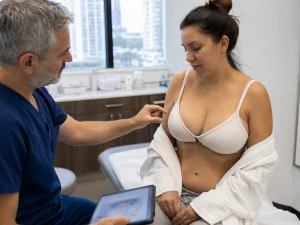
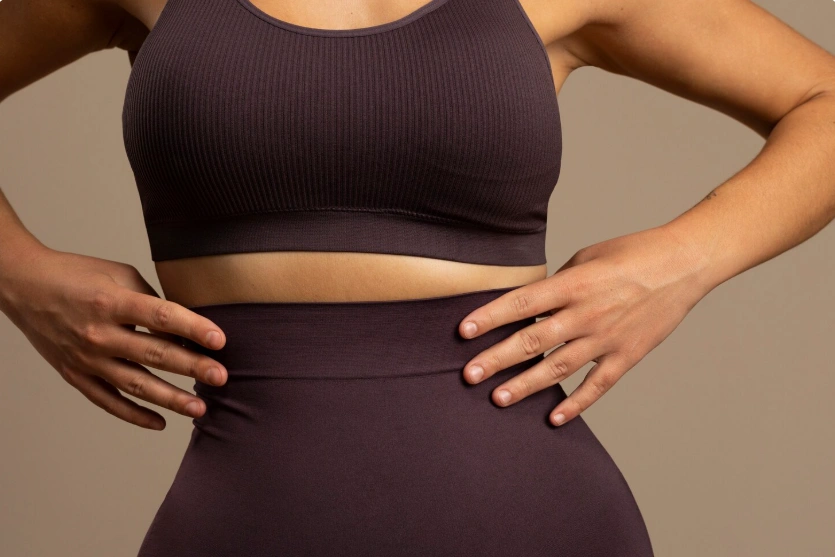
To go for liposuction is to go for a body transformation that will get you a more defined and proportionate figure. However, the operation is only half the journey – the recovery period is of the same importance. Our team at Lin Health Europe Clinic in Istanbul, Turkey is the one to assure that each patient not only deals with the safe, precise, and effective liposuction procedures but also gets the complete instructions for aftercare. Knowing what to do and what not to do during the recovery period is instrumental in patients having a quicker recovery, less swelling, and getting the desired results.
Understanding the Liposuction Recovery Process
By liposuction means the removal of fat that has been deposited locally in areas such as the abdomen, thighs, arms, or buttocks by using some specialized surgical techniques. The body, in this case, reacts with small inflammations, bruises, and temporary fluid accumulation. These are normal reactions of the body.
Healing depends on each person and varies according to their:
- Quantity of fat extracted
- Liposuction method used (tumescent, ultrasound-assisted, or laser-assisted)
- Age and general condition of the patient
- Elasticity of skin and the response of tissue
After the operation, most patients are affected by mild swelling and bruising. These symptoms usually disappear after 2 to 4 weeks. During the recovery period, compression garments are used to provide tissue support, prevent fluid retention, and facilitate skin retraction. Patients are advised to do a gentle walk within 24 hours which is good for circulation and avoiding the formation of venous thrombosis.
The Do’s: Essential Steps for a Smooth Recovery
A successful healing process needs a mixture of medical guidance, patient accountability, and favorable lifestyle choices. The most important steps are:
- Wear Compression Garments as Advised Compression: Garments help to encourage blood flow, reduce swelling, and allow the skin to be reabsorbed into the treated areas naturally. Usually, the patients are advised to use them for 2–6 weeks after the surgery.
- Engage in Light Physical Activity: A gentle walk not only improves the blood supply but also makes the healing faster since it lowers the retention of fluids in the body. Normally, high aerobic activity in the first few days should be avoided.
- Follow Postoperative Instructions: Lin Health Europe Clinic gives guidelines, which include dressing the wound, schedules of medications, and follow-up appointments, all personalized for each patient.
- Consumption of Water and Balanced Diet Maintenance: An optimal level of water intake is a very good preventive measure against swelling. Moreover, water intake forms the base for cell repair in the body. Vitamins, minerals and protein not only provide energy to the body but also help the cells to renew faster.
- Watch the Symptoms of Recovery: The practice of natural swelling, bruising and wounds is of great importance since it provides an early detection of complications.
The Don’ts: What to Avoid During Healing
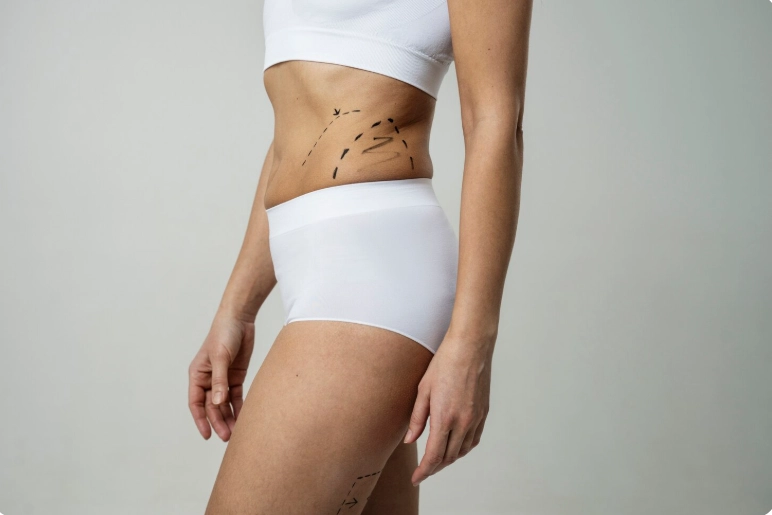
The actions to avoid are equally important as the do’s:
- Do Not Involve Yourself in Strenuous Activities or Heavy Lifting: If you decide to do hard exercises only a few days after the surgery, the results may be the opposite of what you expect – you will increase the swelling, the tissue healing can be affected, and you may even lose the quality of the work.
- Neglect Rest Proper: Rest is necessary to give the body and the immune system the time they need, to promote healing.
- Forget Taking Off Compression Garments Regularly: When you sleep or take a shower, you might need to remove your compression garment.
- Fail to Check the Signs of Healing: Your body is always talking to you, you need to be very attentive and know the changes.
- Not Taking Medication as Prescribed: Deliberately not taking the painkillers and other medications will only make the whole process uncomfortable and complicated.
- Avoid Smoking and Alcohol: Both nicotine and alcohol worsen the circulation, cell regeneration, and risk of complications.
- Do Not Ignore Warning Signs: The occurrences of excessive pain, severe redness, abnormal discharge, or fever are signs that require immediate medical care.
- Avoid Tight Clothing: Tight clothes can slow circulation and leave you with an indentation, which can cause healing to be delayed.
Tips for Faster Healing After Liposuction
The speed of one recovery could be improved with some lifestyle changes, professional care, and patient awareness:
- Elevate the Treated Areas: This not only hindered swelling but also facilitated lymphatic drainage, which makes the process more efficient.
- Massage Therapy: One of the fastest ways to the removal of the fluid is through lymphatic drainage massage by a professional.
- Maintain a Consistent Routine: Cells need a normal setting which includes sleep, nutritious diet, and proper exercise to follow up their natural repair.
- Cold Compresses for Early Swelling: Proper and short-term use of cold compressions can help in reducing the swelling caused by liposuction in the first 48 hours.
- Regular Follow-Ups with Surgeons: This is the way to be sure that the doctor is by your side in case any complication occurs among your recovery period.
Long-Term Care and Maintaining Liposuction Results
Liposuction should not be treated as a method of weight loss and the maintenance of results over time is mainly dependent on one’s lifestyle:
- Healthy Diet: The main focus should be on lean protein, fresh vegetables, fruits, and the fats that are good for you so as to maintain a stable body weight.
- Regular Exercise: Both cardiovascular and resistance training should be part of your exercise program to keep fat from being deposited in the areas that you have not treated.
- Avoid Significant Weight Fluctuations: Gaining a lot of weight suddenly can affect the contouring and the overall results.
- Skin Care: Moisturizing and firming creams provide skin with the needed elasticity especially in those areas where the tissues are thin.
- Annual Check-Ups: The monitoring allows for long-term safety and satisfaction with the results of the aesthetic.
References
- American Society of Plastic Surgeons. Liposuction Recovery and Aftercare Guidelines.
- Lin Health Europe Clinical Protocols. Post-Liposuction Patient Management.
- International Society of Aesthetic Plastic Surgery. Optimizing Recovery after Body Contouring Procedures.
Frequently Asked Questions About Liposuction Recovery
Recovery varies by patient, but most resume normal activities within 1–2 weeks, with final results visible within 1–3 months.
Patients should avoid strenuous exercise, smoking, alcohol, tight clothing, and skipping compression garments to ensure safe healing.
Gentle walking, proper hydration, a nutrient-rich diet, compression garments, and follow-up care all accelerate recovery and optimize results.
Light walking is recommended immediately, while vigorous exercise should be delayed for 3–4 weeks or as advised by your surgeon.
Yes. Swelling, bruising, and mild discomfort are expected and typically improve within 2–4 weeks.