Follow care instructions and avoid sun exposure.
A facelift can be a major life-changing decision, leading to a physical transformation and a significant increase in self-confidence. However, in order to get the best results, proper post-surgery care is a must. At Lin Europe Clinic in Istanbul, we are aware that the recovery period is equally important as the operation itself. This resource will introduce you to main post-facelift care advisories that can facilitate your recuperation, ease pain and swelling, assist skin care, and help keep the results for the long run.
Understanding the Facelift Recovery Process
Facelift or rhytidectomy is a procedure that entails the removal of the redundant skin, the tightening of the deeper layers, and the reduction of wrinkles on the face and neck. Despite the fact that the operation yields fantastic results, the recovery time is of great importance as well, if the results are to be durable. It is quite common for the first few days after the operation to be marked by swelling, bruising, and some discomfort, nevertheless, these are all indications of the body’s healing process. Normally the healing time is described as three separate stages: the time immediately following the surgery (the first week), the intermediate convalescence period (two to six weeks) and the long-term care (six weeks and beyond). Different care routines and required precautions for the healing to be perfect accompany each recovery stage.
The first week of recuperation is the most critical one when the body is engaged in healing as well as in the reduction of swelling and bruising. Strictly following your surgeon’s guidance at this time can help shorten the recovery as well as complications minimization. In the following weeks, the swelling will lessen further and the changes in your look will be more and more apparent. Nevertheless, diligent care far into the future is the key to the retention of the youthful appearance after a facelift for years.
Immediate Post-Facelift Care: What to Do in the First Week
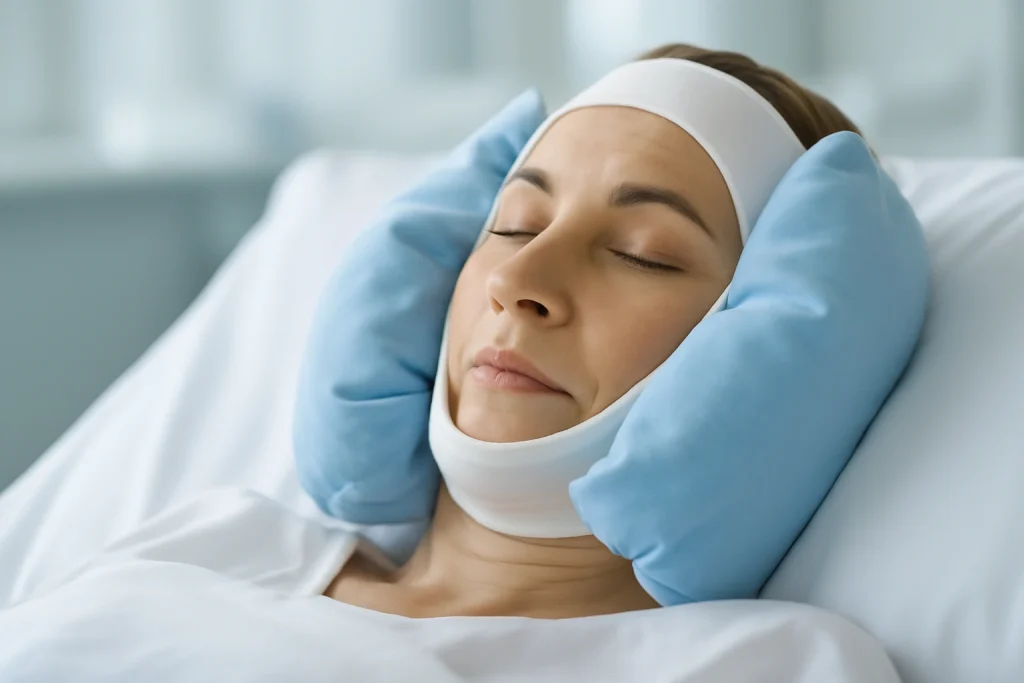
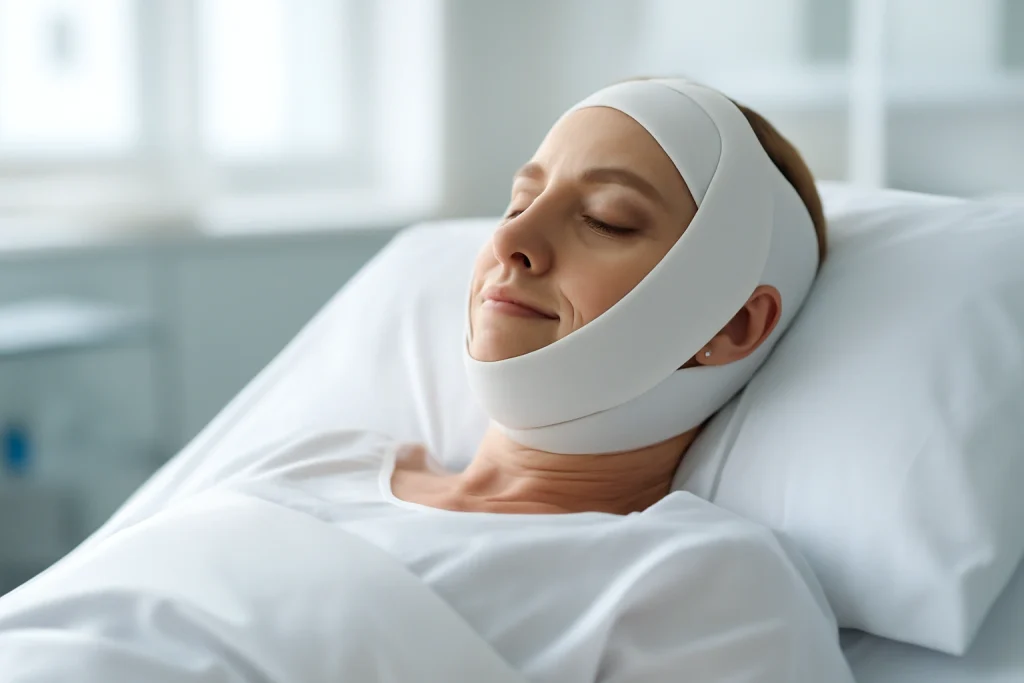
The time that goes from your facelift to the week that follows is the body’s most demanding of the healing process, so, it is very important to take all the measures that will lead to a recovery that is as good as possible. The main thing that you should do during this period is rest and recovery. After the operation, the body must have time to mend, so refraining from any activity that could put pressure on the tissues which are still healing is quite important. It will ease the swelling if you rest while keeping your head raised, and also, circulation to the operated areas will be better. It is very important that during this first phase you follow closely the guidelines provided by your surgeon which are meant to ensure that you are taking the most proper care of the zones of your surgery. Among these instructions you will find guidance on the time for bandages removal, the proper way of cleaning your face, and the starting point for taking medications for pain alleviation.
During healing, refrain from touching or massaging your face as much as possible. The healing process might be disturbed if you do this, and the risk of infection will be increased too. Besides, keeping your head up will, help decrease the swelling, most especially when you sleep. It is very important for you not to smoke or take alcohol in the first week. Smoking and drinking may adversely affect the body’s healing process by limiting blood flow, which in turn may cause complications.
Managing Pain, Swelling, and Bruising After a Facelift
After plastic surgery, there will be some pain, swelling, and bruising, but it is how you handle these that determines whether the recovery will be smooth. It may happen that you experience some pain after the plastic surgery, but the majority of patients state that the pain is under control if they use the drugs that are recommended for pain relief. The 48 hours following the facelift are the time when swelling and bruising will most probably be the severest. In a very short time, these problems will almost always start to ease and this period could last from a week to two, but they could also get relief from a few simple strategies. The swelling and bruising can be lessened by the patient’s elevating their head during the first couple of days and keeping the cold packs in place as recommended by the doctor. It is equally important to use the prescribed pain relievers in the way your doctor guides you. Only if you are not feeling well should you go on with the application of the medication to keep the pain away from you during the early stage of recovery.
Despite the fact that swelling and bruising are to be expected, it is very important that you refrain from any activities that may cause these conditions to worsen such as hanging over or lifting heavy objects. Don’t do a lot of unnecessary talking or exercising and your body will be able to heal itself in the natural way.
How to Take Care of Your Skin and Scars Post-Facelift
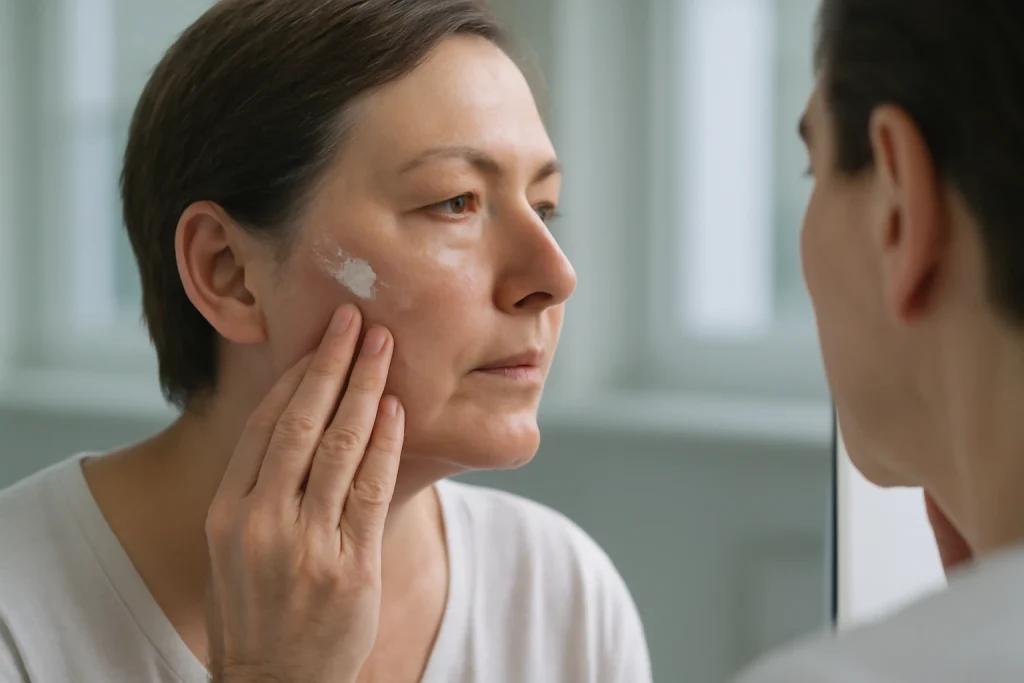
Proper skincare and scar management, after your facelift, are two very important aspects for you to be able to get the best possible results. Although it is inevitable that scars will be left, the most important thing is to take such steps that will greatly lessen the visibility of the scars. Right after the recovery period, it is recommended that one should absolutely adhere to the doctor’s instructions regarding the care of one’s skin. The doctor should be the one to indicate the time when one can start cleansing one’s face and moisturizing. At the start, it is extremely important that no harsh or irritating products be used when the skin is cleaned or exfoliated. Rather, take a mild non-irritating cleanser and moisturizer. Moisturizing your skin will help repair the skin and you will not have the problem of your skin getting too dry. Skin hydration is very important because in case the skin is dry and tight the recovery process will be slowed and you will feel uncomfortable.
Handling scars should be as significant as the rest of the post-surgical care. A doctor could advise you to use a scar healing cream or a silicone gel to help the scar slowly disappear. The closest thing to a necessity is the elimination of the sun because UV rays can intensify the scar pigmentation and make it more noticeable. Besides that, a sunscreen should be applied every day so that the skin that is healing will not be harmed further. Make your skin comfortable, do not scratch or take off any scabs, and let the mending process take its own course.
Long-Term Care and Maintenance for Lasting Results
After getting through the initial recovery stage, long-term skin and general health care are still very important if one wants to keep his/her face rejuvenation effects for a long time. Following up with your surgeon is very important during the first months after your operation. These appointments will give you the opportunity to talk over with your surgeon any issues that you might have and also get another guidance on how to keep and maintain your results.
Keeping a good lifestyle is very important if one is to keep the results of a facelift for a long time. A well-balanced diet full of antioxidants, water intake, and exercise will not only keep your body in good condition, but they will also prolong the effects of your facial rejuvenation. Moreover, quitting smoking is very important because smoking not only speeds up the aging process but also deteriorates the skin quality.
What is more, long-term skincare such as Botox, dermal fillers, or other non-invasive treatments may be the solution to the prevention of new signs of aging. In this way, the face is both kept youthful and fresh for a longer period and the two procedures – facelift and these treatments – can work together.
References
- “Facelift Surgery: Post-Operative Care,” American Society of Plastic Surgeons.
- “Post-Operative Care for Facelift Patients,” Lin Health Europe, Istanbul.
- “Managing Post-Surgery Pain and Swelling,” National Institutes of Health.
- “Scar Prevention and Management After Facelift Surgery,” The Journal of Aesthetic Surgery.
- “The Role of Skin Care in Facelift Recovery,” Aesthetic Surgery Journal.
Frequently Asked Questions About Post-Facelift Care
The initial recovery period after a facelift typically lasts 7 to 10 days, during which most of the swelling and bruising will begin to subside. However, full recovery can take up to several months as your skin heals and settles into its new position. It’s important to follow post-surgery care instructions to ensure the best results.
To reduce swelling after a facelift, keep your head elevated as much as possible during the first few days. Applying cold compresses in the first 48 hours can also help reduce swelling and bruising. Avoid bending over or any activities that might strain your face or cause the blood to rush to the area.
Most patients can return to work within 10 to 14 days after their facelift, though it depends on the type of work you do and how quickly your recovery is progressing. For more physically demanding jobs, it’s best to wait at least 4 to 6 weeks before resuming work.
After a facelift, it’s important to follow your surgeon’s advice for skincare. This usually includes using gentle cleansers, applying moisturizers to keep the skin hydrated, and avoiding direct sun exposure. Additionally, using sunscreen daily is essential to protect the skin from UV damage, which can worsen scarring.
During the recovery phase, you should avoid strenuous physical activities, heavy lifting, bending over, and vigorous exercise for at least 4 to 6 weeks. These activities can increase swelling and strain the healing tissues, potentially impacting your results. Always follow your surgeon’s guidance regarding when it’s safe to return to normal activities.