Bleeding, infection, or scarring risk.
Labiaplasty is considered one of the most efficient feminizing surgical techniques, leading to over-the-top satisfaction of the patients in the field of aesthetic and functional gynecology. But, still, the management of the female genitalia needs very deep anatomical knowledge and in-depth respect. Patients when inquiring about the risks of labiaplasty surgery, the surgeon should be very honest and truthful and really consider what is physiologically safe rather than making only a cosmetic promise. Although the life-threatening issues are very rare, the vulvar area, because it is a very vascular, sensitive, and dynamic anatomy, can be affected if poor surgical execution or faulty postoperative care leads to severe functional and aesthetic problems.
For us at Lin Health Europe Clinic, intimate surgery is a medical discipline to which functional preservation should be an absolute priority. We also tell our international patients who are traveling to Turkey that being open about the risks of surgery is the foundation of giving consent after one understands the risks. Our clinic is a top reconstructive gynecology surgical center of excellence offering a high level of medical rigor where we carefully predict, avoid, and handle all possible complications to ensure that your surgery adds value to your life without compromising your health.
The Biggest Risk of Labiaplasty Surgery: Too Much Tissue Removed

The most damaging and, of course, irreversible risk of labiaplasty carried out by an unskilled surgeon is over-resection—taking away too much of the labial tissues. The labia minora have a very important biological role; they work as the protective barrier of the vaginal opening and the urethra, sealing in moisture and keeping out bacteria.
If a surgeon roughly cuts the labia to make it look flat or like a prepubescent child, then you lose this protective function totally. In terms of symptoms, it can cause vaginal dryness all the time, small infections happening frequently, and very painful sexual intercourse (dyspareunia) due to unprotected friction. Our surgical team in Turkey at Lin Health Europe Clinic takes a very safe approach to labial tissue removal. We perform advanced wedge or modified trim techniques that allow us to keep a good mucosal border on the labia at all times.
Wound Rupture and Uneven Scarring
Since the labia are constantly exposed to movement, rubbing, and moisture, the physical strength of the surgical wounds can be easily compromised during the early days of healing. Wound dehiscence is the opening of healed parts by the spontaneous rupturing of very thin surgical stitches.
Knowing that the wound is open increases the risk of contamination, and also, the tissues that will form new skin by a slow and indirect process will not form a regular or neat pattern, and/or one that is symmetrically healing in a natural way may have jagged edges or irregularities. Lin Health Europe Clinic team in Turkey is well aware of this mechanical risk and caters to it by employing multi-layered, low-tension sutures. Also, we impose very strict mobility limitations after surgery (including totally no squatting, straddling, or heavy exercising) during the essential time when the body is making new collagen that will give strength to incisions (early neocollagenesis).
Changes in Sensation and Nerve Injury
The vulva has a large number of sensory nerves. Surgical removal of labial tissues always inevitably involves nerve injury. Transient nerve injury or neuropraxia resulting in numbness or hypersensitivity is a very normal response to the surgical trauma and this is often accompanied by tissue swelling, and this numbness or hypersensitivity will disappear within several weeks or months.
On the other hand, deep nerve damage without recovery is an unacceptable surgical mistake. If the surgeon operates very close to the clitoral hood or the root of the labia and he/she fails to identify this, he/she will risk cutting the pudendal nerve branches. This will give rise to both permanent loss of sensation and neuropathic pain. This is where the skills of lifetime and the desire to promote well-being through the needless destruction of bodily function matter the most at the Lin Health Europe Clinic. We preoperatively outline your skin’s neurovascular architecture by microsurgical techniques to avoid destructive cutting of nerves during surgery and keep all sensory functions intact.
Hematoma and Infection at the Surgical Site
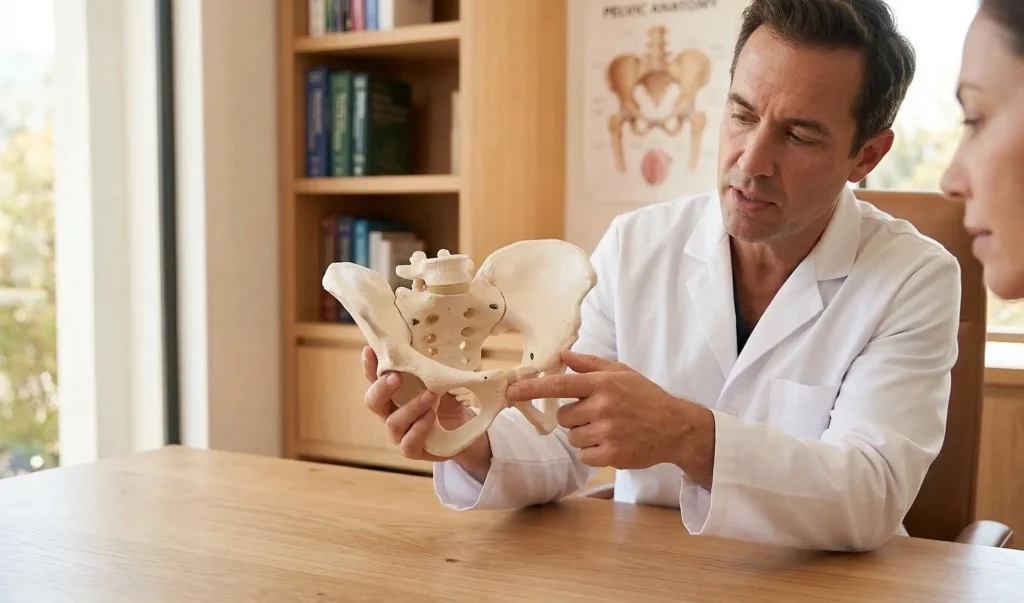
Any surgical operation carries default risks of blood loss and tissue infection but labial tissues are very particular by the amount of blood they receive and how easily they can get infected. The skin in this area is highly vascularized and hence the bleeding of the skin may be forming a hematoma (a large collection of clotted blood beneath skin, causing swelling and pain) which may need to be drained surgically. Also, the closeness of the surgical wounds to the urethra and anus puts the wounds at risk of being contaminated by bacteria.
When it comes to Turkey, Lin Health Europe Clinic takes care of its international patients without any compromise in the perioperative safety protocols. We perform excellent operating room interventions, which include thorough hemostasis so as to keep hematomas away. We also plan and prescribe the use of effective, broad-spectrum prophylactic antibiotics. We also teach our patients proper postoperative vulvar hygiene, which includes sterile saline rinsing being done time and time again for the surgical sites to be kept sterile throughout the healing process.
Labiaplasty in Turkey
Lin Health Europe Clinic is dedicated to the moral side of medicine, including the functional side and artistic side of female intimate surgery. Our center in Turkey is known for a high standard of technical expertise, and the hospitals we are working in are JCI-accredited, and thus, we are reflecting the level of a global leader in international medical tourism and gynecological reconstruction.
When you decide that Lin Health Europe Clinic is your partner, you are actually choosing the most experienced, board-certified surgeons in Istanbul. Our doctors are world-famous, and no doubt they are not only perfectly capable of performing the surgical procedure that you want and making it look amazing, but they will also protect your anatomical functionality most of all. Starting from your evaluation for the initial physiological and eventually the reveal of your beautifully healed and symptom-free body, you will get the essence of professional strictness and the highest-level and most engaging hospitality that made us the first name in the intimate aesthetic medicine. Along with us, your physical appropriateness and confidence journey will be handled very safely by the best globally.
FAQ:
Surgical risks of labiaplasty include wound reopening, infection limited to the surgical area, and asymmetry which may better or worse during the healing period. More serious problems, like removal of too much tissue or nerve damage that is permanent, are almost never seen with our board-certified specialists in Turkey.
You might experience numbness or being overly sensitive for some time during your first few weeks of recovery after surgery. That said, careful use of micro-surgical instruments at our clinic in Istanbul keeps the main sensory nerve branches tightly protected so there is no permanent loss of sensation.
If too much labial tissue is removed, the labia may no longer be able to perform their protective role. As a result, the patient may suffer from dry vagina, friction and painful intercourse on a regular basis. At our clinic, we follow a clinical protocol that involves very minimal tissue removal. Thus, we emphasize your functional anatomical health rather than vastly changing how you look according to the hottest cosmetic trends.
There will always be a risk of a minor localized infection after surgery because the area targeted by the operation is a naturally moist, bacteria-rich environment. The risk of infection will be minimized if you follow strictly our post-surgical hygiene measures and use the antibiotics prescribed to you.
Any surgical procedure produces scars, however the labia mucosa is very resistant to scar formation together with excellent healing. Our surgeons use very thin dissolving sutures so that the final microscopic scars will be invisible as they are hidden in the natural folds of your anatomy.
ACOG (American College of Obstetricians and Gynecologists). (2020). Elective female genital cosmetic surgery. Obstetrics & Gynecology.
Alter, G. J. (2008). Aesthetic labia minora and majora reduction. Plastic and Reconstructive Surgery.
Goodman, M. P. (2009). Female cosmetic genital surgery. Obstetrics and Gynecology.
Ellsworth, W. A., et al. (2010). Complications of labiaplasty: a systematic review. Aesthetic Surgery Journal.