Is It Normal To Have Sore Breasts During Implantation?

Medically reviewed by Op. Dr. EmrePlastic and Aesthetic Surgeon
Yes, breast soreness can be normal.
The Biometrics Of Acute Tissue Expansion And Inflammation
Mammoplastic surgery and body contouring are such pet projects of our days that the implantation of a medical-grade device surgically is now a quite common activity. However, the insertion of the implant to you body is still a major physical change, and that is why it might be really painful for some people. Therefore, our patients very often contact us to check if breast pain after implantation is a normal biological response or not. From a very clinical point of view, a deep, aching soreness is indeed a normal physiological reaction to what has happened. By inserting a silicone implant, your body has to react immediately, on the one hand by expanding the skin, and on the other hand, the inflammation cascade is triggered due to internal tissue damage.
In fact, this is something your body does in order to finally reach a new state of balance with the very presence of the implant. As the newly created physiological pocket is gradually filled with the implant, microtrauma to nearby cells will take place, resulting in rapid blood and lymphatic fluid flow in the area. The massive fluid accumulation results in internal pressure, which is interpreted by the patient as a feeling of tightness, heaviness and the persisting dull pain. Realizing that this breast pain or soreness is part of the biological adaptation process rather than an indication of surgical failure will help you deal with the early recovery in a positive manner.
Submuscular Placement And Pectoral Muscle Spasms
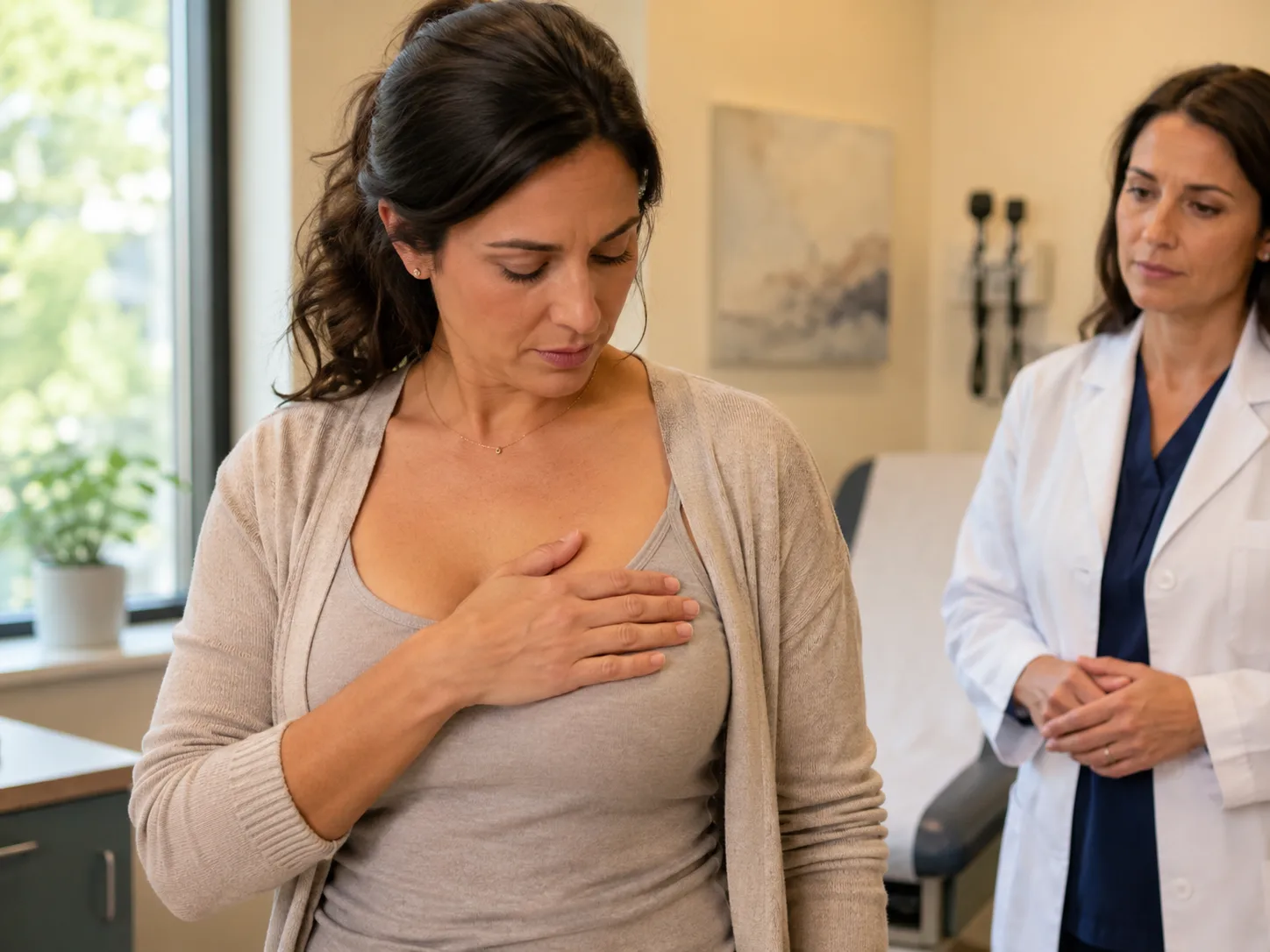
The nature of the specific surgical approach that has been performed determines how the patient will experience pain after the surgery and for how long. People who choose the breast implants with the dual-plane or submuscular method, which is indeed the gold standard in contemporary aesthetic surgery, will be happy to know that they have a choice. To accomplish this, the surgeon has to lower the pectoralis major muscle and the big part of the implant will be under the muscle. This wonderful method hides the implant perfectly, but it is not without its consequences, as the stretching of the muscle fibers is quite intense.
Muscles usually contract forcibly to protect themselves when they are faced with excessive strain. One of the main causes of post-surgery discomfort is the spasms that the pectoral muscle undergoes after the patient stops using it, usually for a week, that is, the recovery phase. In case you have been used to working out your chest by lifting heavy weights and this is what keeps your physique looking athletic, then there is a need to discontinue doing this during your healing period as well. Due to the heavy manual work being done to the pectoral muscles, you must avoid any heavy lifting or direct chest engagement if you want your upper torso to heal without developing unwanted bulky muscles or a heavy, masculine V-shape that is normally seen in males.
Sensory Nerve Regeneration And Neuropathic Sensitivity
Aside from the muscular discomfort, the sensitive nerves in the mammary tissue get disrupted during the implantation. The skin is practically integrated with the nerves that give us sensations, so irritation of these nerves which are stretched and their position altered by the implant, leads to a specific type of discomfort that is neuropathic pain.
Neuropathic pain may be related to sudden sharp nerve zaps or intense tingling or periods of hypersensitivity when clothing is felt on the skin. The first thing you should know about these manifestations of pain is that they are good signs of a healthy, functioning nervous system. These zaps and tingles show that your nervous system is repairing the stretched connections and regenerating. Naturally, your heightened sensation will disappear as your dermal envelope returns to its normal state.
Managing Mechanical Load And Elite Recovery Protocols
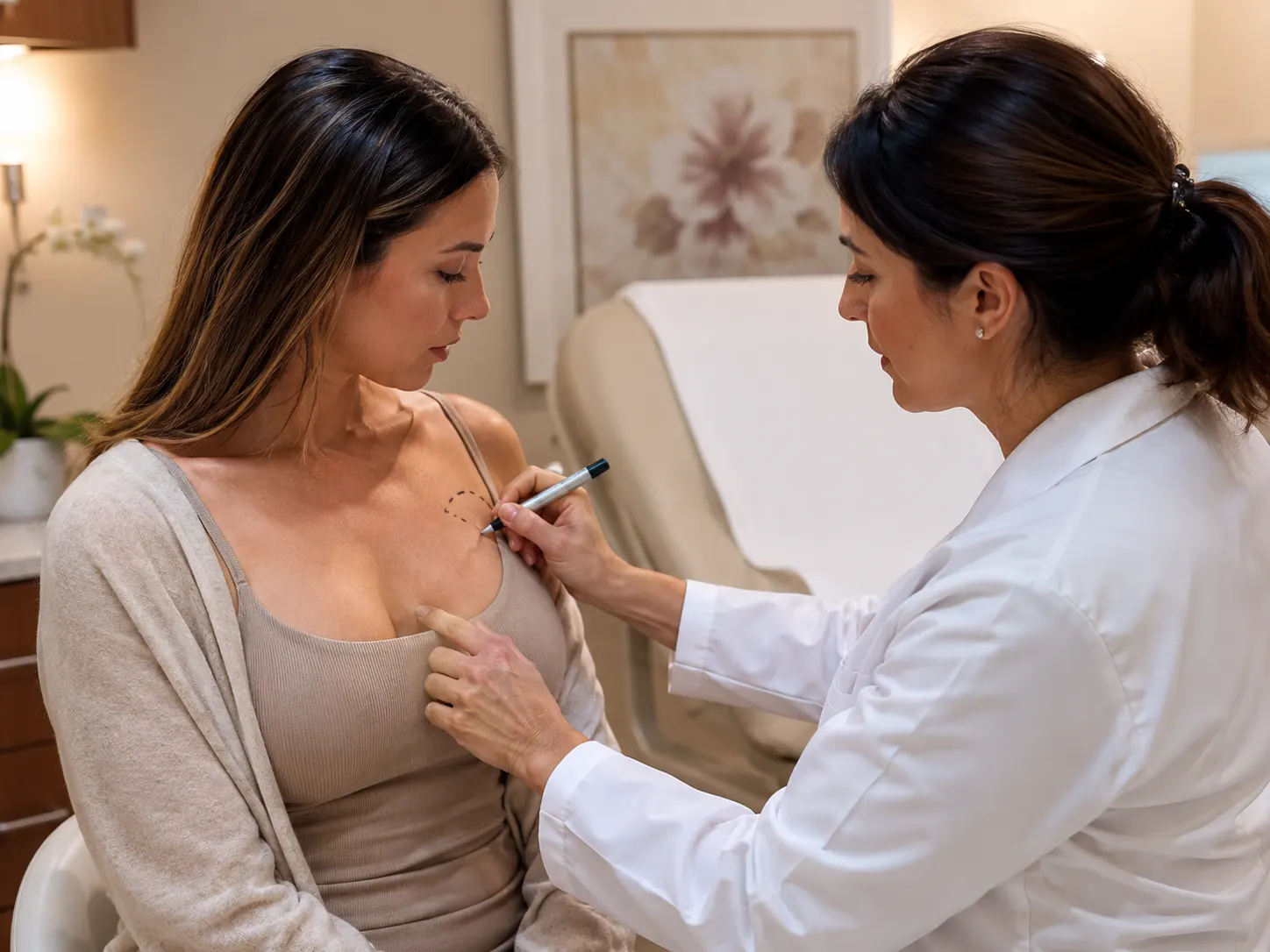
Strictly following a recovery protocol based on scientific facts and keeping a clear mind about your fresh surgical results are the two essential things that will help you relieve pain and manage discomfort in this period of intense physical soreness. Hydrostatic compression is simply the most effective way of dealing with post-operative pain. Immediately after the operation and for a longer time period, you will be wearing a compression garment that has been designed and engineered to the highest medical standards, and it is as necessary as any other item of clothing. This helps in not allowing excess fluid to pool and reduces pressure and tightness.
Along with wearing high-compression garments and putting on behavioral changes properly and consistently, these are the keys to maintaining your systemic vitality and minimizing your physical discomfort. Very few patients are aware that sleeping at a 45-degree angle also helps in recovery and we doctors always make this a non-negotiable part of the instructions given to a patient after surgery. The head elevation helps drain inflammatory fluids away from the chest wall and thus prevents the throbbing that is vascular in nature and swelling which can be quite severe when one lies flat.
Breast Implants in Turkey
LIN Europe Clinic is your premier medical destination where you can rely on clinical excellence and compassionate care throughout the journey of your transformation. The recovery period of a breast augmentation and the associated physical soreness can be daunting and challenging; this is why we structure a very clean, supportive, and highly transparent environment around our patients. Our state-of-the-art facility in Turkey is a global leader in body contouring and a trustworthy partner to your surgical journey, providing a serene and calming atmosphere where your roadmap to surgery will be strictly based on the best of medicine and elite patient safety.
When you trust our team of specialists at LIN Europe Clinic with your care, you are not just getting a world-class surgical team; you are also partnering with a medical institution that has pain management as part of its main focus and which is extremely meticulous with tissue protection. We employ surgical methods that are considered world leaders and minimize the trauma inside the body, along with providing every guest with biological knowledge and understanding so as to enable them to flawlessly go through recovery. Be in the center of Turkey, enjoy the refined and unmatched care of LIN Europe Clinic and get a well-balanced, secure, elegant profile that is the epitome of aesthetic beauty done in a safe and masterful way.
FAQ:
References
Adams, W. P., Jr. (2009). The process of breast augmentation: four sequential steps for optimizing outcomes for patients. Plastic and Reconstructive Surgery, 124(6), 2144-2150.
Tebbetts, J. B. (2002). "Out of bed in 24 hours": a new perspective on managing muscle-covered breast implants. Clinics in Plastic Surgery, 29(1), 125-134.
Swanson, E. (2012). Prospective sensory evaluation after breast augmentation using the pressure-specified sensory device. Annals of Plastic Surgery, 69(6), 578-584.
Mustoe, T. A., Cooter, R. D., Gold, M. H., et al. (2002). International clinical recommendations on scar management. Plastic and Reconstructive Surgery, 110(2), 560-571.
Frequently asked questions
Is it normal for the breasts to hurt after getting implants?
Yes, it is completely normal that your body will respond biologically with a deep ache and tightness. After the surgery, your skin and chest muscles will need some time to stretch and accommodate the newly added volume of silicone.
How long does the soreness last after breast augmentation?
The muscle soreness and feeling of pressure are normally at their peak for the first five to seven days. However, you might still experience some mild tenderness and occasional nerve zaps for a few weeks as the tissues are still healing.
Why do my breasts feel so tight and heavy?
The implants that are freshly placed not only make a physical change to your body but also cause your natural skin to be stretched too tightly. As the skin stretch is a form of mechanical tension, therefore, it may be the cause of your temporary feeling of heavy and pressured chest.
What helps relieve the pain after implant surgery?
With continuous wearing of your medical compression garment, you grant your body the much needed the structural support and pain resulting from swelling is reduced quite significantly. Additionally, using several pillows to prop yourself up while sleeping works to reduce the throbbing that is caused by excess blood flow in the surgical area.
Are sharp shooting pains normal during breast recovery?
Sharp zaps or tingling sensations might be quite scary but they are in fact a sign that the touch and pain sensory nerves are waking up and healing. Gradually these neuropathic sensations will disappear completely once your peripheral nervous system is done with recovering.
This article is general information, not medical advice, and does not replace a consultation. Every procedure carries risk and outcomes vary from person to person.
Last reviewed 1 June 2026