Facial weakness or numbness are early signs.
Preserving the facial nerve (the seventh cranial nerve) is crucial not only the right thing to do but the key to surgical safety in facial plastic surgery. The outer facelift or deep-plane neck lift are examples of how closely adjacent motor and sensory nerve branches can become when one lifts and separates the supporting tissue layers. Permanent damage is now very infrequent due to the adoption of newer methods but besides that recognizing the very early spasms or physiologic signs resulting from nerve irritation will help to manage the
aftercare effectively.
At Lin Health Europe Clinic, we consider nerve monitoring an essential part of our postoperative protocols. For our patients coming abroad to Turkey, knowing the difference between the usual, short-term numbness from edema and the motor nerve injury signs is very important. At our clinic, we are surgical precision pioneers in the region, guaranteeing every patient neurovascular safety and the highest level of care during their facial refurbishing operation journey.
Localized Motor Weakness and Asymmetry
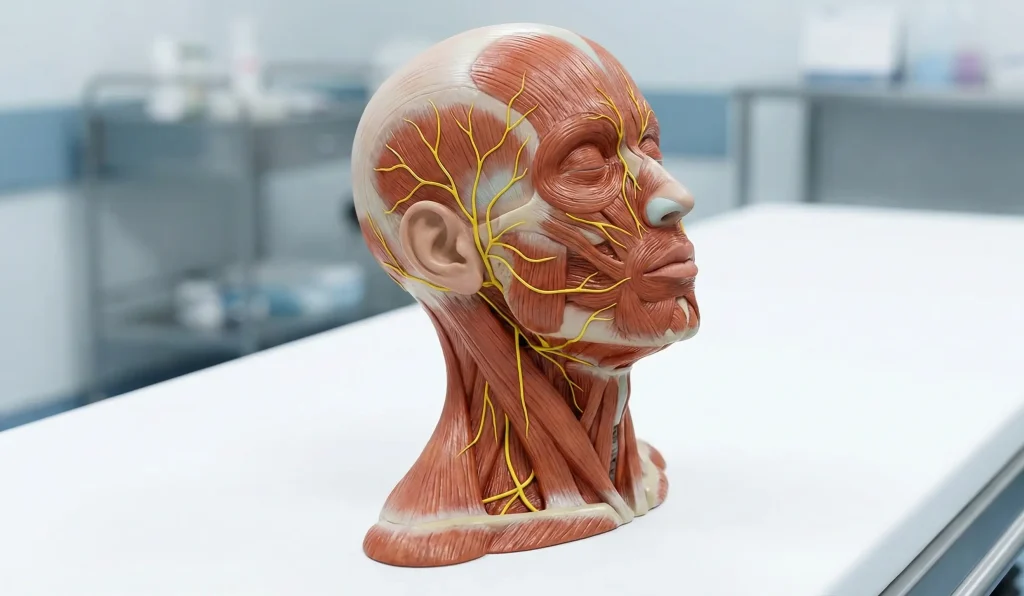
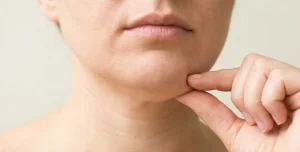
One of the first features that can be very easily identified by a patient showing motor nerve irritation is muscle weakness in a certain area. Frequently it leads to one side (also understood as accentuating the natural asymmetry) of the face not being able to move fully with the other side. For instance, a problem with the marginal mandibular branch would result in the patient noticing a drooping lower lip or simply the corner of the mouth being unable to go downward when speaking or smiling.
Clinical Indicator: Any weakness occurring immediately after the anaesthetic block should be carefully watched.
During their mission in Turkey, the Lin Health Europe Clinic surgeons will do post-op examinations to check the function of all five branches of the facial nerve. Early muscle weakness can be due to either local anaesthetic given or a small amount of swelling – why it is important to realize that neither really means there has been damage. When you opt for a top institution like ours, you will be in the hands of experts who not only have mastered these situations but also have the resources to carry out procedures of the highest medical integrity.
Sensory Paresthesia and Abnormal Sensations
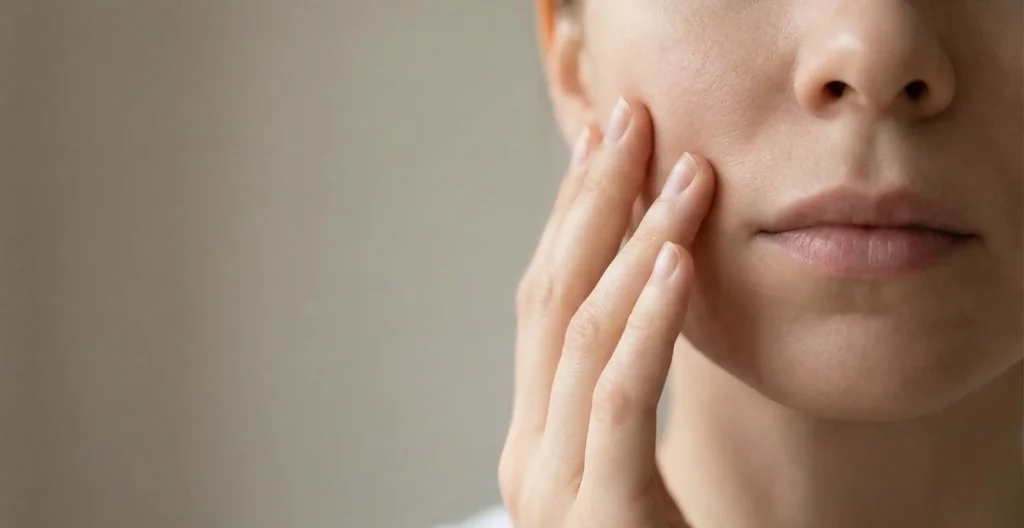
Motor nerves enable muscles to move while sensory nerves are responsible for touch, pain, temperature, and other sensations delivery. The initial symptoms of sensory nerve damage presence are actually changed sensations “paresthesia” such as tingling, “pins and needles,” or a “burning” feeling. Generally, when the small sensory fibers present in the subcutaneous adipose tissue get injured, the associated numbness and recovery is normal but a continually present, increasing or spreading paresthesia indicates that a major nerve branch is being pressured by the collection of fluid postoperatively.
| Sensation Type | Typical Cause | Clinical Outlook |
| Complete Numbness | Normal tissue mobilization | Resolves in 3-6 months |
| “Electric” Zaps | Nerve fiber regeneration | Positive sign of healing |
| Persistent Burning | Nerve irritation/Pressure | Requires clinical review |
The Lin Health Europe Clinic clinical team in Turkey attends to such sensations as part of the normal healing trajectory and the patients from other parts of the world must be comforted that zapping or electric feelings are genuine indicators of nerve regeneration. They can expect to have easy access to professional help at any time should they have questions about facial nerve healing or neurology of wounds because our dedication is to a completely open atmosphere and maximum support.
Incomplete Eyelid Closure (Lagophthalmos)
If the temporal or zygomatic nerve branches are irritated, the first symptom may be an incomplete closure of the eyelid on the side where the eye is affected. The patient may first notice this when their eye feels dry or irritated. The initial indication of this disorder is a signal for the cornea to be guarded by applying the preventive measures required to the situation even if it is determined that the nerve’s weakness is only temporary and due to inflammation or edema.
The use of sophisticated surgical mapping allows us at Lin Health Europe Clinic in Turkey to avoid these very important ocular nerve pathways. We provide the patient supportive care to the extent of immediate administration of special eye drops and the use of protective plastic shields should we notice that any muscle weakness is merely transient. Our clinic is recognized for anticipating patient needs and safety, engaging the best neuroprotection skills and expertise to handle even the slightest signs of nerve distress.
Flattening of the Brow and Forehead Lines
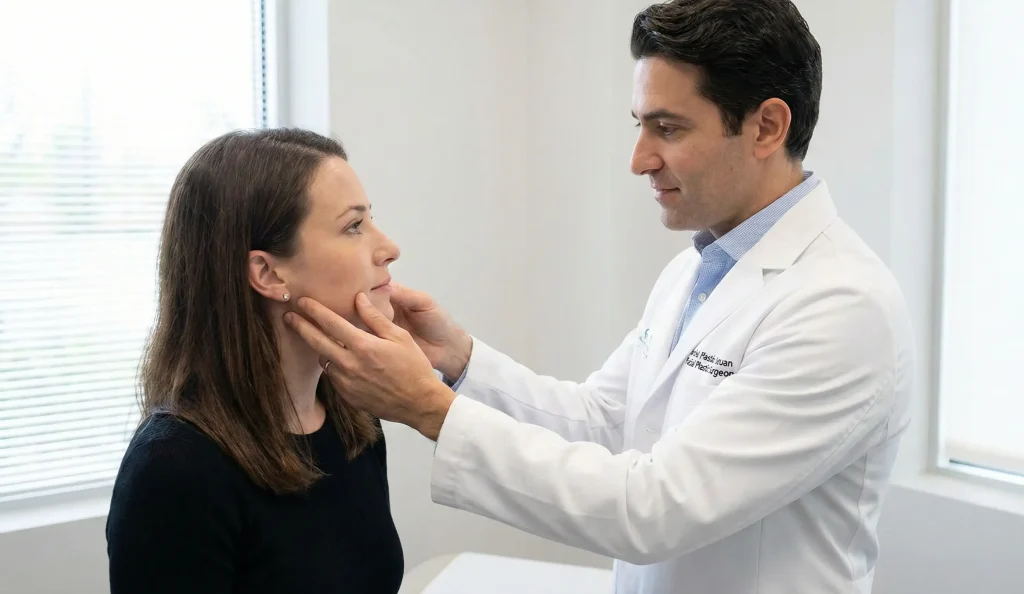
Another peripheral, however, significant early hallmark for nerve involvement is the dwindled “dynamic” lines on the forehead area. In case the frontal branch of the facial nerve gets temporarily impaired, raising the eyebrows past a certain height may now be impossible on one side of the face and the forehead will stay smooth on the side where no wrinkles appear while at the same time the other side shows wrinkles when expressing. Clinically recognized as temporary “neuropraxia,” this decreased locomotion is a sign that the nerve is not conducting properly for a short period of time.
Excellent knowledge of the deep-plane anatomy allowed our surgeons in Turkey to avoid placing any tension on the nerves while carrying out brow and forehead repositioning. Lin Health Europe Clinic has always been stressing that as a rule, these minor asymmetries tend to disappear as the internal tissues soften and the swelling subsides. Being committed to the idea that facial expressions should stay natural and bright not only up to but also throughout the whole recovery phase is just one of the things that the most prestigious surgical establishment in Turkey does for its clients.
Advanced Clinical Safety and Neuro-Monitoring
At Lin Health Europe Clinic, we regard the highest level of surgical skills as the art of leaving the natural functions unaltered and intact. Stage-wise planning, ongoing clinical risk assessment, risk and safety culture, and acute identification of deviations from the usual post-surgical course are some of the underpinnings of our clinical practice. Our surgeons are supported beyond the ordinary by intraoperative technology featuring high magnification that equips them with splendidly clear visualization of and safe handling of sensitive neurovascular structures, without time interruptions or relying on correlative landmarks.
When you choose Lin Health Europe Clinic, it means that you have found a team who treats your health today and in the foreseeable future condition as a paramount concern along with your cosmetic result. Our hospital teams in Turkey consist of skilled and specially trained personnel, including experienced nurses, who take care of and watch the postoperative patients 24/7 and are always ready to spot the early physiologic signs of nerves getting to normal function and recovery. You deserve to be treated by the most competent and dedicated people in the global beauty industry, where safety is the first condition to be met before any transfiguration can take place.
Frequently Asked Questions About Facial Nerve Safety
Initially, the symptoms may include the inability to move certain muscle groups such as a drooping left side of the lip or a “frozen” right eyebrow. At Lin Health Europe Clinic, we can tell these ephemeral signs apart from the usual postoperative numbness experienced in Turkey.
Permanent numbness is very unusual and, in most cases, the sensory loss recovers in three to six months after the regeneration of the nerves in the subcutaneous adipose tissue. Lin Health Europe Clinic always guarantees you a long-term follow-up to make sure your recovery is perfect.
According to statistics, a hematoma is the most frequent clinical complication. Although our patients in Turkey are primarily concerned about the nerves, due to our laser-focus energetic attention to detail at Lin Health Europe Clinic, structural damage is virtually non-existent.
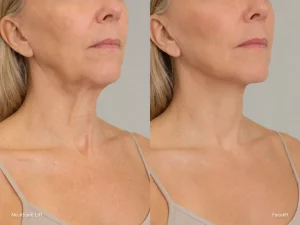
Reconstructing the muscles beneath the skin and cutting away the excess fat, a neck lift gets rid of a double chin and you are left with a beautiful, well-defined line of the jaw. We perform this makeover the most, out of the total number of procedures done to our international clientele at Lin Health Europe Clinic in Turkey.
It is quite common that there is a slight asymmetry of the face in the first days which is usually due to uneven swelling or the effect of local anesthesia. Our reconstruction specialists in Turkey will closely follow your recovery and will make sure your smile will be normal and natural again when you are done healing.
Baker, D. C., & Conley, J. (1979). Avoiding facial nerve injuries in rhytidectomy. Plastic and Reconstructive Surgery.
Stuzin, J. M., et al. (1989). Anatomy of the frontal branch of the facial nerve. Plastic and Reconstructive Surgery.
Mendelson, B. C., et al. (2002). Surgical anatomy of the lower face: the facial nerve and the SMAS. Aesthetic Surgery Journal.
Jacono, A. A. (2011). The deep plane facelift: anatomical basis and surgical technique. Facial Plastic Surgery.