Do Breast Implants Have an Expiration Date?

Medically reviewed by Op. Dr. EmrePlastic and Aesthetic Surgeon
No, but they may need replacement over time.
One of the most persistent myths and anxiety provoking one in the realm of plastic surgery has to be the belief that breast implants are like a carton of milk - marked with an "expiration date" after which they are no longer good and must be taken out. Quite often, patients come into consultations believing in the 10-Year Rule, thinking that on the tenth anniversary of their operation there would be a buzzer that would go off and they would have to book a replacement surgery immediately or face health consequences.
The truth is, it's far more complex than that. Breast implants don't really have an expiration time. They are not consumables. They are medical devices made to last as long as they hold up physically. Certainly, they are not considered 'lifetime devices' - meaning you shouldn't expect to have the same pair at 80 that you got at 20 - but a lot of women happily keep their original implants for 15, 20, or even 25 years without a single problem. At Lin Europe Clinic, we believe in turning the talk from 'expiration' to 'monitoring'. Knowing the mechanical lifespan of the shell versus the aesthetic lifespan of the result is the secret to managing your long-term expectations.
The Origin of the '10-Year Rule'
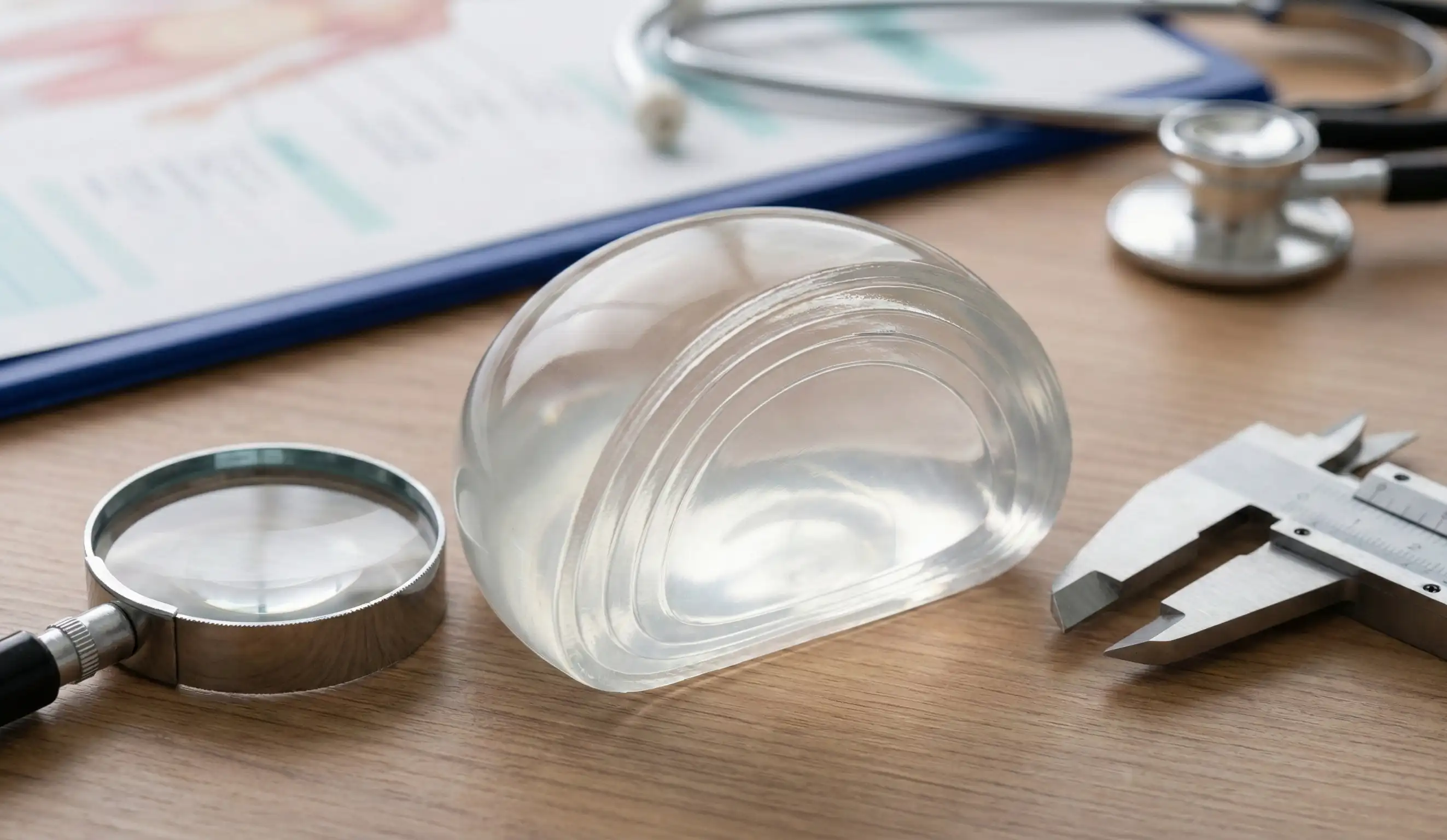
If breast implants don't have expiration dates, then where did 10 years come from? This figure is mostly taken from manufacturer warranties and FDA data collection cycles rather than any biological basis.
Big implant manufacturers such as Mentor, Motiva, and Allergan usually give comprehensive warranties that cover rupture and deflation only for the first 10 years. To the consumers, this warranty period got mixed up with the lifespan of the product. When your automobile warranty ends at 100,000 miles, it doesn't imply that your car will stop operating; it merely signifies that the manufacturer will not be covering the cost of repairs. Hence, if after 10 years your implants seem comfortable, look good, and are still there, medically, there is no reason to have them taken out. Don't fix something that isn't broken.
The "1% Rule": Understanding Rupture Risk
Though an implant has no definite date of death, its chance of failure statistically increases with time. We often give our patients the "1% Rule": the risk of implant rupture goes up by approximately 1% for each year the implants are in your body.
- Years 1–5: Risk of rupture is very low (usually less than 5%).
- Year 10: The overall risk is about 10% to 15%.
- Year 20: The risk is at 20% or higher.
This 'wear and tear' takes place as the implant shell is being constantly folded, squeezed and moved by your pectoral muscles and your day-to-day activities. Just like a paperclip that is bent back and forth repeatedly, the silicone shell can slowly but surely develop a microscopic 'fold flaw' or fatigue point that results in a tear. That's why we say implants are not lifetime devices - physics eventually wins.
Silent Rupture: The Stealth Expiration
The kind of expiration really depends on the material.
- Saline Implants: If these break down, you immediately get to know. The shell gets a hole, the benign salt water leaks out, and the breast loses its shape very quickly (like a flat tire in less than one day). This is basically an 'overt' expiration.
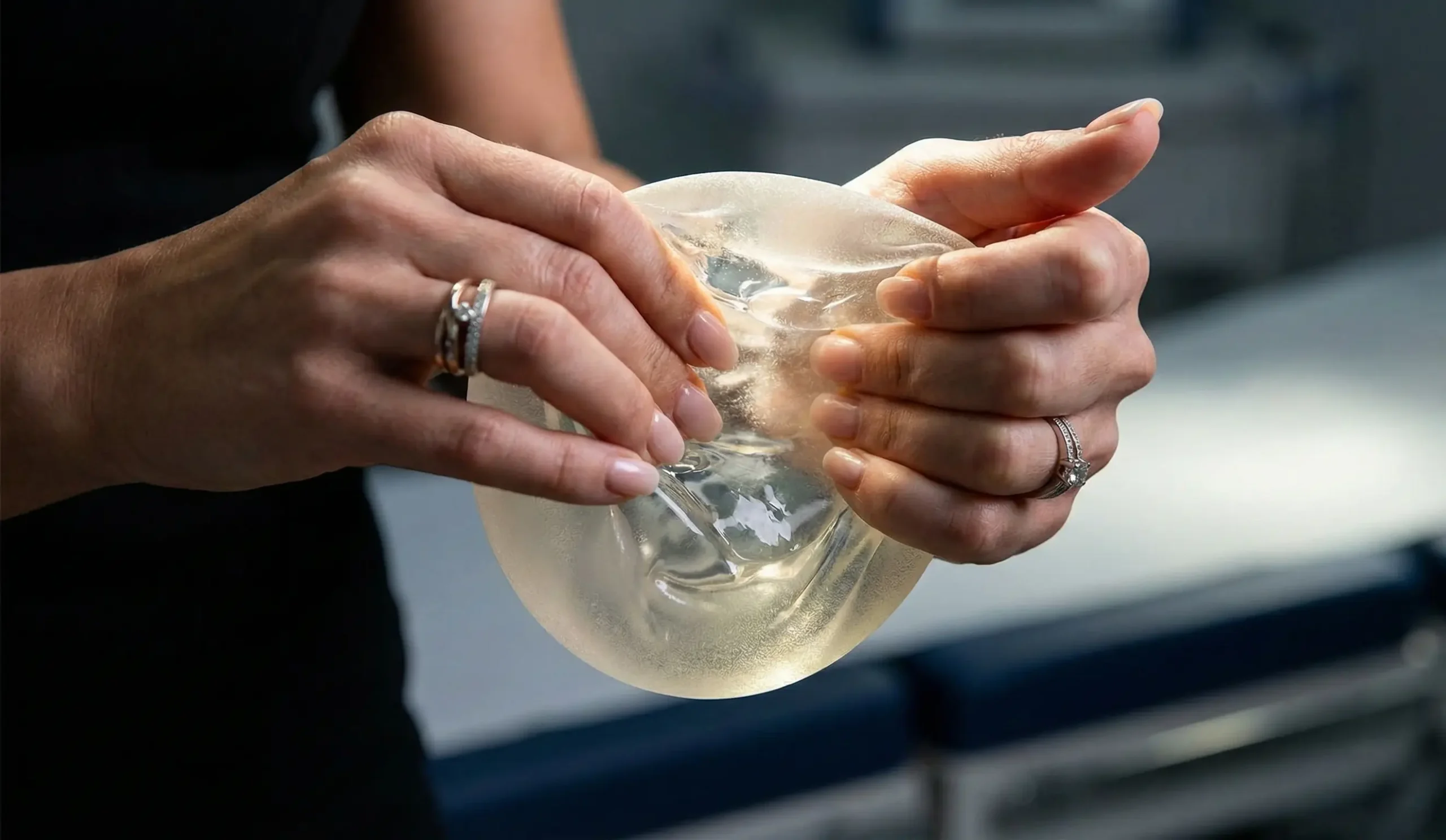
- Silicone Implants: These breakdowns come quietly. Since modern silicone is a cohesive gel (similar to a gummy bear), if the shell breaks, the gel doesn't run away. It stays inside the pocket. You may not recognize any change in shape or feel. This is a 'Silent Rupture'.
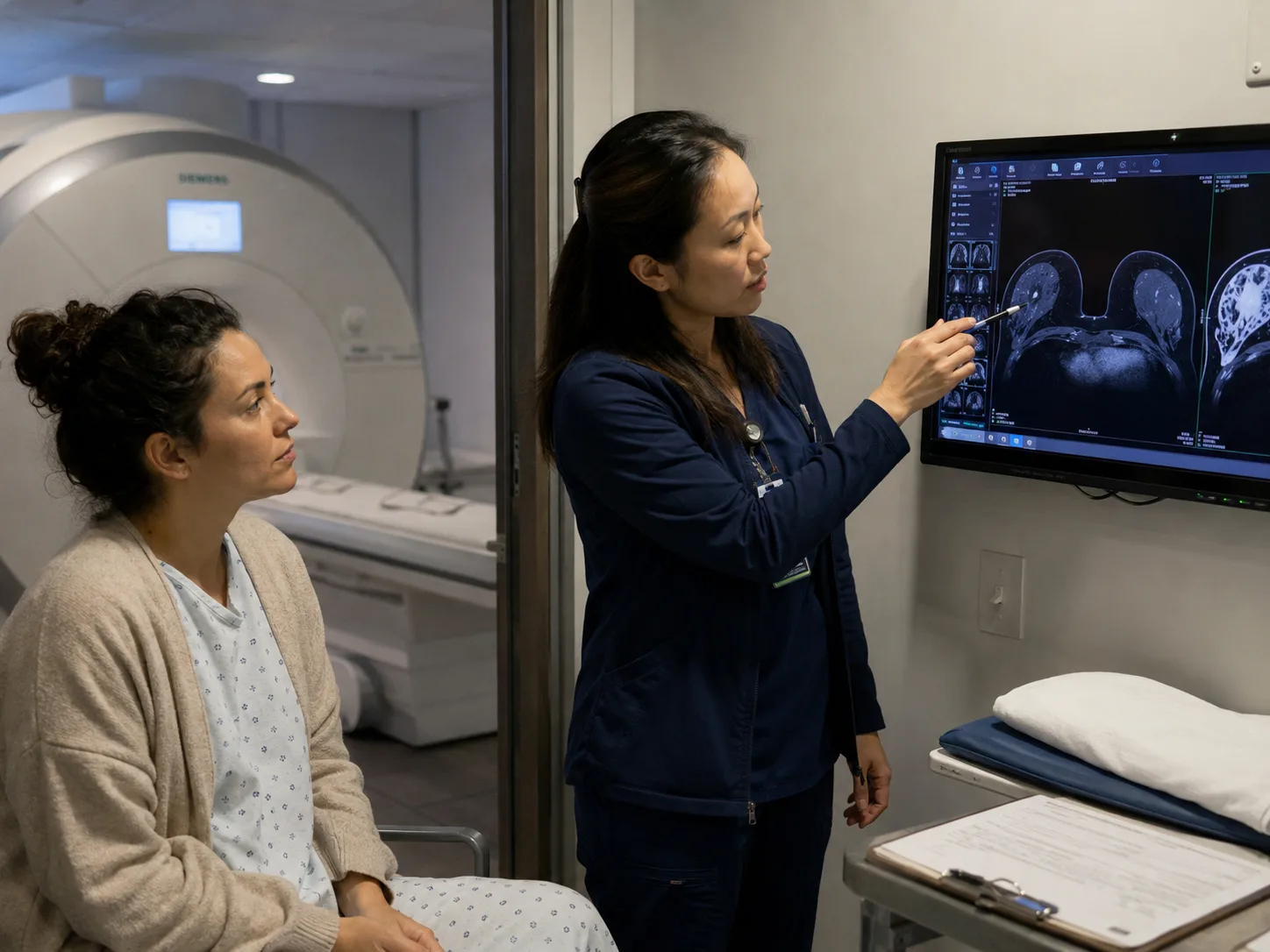
This is one of the reasons why the regulators suggest screening (MRI or high-resolution Ultrasound) periodically starting at year 5 or 6 and every few years later on. Expecting pain or deformity to indicate if a silicone implant has 'expired' is not reliable; you need someone from the inside to tell you.
Aesthetic Expiration: When the Body Retires Before the Implant
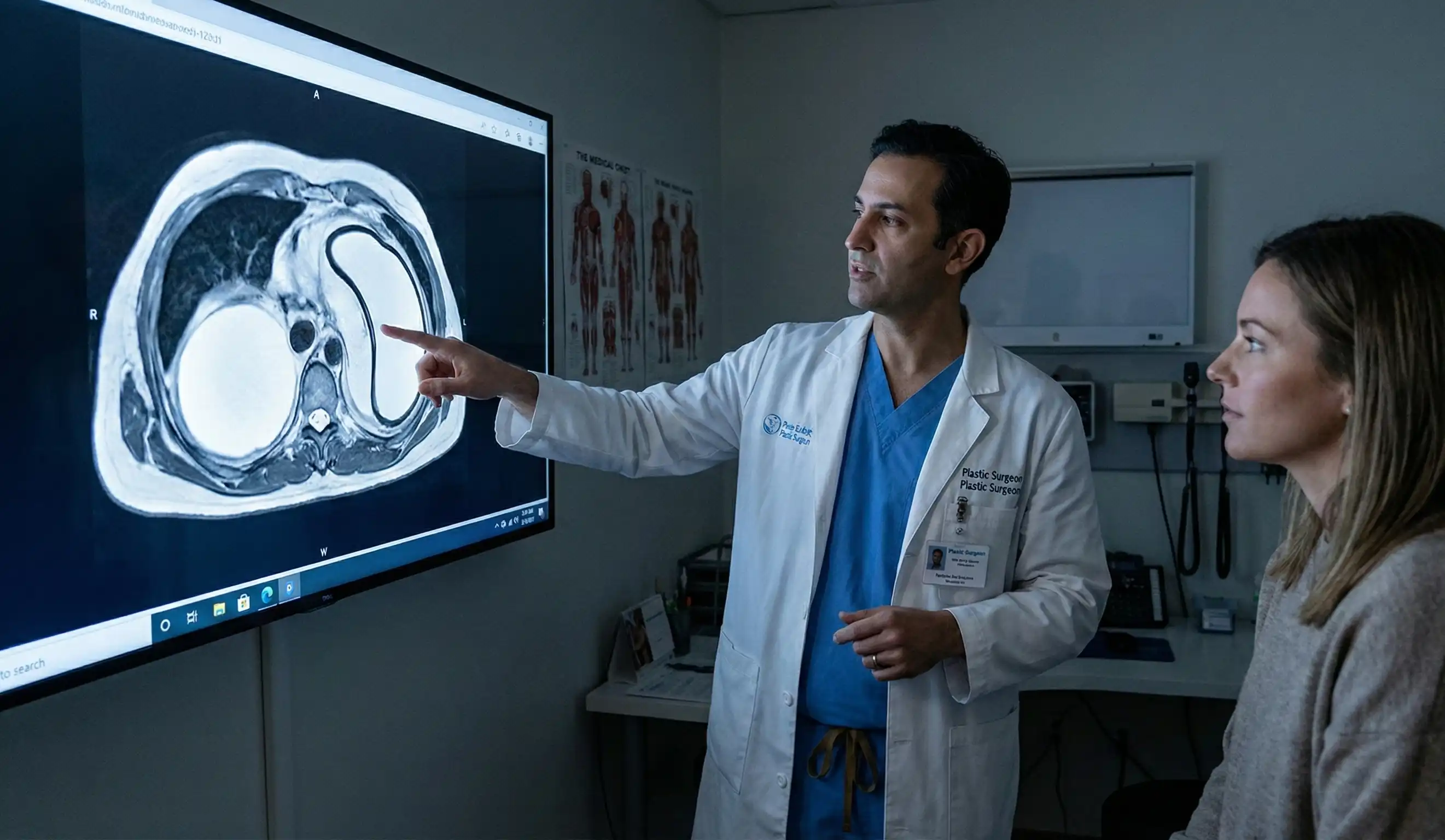
Ideally, the implant shell would stay good for many years, but the main reason for revision surgery is rarely because the implant has been the cause of a failure; it's typically due to the body's changes. It's called 'Aesthetic Expiration'. Your implants are artificial and, therefore, don't naturally age, sag or gain weight. However, your natural breast tissue and skin will inevitably be affected by the usual suspects like gravity, pregnancy, weight fluctuations, and menopause.
- The 'Snoopy' Effect: After 15 years your breast tissue naturally sags and slides down off the implant (waterfall deformity), so the implant stays high up while the nipple points downwards.
- Capsular Contracture: The scar tissue that surrounds the implant after a while may harden or tighten and thus, the soft breast turns into a hard, painful one. In such situations, the implant may be still in a very good condition; however, the relationship between the implant and your body has been 'expired' thus, a lift or an exchange would be necessary in order to restore the look.
The Evolution of Durability: Gummy Bear Tech
It's worth mentioning that the stats from two decades ago no longer reflect the situation of today's patients. 'Expiration' data are typically based on 3rd and 4th-generation implants.
Currently, at Lin Europe Clinic, we implant 5th Generation Cohesive Gel (Form-Stable) implants. These shells have been designed at the molecular level using nanotechnology to tolerate many times more stress than the previous ones. The gel is also thicker and firmer, so even if a rupture happens, the damage to the patient is minimal as the gel doesn't migrate to the lymph nodes. We notice that these new implants are able to last for an extended period, thereby breaking that old 10-year average barrier.
The Lin Europe Clinic Difference: A Lifetime Partnership
We at Lin Europe Clinic in Turkey think that our duty towards you does not end after the wounds have healed. We position ourselves as your life-long aesthetic partner. We get that the thought, "Are my implants still okay?" might randomly come to your mind five, ten, or even fifteen years after the treatment.
- Long-Term Monitoring: We equip our patients with a detailed schedule of how to perform self-exams and when to book ultrasounds.
- Warranty Advocacy: Our use of premium implant brands (such as Motiva and Mentor) is exclusive. These brands come with the most comprehensive warranties in the market. In the unlikely event of a rupture, our professionals will be there to help you through the warranty claim process so your replacement cost can be covered.
- Revision Expertise: Should the time come and you make up your mind to remove or replace them - whether due to rupture or lifestyle changes -, our surgical team is proficient in En Bloc Capshulectomy which means the entire capsule can be removed cleanly allowing for a new beginning. We are in it for the whole journey, not just for the surgery.
Frequently Asked Questions About Implant Lifespan
References
Maxwell, G. P., & Gabriel, A. (2014). Biofilms and breast implant contracture: Was the era of texture a mistake? Aesthetic Surgery Journal.
Handel, N., et al. (2006). Long-term safety and efficacy of highly cohesive silicone breast implants. Aesthetic Surgery Journal.
FDA. (2020). Breast Implants: Local Complications and Adverse Outcomes. U.S. Food and Drug Administration.
Frequently asked questions
Do I have to remove my implants after 10 years if they look fine?
No, absolutely not. If for example, ultrasound/MRI has verified that your implants are intact, you have soft breasts, and the appearance satisfies you, there is no medical reason to change your implants just because a decade has gone by.
How will I know if my silicone implant has ruptured?
Silicone implant ruptures are usually "silent," which means you do not feel anything. Occasionally, you may observe a change in shape, the area may become firmer, or you may feel a tingling sensation, but only an MRI or Ultrasound can give you a solid answer.
Is removal more painful than the original surgery?
This is not usually the case. Most of the time, removal or replacing implants hurts less and has a faster healing time than the first surgery since the pocket is already there and the muscle has already been stretched.
Do gummy bear implants last longer?
In fact, gummy bear implants last longer since they are highly cohesive with a thicker shell and a form-stable gel that resists folding and stress fatigue considerably, thus, statistically, resulting in lower rupture rates over time.
Can I breastfeed with 15-year-old implants?
Breastfeeding ability or safety is not compromised by the implant's age. Silcone cannot migrate through the silicone shell to the breast milk.
This article is general information, not medical advice, and does not replace a consultation. Every procedure carries risk and outcomes vary from person to person.
Last reviewed 29 January 2026