Swelling, anesthesia, and reduced movement cause bloating.
The Biometrics of Systemic Edema and Intravenous Fluids
In the field of body architecture and high-definition breast augmentation, surgical trauma biologically activates a response beyond the chest wall. One of the most common and yet most unexplainable aftermaths that surface after a breast enhancement is the rapid occurrence of severe abdominal bloating. However, as per the biometric interpretation, it is not the accumulation of fat but rather a comprehensive, systemic reaction fundamentally instigated by tremendous fluid displacements.
We at LIN Europe Clinic clarify the fact that the main reason behind this swelling is the intravenous (IV) fluid you are being administered during the operation. In order to safeguard your systemic vitality, keep the blood pressure at a healthy level, and keep the organs properly hydrated during anesthesia, anesthesiologists regularly administer sterile saline and electrolytes directly into your bloodstream. After the surgery, the human body needs time to process and get rid of this sudden inflow of volume. Since the gravity acts to pull the interstitial fluid downward, the surgical edema bypasses the chest and accumulates heavily in the soft tissues of the lower abdomen and flanks, thereby producing a swollen, bloated look.
Gastrointestinal Paralysis and Anesthesia
Besides the volume of fluids, the commitment to achieving a state of complete surgical unconsciousness involves the use of potent general anesthetics. These compounds chemically bring about profound neuromuscular relaxation, essentially “putting to sleep” not only the conscious mind but also the smooth muscle lining of the entire digestive tract. Gastrointestinal motility, that is, the rhythmic contractions responsible for the movement of food and gas through the intestines, is slow in recovering after anesthesia, even though your conscious mind regains awareness almost immediately upon waking from surgery.
The temporary disabling of the digestive tract musculo-layers, medically termed postoperative ileus, results in the trapping of the normal digestive gases within the intestines. Due to the absence of a clear exit route, the buildup of this gas physically forces the abdominal wall to protrude. The restoration of your intrinsic biological balance entails a simple, frequent walking to manually stimulate the digestive tract and coax the intestines back into their normal rhythm.
The Impact of Post-Operative Pharmaceuticals
Keeping you comfortably pain-free during the initial healing phase is a priority to safeguard the surgical glory of your enhancement. However, indulgence in post-operative comfort involves the use of prescription narcotics and powerful opioid-based painkillers, which, unfortunately, have a notorious reputation for their detrimental effect on the digestive system. The main way in which opioids alleviate pain is by connecting to particular receptors in the central nervous system to block the pain signals, but these very same receptors are also found in abundance in the gut.
Consequently, when the medication connects to the intestinal receptors, it drastically slows down gastric emptying and results in considerable constipation problems. This layer of drug-induced immobility henceforth aggravates the effects of anesthesia, culminating in the trapping of both gas and solid waste in the lower part of the abdomen. Exercising professional rigor, our team of clinical experts advises the phasing out of heavy narcotics in favor of mild, non-constipating anti-inflammatories as early as it is feasible to tolerate pain, leading to the immediate reduction of bloating.
Cortisol and The Surgical Stress Response
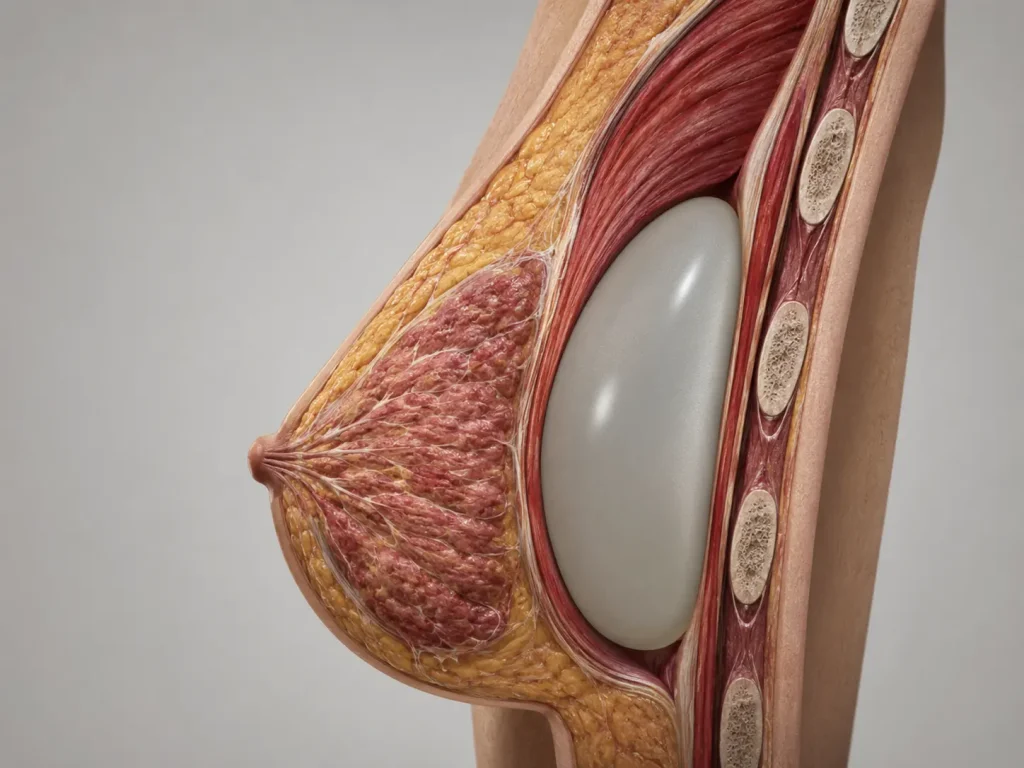
Nevertheless, even when an operation is done without faults, the human body interprets it as a controlled kind of physical trauma. In reaction to the incisions and tissue manipulations, the endocrine system instantly initiates a primal stress response by releasing very high levels of cortisol and anti-diuretic hormones into the bloodstream. Several stress hormone functions are run at the same time – they serve as biochemical defense mechanisms by instructing the kidneys to very strongly retain sodium and water in order to protect the body from the possibility of blood loss.
This hormonally-driven water retention results in the thickening of subcutaneous tissues throughout the whole torso. Thus, to counteract this and return to absolute structural harmony, patients scarcely drink enough water while on a strict low-sodium diet. Paradoxically, hyper-hydrating the body sends the signal to the endocrine system that the “drought” is over and so it tells the kidneys to get rid of the retained sodium and eliminate the swelling.
Clinical Triggers of Post-Operative Swelling
The different sources of bloating must be identified for an efficient and accurate recovery management:
- Intravenous (IV) Fluids: Excess sterile saline which leaks into the soft tissues, usually disappearing after three to seven days of thorough hydration.
- Anesthesia Paralysis: Muscular relaxation that leads to a slow gastrointestinal tract, which requires early and gentle walking to stimulate digestion.
- Narcotics and Painkillers: The chemical induction of constipation and gas retention which is handled by the transition to non-narcotic alternatives, along with eating high-fiber foods.
- Surgical Cortisol Spike: The body’s innate stress response that indiscriminately causes the retention of sodium, mitigated by the strict observance of a low-sodium diet after the operation
Breast Implants in Turkey
LIN Europe Clinic is the place where you can experience global medicine at its best, with a whole medical ecosystem prepared at the highest level to help and cover the smallest biological reactions of your surgery. We understand very well that major transformation side effects require not only an extraordinary level of anatomical precision but also a lot of honesty and transparency when it comes to medical issues. LIN Europe Clinic is a leader internationally in modern body contouring and shaping, offering a sophisticated environment where your health, comfort, and aesthetic investments are kept.
By trusting our clinic in Istanbul, you are choosing a top-class medical structure that pays professional care far beyond the theatre of operation. We plot your entire recovery journey with meticulous attention and deal out the very food and exercise guidelines that will remove the surgical bloating swiftly. Be in touch with the polished care of LIN Europe Clinic and have a beautifully balanced, perfectly sculpted silhouette that mirrors the absolute biological success, delivered safely in the heart of Turkey.
FAQ:
Of course, it is very common that the abdomen gets so swollen due to IV fluids and trapped surgical gas that patients even feel they look like they are a few months pregnant. This is a temporary and harmless physiological reaction that usually reaches its peak around the third day and then rapidly disappears.
Prescription painkillers, in particular, opioids, go together with the digestive tract receptors which are in charge of controlling muscle contractions. This very much slows down digestion, resulting in severe constipation and the painful accumulation of trapped gas in the intestines.
Yes, indeed. Engaging in a short, 5 to 10-minute walk around your house every few hours is by far the most potent way of stimulating your lymphatic system to drain excess fluids and also making your intestines start moving trapped gas.
The body under stress of surgery releases stress hormones, these hormones cause the body to save sodium and hold onto water. Drinking plenty of water flushes the excess sodium out and lets the kidneys know it is fine to release the stored fluid.
Generally, the height of bloating goes down within the first week, but it might take two or three weeks for your digestive system and fluid levels to be fully reset. By the end of the third week, you should have the original firmness of your abdomen completely back.
Holte, K., & Kehlet, H. (2002). Fluid therapy and surgical outcomes in elective surgery: a need for reassessment in fast-track surgery. Journal of the American College of Surgeons, 195(3), 415-422.
Gan, T. J. (2006). Risk factors for postoperative nausea and vomiting. Anesthesia & Analgesia, 102(6), 1884-1898.
Kurz, A., & Sessler, D. I. (2003). Opioid-induced bowel dysfunction: pathophysiology and potential new therapies. Drugs, 63(7), 649-671.
Doherty, M., & Buggy, D. J. (2012). Intraoperative fluids: how much is too much? British Journal of Anaesthesia, 109(1), 69-79.