Yes, rhinoplasty can correct a droopy nose tip.
The Science of Nasal Tip Sagging
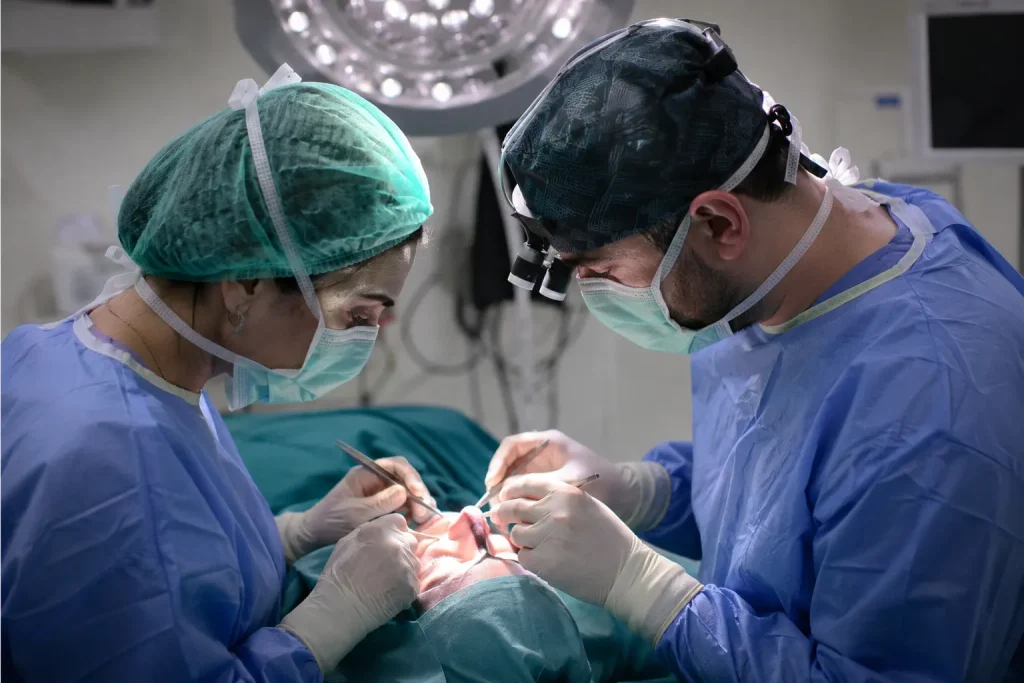
The nose in human physiology is a combination of both bone and cartilage structures. In nose contour refinement at an artistry level, a droopy nose, medically called “nasal tip ptosis,” can only be addressed by a thorough understanding of static and dynamic causes. The lower segment of the nose gets sagged down at the level of the vermilion border, forming a hooked nasal profile. This condition gets aggravated by facial expressions such as smiling and talking. From a medically accurate standpoint, yes, rhinoplasty definitely can fix and keep a drooping nose elevated. Modern surgical technique for the nose involves reshaping, lifting, and reinforcing the supporting cartilage of the nose. Restoring the nasal cartilage support and repositioning the nose are the basic concepts of structural rhinoplasty to get a harmonious, youthful result that will last forever.
Lift a Draped Nose – Surgical Ways
The following surgical methods are most efficiently used in the correction of nasal tip sagging:
- Reinforcement & Structural Grafting: Cartilage supports that withstand the pull of gravity and thick skin layers must be constructed by the surgeons. Septal extension graft and columellar strut graft are placed for anchoring lower lateral cartilages to the facial bones, thereby keeping the tip locked at the desired elevated position permanently.
- Upper Edge Trim, Sutures: A slight trim just from the upper parts of the lower lateral cartilage will let the cartilage be pushed upwards without resistance. Suturing techniques such as interdomal and transdomal that bring the cartilage tip to the desired position and a beautiful nose tilt are also employed.
- Depressor Septi Nasi Muscle Relaxation: In many instances, the depressor septi nasi muscle under the nose is excessively contracted, and it’s the cause of a drooping tip even when smiling and talking. If it’s a case for the patient of you, this is going to be your problem; however, the solution lies only with the RHN plastic surgeon of you, as you are going to have a rhn surgical removal and weakening of this muscle which is the reason for you being able to have a smile but a nose that you’re not able to raise up to your forehead.
- Shortening Septum: If the tip droop is caused by a downward projecting septum, the surgeon may remove a part of the posterior septum to raise not only the nasal tip but the whole nose.
Beadline, the Perfect Point: Ideal Nasal Rotation
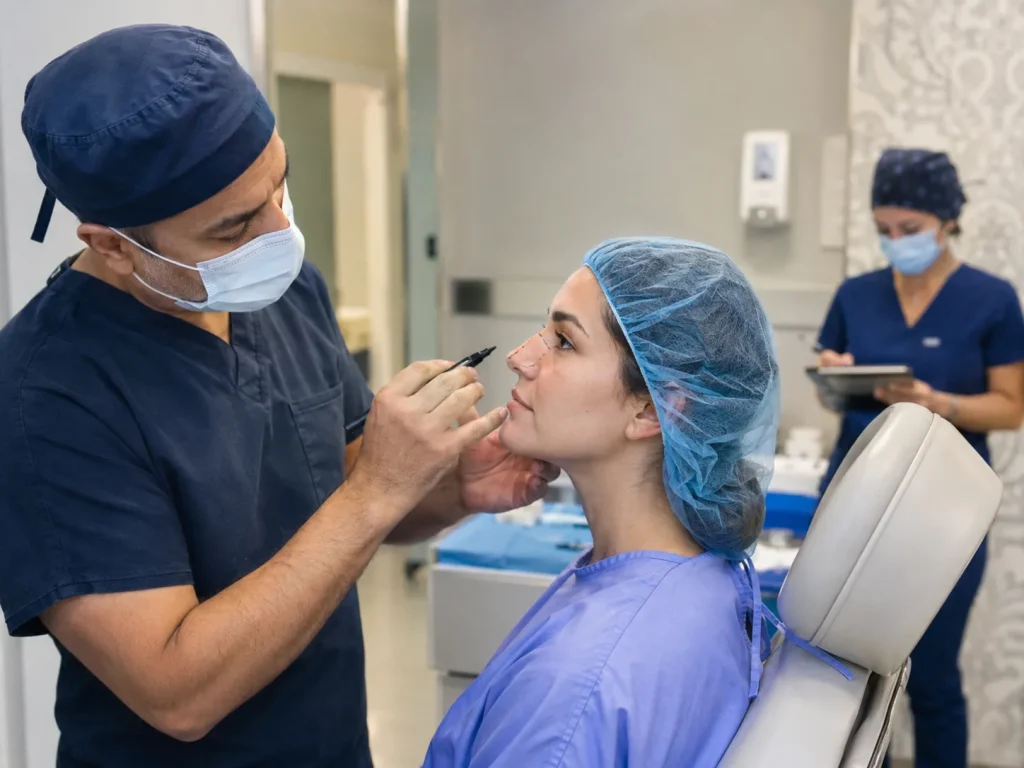
Rectifying the drooping issue of the nose is actually about the angle created between the upper jaw and the nose :
- Female Nose Profile: Ideal nasolabial angle is approximately 95-100 degrees, resulting in a small, elegant raise of the tip that frames your face beautifully.
- Male Nose Profile: A male ideal nasolabial angle is about 90-95 degrees, which gives the nose a straight and handsome yet not exaggerated look so as not to look like a pig.
These vectors are carefully planned and executed during the preparation phase so that the new tip would suit your other features well, including but not limited to eyes, lip height, and ethnic characteristics, to create a truly beautiful face and a harmonious nose profile.
Maintaining The Stability Of The Structure and Post-Surgery Rules
Taking good care of oneself during the recovery time is vital for those people who don’t want to settle down with an imperfection, even if it’s very small and it’s a minor thing. This is because the cartilage framework that has been altered will take 6 to 8 weeks of time to harden enough, so it should not be subjected to bending, stretching, or any such physical activity while it is healing. In the interest of keeping your nasal tip absolutely stable and the underlying structures structurally solid, you should absolutely prevent resting your glasses (sunglasses and other types) on your nose bridge for up to 6 to 8 weeks from the day of operation, as the weight will cause deformation to both the graft and the tissue. It is best to avoid collisions with your nose, sneezing, contact sports, and the like for the initial recovery period.
Facial Plastic Surgery in Turkey
If you want a top-quality rhinoplastic treatment that brings out your natural features with utmost perfection, you are at the right place at LIN Europe Clinic in Turkey. We pride ourselves on having the most qualified teams that combine medical expertise with compassionate care and understanding on the part of the team so as to provide you with an environment that’s best suited to carry out delicate surgeries such as facial plastic surgeries, where even minute details can make a big difference. In entrusting your face and nose to the hands of our skilled team of doctors in Istanbul at LIN Europe Clinic, you have to be assured and comforted on one hand and be challenged on the other by the knowledge that your surgery’s success and failure would depend on whether or not the doctors can find out the exact right diagnosis for you and plan your treatment accordingly.
We will not just do the surgery but take you through a step-by-step process of recovery, including a high-resolution review of tissue changes, complete mapping of your facial features, and very detailed checklists that guide you through your healing and integration of the new look seamlessly into your lifestyle. Our senior surgical team will see to it that your safety and your body’s wellness, not to mention your overall satisfaction, are all the main issues taken care of with very personal attention and perfect execution of medical and clinical procedures. This is so that you can fully trust and relax in your new profile, knowing it’s the most suitable you that is being shown in the mirror.
FAQ:
Yes. Surgery can permanently correct a droopy nasal tip by rebuilding the cartilage support framework, trimming or reshaping lower cartilages, and raising the nasal tip to a natural, attractive angle.
This is mainly due to overactivity of a small muscle called depressor septi nasi. This muscle connects the base of your nose septum to your upper lip. This part of the septum pulls the tip of your nose downward as you smile or talk. If this muscle is freed up during surgery, the tip won’t be plunged when you smile or talk.
On the contrary, an experienced plastic surgeon will be able to figure out and calculate the right nasolabial angle for you individualized so that the tip is raised into a natural, balanced position and at the same time, there shouldn’t even be a hint of one nostril.
Yes. Structural rhinoplasty today utilizes hardy cartilage grafts (such as septal extension grafts) to build a solid support structure of your nasal tip so that it maintains a higher position over years without drooping due to aging or collapsing.
Packing is removed after 7-10 days. While most of the inflammation should go away in 2 to 4 weeks, letting you do your office job soon, you’ll get the final result only after 12-18 months. That time, the last bits of your cartilage will settle in place and your tissues will fully adapt.
Tardy, M. E., et al. (1990). The drooping nasal tip: Surgical correction, structural grafting vectors, and long-term stability. Facial Plastic Surgery Clinics of North America, 4(2), 121-135.
Toriumi, D. M. (2006). Structure rhinoplasty: Maintaining long-term tip projection, rotation, and cartilage stability. Facial Plastic Surgery Clinics of North America, 14(4), 289-301.
Rohrich, R. J., et al. (2014). Advanced postoperative care, cartilage graft preservation, and tissue integration in primary and revision rhinoplasty. Aesthetic Surgery Journal, 34(5), 587-595.