
Eat small, low-sugar meals frequently.
Keeping Liquids and Solids Apart Is Not Simply a Habit
In the very focused field of metabolic monitoring and recovery after bariatric surgery, the prevention of bowel complications is only possible if the patients strictly follow the prescribed behavioral patterns. Those surgeries that change the shape of your stomach – a gastric bypass or a sleeve gastrectomy, for example – will most likely make suffering from dumping syndrome a real threat if not the number one strategy to fight it is controlling the speed of food going through your intestines. The one and only most crucial rule is the total separation of solids and liquids: no fluid at all should be ingested for a period of half an hour before as well as after a meal.
The real cause of this quite strict restriction of liquids is in the way stomach fluids behave. Drinking water, tea, or any other drink while having a meal will result in the fluid quickly combining with the food mass inside the small stomach pouch, turning it into a very liquid chyme (partly digested food). This liquid form of food gives it an opportunity to get past any resistance of the stomach and be pushed quite rapidly into the small intestine. This atomic event sets off a massive osmotic change, causing water to be taken away from the bloodstream and, immediately, the cramps, rapid heartbeat, and severe nausea that are the symptoms of early dumping syndrome happen. Eating completely dry meals makes the food more solid, which, in turn, makes the digestive process naturally slower and thus keeps your digestive system stable.
Revamping Your Balanced Diet: Portion Size and Glycemic Control
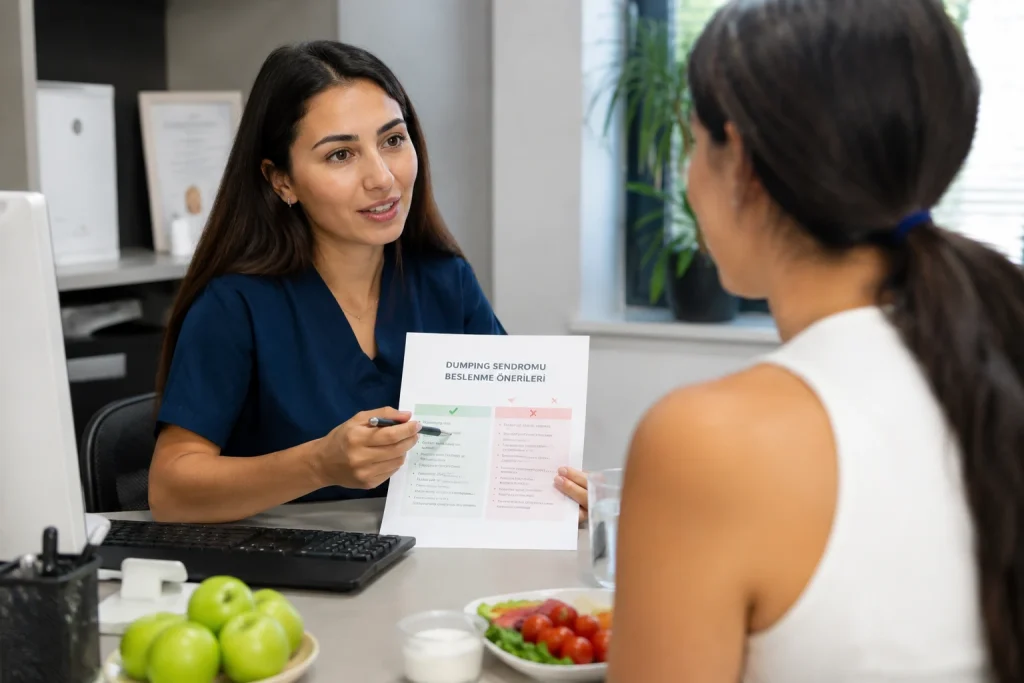
Stopping the early and late phases of metabolic changes completely is not possible unless you very carefully give yourself a new daily nutritional architecture. Instead of sticking to only three meals a day, you should divide your total daily food intake into 5-6 small, intensely nutritious portions spaced more or less evenly throughout the day. Subjecting a small stomach pouch to an overload of food at a single time will cause the walls of the intestines to stretch greatly and, as a result, a localized shock response will be triggered.
Besides that, the molecular structure of the items you choose to eat should be so tightly controlled that it cannot be described in general terms. It’s a must to severely cut down the intake of simple sugars, refined carbohydrates, high-glycemic foods, including fruit juices, sodas, white bread, and sweets. These simple sugars are almost immediately absorbed by the small intestine and cause a gigantic, sudden rise in blood glucose in the entire body. The pancreas will, then, react by producing a great amount of insulin to lower the sugar spike, which results in the blood sugar level going down very quickly, one to three hours later. This reactive hypoglycemia is the principal cause of late dumping syndrome, and its symptoms are cold sweats, trembling, confusion, and weakness.
Maintaining Proper Nutrient Metabolism
Following these dietary rules is a must for people who are at a very high level physically. For those who are dedicated and train lower body hypertrophy and the gluteal muscles to get a perfect hourglass figure, prevention of dumping will be a good step for you in terms of your athletic performance. The loss of nutrients is severely caused by diarrhea and rapid transit, which occur as a direct consequence of dumping syndrome events, and this poses a very serious biological penalty to the body.
Eating protein-rich meals in order to stop dumping syndrome at the beginning phase of its development will be very effective in terms of protecting your body’s cellular environment. A single small meal that consists of a lean protein (chicken, fish, tofu) together with healthy fats such as avocado or extra virgin olive oil will naturally slow down stomach emptying, providing a slow and steady release of nutrients. This balance, which is mathematically derived, makes sure that your fundamental muscular structure is supplied with recovery nutrients in a continuous, non-compromised way, so it is that your newly gained curves, slim waistline, and athletic figure are at the highest level of metabolic efficiency from every aspect.
The Role of Gravity and Intestinal Transit
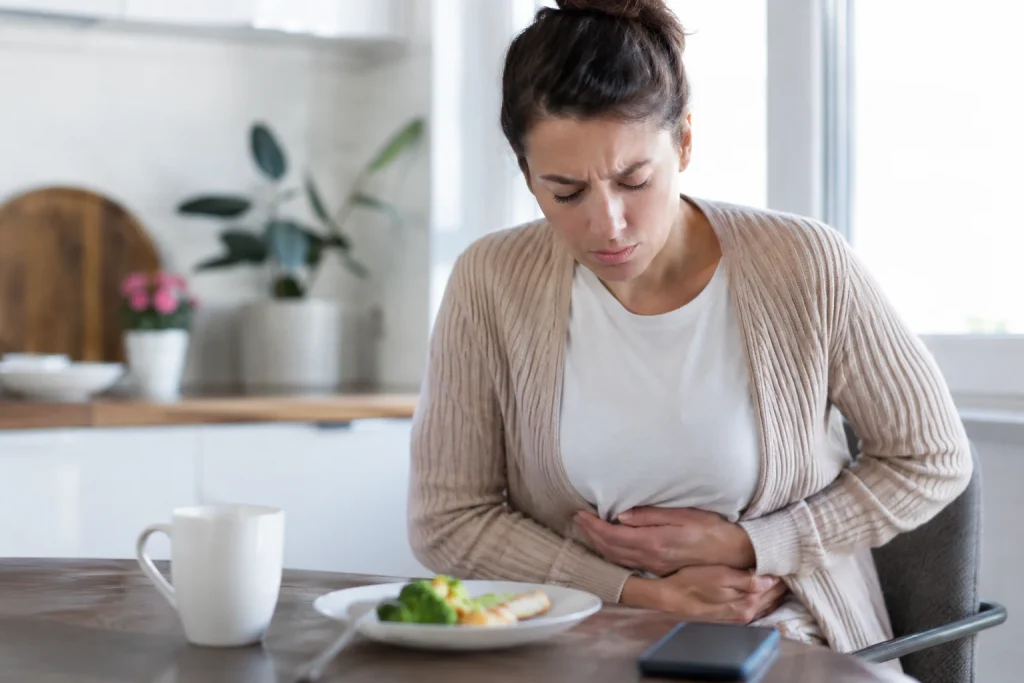
The mechanical impact of rapid gastric emptying can be dramatically controlled by eating right and changing your behaviors physically right after meal time. Bariatric/gastric surgery treatment changes the way your digestive tract is affected by gravity. If you stand or walk at a fast pace right after having a meal, you will push food forward down the digestive tract to the jejunum. One can totally lie flat or recline at a 45-degree angle for 15-30 minutes after eating to counteract gravity. This position of lying down removes the gravity from the stomach pouch, physically slowing food transit into the small intestine, thereby minimizing the osmotic shifts, along with greatly reducing the risk of experiencing early discomfort.
LIN Europe Clinic
Going the LIN Europe Clinic path is redefining the very meaning of a first-class global medical oasis where post-bariatric wellness, body transformation, and metabolic health are handled with surgical precision and deep empathy. We understand that the complex dietary changes following major surgery present a level of sophistication, transparency, and support that not all facilities can provide. Turkey’s luxury medical center is recognized for its level of expertise in body contouring and metabolic aftercare; it offers a quiet atmosphere where your health plan is governed by the highest international patient safety standards.
When you entrust your care to our LIN Europe Clinic specialists in Istanbul, your recovery will be perfectly controlled thanks to our advanced diagnostic tools. Besides offering nutritional and metabolic guidance tailored to your needs, we will be with you at each stage of your tissue maturation and lifestyle integration. Our expert medical team is committed to shielding your body contouring as well as systemic health investments; thus, you can enjoy your dream silhouette in full tranquility. Discover the luxury and comprehensive nature of the care provided by LIN Europe Clinic that leads to a perfectly balanced body, safely and expertly delivered in the heart of Turkey.
FAQ:
Water or drinking fluids with the meal liquefies the food mass that just passing the stomach pouch, can easily flow into the small intestine very fast. The quick passage prompts an immediate osmotic shift that brings severe abdominal cramping, bloating, and dizziness.
You should, ideally, stick to eating complex, low-glycemic, and fibrous carbohydrates like steel-cut oats, quinoa, and non-starchy vegetables only. Their complex molecular structures get broken down slowly by your digestive system, thus preventing sudden blood sugar spikes and countering a hypoglycemic reaction.
Lying down or reclining for fifteen to thirty minutes after a meal removes the physical effect of gravity on your digestive tract. This simple mechanical change decreases the speed of food leaving your gastric pouch, thereby allowing your small intestine to have enough time to smoothly handle the contents.
Absolutely! In case strict dietary and behavioral changes fail to completely eliminate your symptoms, your healthcare providers may go ahead and offer you special drugs, like acarbose to inhibit carbohydrate digestion, or somatostatin analogs (like octreotide) to delay gastric transit and reduce massive insulin releases.
Most patients’ small intestines will biologically adapt, in a natural way, over twelve to twenty-four months and progressively better tolerate standard food combinations. Nevertheless, being on a high-protein, low-sugar diet is always recommended for you, so as to keep your healthy and athletic body and for your overall long-term well-being.
Tack, J., et al. (2009). Diagnosis, Pathophysiology, and Management of Dumping Syndrome After Gastric Surgery: A Consensus Review. World Journal of Gastroenterology, 15(48), 6039-6047.
Ukleja, A. (2005). Dumping Syndrome: Pathophysiology and Nutritional Dietary Management. Nutrition in Clinical Practice, 20(5), 517-525.
Singer, A. J., & Clark, R. A. (1999). Cutaneous wound healing and gastrointestinal tissue remodeling dynamics. New England Journal of Medicine, 341(10), 738-746.