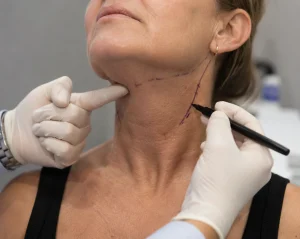

Most weight loss occurs within six months.
Metabolic Reset Biometrics and the “Honeymoon Phase”
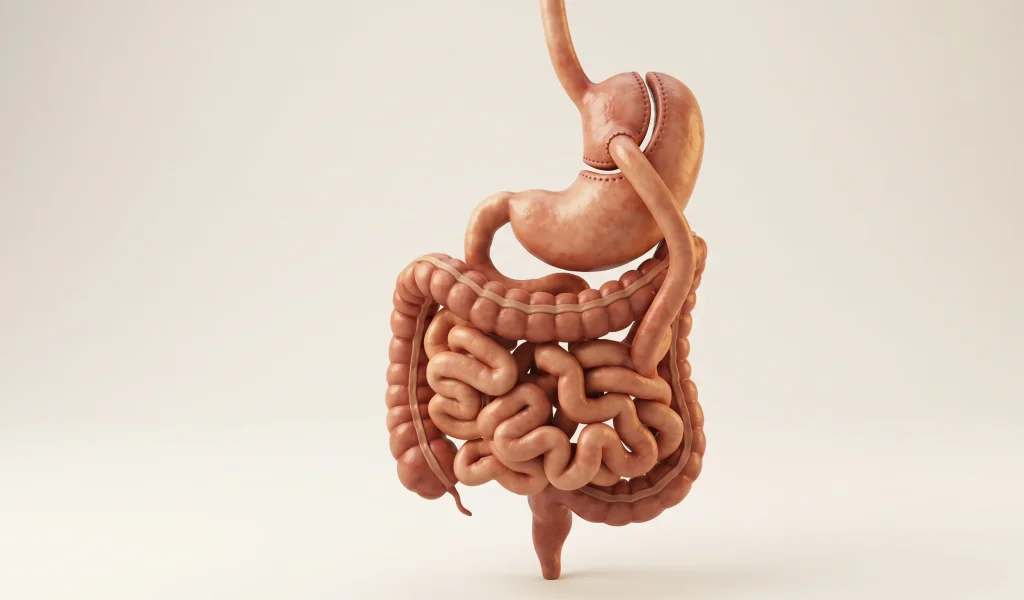
A gastric bypass is like a huge reconstruction of the digestive system in the field of bariatric medicine and metabolic surgery. In biometric terms, this operation is not just about limiting the number of calories one can eat; rather, it completely transforms the body’s metabolic system. After the surgical procedure, patients undergo a very active period that is medically termed the “honeymoon phase.” At that point, the body is gradually moving from storing fat to burning it at the highest rate, and it will draw energy from the fat stores or adipose tissue.
According to LIN Europe Clinic, the biggest and fastest weight loss happens in the first 3 to 6 months. During this time, the new stomach pouch is at its most constricted physically and, as a result, the malabsorption of calories is initiated immediately by the small intestine’s rerouting. Besides, the surgery causes a drastic decrease in ghrelin (the hormone responsible for hunger) production, which in turn leads to a complete loss of appetite. This perfect combination of physical limitation and chemical change is surgical genius at its best, as it forces the body to lose weight quickly and continuously so as to obtain a new level of health.
First 3 Months: Very Rapid Fat Loss (Month 1–3)
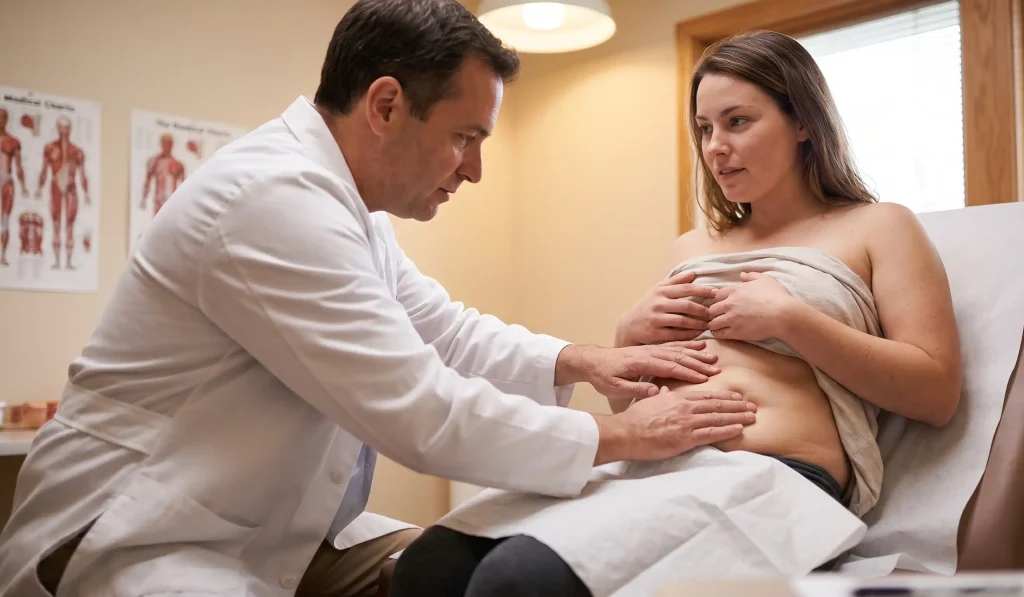
After undergoing a gastric bypass, one can see the most significant weight loss during the first three months. It is very common for patients to shed 30% to 40% of their excess body weight in that time period. The main reason behind this significant reduction is the initial phases of liquid and puréed diets, which naturally reduce the number of calories consumed to a very small part of the patient’s pre-surgery level.
Since weight loss occurs so rapidly here, intense dehydration and muscle breakdown are quite possible without careful professional medical supervision. To counter this, our experienced LIN Europe Clinic team insists on a high-protein diet and individual micronutrient supplements starting from the first day. Focusing on consuming protein means you are safeguarding the very foundation of your muscle framework, allowing the massive weight loss to purposefully attack fat deposits rather than necessary muscles, and you are also contributing significantly to your long-term systemic health.
Ongoing Transformation and Structural Remodeling (Month 3 to 6)
Weight loss during the third to sixth month period is still large but has shifted from a rapid drop to a semi-constant decline. By six months, a patient may have lost 50% to 60% of their total excess weight. At this point, patients can eat solid foods, which means calories slightly increase and the body is at last finding a less drastic metabolic pace.
Rapid fat loss leads to the loss of the fatty layer under the skin, the skin, therefore, needs to adjust. Healing and keeping skin elasticity at the same time are not trivial, and that’s why these months should see the start of physical exercises and skin firming routines. Actually, a well-managed bariatric trip involves not only weighing the gains or losses but also measuring how the body’s shape changes as the extra mass is removed, while at the same time, the skin and muscle tone prepare the body for the beautiful, defined silhouette that is going to be revealed.
The Plateau and Metabolic Homeostasis (Months 6–18)
Between the sixth and twelfth months, the weight loss graph will naturally come down more slowly, as the weight loss will be minimal. The body is an extremely capable biological mechanism, and as your total weight goes down, so does the number of calories needed to perform basic daily tasks. This is how nature’s metabolic homeostasis is created. Around your 12 to 18-month visit, you will typically stop losing weight, as your new biological balance has been achieved.
Ideally, behavioral modification should be connected with the innovative surgical technique itself during this prolonged maturation phase. In fact, the physical restriction of the stomach pouch gradually gets a bit looser over time. To keep your results for a long time, you must be continuously devoted to the healthy diet and physical activity that you discovered during your first six months.
Comparison Matrix: The Gastric Bypass Weight Loss Timeline
| Post-Operative Timeline | Expected Excess Weight Loss | Metabolic & Biometric Phase |
| Months 1 to 3 | 30% – 40% (Most Rapid Phase) | Acute caloric restriction; severe ghrelin drop. |
| Months 3 to 6 | 10% – 20% (Steep Decline) | Solid food reintroduction; active fat oxidation. |
| Months 6 to 12 | 10% – 15% (Gradual Tapering) | Metabolic adaptation; body adjusts to lower mass. |
| Months 12 to 18 | 0% – 5% (Plateau Phase) | Total homeostasis; weight stabilizes permanently. |
Gastric Bypass in Turkey
Besides being an international medical destination, LIN Europe Clinic is also a place where people with severe metabolic and weight problems find expert management through top-notch, uncompromising clinical excellence. We understand that bariatric surgery is not only a matter of going under the knife but also a biological system reset of the whole body. LIN Europe Clinic in Turkey is on the cutting edge of metabolic surgery and operates in a highly advanced environment where your health, safety, and long-term success are the main priorities.
Putting your deep confidence in LIN Europe Clinic is a decision to access the entire medical system aimed at supporting you even after you have come out of the operating room. We cover your whole transformation plan down to the smallest detail and offer you the highest quality nutritional guidance, psychological assistance, and post-weight-loss body contouring options. Come to LIN Europe Clinic for professional care and a physical figure that is the perfect expression of systemic health and biological success, all safely handled from Turkey.
FAQ:
You’ll see the most rapid and significant weight loss for the first 3-6 months after your surgery. In this initial “honeymoon phase,” due to major hormonal changes and severe calorie limitation, your body quickly consumes stored fat.
Typically, for the majority of patients, the process of losing weight will gradually slow down around one year post-surgery. Physically, your body weight should be completely steady between 12 and 18 months even as your metabolism is at its new, permanent baseline.
About 30% to 40% of excess body weight is typically lost by most patients during the first 90 days. This sudden initial decline is mainly due to the liquid and puréed diet stages that directly follow the surgery.
A six-month slowdown is indeed a biologically normal version of your body’s reaction. It is because as you lose a significant amount of weight, your body needs less energy to perform, thus the weight loss curve will become more level.
Weight regain can happen if you revert to your old eating ways or get off your nutritional roadmap. Even though the surgical pouch provides very effective physical restriction, keeping your results is a lifelong dedication to making healthy lifestyle choices.
Schauer, P. R., et al. (2000). Outcomes After Laparoscopic Roux-en-Y Gastric Bypass for Morbid Obesity. Annals of Surgery.
Tebbetts, J. B. (2002). Systemic Vitality and Metabolic Adaptation Following Extreme Weight Loss. Saunders Elsevier.
Rubino, F., et al. (2006). The Mechanism of Diabetes Control After Gastrointestinal Bypass Surgery Reveals a Role of the Proximal Small Intestine in the Pathophysiology of Type 2 Diabetes. Annals of Surgery.
Buchwald, H., et al. (2004). Bariatric Surgery: A Systematic Review and Meta-Analysis. JAMA.
Mechanick, J. I., et al. (2013). Clinical Practice Guidelines for the Perioperative Nutritional, Metabolic, and Nonsurgical Support of the Bariatric Surgery Patient. Surgery for Obesity and Related Diseases.