
Swelling and discomfort still present.
Recovery after labiaplasty (labia reduction) is still in a stage of intense inflammatory response before it starts to diminish. In fact, the fourth day after the surgery is typically when the inflammatory reaction peaks before it gets less intense. This is a biological process that changes with time.
At Lin Health Europe Clinic, we break down recovery after surgery into phases and call the first week the most important phase for your new symmetrical look. We tell our international patients coming to Turkey that day four is the day when labia are most likely swollen and painful, but from this day, the body starts recovery internally. Our clinic is on top of the list for labiaplasty combined with laser, we are of the highest level in medical discipline, where we stabilize perianal tissues by cooling and precise hygiene in order to help one feel comfortable, confident and happy with post-surgical care of the highest quality.
Maximum Edema and the “Swelling” Peak
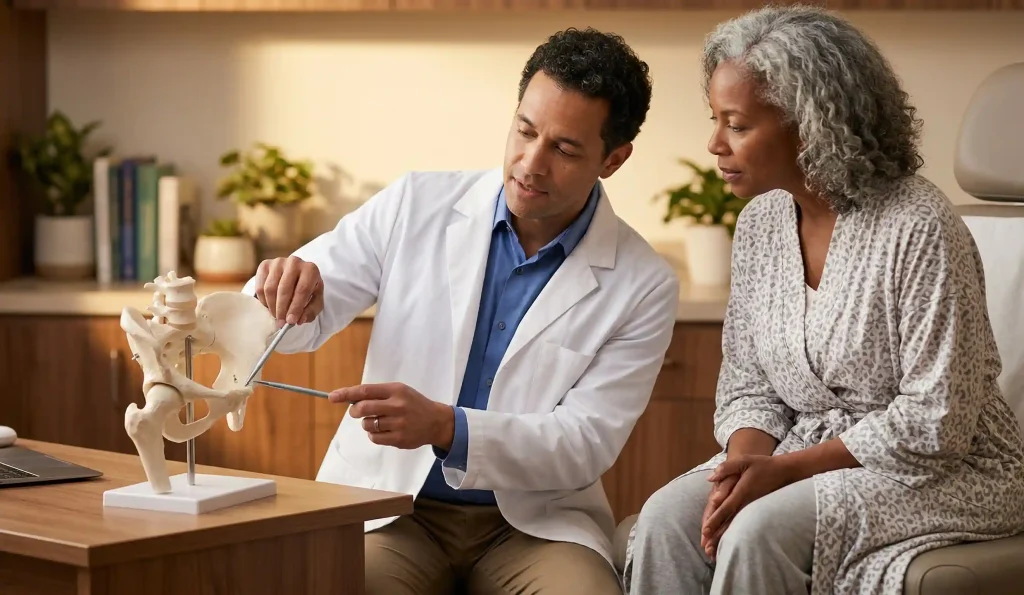
Day 4 post labiaplasty is clinically identified as the highest level for post-surgical edema in patients. After the operating on labia that have a lot of blood clow, lymphatic fluid and white blood cells travel to the labia as the body’s natural response to a wound and initiates tissue repair.
In Istanbul, the surgeons inform patients travelling from other countries that on day 4, the labia may be even more swollen than immediately after surgery. The swelling could lead to the labia appearing asymmetric or even “bruised”. At Lin Health Europe Clinic in Turkey, we strongly recommend that you not consider this as your final result. This is a temporary physiologic “ballooning” which actually functions to cover the internal suture lines and prevents them from being exposed to mechanical stresses. Starting day seven, this fluid will be eliminated via the lymphatic system, thereby exposing the beautifully sculpted and symmetrical contours that resulted from your surgery.
Sutures Firming Up and “Itching” Feeling
It is time for the mouth to dissolve within the tissue by day four for labiaplasty. The person’s print indicated that phase 3 healing, the healthy phase, mostly “itching” symptoms. The itching is good visual evidence that local sensory nerves have started to recover and that the phase of neocollagenesis is active in synthesizing new fibers. Nevertheless, it is compulsory to refrain from any scratching or rubbing in the area, as it is not good for healing.
Our professional team will supply you with medical-grade ointments which not only soothe the itching but also heal the wound in an optimal way. We, in Turkey, also highlight that although the sutures have enough strength, they are not quite fully tissue-integrated yet. Hence, it is crucial to preserve a “no-touch” policy on day four to avoid wound dehiscence (minor separation of the edges) which could result in a wider scar.
Hygiene Guidelines: The Peri-Bottle and Pat-Dry Method
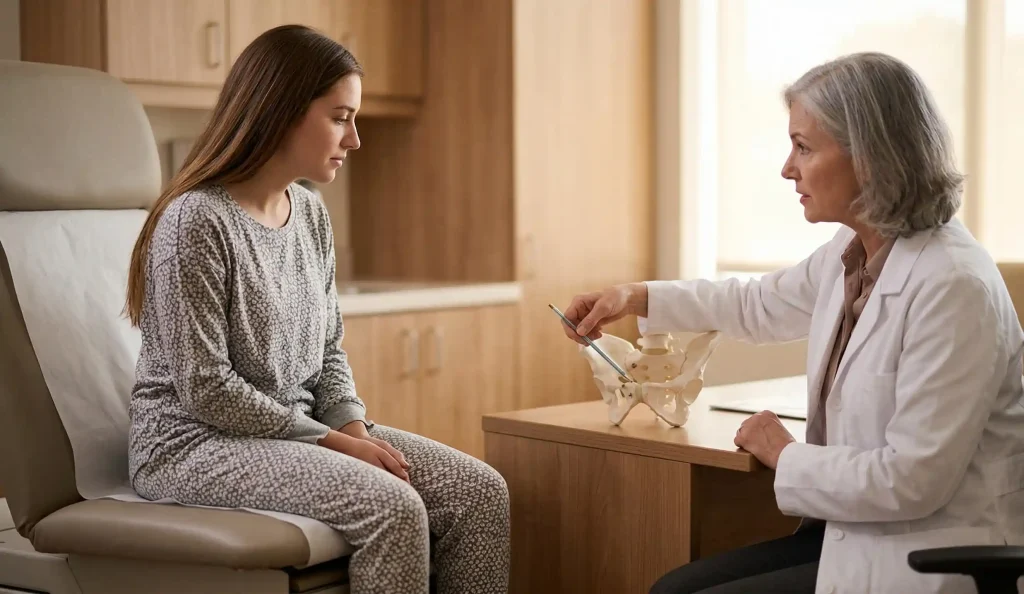
At day 4 post-surgery in Istanbul, you should be extremely careful about hygiene. Since the labia are in close proximity to an area that is naturally prone to moisture and bacteria, every time you go to the bathroom, you will be required to follow a specific washing protocol. We recommend the use of a peri-bottle filled with water at body temperature or a very lightly disinfected saline solution. Spraying the area gently is a good way to remove any urine or surgical secretion. You should never wipe with toilet paper as that creates mechanical shearing which can pull the stitches and let harmful germs into the fresh wound.
After rinsing, a clean, lint-free cloth should be used for the “pat-dry” method, or alternatively, a hair dryer on the “cool” setting can be used. Furthermore, at Lin Health Europe Clinic, we assist patients in Turkey by giving them a full recovery bundle. This way, your hygiene practice will be as sterile as possible and at the same time will not cause friction in this very critical first week.
Movement and the “Waddle” Gait
Many by 4 days patients will probably be willing to increase their activity level but it is very important to keep “limited activity” from a medical point of view during this period. Often, your style of walking, which is a “waddle” is an unconscious strategy to avoid thighs making contact with the swollen labia. Too much walking or sitting on the vulva will raise pressure and may lead to worse swelling.
At Lin Health Europe Clinic in Istanbul, we recommend using a “donut pillow” or any soft pillow if you really need to sit. The best thing to do on day 4 would be to lie down with your hips raised a little bit. This elevation uses gravity to help drain the edema away from the surgical site. We also advise our international patients in Turkey to rest; you do not have to be “bedridden,” but your aim should be to avoid any friction that can cause inflammation or localized bleeding.
Knowing What is Normal is Different from What is Not
You can expect that the amount of swelling, minor bruising, and a yellowish discharge are the very normal features of day 4 and it is very important that you do not miss recognition of “red flag” symptoms that require medical attention. In Turkey, the Lin Health Europe Clinic is keeping 24/7 monitoring so that you will always be safe.
- Normal: Swelling is symmetrical, slight pain which is controlled with drugs, and basically blood “spotting.”
- Abnormal: Very severe, throbbing pain that is not being relieved by medication; quite a lot of bright red bleeding; or having a fever.
- Abnormal: Foul-smelling or green/cloudy discharge, which can mean a local infection that has occurred.
Your keeping a strict professional attitude about your observation allows us to get in touch early when complications arise. For example, mostly patients in Istanbul find that by the end of day 4, they have come through the point of the most difficult time and are beginning to see an increase in their comfort levels as the inflammation starts going down.
FAQ:
On day 4, most people are at the height of postoperative swelling, and their nerves healing may cause them to have a constant “itching” sensation. Also, if you are in our Turkey clinic, using a peri-bottle for cleaning is very important along with completely avoiding any kind of friction or tight clothing.
Swelling changes to the worst level on the third or fourth day since the immune system releases inflammation to the area to bring in cells that do repair. It is a normal part of the healing process in Istanbul and the swelling will start to disappear as the lymphatic system drains the fluid.
If the ovaries are kept, the body is able to continue producing a steady flow of systemic hormones that play a major role in maintaining bone density and cardiovascular health. Our Turkey experts use biometric testing to track hormonal levels so that your endocrine system remains in balance during the phase of recovery.
Most of the dissolvable threads used in our clinic in Turkey start to melt and drop off somewhere between the second and the fourth week. You should never try to remove them on your own; your body will naturally get rid of them once your tissues underneath have gained enough strength.
Before engaging in highly intense exercise, cycling or heavy lifting etc., that could lead to injury of the sensitive labial tissue, you should ideally wait for 6 weeks. A slow increase of physical activity only when you get the go-ahead from our doctors in Turkey will help you keep your results even and your scars will heal nicely.
Alinsod, R. M. (2011). Aesthetic and functional labiaplasty. Journal of Sexual Medicine.
Goodman, M. P., et al. (2010). Is the labia minora reduction a safe procedure? Journal of Sexual Medicine.
Motakef, S., et al. (2015). Labiaplasty: the anatomy and evidence-based treatment. Plastic and Reconstructive Surgery.
Triana, L., et al. (2011). Labiaplasty: a review of the literature. Aesthetic Surgery Journal.
Hamori, C. A. (2011). Aesthetic surgery of the female genitalia. Clinics in Plastic Surgery.
Pardo, J. S., et al. (2006). Labia minora reduction: a review of current techniques and outcomes. International Urogynecology Journal.