High-definition lipo offers more detailed muscle contouring.
In body contouring, it is quite common for patients to think of “liposuction” as just one standard procedure. They picture a doctor simply suctioning out the fat till the surface is flat. But as cosmetic medicine has advanced, there has been a clear differentiation between traditional “debulking” liposuction and contemporary “High-Definition”(Hi-Def) sculpting. Quite often, patients wonder, “Is Hi-Def better?” as if it is just a revised version of the same surgery.
The truth is that it is entirely based on where you come from and what you want. High-Definition Liposuction is not really “better”; it is simply different. Regular liposuction is geared towards volume reduction and size shrinkage, whereas Hi-Def liposuction is an artistic technique aimed at accentuating the anatomy and making the muscles more prominent. At Lin Europe Clinic, we discuss your situation and advise you whether traditional lipo is heavy lifting or Hi-Def is fine-tuning.
The fundamental difference: Debulking vs. Etching
Regular Liposuction is mostly about volume reduction. The goal of the method is to change a thick layer of fat into a thin layer of fat. The doctor removes deep fat evenly in order to produce a smooth, smaller shape. This is very beneficial for people who want to wear smaller clothes or get rid of a “muffin top,” but it always leaves a thin layer of fat over the muscles to give a soft, natural look.
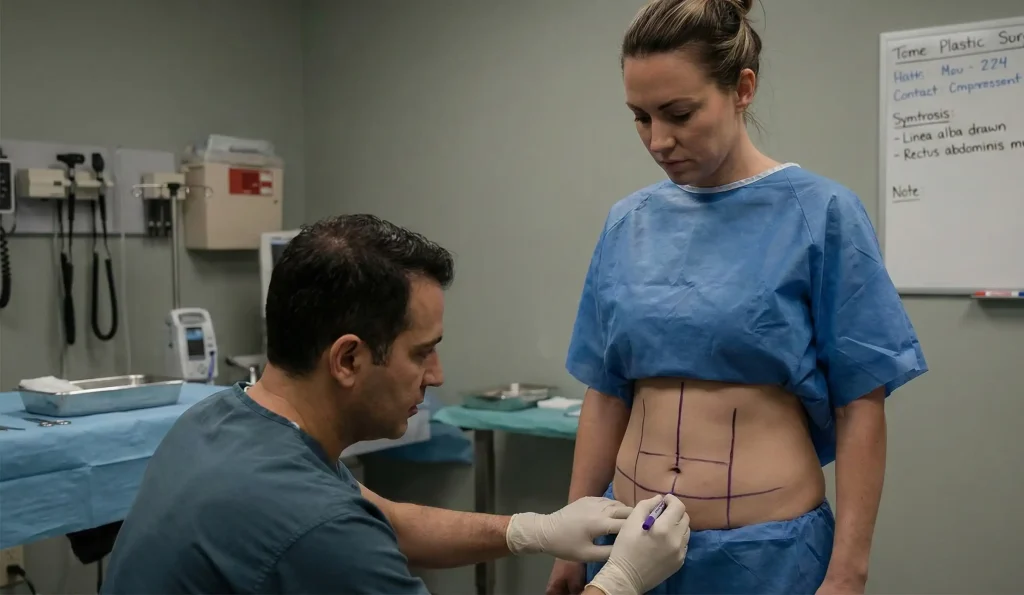
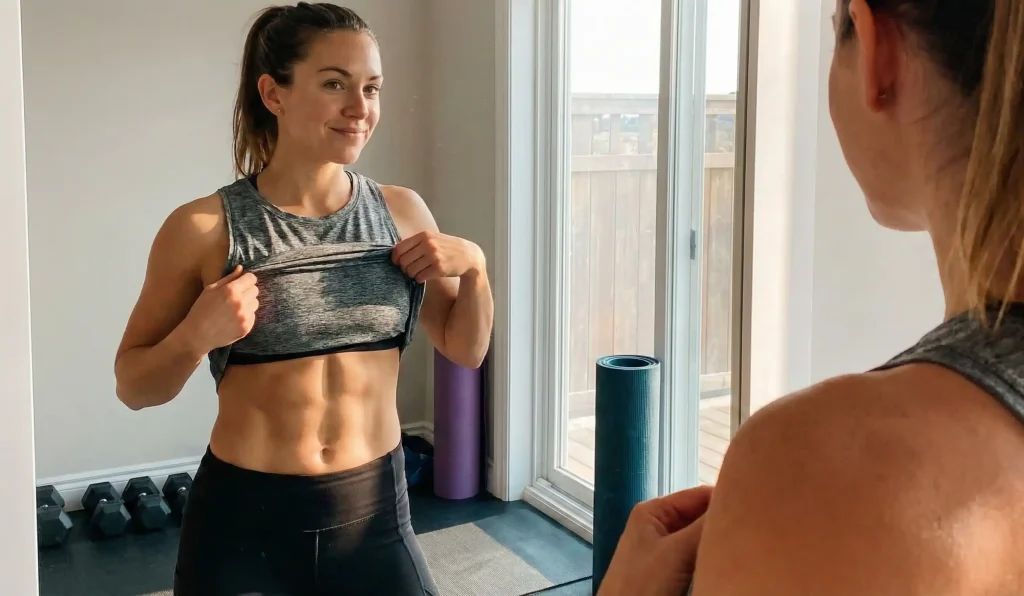
High-Definition Liposuction represents, more or less, a breaking down of a statue. What’s more, the doctor doesn’t only get rid of deep fat but also properly attacks the superficial fat that lies directly beneath the skin. By removing fat in the muscle’s groove areas (like the linea alba of the abs) and leaving the fat on the top of the muscle bellies, the doctor is able to create shadows and light. This “etching” is like a fitness model’s shredded look, with the six-pack or chiseled deltoids revealed under the skin.
Who is the right candidate?
Patient’s BMI is very instrumental in determining which of the two is “better.” Regular liposuction is safer and more efficient for a patient with higher BMI (more than 30) or having a lot of loose skin. Hi-Def liposuction on a patient with a lot of excess weight may look a little off because the “etched” lines will resemble valleys of the skin on a soft stomach. Regular lipo creates a better real and the profile is slimmed without any risk of looking overdone.
Hi-Def Liposuction is for those patients who are very close to their desired weight, have very good skin, but even with diet and exercise cannot see muscle definition. These people are usually “gym rats” having more muscles than covered by a layer of fat. For such patients, regular lipo would be a letdown as it would only make them smaller but not firm.
Equipment: VASER is essential
Performing High-Definition by hand is almost out of the question; it is only with the help of advanced energy-based technology, more precisely VASER (Ultrasound-Assisted Liposuction) that it becomes possible. The working of VASER is that it releases sound waves that break down and liquefy the fat cells before they are sucked out. The surgeon is thus allowed to work extremely close to the skin and muscle without harming the blood vessels or causing too much bruising.
It’s this accuracy that makes “negative space” crafting in a way possible. The surgeon is able to empty the fat from the edges of the abdominal muscles to create deep shadows, at the same time he still keeps some fat over the rectus muscles to make it look voluminous. Traditional liposuction instruments are too harsh to allow for this level of detailed superficial work to be done safely, hence Hi-Def being a technically advanced and lengthy procedure.
Risks: The Cost of Definition

Though Hi-Def results are striking, the procedure is considerably more risky than regular lipo. Due to the fact that the surgeon removes fat really close to the underside of the skin, there is a higher chance of getting contour irregularities, skin hardening (fibrosis), or seromas (fluid buildup). If the surgeon is not an expert, the “etched” lines can be made in such a way that they become artificial and asymmetrical to the point that they resemble a “turtle shell” rather than natural abs.
Moreover, Hi-Def results are less forgiving in case of any future weight gain. When a patient gains 10 kilograms after regular lipo, they generally just get bigger all over. When a Hi-Def patient who’s gained weight, fat may be deposited in the “muscle bellies” whereas the etched lines will still appear deep, thus resulting in distorted or exaggerated appearance. When you decide on Hi-Def, you also decide on a lifestyle change.
Body Contouring in Turkey
If you decide on Lin Europe Clinic for your body contouring in Turkey, it is because we choose to adapt the technique to your anatomy and not the fashion. We see many patients requesting “six-pack surgery” who are actually better candidates for a standard comprehensive lipo to reduce bulk first. We tell the truth about what is possible.
The surgeons who work our Hi-Def are taught by the specific VASER protocols which are focused on creating athletic, more anatomical results – not just lines on a stomach. We know the play of light and shade that makes a body look healthy and fit, and we will make sure your result looks strong and natural whether you are on the beach in Antalya or in the gym when back home.
Frequently Asked Questions About Hi-Def Lipo
It is generally that Hi-Def lipo is more painful during recovery because it works more extensively on the superficial layers nearer to the skin and nerves and therefore can cause more swelling, which is normally controlled through lymphatic massage after the procedure.
The incisions are merely small puncture marks similar to those made during regular lipo; however, the surgeon might make a few extra ones to allow for access to different muscle angles for etching which he or she can do through the cleanly sealed puncture marks.
Yes, fat cells that are removed are done so permanently; however, in order to maintain one’s “shredded” figure, one has to keep their weight. If you gain a lot of fat, the muscular definition that you had after the procedure will vanish.
Pregnancy causes abdominal skin to stretch and muscle separation (diastasis recti) to occur which may cause distortion of the etched lines brought about by Hi-Def lipo thus, further surgery such as a revision or a tummy tuck to restore the definition of the post-pregnancy belly may be necessary.
Although Hi-Def lipo may technically be done by using other non-VASER methods in the market now, the VASER is regarded as the top choice because the use of ultrasound energy to liquefy fat enables the neat, precise contouring of the skin surface to show the muscles which is the main feature of this method.
Hoyos, A. E., & Millard, J. A. (2007). Vaser-assisted high-definition liposculpture. Aesthetic Surgery Journal.
Danilla, S. (2017). Rectus abdominis fat transfer for high-definition liposculpture. Aesthetic Plastic Surgery.
Jewell, M. L., et al. (2002). Clinical application of VASER-assisted lipoplasty: a pilot study. Aesthetic Surgery Journal.