Avoid running, jumping, and other intense activities.
The recovery of breast implants is a period of healing that follows a medical structure, and it is naturally staged, thus the recovery goes on for quite some time after the visible swelling disappears. In that time, your body is healing the cuts it made, redefining the connective tissue, getting the pectoral muscles used to the new situation, and creating a normal environment for the implant. Every one of these steps is biological and has its own timing and cannot be sped up beyond a certain risky level.
The quality of recovery has a great influence on the position of the implant, scar formation, comfort, and the symmetry of the breasts. A bad recovery routine can lead to an extended inflammation period, tissue adaptation delay, or mechanical stress at the implant pocket. Lin Europe Clinic recovery protocols prioritize the patient’s safety, first and foremost, while also being supportive of the stable, natural, and long-lasting results.
Recovery from breast implant surgery should be recognized as a collaboration between the patient and the surgical team. The decisions you make every day regarding the movement, posture, sleep, diet, and taking of medicine will determine how fast your body will heal. Following a well-planned regimen allows the tissues to stabilize slowly which is safer and also a precondition for long-lasting satisfaction.
Understanding the Breast Implant Recovery Timeline
The breast implant recovery timeline is a reflection of the normal stages of soft tissue healing after a surgical operation. During the first week or two, the body gets to work with an inflammatory response to repair the suffering caused to the surgery. Swelling, firmness, warmth, and localized tenderness should be present and show that the immune system and the repair mechanisms are at work.
At that point in time, the internal tissues are still very delicate, and implant pockets are just starting to take shape. Any sudden movement or overexertion can result in destabilization of the area. Hence, rest, support garments, and controlled activity are the three words most emphasized in the initial stage of recovery.
From the third to the sixth week, the inflammation is being toned down gradually as the circulation gets better and collagen remodeling is taking place. The implants are moving to their natural anatomical position, and the breasts become softer and more mobile. However, the deep healing that is going on under the surface, especially in the muscle layers and the connective tissue, is not over yet.
The long-term recovery is spread over several months as the scar tissue matures and the implant capsule stabilizes. Internal healing is still very much going on, even when the pain is small and the daily life is normal. Being always aware of this and going for the follow-up visits during this period is the only way to keep the best results.
Dos: Essential Steps for a Smooth Recovery
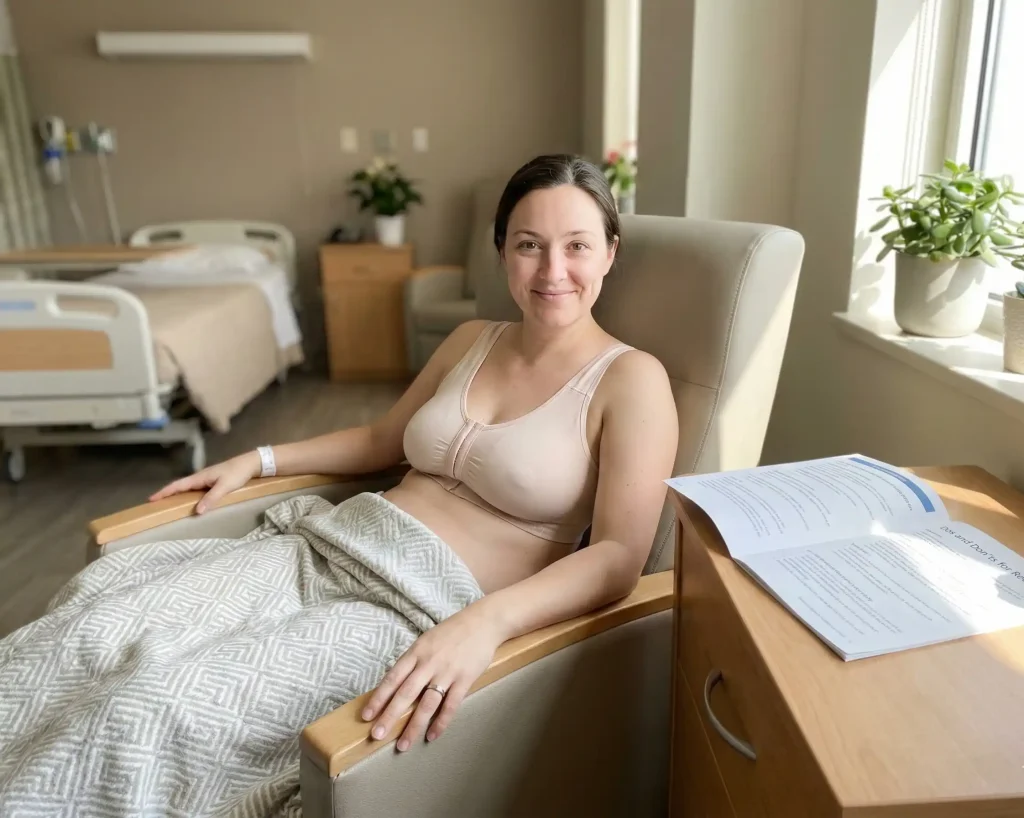
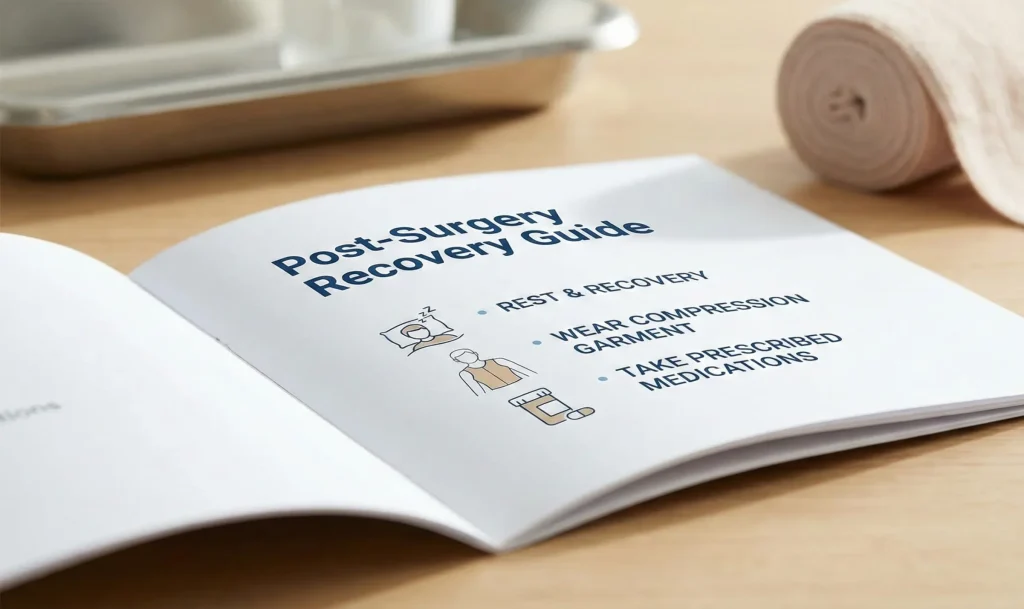
One of the most important things for a successful breast implant recovery is the use of a medical support bra that is prescribed. Such a garment offers controlled compression, which is necessary for minimizing swelling, preventing the accumulation of fluid, and supporting the right position of the implants. The continuous support is also a way to protect incision lines and makes a friction-free environment for the tissues which are in the process of healing.
Besides, support bras have an effect on the implants’ guidance when they are getting settled in their final position. Without proper support, the force of gravity and the movement may lead to the condition where one breast is bigger than the other or the settling is delayed. The regular use of medical garments stabilizes the situation and is supportive of symmetrical healing.
Equally, medication should be taken according to the given instructions and not just on a whim. To keep away infections after surgery, antibiotics are given, while the pain is controlled by anti-inflammatory drugs. Taking the medicine neither skipping nor taking it at the wrong times may slow down recovery and put the patient at risk of complications.
Doctor visits after surgery are the time when your doctor can check the healing of the wound, the position of the implant, and the general condition of the tissue. Besides, the visits allow doctor and patient to change the care instructions and detect concerns at an early stage. Regular follow-up care is the key to predicting healing and having a successful long-term result.
Don’ts: Common Mistakes to Avoid After Surgery
Physical overexertion is probably the single most frequent reason of breast implant recovery delay that one can find after the surgery. What is meant here is such kinds of behaviors as the lifting of heavy things, the performance of arm-related work in a repetitive manner, or the early use of the chest muscles that all lead to an increase of the internal pressure in the implant pocket. In turn, that pressure will most likely interfere with tissue adaptation and implant stability.
There is the possibility that some activities which sound harmless, like the stretching of the arm over the head or the pushing of the door in a very vigorous way, can actually put an extra load on the tissues which are in the healing process. The obeying of the restrictions in movement will give a chance for the implant pocket to develop normally, as well as lessen the mechanical stress that is put on the incisions.
During the time of recovery, smoking should be strictly off-limits. The harm of nicotine lies in the fact that it narrows the blood vessels, thus giving less oxygen and nutrients to the tissues which need to rejuvenate. Hence, the process of the wound being closed slows down, and the infection risk is increased, as well as that of what is called delayed scarring and poor tissue quality.
At the same time, alcohol consumption should be stopped as well. Some of the reasons for that are the following: alcohol worsens inflammation, throws off hydration balance, and weakens the body’s defenses. By giving up on this kind of drinking during one’s recovery period, not only will the healing be sped up, but the risk of complications will also be lowered.
Managing Pain, Swelling, and Discomfort
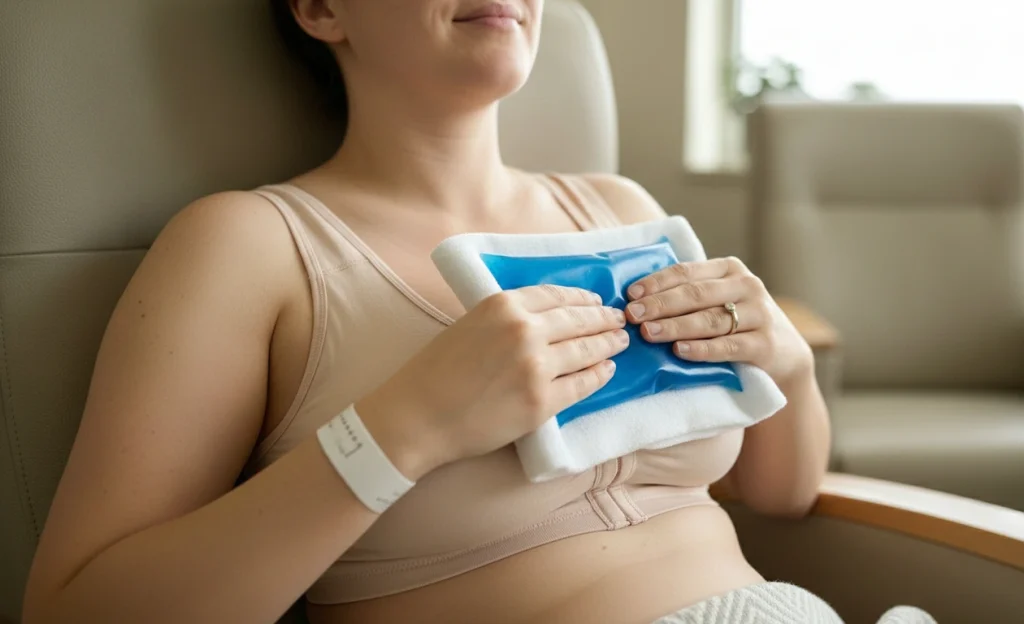
After breast implant surgery, pain is a normal reaction to the stretching of the muscle and the manipulation of the tissue. The majority of patients will say that the pain they feel is more like tightness, pressure, or soreness rather than stabbing pain. The feeling is the result of the muscles getting used to the new situation and the inflammation process taking place.
The main idea behind the management of pain is maintaining it rather than doing it at once. Several factors contribute to the pain relief: these are the use of the drugs that are aimed to relieve the pain and are given by the doctor, enough rest, and good posture. The discontinuation of sudden body movements and the keeping stable position of the body also lessen the discomfort that is being put on the healing tissues.
Swelling is part and parcel of the operation and is usually at its worst during the first three to five days after the intervention. The swelling that is talked about here is the one that results from the accumulation of fluid and the immune system’s activity at the place where the operation was carried out. Step by step, the swelling diminishes as the lymphatic drainage gets better.
Water intake, a protein-rich diet, and gentle walking are some of the means that will be of help in keeping the circulation and the fluid balance at a good level. If there is any swift swelling or redness or sharp pain, then that should be looked into immediately to make sure recovery is going on safely.
Sleeping Positions and Daily Activities During Recovery
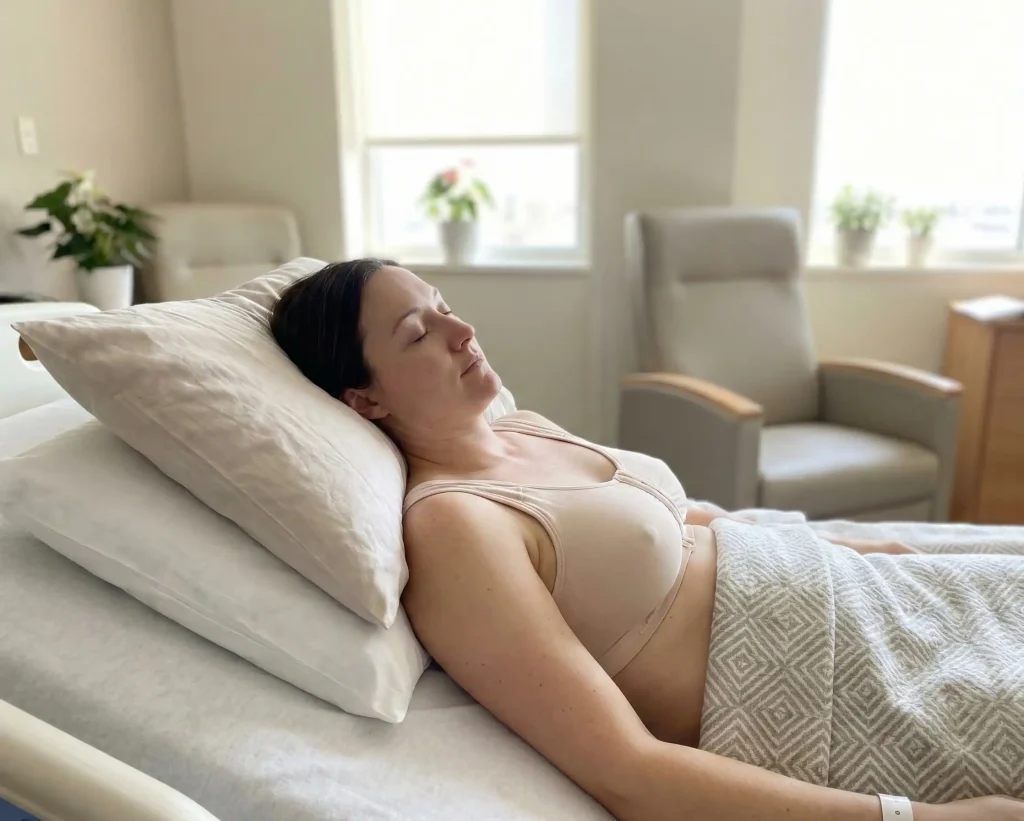
How one sleeps greatly affects the way swelling is controlled and how the implant stabilizes. The sleeping position that is most helpful in this case is the one where a person lies on their back with the upper part of the body being raised. Not only does it deter the fluid from building up, it also helps the blood to flow back to the heart.
Another advantage of this position is the one where the incision sites are “at rest” from the pressure and rubbing. People who sleep on the side or tummy very early might cause the implant to be unbalanced as well as the positioning to be at risk. By keeping the right sleep position during the time of recovery, the healing will be at its most symmetrical and the person will experience less pain.
The daily routine should be restarted in a slow manner and only if medical advice is given. Light walking acts as a promoter of blood circulation and as a deterrent from clot formation, thus it is very important in the first few days after the surgery.
It would be better if the household chores were kept to a minimum and the activities that require bending, twisting, or lifting were put on hold. What is more, by abiding by the activity limitations, it is allowed for the tissues to not only grow stronger but also get used to the new situation without being unnecessarily strained.
When You Can Return to Work and Exercise
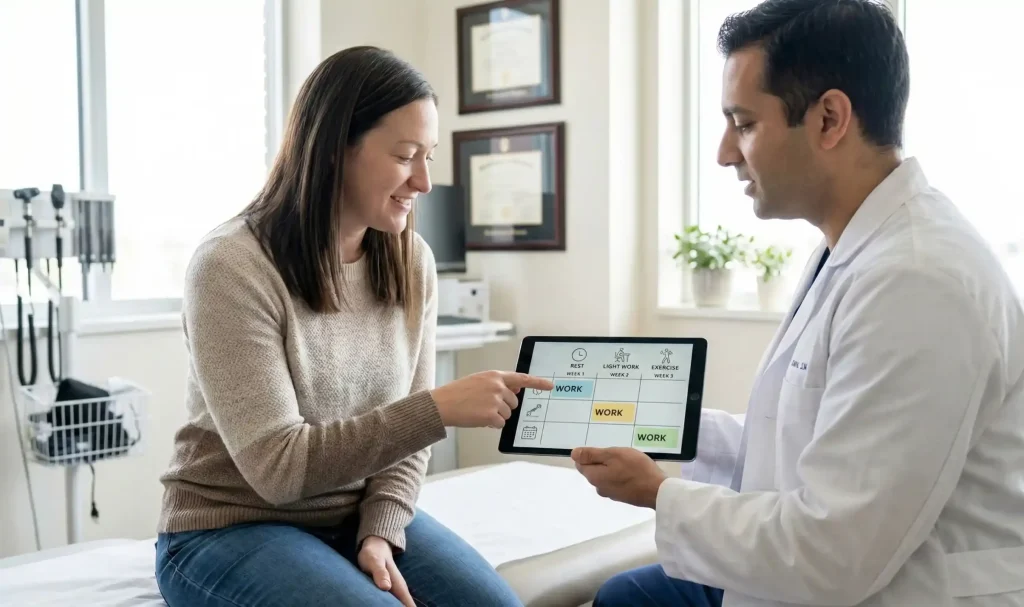
The period during which you will hand in your resignation letter because you can no longer work after breast implant surgery is not a fixed one. That much depends on the type of work you are doing as well as on how your body heals. You can work at a desk or even do your work remotely within one or two weeks, that is, if you keep your movements limited and take plenty of breaks to rest.
A job that is physically demanding means all the muscles in the body have a longer period of time to recover from the tissue damage that has been inflicted. The situation is such that even though one has gone back to the workplace, he or she can still be very tired, and the energy level will be going up and down as long as the body is healing.
Workouts have to be done in accordance with the recovery stages. At first, you should be allowed to do only such activities for your lower body as walking. Then, only after a doctor has given the go-ahead, you can start doing some easy cardio sessions.
You should be waiting until your tissues are completely stable if you want to get back to doing upper-body workouts, chest-focused exercises, or any kind of high-impact sports. The gradual return of an exercise routine is an approach that not only ensures the protection of the implant but is also beneficial from the long-term results’ point of view.
Long-Term Care After Breast Implant Recovery
The long-term success of an implant is contingent upon, firstly, the patient continuing to keep an eye on it, and, secondly, living a healthy life with good habits. One very great advantage of regularly going for check-ups with the doctor is that it gives him a chance to see the position of the implant, the formation of the capsule, and the reaction of the tissue over a period of time.
The constant weight is another very important factor that helps to keep the shape of the breast and the symmetry. Big fluctuations in one’s body weight will have an impact on the skin besides that of the implant, ie. the elasticity of the skin and how the implant will look.
Besides imaging, the breasts being looked at during routine check-ups are a very major step towards the early discovery of any potential issues. An early call for help can only be made if the patient notices and then promptly reports the changes in the shape, the firmness, or the sensation.
Scar Care and Skin Healing After Breast Implants
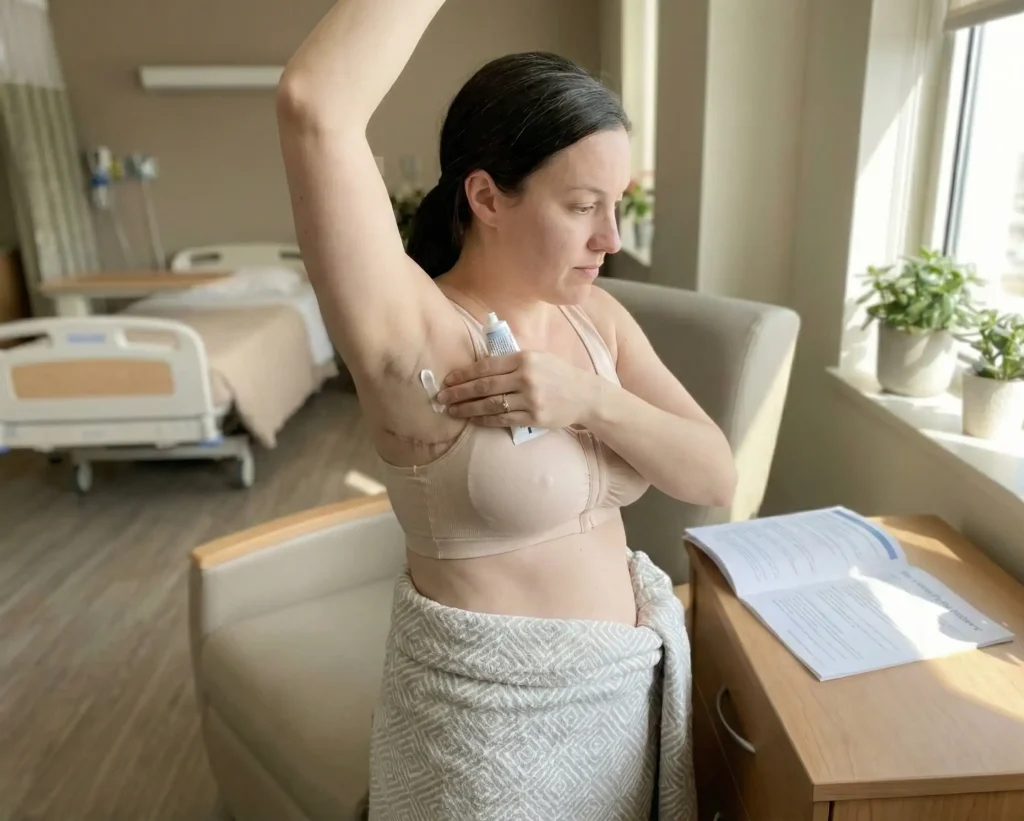
Scar is the tissue that naturally results from the surgical wound and remains for a very long time even after the closure of the incision. Although the healing that takes place on the surface is within weeks, the deeper part of the scar that is being changed can take several months.
The quality of the scar depends on the person’s genes, the manner in which the operation is performed, and the care that is taken after the operation. One of the ways to avoid the pigmentation changing and having more proper cosmetic results is to keep the sun from coming into contact with the incision sites.
The use of medicinal-grade topical treatments and the regularity in wound care are two factors that greatly influence collagen remodeling. Also, the scarfulness of the area in terms of tension and friction can even more enhance the appearance of the scar and the health of the skin.
Emotional and Psychological Aspects of Recovery
Not only is breast implant recovery the time for the body to heal, but it is also a time for the patient’s emotions to adjust. Some of the swelling, firming, and asymmetry may happen in the early stages of recovery and can temporarily affect how one sees their body.
Being aware of the fact that these alterations are the ‘normal healing process’ is one way of dealing with the expected results and reducing the feeling of anxiety. Emotional fluctuations are to be expected since the physical changes of the body are the new ones.
Good communication with the surgical team is necessary for getting both the needed reassurance and the clarity. Being included and supported in the whole process of the recovery will result in a higher degree of satisfaction as well as in better self-confidence.
Breast Implants in Turkey
Among other reasons, Turkey is well-known for breast implant surgery worldwide due to its standardized medical protocols and highly-qualified surgical teams. Patient care post-operation is all about the collaboration between the clinician and the patient, focusing on education, the recovery period, and patient follow-up.
Lin Europe Clinic’s breast implant recovery plan is a combination of surgical mastery and tailored aftercare planning. Such a thorough strategy not only puts safety and a predictable healing process first, but it also ultimately leads to the patient’s happiness in the long run.
Frequently Asked Questions About Breast Implant Recovery
During your recovery, you should follow your surgeon’s instructions to ensure safe healing. Wearing your support garment consistently, taking prescribed medications, and attending follow-up visits are essential steps to monitor healing progress and reduce risks of complications.
You should avoid smoking, alcohol consumption, heavy lifting, and upper-body strain during recovery. These factors can negatively affect healing by reducing blood flow, causing excessive swelling, and putting undue pressure on the implants.
Breast implant recovery typically takes about two to six weeks for initial healing, during which pain and swelling subside. Full recovery, including tissue adaptation and scar maturation, may take several months, so consistent care is required throughout this period.
You should avoid sleeping on your side during the first four to six weeks after surgery to prevent pressure on the implants. Once your surgeon confirms the implants have settled, side sleeping can generally resume, but always confirm with your doctor for personalized advice.
You should contact your surgeon if you experience any unexpected pain, swelling, redness, fever, or noticeable changes in breast shape. Prompt communication allows your surgeon to assess any potential complications early and provide necessary interventions to protect your healing process.
American Society of Plastic Surgeons. (2021). Breast augmentation recovery guidelines. American Society of Plastic Surgeons.
U.S. Food and Drug Administration. (2020). Breast implant safety and post-surgical care. U.S. Department of Health and Human Services.
Nahabedian, M. Y. (2018). Principles of breast augmentation and implant-based reconstruction. Springer.
American Academy of Cosmetic Surgery. (2019). Postoperative care for breast augmentation: A patient’s guide.
British Journal of Plastic Surgery. (2017). Postoperative care and implant outcomes in breast augmentation. British Journal of Plastic Surgery, 70(4), 235-241.