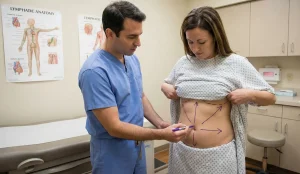

Fatigue, joint pain, and cognitive issues may be a signal.
Breast Implant Illness (BII) is essentially a collection of symptoms that individuals who have undergone breast implantation report. These symptoms can be systemic as they affect different body systems and may manifest shortly after the operation or even years later. Although BII is not acknowledged as a distinct medical condition by all medical communities, the symptoms are numerous and recognized especially in the case of people having breast implants.
Besides, breast implants are still considered safe for the greatest part of patients, and the least that can be said is that most people are lucky in this regard and do not face any major health problems. However, there is a likelihood that one or some inhabitants’ bodies may respond negatively to implant materials such as silicone or saline. In this case, the immune system of the body will be on alert and a consequent inflammation will dominate gradually giving rise to a variety of symptoms that interfere with a person’s normal routine. These symptoms may be minor or serious, and they may include fatigue, joint aches, headaches, skin rashes, or complicated problems such as the development of autoimmune diseases.
It should be emphasized here that no test can pinpoint BII incontrovertibly and the symptoms are common to various other conditions which makes the identification of this one problem hard. The main thing with BII is that one keeps health checks after getting breast implants and then consults a doctor with expertise in implant-related health concerns for evaluation.
Common Symptoms of Breast Implant Illness (BII)

The symptoms of BII vary significantly from one to another significantly which makes figuring out the problem here very difficult. Nonetheless, there are some common features that a vast majority of persons afflicted with BII declare to have experienced. The symptoms can be systemic and even the different parts of the body such as the skin, muscles, joints, brain, and digestive system may be involved.
One of the most common symptoms is lack of energy and it is capable of ranging from the state of slight exhaustion to that of being heavily incapacitated. Frequently this is accompanied by mental fog which shows itself in concentration difficulties, memory lapses, and mental confusion. Muscle and joint pain, headaches, and sudden appearance of rashes are also symptoms that many people have experienced. Besides that dry eyes, sensitivity to light, and hair thinning are some other common symptoms.
Bloating, nausea, and digestive discomfort are the symptoms of the gastrointestinal tract that have been mostly attributed to BII by the researchers. A few people have reported such a broad spectrum of neurological symptoms, among which are tingling, numbness, and muscle weakness. Symptoms can be gradual and their degree can change albeit slowly which makes it very hard to link them directly to the implants. In extreme situations, those individuals who suffer from BII can be overwhelmed with symptoms of high intensity including autoimmune-like diseases or chronic illness.
How BII Develops and Its Link to Breast Implants
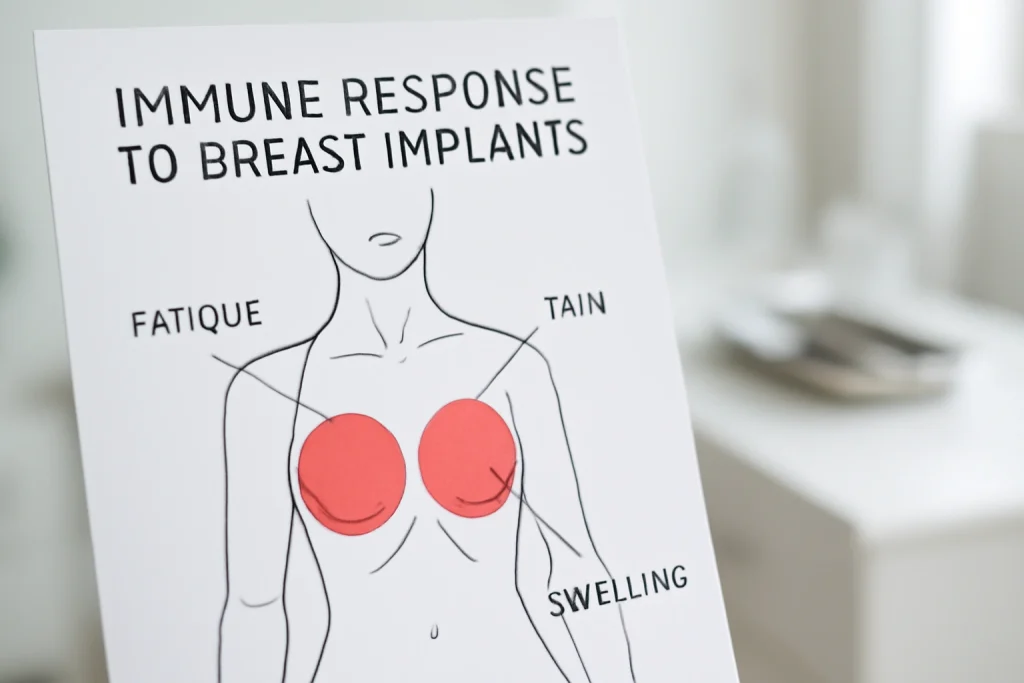
BII is considered to be a result of the immune system fighting the implant materials that are used in the breasts which are either silicone or saline. For the majority of the patients, these materials do not cause any harm, but a few individuals may have a genetic predisposition or may develop an autoimmune response thus their bodies react negatively. This response can lead to inflammation and a plethora of symptoms that can affect all the different parts of the body.
The research on the cause of BII is still ongoing but the prevailing idea is that the body regards the breast implants as alien things and hence the immune system attacks them thus causing inflammation. This ultimately results in a set of systemic symptoms. Besides that, biofilm (a layer of bacteria that attaches itself to an implant) formation may be the source of persistent inflammation and infection, and, therefore, symptoms getting worse.
Some research has indicated that those who have autoimmune conditions before or genetic factors may be at a higher risk of developing BII. To get a clear picture of the processes involved in this disorder, more research has to be done. It is also very important to remember that not all people with breast implants will get BII and some of them do not have any symptoms at all.
What to Do if You Experience Symptoms of BII
If you think you are suffering from Breast Implant Illness, the very first thing is to make an appointment with a doctor who specializes in breast health or autoimmune diseases. Locating a doctor who is knowledgeable about BII and can conduct a complete assessment is quite important. The doctor will probably start by reviewing your medical history and inquiring about the time of onset of your symptoms. Physical checkup and other diagnostic work such as blood tests, imaging, and specific autoimmune markers screening may be done to establish the diagnosis.
At times a physician can recommend implant removal if the symptoms are to be alleviated. Significant relief from the symptoms is what many patients after implant removal report, however, the choice to go ahead with the removal should be cautiously and discussion with your healthcare provider be involved. Besides, implant removal seldom brings complete symptom relief, and consequently, some people may even continue to experience symptoms for a while after their implants have been taken out.
For people whose symptoms are not severe, treatments like narcotics for pain relief, drugs with anti-inflammatory properties, and lifestyle changes (e.g., healthy nutrition, stress control, and exercises) could be of great help in symptom management and the avoidance of surgery.
Treatment Options and Relief for Breast Implant Illness

Treatment for BII mainly aims at symptom relief and enhancement of the patient’s quality of life. The consideration with regards to treatment depends on the extent of the symptoms, the overall condition of the patient, and whether the implants are the source of the problem.
For people with mild symptoms, use of anti-inflammatory agents bought over the counter such as ibuprofen or acetaminophen will be of assistance in the mitigation of pain and inflammation. Besides that corticosteroid injections and prescription pain relievers may be used if symptoms are severely expressed. To alleviate arthritis and muscle weakness, physiotherapy may be advised in some instances.
When symptoms are unrelenting despite the implemented measures, then removal of breast implants is usually the route to take. The majority of patients experience relief and improvement of their condition as a result of their implants being taken out, yet the recovery journey can be of several months’ duration. Post-removal, some individuals may require further intervention such as immune system support or the use of other drugs to be able to regain their health.
There is no universal remedy for BII and the treatment should be designed to meet the individual patient’s requirements. The key to devising a treatment plan that suits you is consultation with a healthcare provider who is an expert in breast implant complications.
Breast Implant in Turkey
Turkey is well-versed in performing medical procedures of the highest standard and has a pool of experienced surgeons, hence the enormous inflow of patients who come there for breast implants. Our offerings at Lin Europe Clinic are diverse and encompass a variety of breast implant selections with the ultimate goal of satisfying each patient’s needs as well as wishes. The surgeons at our disposal turn out to be the best in the business when it comes to meeting patients’ expectations and giving them a natural and aesthetic look with safety and care being their main concern.
What you will get from Lin Europe Clinic in Istanbul if you are pondering breast implantation or are suffering from the implant-related illness is a thorough and detailed consultation that will help you figure out the best course of action. We are your go-to experts when it comes to implant selection, symptom relief, and if the need arises, implant removal. Our team is ready to serve you in your quest for a better self and assure you that the process will be safe, smooth, and fully supported at all times.
References
- American Society of Plastic Surgeons. (2020). Breast Implant Illness.
- Khouri, R. K., & Naim, A. (2019). An Overview of Breast Implant Illness. Plastic and Reconstructive Surgery, 144(5), 1076-1082.
- American Academy of Dermatology. (2021). Symptoms of Silicone Implant Illness.
- Zouboulis, C. C., & H. M. (2019). Clinical Manifestations of Breast Implant Illness. Dermatologic Clinics, 37(4), 331-340.
Frequently Asked Questions About Breast Implant Illness
Breast implant illness (BII) refers to a collection of symptoms that occur in some individuals after breast implants are placed. These symptoms can range from fatigue and joint pain to more complex conditions such as autoimmune responses.
The most common symptoms of BII include fatigue, memory issues (brain fog), muscle and joint pain, headaches, gastrointestinal issues, and skin rashes. These symptoms often vary in intensity and can affect several areas of the body.
While BII is not typically life-threatening, it can severely affect your quality of life. Early diagnosis and proper management are important to alleviate symptoms and improve overall well-being.
If you suspect you have BII, the best course of action is to consult with a healthcare provider who is experienced in dealing with implant-related illnesses. They will assess your symptoms and guide you through the best treatment options.
If you notice new symptoms such as fatigue, pain, or skin issues after receiving breast implants, it’s important to speak with a healthcare professional. A detailed examination and testing can help determine whether these symptoms are linked to BII or another condition.