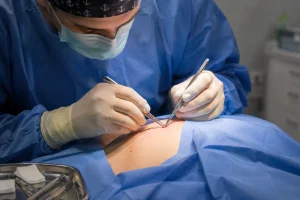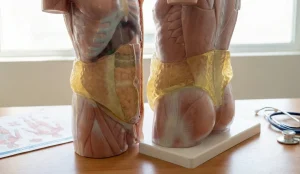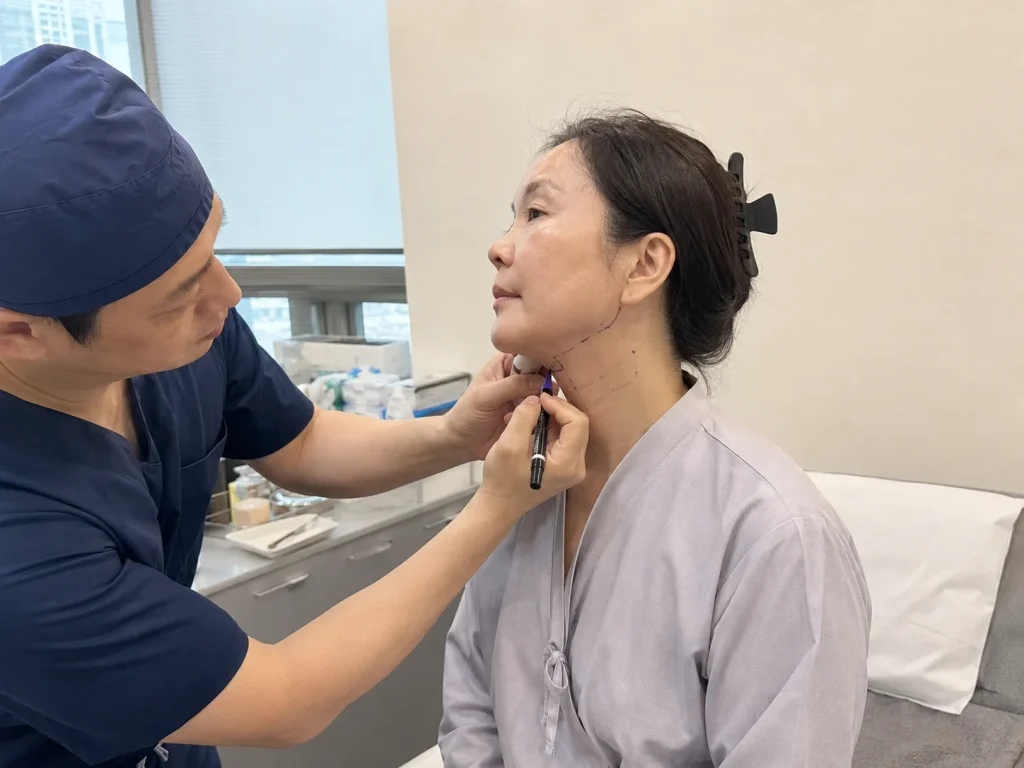
Deep plane and minimally invasive techniques are newer options.
The Paradigm Shift in Modern Cervical Contouring
In the advanced area of facial plastic surgery and cervical rejuvenation, modern neck lift techniques have moved beyond the traditional skin-pulling and basic liposuction. In the past, cervical procedures were mainly concentrated on tightening and loosening of the skin, which usually gave temporary results or resulted in an artificial horizontal tension across the neck.
From a solid and well-ground clinical point of view, the most innovative and latest techniques in neck lifting surgery involve deep structural manipulation along with sub-platysmal anatomical reshaping and the use of minimally invasive energy fusion techniques. Instead of relying on stretching the skin, modern-day plastic surgeons deal with the deeper structures behind the platysma muscle, such as sub-platysmal fat pads, digastric muscles, and submandibular glands, to achieve an extremely defined jawline and naturally, lastingly beautiful profile of the neck and cervicomental angle.
Key Cutting-Edge Surgical Techniques
One of the key aspects is the ability to understand the modern method of neck rejuvenation surgery, which leads one to highly natural and perfect results. The main innovative techniques defining current practice are:
- Deep-Plane Neck Lift & Deep Neck Contouring: This cutting-edge technique goes under the platysma muscle and targets the deep structural volume that traditional methods are not able to reach. The surgeons will remove the layers of fat beneath the platysma and reshape the anterior digastric muscles and submandibular glands through partial resection or suspension to produce a hollowed-out, clean, and defined neck contour.
- Extended Corset Platysmaplasty with Lateral Vectoring of the Neck Muscular Flaps: The neck surgery nowadays has significantly improved the way platysma muscles are being handled during surgery. After the fusion of the central edges of the platysma muscle (corset platysmaplasty) in the midline, the surgeons perform the creation of lateral muscular flaps to raise and stabilize the outer edges of the platysma to the mastoid muscle behind the ear, thus providing complete three-dimensional neck structure stabilization.
- Sub-Dermal and Energy-Assisted Coagulation at a very Deep Level (RF & Plasma Fusion): By the combination of surgical lifting with sub-dermal radiofrequency (RF) or helium plasma-based skin contraction technologies (for example, Renuvion ), a doctor can be able to tighten the fibroseptal matrix at the cellular level. So it gives the maximum amount of skin contraction, covering new deep muscle contours, which is quite useful for cases with mild skin laxity.
- Short-Scar and Submental-Only Neck Lifts: Younger people with limited skin looseness who have localized structural fillers in their neck are now being treated with single-incision submental methods hidden beneath the chin by modern surgeons. This makes it possible to totally restructure the neck and muscle tightening without having ear-behind incision marks.
Preserving Structural Integrity and Post-Operative Boundaries
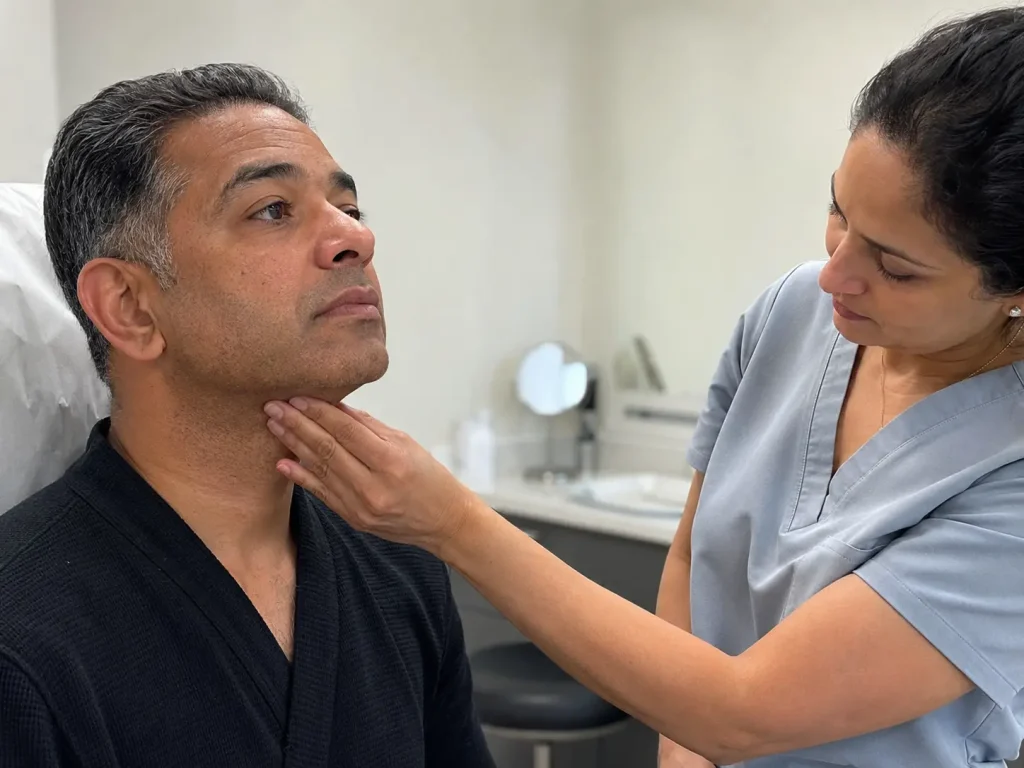
Strict observance of protective and behavioral post-operation boundaries is crucial if you want to achieve perfect results. During the initial post-operation period, your skin that’s been pulled tight, skin flaps that’ve been repositioned, and very delicate suturing knots can really only become strong collagen and fibrin bonds if there is absolute mechanical protection that lasts throughout the entire period of 6 to 8 weeks immediately after surgery.
Besides, you have to avoid such things as neck flexion, neck twisting and over-bending during the early healing period. When you sleep, you must use 2 – 3 pillows in a semi-upright position to minimize edema in the lower part of the neck and at the same time, you will not be creating stress on the incision lines. On top of it, during the first 2-4 weeks, it is a must that you constantly put on a surgical-grade, tight neck compression garment to eliminate dead spaces and reduce chances of fluid accumulation (seromas), so that the new skin can stay smooth.
Recovery speed and maturation of skin
The introduction of updated surgical tools, careful cutting of tissue layers, and a strict post-surgery regime to follow, etc have made a significant difference in the experience that people get while they’re in recovery after a neck lift:
- Minimal Tissue Injury and Less Bruising: By using a radiofrequency device for dissection work in the deep-plane that does not use heat as well as tissue elevators to lift tissues that are not causing any bleeding in micro-vascular areas this kind of work can dramatically reduce the amount of bruising that is seen post-operatively and also minimize the deep tissue black and blue appearance, which is so much different from other old surgical methods.
- Drain-free Surgery is The New Norm: The most modern surgical tapes, like those made of fibrin that are also called surgical glues, and the use of techniques where there is a gradual increase in the amount of tightness of the suture (progressive tension suturing) are the means that are often sufficient not to place drains after surgery. Besides getting rid of external drains, these means also significantly reduce the chances of infections and speed up healing.
- Fast Dermal Healing: It has been observed that with well-managed preservation of the layers of tissues and deep-plane suspension of tissues with great accuracy, the swelling after surgery that is so common has almost gone away. That makes patients return to a normal social and working life way earlier than even the old standards could allow.
Neck lift in Turkey
When you decide to go through LIN Europe Clinic, that’s just the beginning of a top-quality, all-in-one, international standard hospital for facial beauty, facial structural rejuvenation surgery, and also for other types of surgery where a patient will be guided by very professional and very knowledgeable individuals with a great sense of empathy and care. LIN Europe Clinic, we acknowledge, understands the fact that creating a very nice neck lift which gives satisfaction from an aesthetic point of view, requires not only a very knowledgeable surgical intervention but also, the support of an environment filled with all these other elements such as a high level of patient care, a highly transparent process, a team that is highly dedicated and supportive to a patient, and all things which promote and prioritize evidence-based medicine.
Trusting our specialist professionals at LIN Europe Clinic in Istanbul, it will only help you to monitor your physiological structures with absolutely accurate diagnostic techniques. The personalized, comprehensive post-operative planning, the detailed tissue analysis in HD, and also the step-by-step aftercare guide are the main things we provide at LIN Europe Clinic to help you navigate and understand your tissue development and your new way of living. Our top-class medical team is responsible for ensuring your cosmetic investments, health, and well-being are thoroughly safeguarded so that you, with a fully relaxed mind, enjoy your new face and your vibrant self in the best possible way.
FAQ:
The most modern procedures are the Deep-Plane Neck Lifts: which change sub-platysmal fat, the digastric muscle and the submandibular gland; the Extended Corset Platysmaplasty; a technique with tissue glue to avoid drainage and use of energy for skin contraction (RF and helium plasma).
This type of neck lift goes below the platysma muscle layer to excise and reshape muscles, the management of a chin area fullness due to enlarged salivary glands and removal of deep fat. The result, a much more defined and longer-lasting cervicomental angle than with standard neck lifts, is a very satisfying outcome.
Not necessarily. These days many surgeons opt for tissue sealants (fibrin(glue, which they can apply after skin suturing for drainage-free neck lift techniques, that make recovery much more comfortable at the beginning.
It means a single small incision placed below the chin so that the deep fat can be removed as well as the platysma muscle can be tightened and in case of the patient, that only mild skin laxity behind the ears exists.
Yes. New techniques anchor the platysma deeper and handle structures underneath the platysma without merely pulling the skin, therefore achieving much longer-lasting results, typically over 10 to 15 years.
Feldman, J. J. (1990). Corset platysmaplasty: Restructuring the neck framework and evaluating deep neck techniques. Plastic and Reconstructive Surgery, 85(3), 333-343.
Pelle-Ceravolo, M., et al. (2016). Assessment of long-term results in modern neck lifts: Evaluating deep-plane platysma management, submandibular gland suspension, and skin retraction. Aesthetic Surgery Journal, 36(8), 855-867.
Rohrich, R. J., et al. (2014). Advanced postoperative care, deep cervical tissue elevation, and energy integration in facial rejuvenation. Aesthetic Surgery Journal, 34(5), 587-595.