
Yes, you can nurse with breast implants.
Breastfeeding is a vital phase of your postpartum journey, and you surely need help that will be in your comfort, safety, and long-term breast health. Most women with breast implants manage to breastfeed their babies effectively, and the fundamental factor behind the success is how the implant placement, breast tissue, and milk ducts are structured. The lactation specialists at Lin Europe Clinic in Istanbul guide mothers through the working of their bodies and how a few small changes can protect both implants and milk supply. A correct understanding of breast anatomy gives you the confidence to breastfeed in a safe and comfortable way.
Lin Europe Clinic is the place where surgical finesse and patient-focused postpartum care are combined. The treatment plan designed by the clinic calms and informs new mothers on how to carry on nursing with implants. The patient is taught how to interpret the signals of the body, how to adopt ergonomic feeding positions, and how to care for the tissue as the breasts go through changes. Such knowledge makes you both armors to protect your cosmetic result and a vessel to give your infant what he needs.
Tip 1: Learn How Implant Placement Influences Milk Flow
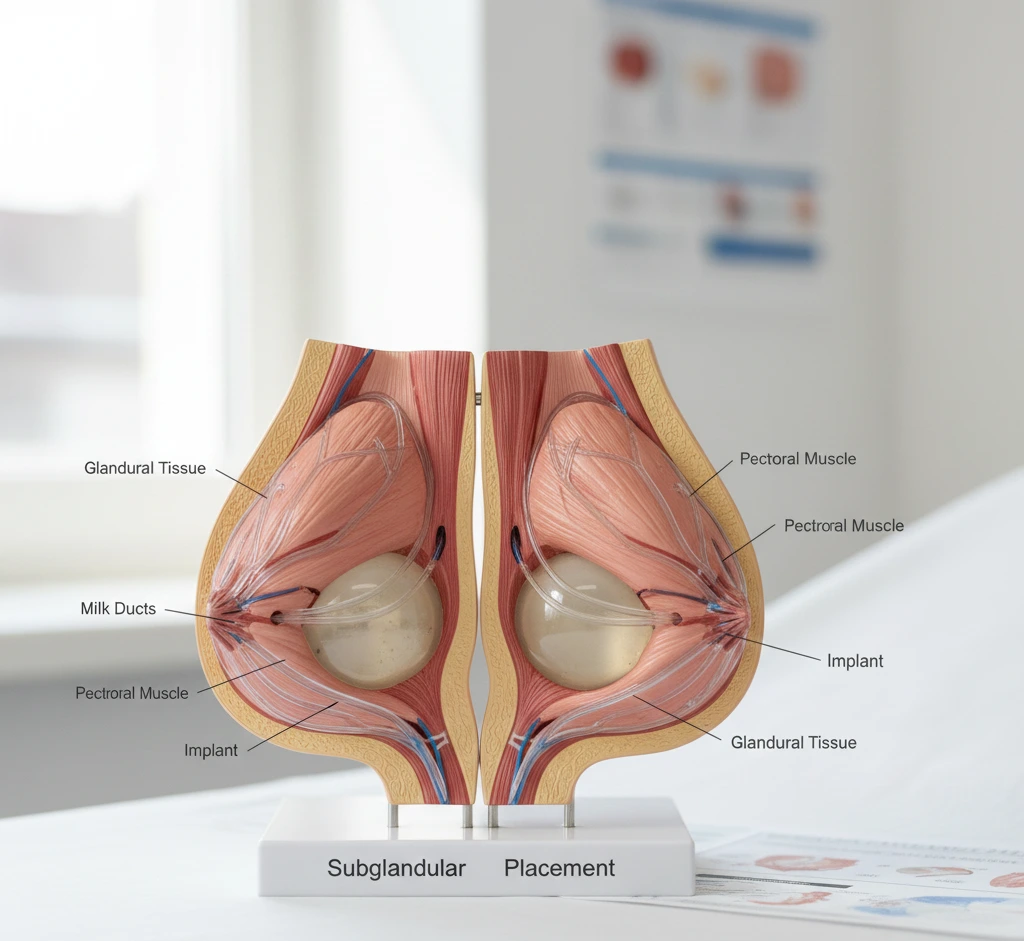
The position of an implant is the main factor that determines the breast functions during nursing. When your plastic surgeon places the breast implant under the pectoralis major muscle, the milk ducts and glandular tissue are free from pressure. This kind of organization of the structures facilitates milk flow, duct function, and a natural breastfeeding reaction. Less discomfort is felt because the implant pocket is supported while the breast tissue is expanded. Apart from that, using this method for a longer period of time keeps the tissue in good condition as the implant’s weight is more evenly distributed over the chest wall.
When the implant is above the muscle, the glandular tissue directly covers the muscle, which can cause an increase in pressure on the ducts during feeding. You may be required to change your feeding positions more frequently in order to avoid the tissue around the implant pocket from being overstrained. Once mothers understand how to support the ducts and keep a consistent latch, many of them can still breastfeed in this position without discomfort. The surgeons at Lin Europe Clinic explain these differences thoroughly so that you know how your particular anatomy affects nursing comfort and stability of milk flow. This knowledge enables you to approach breastfeeding with correct methods and realistic expectations.
Tip 2: Engage with a Lactation Consultant ASAP

The very first support from a certified lactation consultant is a notable, scientifically proven guidance source that you cannot do without during the initial stages of breastfeeding. The specialist helps you evaluate the baby’s latch, positioning, and swallowing reflexes thus protecting your milk ducts and lessening the strain on your breast tissue. You are taught how to react to your body’s signals during feeding such as fullness, soreness or even changes in milk flow. These revelations give implant-pocket-area-pressure prevention support as well as a natural glandular function. Most mothers find that early education helps them get rid of anxiety and makes their breastfeeding routine smoother.
Besides, a lactation consultant offers you workable ways to keep your supply steady, by, for example, planning for growth spurts or cluster feeding times. You get step-by-step instructions on how to tackle the issues of a shallow latch, early fatigue, or delayed let-down. By these modifications, your infant can feed properly while the breast tissue is relaxed and stable around the implant. Lin Europe Clinic works with qualified consultants who are aware of the anatomical factors related to breastfeeding post-breast augmentation. This joint support is a way of getting through your nursing journey with confidence and comfort.
Tip 3: Keep Track of Milk Supply and Feeding Patterns

Keeping track of milk supply is a way of knowing one’s breast reaction to the hormonal changes of the postpartum period. Milk supply is dependent on glandular stimulation, nursing frequency, and the baby’s feeding patterns. The number of wet diapers, feeding intervals, and the baby’s swallowing rhythm can all be tracked in order to get a clear picture of milk flow. Besides, one can also determine duct function by feeling the breast before and after feeding. These variables help one to spot healthy patterns and make the necessary changes if support is needed.
Continuous checking also makes one capable of keeping away from troubles brought by engorgement, clogged ducts, or changes in feeding frequency that happen fast. Ways to protect the implant pocket include not putting too much pressure on the glandular tissue and allowing for regular milk transfer. To be in the right condition to give milk, the area around the implant should be warmed, massaged lightly, and frequently emptied. By checking up on you, discussing your issues, examining your breast structure, and giving personalized pieces of advice that are in line with both your feeding and implant goals, the staff at Lin Europe Clinic implements a combined approach that keeps you well-informed and comfortable in the nursing period.
Tip 4: Opt for Comfortable Feeding Positions

Picking comfortable breastfeeding positions works against the implant pocket if the pressure is lessened and the baby can get on with the task of latching properly. The football hold or side-lying position are choice that most mothers make due to the fact that these are the techniques that put the least amount of pressure on the central breast area between them. These positions provide a means by which the baby can feed without compressing the implant thus allowing for the release of the milk to take place naturally. Posture can be made healthy through neck, shoulder and chest muscles being supported by pillows or arm strength and the tension in them being released. Such corrections in position help your body be in the relaxed state required for efficient nursing.
Besides comfort, correct positioning helps the baby feed more effectively thus bringing about regular milk flow that is unfailing and a reduction in the strain put on mother’s breast tissue. Through trying out positions, gentle support under the breast, and the right angles, you can perfect the depth of the latch and keep your baby’s airway free. Lin Europe Clinic’s professionals offer ergonomic feeding techniques as part of your postpartum follow-up care. You take away doable steps that not only defend your implant results from harm, but also encourage milk production and allow you to create a loving environment for your infant. Consistency in comfort is a factor that contributes to the success of long-term breastfeeding.
Tip 5: Make Breast Health and Regular Check-Ups Your Priority

By means of regular breast examinations, tissue health can be kept intact, and a long lactation period can be ensured. Care visits provide the opportunity for a plastic surgeon to check not only the implant pocket but also the duct system and new glandular tissue. Along with this, the patient is given professional advice on how her breasts gradually change with the increasing milk supply. The evaluations offer reassurance that the tissue remains stable and the position of the implant is still supported. Check-ups actually provide a platform for spotting situations leading to trouble if dealt with only at that stage.
Constant examinations also pave the way for safe breast care in the far-away future by giving hints about self-examination, changes in breast tissue, and methods that are both comfortable and efficient. Surgical specialists at Lin Europe Clinic outline the process of implant capsule protection and how tissue support can be maintained in a balanced way during breastfeeding. As for recommendations, you will be given a well-thought-out plan concerning feeding patterns, hydration, and massage. The implementation of such measures will not only keep you going with positive breastfeeding moments but also help preserve your results post-surgery.
Medical Support Should be Sought If
If you experience sharp breast pain, persistent warmth, or considerable swelling during nursing you should seek medical help. Tissue inflammation or duct narrowing are among the possible reasons for these signs and would require a doctor’s examination. The sooner the assessment is carried out, the more glandular tissue is preserved, milk flow is maintained, and the implant pocket can stay stabilized. Your provider can offer you gentle, healing treatments that retain your ability to breastfeed in a comfortable manner while at the same time supporting recovery.
If your baby finds it hard to latch, shows less swallowing, or feeds for long periods without being satisfied then you should also get in touch with your provider. These issues may be due to feeding mechanics rather than implant-related changes but in any case, they need the opinion of a professional. On which grounds, Lin Europe Clinic specialists offer you clear assessments? To help you understand the source of your concern, they provide you with personalized recommendations supporting your breast health and your baby’s feeding success.
Breast Implants in Turkey
The breast implant operation in Turkey is characterized by advanced methods, thorough evaluation of the anatomy, and great focus on the patient’s comfort. Surgeons at Lin Europe Clinic tailor-make the treatment plan for you, basing it on tissue structure, implant type, and the goal of breastfeeding after the surgery. You get the thorough and clear explanations about your body, where the implant will be placed, and how the tissue will behave in the long run. With this way, you can decide both aesthetic and lactation-friendly by being fully aware of the consequences.
Turkey is a place providing you access to well-skilled surgeons who are in line with global safety standards and use the best quality medical materials. Lin Europe Clinic is the perfect combination of digital imaging, accurate operative technique, and well-organized postoperative care to facilitate your health in the long run. You get the help you need at every step of your surgical journey, starting from consultation, through recovery, and breastfeeding support when you nurse your baby. The level of this continuity allows you to have both surgery and motherhood with the needed clarity and confidence.
References
American College of Obstetricians and Gynecologists. (2020). Breastfeeding challenges and management guidelines. ACOG Press.
Hale, T., & Rowe, H. (2017). Medications and mothers’ milk. Springer Publishing.
Lawrence, R. A., & Lawrence, R. M. (2015). Breastfeeding: A guide for the medical profession. Elsevier.
Mitchell, K. B., & Johnson, H. (2019). Lactation outcomes after breast surgery: A clinical review. Journal of Women’s Health, 28(4), 512–518.
World Health Organization. (2020). Breastfeeding and maternal health guidelines.
Frequently Asked Questions About Breast Implants and Nursing
Yes, breastfeeding is possible with implants as the implant itself does not hinder milk production or the hormone-regulated release of milk. What matters for your success are healthy ducts, proper latch, and feeding regularly.
Milk supply may be affected if the implants press on the glandular tissue, but the majority of women manage to have a good milk flow if they follow a correct technique. An early consultation with a lactation specialist is always beneficial.
Indeed, women with implants can safely breastfeed since the implant is located outside the milk ducts and glandular tissue. Breast milk remains nutritious and safe for your infant.
Submuscular placement (under the muscle) is more conducive to breastfeeding as it lessens the compression of the ducts. Your plastic surgeon will be able to tell you the best option depending on your body.
Nursing is not a cause of implant damage as long as you opt for comfortable positions and keep up with healthy feeding patterns. You can take care of the implant pocket and the tissue around it by doing regular check-ups.