It can happen, but proper placement help reduce it.
One of the most revolutionary and confidence-boosting ways of cosmetic surgery is breast augmentation. Yet, breast implant rippling is one of the silent post-surgery issues that have been known to happen. The rippling on implants means that some folds from the surface of the implants become visible or even palpable through the skin which usually happens in thin or low-fat tissue patients.
Breast implant surgery at Lin Europe Clinic in Istanbul is not only done with exact planning but also with advanced materials and customized methods to avert the event of ripples. The clinic uses the best surgical protocols combined with individual assessment to make sure that every patient gets not only a safe but also a smooth and natural-looking outcome. The very first step in the prevention and proper solving of this issue is understanding what causes the rippling.
Breast Implant Rippling: Understanding What It Is and Why It Happens
Breast implant rippling is when the implant surface looks like it has waves or folds and this is due to the difference in pressure between the implant shell and the tissues around it. This is generally the case when there is a lack of soft tissue covering or when an implant under the skin loses its uniform shape. To be exact, the wrinkling on the implants is just a visual defect but it can affect the aesthetic harmony and the patient’s self-confidence as a whole.
Firstly, tissue characteristics and secondly implant quality are just two of the many reasons that could have caused the condition implants to be wrinkled. Thirdly, the surgical placement of the implant and fourthly lifestyle factors are the other reasons. Each factor impacts differently on the appearance and the degree of the rending of the rippling. Preventing the rippling at Lin Europe Clinic begins with a thorough preoperative examination that takes into account tissue elasticity, chest wall anatomy, and patient lifestyle to work out a surgical plan that is at minimal risk.
Reason 1: Thin Breast Tissue or Inadequate Fat Coverage
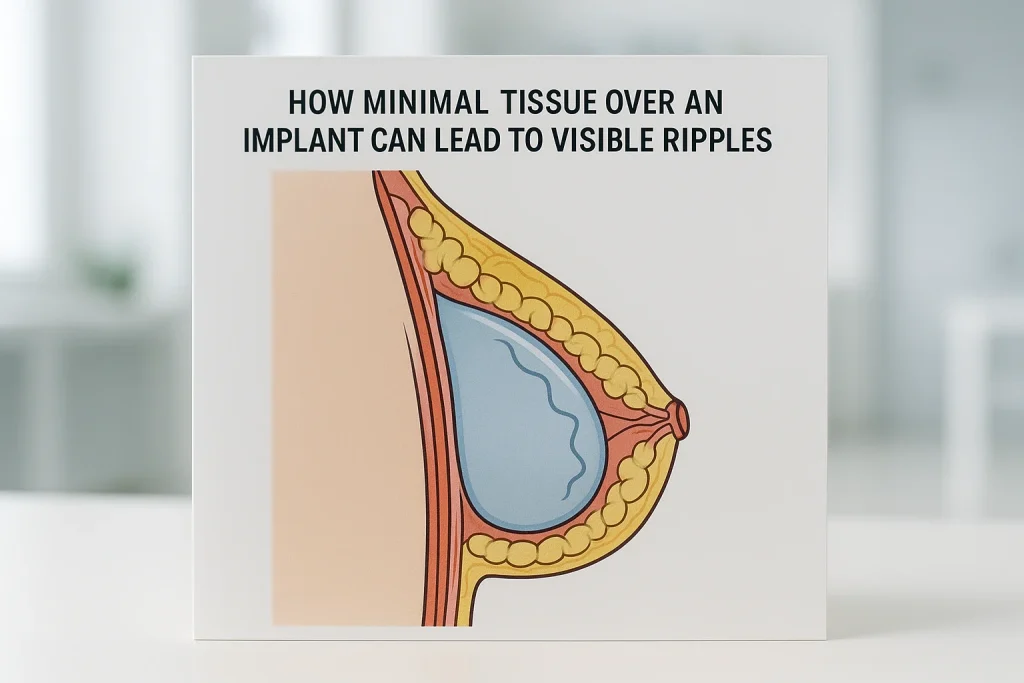
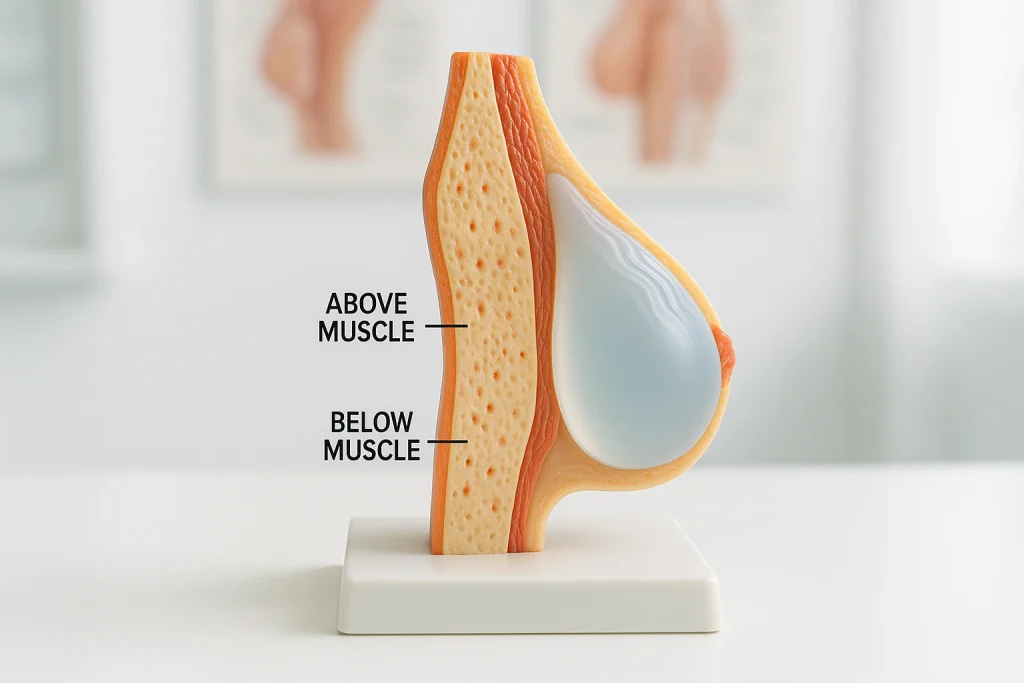
If it happens that the natural breast tissue or subcutaneous fat layer is very thin, then you will be able to see the breast implant edges and folds under your skin. This issue is very strongly felt in people having low body fat percentages and in patients who had their implants placed subglandularly (above the muscle). The lack of sufficient coverage means that the overlying tissue cannot hide the small irregularities and as a result, ripples become apparent.
In order to lessen this danger, doctors generally advise that the implant should be placed under the muscle so that the device will be situated under the pectoral muscle. Thus the procedure will put a protective cover of soft tissue around the implant which will help to achieve the smooth appearance of the breast with less visibility of the implant surface. In some situations, fat grafting is also done to increase soft tissue thickness. As a result, the skin-to-implant transition looks very natural and the look is refined and the result is stable as it ages with time.
Reason 2: Low-Quality or Underfilled Implants

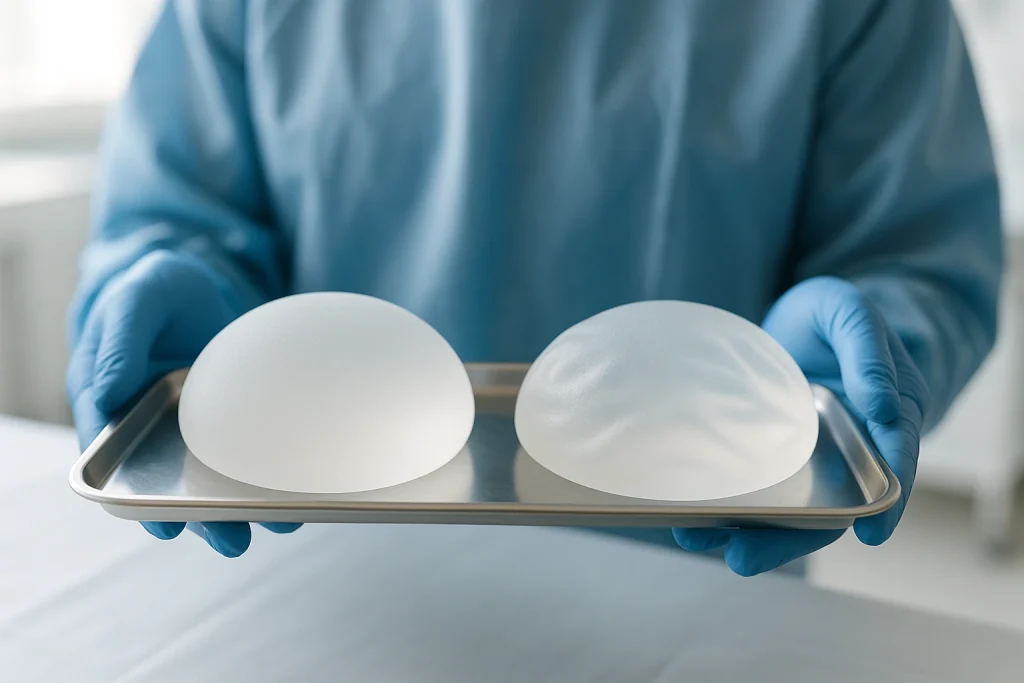
Breast shape and beauty after surgery depend greatly on the quality and the integrity of the implants used. A pair of low-quality or a half-filled implant is prone to collapse or wrinkle due to a shortage of internal pressure. For that matter, a saline implant underfilled will cause the outer shell to fold, while a silicone gel implant with inadequate support may take on the shape of the tissue becoming stretched and after that, will give rise to slight rippling over a period of time.
At Lin Europe Clinic, the choices of implants are only those that comply with the global safety and performance standards. Before use, every device is assessed for its strength, flexibility, and durability over time. By making sure that the fill ratio and shell thickness are correct, the contour of the body will be kept and the risk of deforming under pressure will be avoided. Besides this, patients are informed about the implant’s lifetime, the need for periodic check-ups through imaging, and maintenance instructions that ensure the highest level of safety and satisfaction.
Reason 3: Incorrect Implant Placement or Surgical Technique
One of the most important factors for a successful surgery without postoperative rippling is accuracy by the surgeon. If uneven or improperly sized implant pockets characterize the creation of the implant pocket, then pressure will be uneven around the implant. This condition may cause some parts to look as if they are overfilled while others have visible folds or creases. Besides that, less-than-optimal tissue handling, insufficient hemostasis, and imbalance of tension during the operation can also lead to an uneven result.
At Lin Europe Clinic, digital surgical planning systems that give a real-time view of chest wall anatomy are used to design each implant pocket. This technique gives precise control over depth, dimension, and balance. By ensuring exact spatial positioning, surgeons can take the tissue pressure to be an even distribution thus they are able to diminish the chances of post-operative deformities. To reach both structural strength and aesthetic harmony surgical safety measures are strictly adhered to.
Reason 4: Large Implants or Weight Changes
One of the probable results, choosing an implant size which is larger than what the skin and tissues can naturally hold, is overstretching. In fact, overstretching makes tissue less resilient, increases tension on the implant, and leads to a higher risk of ripples as well as sagging. Apart from that, fluctuations in weight, which include both significant loss and gain, can affect fat distribution and skin elasticity and therefore, ripples that were previously hidden will become visible.
That way, undesirable consequences can be totally vanquished with the help of preoperative planning at Lin Europe Clinic, a procedure that puts great emphasis on proportional selection. To decide on the size of an implant, surgeons check the width of the shoulders, the breast base diameter, and skin tension of the patient and then make their recommendations. Keeping your weight stable after surgery is one of the ways to have good tissue and overall balance. Apart from this, patients are also given guidance on lifestyle, nutrition, and postoperative care in order to be able to enjoy their results for a long time to come.
Reason 5: Natural Aging and Decreased Skin Elasticity
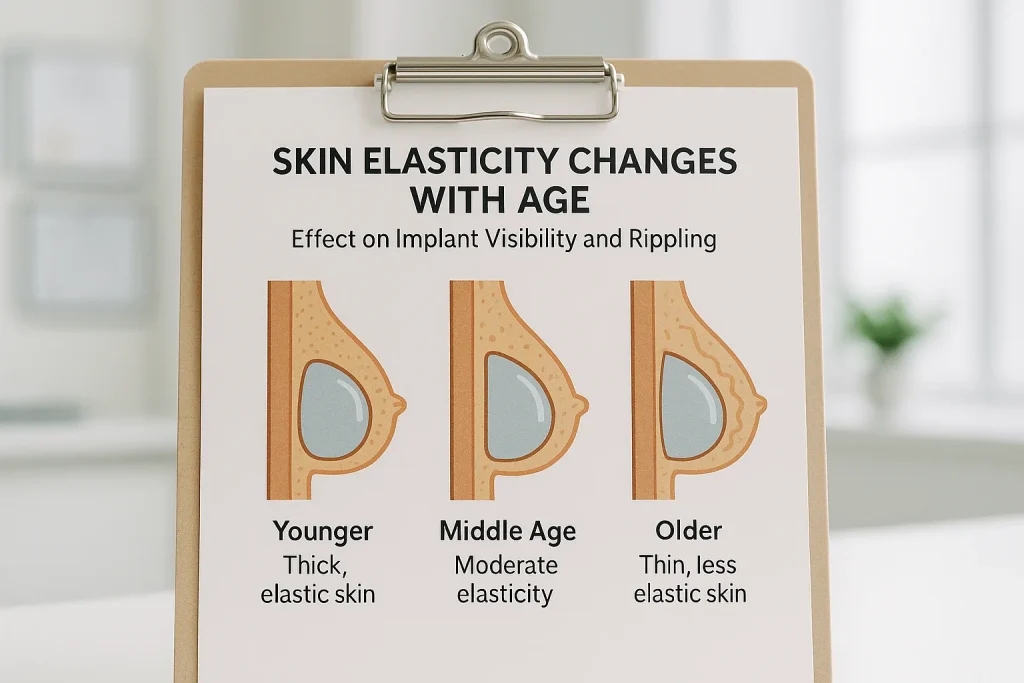
The passage of time does not favor the skin structure even when the surgical technique is perfect and implants of good quality are used. This is because, with age, the skin’s collagen and elastin fibers are slowly being degraded and therefore, it becomes thinner and less able to hide what is underneath. At times, this gradual decrease of skin elasticity can make small ripples that were previously not visible become so especially in those patients whose implants have been placed a long time ago.
Follow-up appointments hold a lot of importance in the long-term care program that Lin Europe Clinic offers. Different techniques, i.e., breast lift (mastopexy), fat transfer, or skin rejuvenation therapies, can be used to regain firmness as well as coverage thereby making the breast’s natural contour better. Help from the very beginning and constant checking allow the aesthetic changes of implants to be under control and thus, major revisions can be avoided in the future.
Breast Implants – Turkey
Among the various places where one can get a breast implant surgery, Turkey seems to be the most sought-after destination of late as it is acclaimed for the great balance between technologically advanced medical skills and reasonably priced care that it offers. Lin Europe Clinic, Istanbul, is a top-rated center equipped to provide a complete range of breast augmentation and correction treatments besides being a trendsetter. By integrating preoperative 3D imaging, precise surgical protocols, and a multidisciplinary recovery program, the clinic ensures safe and high-quality results for each patient.
Specialists with great experience, easily accessible and internationally approved facilities, and excellent postoperative care services attract patients from all over Europe, the Middle East, and North America to Istanbul. At Lin Europe Clinic, the emphasis is on natural aesthetics, patient comfort, and long-term satisfaction that dictate the way each breast implant surgery is carried out. Equipped with a personalized care model, the clinic empowers patients with the confidence to revitalize their body image while medical safety and precision are guaranteed at every stage.
References
- Adams, W. P., & Mallucci, P. (2020). Current Concepts in Breast Implant Selection and Complications. Plastic and Reconstructive Surgery, 146(5), 1112–1122.
- Tebbetts, J. B. (2018). Techniques in Aesthetic Breast Surgery: Minimizing Complications. Elsevier Health Sciences.
- International Society of Aesthetic Plastic Surgery. (2023). Global Aesthetic Report. ISAPS.
- Rohrich, R. J., & Ahmad, J. (2017). Advances in Silicone Gel Breast Implants. Clinics in Plastic Surgery, 44(2), 221–232.
- Mofid, M. M., & Meininger, M. S. (2019). Management of Breast Implant Rippling and Soft Tissue Deficiencies. Aesthetic Surgery Journal, 39(4), 323–332.
Frequently Asked Questions About Breast Implant Rippling
Rippling occurs when there is insufficient soft tissue or fat to conceal the implant, or when the implant surface folds due to pressure changes or poor material cohesion.
Selecting the right implant type, placement, and size for your anatomy reduces risk. Professional surgical planning and regular check-ups help maintain long-term smoothness.
Mild ripples can sometimes be improved through fat grafting or nonsurgical tissue treatments, though moderate to severe cases may require surgical revision.
Yes. Significant fluctuations in body weight can affect skin tension and fat distribution, leading to visible ripples or asymmetry.
With modern techniques and high-quality materials, visible rippling is rare. It can usually be avoided through correct surgical planning and implant selection.