The best age for a facelift is usually 40-60.
With passing time, the human face eventually loses the youthful glow which is so typical of it. This change, which is quite natural, gets coupled with the pull of gravity so that the features on the face age and look wrinkled, and wrinkles deepen, particularly around the jawline, eyes, and neck. The neck lift has been a long-term solution for those who seek to restore their youthful appearance and get rid of these signs of aging. However, the question of the right time for a neck lift still remains unanswered. We will delve into the best age for a facelift, the positive side of the surgery, and the different factors that will help you make up your mind whether this step will be beneficial for you in this article.
What Is a Facelift and Why Do People Choose It?
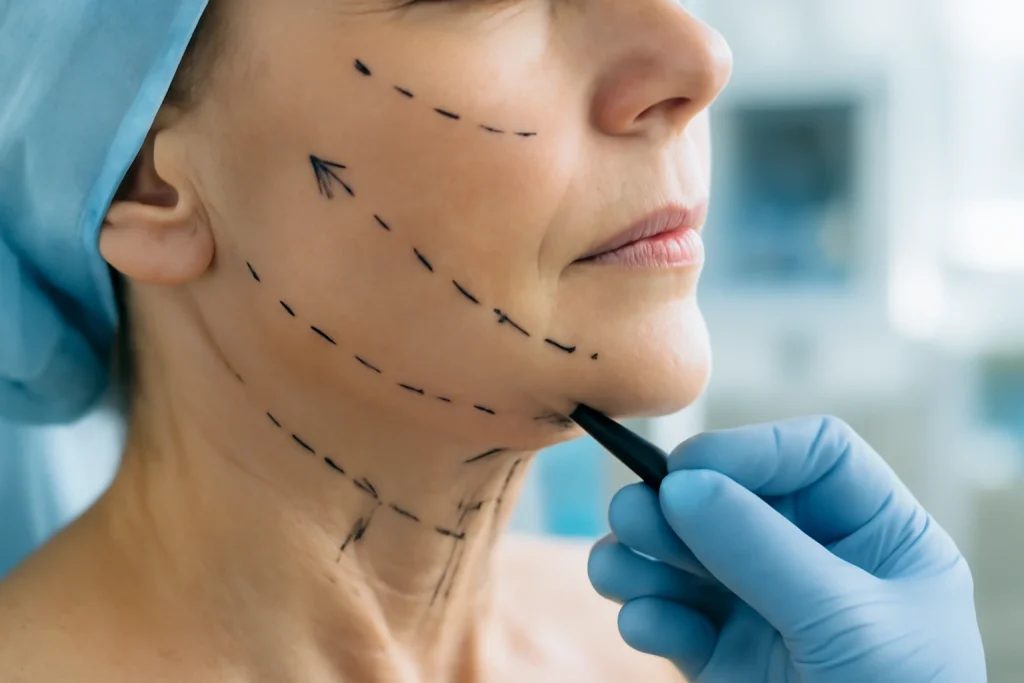
Facelift or rhytidectomy is a plastic surgery method aimed at stopping the aging signs on a human face and neck; that is, it doesn’t only work on the face but it also helps to control the aging in the neck region. The treatment involves the lifting of the skin and the underlying tissue to make the surface smooth again and to get the skin back to a firmer appearance. It can fix the sagging skin; fill the deep creases; and remove the loose jowls that may be present on the face.
Individuals may have a facelift for the sake of various reasons. These days, people usually go under the knife to make their looks better, to increase their self-confidence, and to live with the feeling of strong self-confidence in their personal and professional lives. The motivation of getting a facelift is usually prompted by a wish to look younger and thus, turn the aging process backward which in turn can make the person feel less awkward.
What’s the Ideal Age for a Facelift?
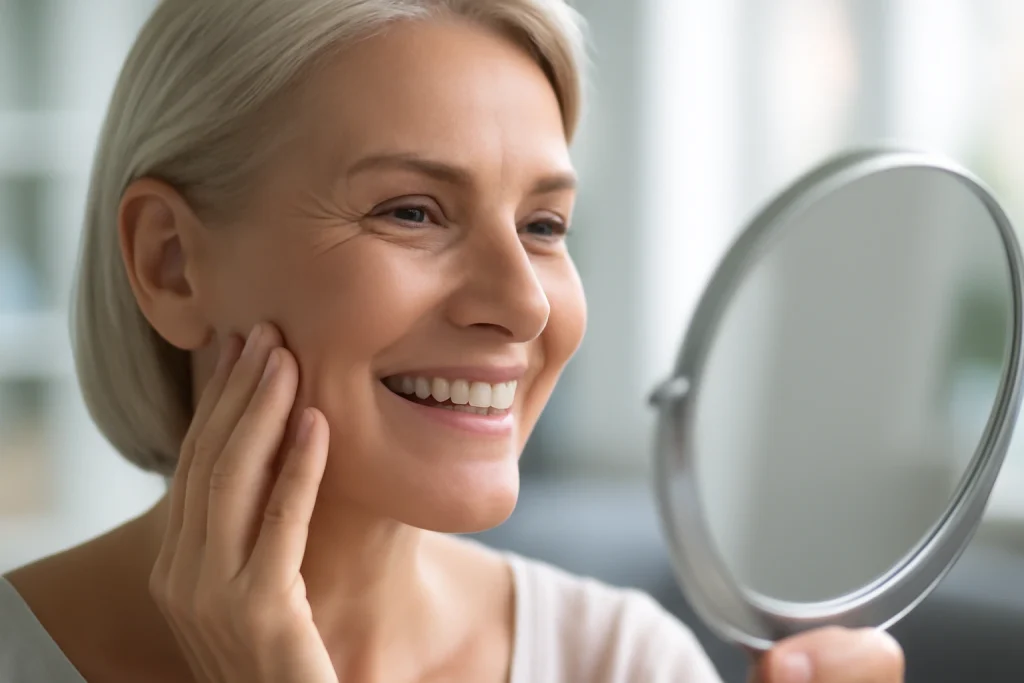
The question of a perfect age to get a facelift is highly debatable mainly because the ideal time is a factor that depends on a person’s lineage, lifestyle, and how much one has aged. Nevertheless, the people who most often go for facelifts are those who are in their 40s, 50s, or 60s, thus, the time when the signs of aging become very visible. At this point, the skin is still somewhat elastic which allows the best results to be achieved.
Anyway, in case of premature aging, a facelift can be done at a younger age. The reasons for such premature aging could be heredity, sunburn, and stress. On the other hand, it is possible that some people will decide to stay with their decision until they get old, which means the aging effects will be quite obvious and might cause them to have a more complex operation.
Benefits of Getting a Facelift at the Right Time
One of the benefits that a facelift coming at the right moment can bring is a visual appearance change to quite a dramatic extent, thus, the patient’s face and neck can look younger again with their contours restored. A facelift can result in the manifestation of lessened sagging, deep wrinkles, and facial folds, thereby rejuvenating the individual getting rejuvenated and making them look younger.
Another substantial benefit to a facelift is the sustainability of the results of such a procedure which can be maintained for a very long time, sometimes more than 7-10 years, as well as considerably depending on the person’s age and lifestyle. After going through the surgery, a lot of patients feel invigorated and more self-confident, which in turn may positively influence their general wellness and social relations.
Moreover, if a facelift is carried out at the right moment, i.e., before the formation of deeply lined and severely sagging areas, then less obvious results are to be expected. In cases where patients wait for too long before undergoing surgery, they are forced to take more advanced steps which might double the chances of side effects and outcomes that are far from being perfect.
Factors to Consider When Deciding on a Facelift
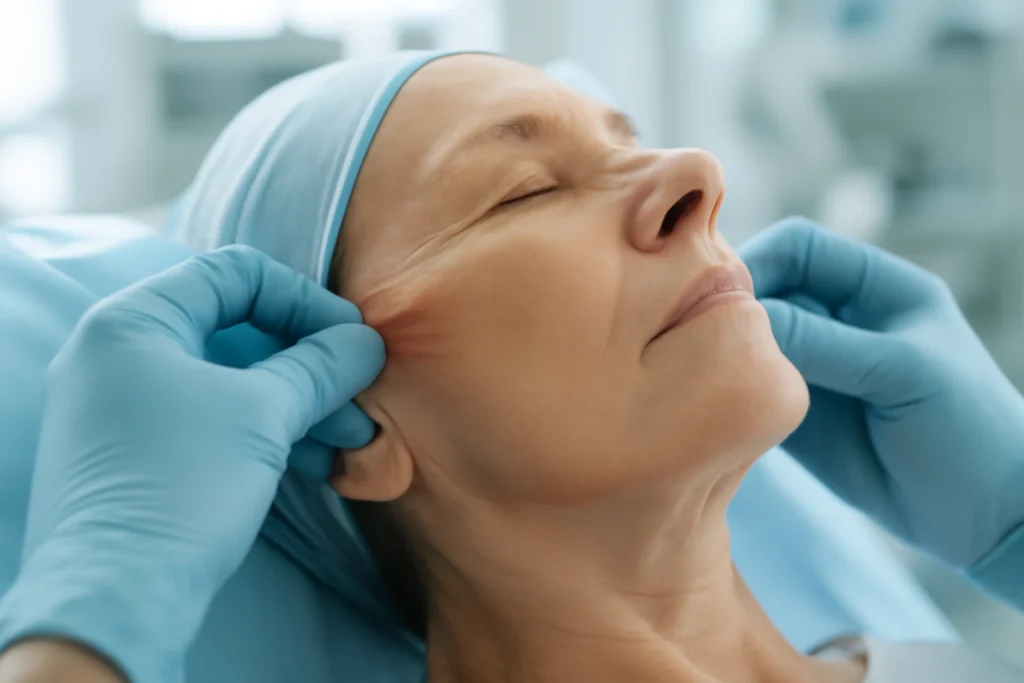
Deciding on a facelift and the proper timing for it depends on a number of factors affecting you personally. These are:
- Skin Condition: Generally, skin that is still supple and elastic will give better outcomes than one that has been stretched for years and is already sun-damaged or comes from smoking.
- Bone Structure: The composition of the human bones under the skin plays a very vital role in the total effect of a facelift result. People with strong bones can get a more minimalist type of facelift as their benefits will be subtle.
- Lifestyle Choices: Some of the factors that may have an effect on how long are the results, and how recovering time will go, are smoking, extreme sun exposure, and weight fluctuation.
- Health Status: Just like any other invasive operation, a facelift requires good health to be followed by an uneventful recovery period. People with medical conditions that make them hard to heal should not consider themselves as potential candidates for such a procedure.
- Personal Goals: One of the important things is to have firm ideas about the expected outcome of a facelift. Have a word with your doctor about it to see if your goals are achievable through such a means.
When Is the Best Time to Get a Facelift?
The most appropriate moment for a facelift would be the point in time when you see the signs of your aging beginning to show but they are not yet very visible. For a majority of people, it mainly happens when they are in their 40s or 50s; however, there is a number of individuals who make their decision to go under the knife sooner if the premature aging signs are the ones they come across.
First, if you are feeling healthy and fit and still have some years ahead, then the sagging of the midface, jowls, or neck could be the right time for you to think of a facelift. Conversely, you may decide to keep the signs of aging hidden if they are still faint and wait until they get obvious enough to do the surgery.
Also, it should be a point of consideration that facelifts cannot be “too late” as long as good health persists. On the contrary, waiting for that moment further down the line may mean having to endure a longer recovery period due to the more extensive nature of the surgery.
Facelift at Lin Health Europe: Achieving Your Ideal Look

At Lin Europe Clinic, we provide tailored facelift operations for each patient determined by their individual characteristics and aesthetic objectives. Our skilled doctors efficiently employ modern procedures to get artistic results that not only invigorate the face but also highlight facial contours. We are committed to offering a fresher look while your natural beauty is being preserved.
Due to cutting-edge instruments and a strong pledge to safety and comfort, a facelift performed at Lin Europe Clinic is a guarantee of the best possible outcome with the shortest period of recovery. Be it going for a slight change or a more striking transformation, our experts are here to offer you an effortless, tailored journey that brings out your best and makes you feel great.
References
- American Society of Plastic Surgeons. (2023). Facelift (Rhytidectomy). Retrieved from https://www.plasticsurgery.org/cosmetic-procedures/facelift
- Hunstad, J. P., & Lamb, R. R. (2022). Aesthetic Facial Surgery. Elsevier.
- Matarasso, A., & Tonnard, P. (2021). Facelift and Neck Lift: A Comprehensive Review of Techniques. Springer.
- Nasser, S., & Prasath, V. (2023). Facial Rejuvenation: Procedures, Techniques, and Innovations. Wiley-Blackwell.
Frequently Asked Questions About Facelifts
The ideal age for a facelift typically ranges from 40 to 60, when the signs of aging are noticeable but not too advanced. However, the best time for a facelift depends on individual factors such as genetics, skin condition, and lifestyle.
A facelift can be performed too early if there are no significant signs of aging, which may lead to unnecessary procedures. Waiting too long can result in more extensive surgery to address severe sagging, which may increase recovery time.
The results of a facelift typically last 7-10 years, though this can vary depending on factors like lifestyle, skin condition, and aging process.
It’s generally better to get a facelift when the signs of aging become noticeable but not severe. This can result in more natural-looking results and a longer-lasting effect.
Common signs that may indicate the need for a facelift include sagging skin around the jawline, deep creases around the mouth, jowls, and loose skin on the neck. If these signs are affecting your self-confidence, a facelift could be a solution.