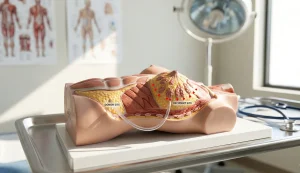
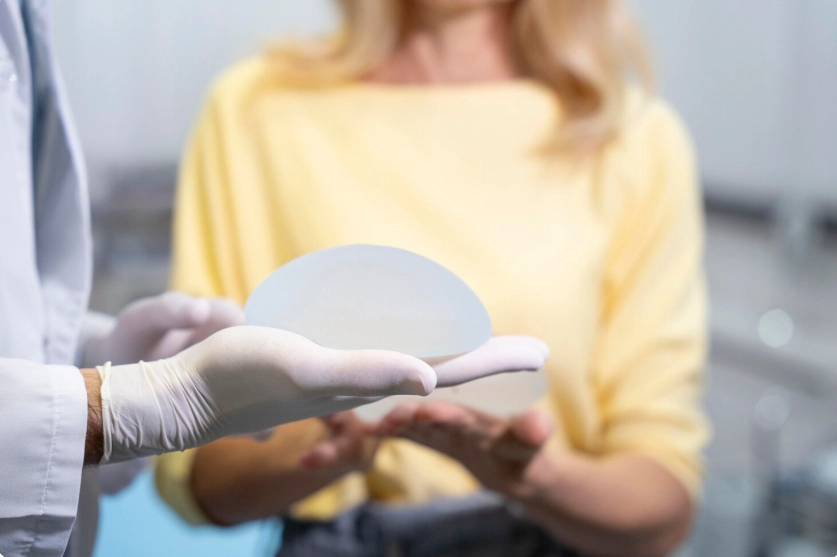
Breast implants are usually designed and constructed to last for a long time, to be of high quality, and to pose very little danger to the health of a patient. Also, if such a plastic surgery operation is performed by a competent plastic surgeon, implants in the breasts are safe. Nevertheless, in the same way, that human beings are mortals, so are breast implants in the end and sometimes it may come to certain complications. One of the complications that lead to implant rupture is the most serious. Though less in number, a ruptured breast implant can go on to affect considerably both the aesthetic and health aspects of the patient if the emergency is not attended to straight away.
On the other hand, at Lin Health Europe Clinic in Istanbul, we are prioritizing the patients’ safety and satisfaction over everything else, providing the most advanced techniques as well as the aftercare for patients with breast implants. In this line, starting from the knowledge that rupturing is possible in breast implants, knowing the symptoms, and taking the right steps if rupture occurs are imperative not only for health but also for beauty.
Indeed, we will be informing the breast implant precincts and materials, what will be the causes of defects, how to find out, and what are the treatment options in case of an implant rupture.
Understanding Breast Implant Structure and Materials
Before talking about the ways breast implants can rupture, one has to first understand the structure and the materials of the breast implants. The most common types of breast implants used in both breast augmentation and reconstruction are the saline implants and the silicone implants.
1. Saline Implants:
The defect in the saline implant will be very clear if it is a rupture and the saline solution will be taken by the body. Saline implants are silicone-made and are filled with a saltwater solution that is sterile. Mostly, these implants are filled while they are being put in, and the size is changed if needed at the time of the operation.
2. Silicone Implants:
Silicone implants are packed with silicone gel which is very close to the one which is used in natural breast tissue. Hence, products like silicone breast implants are mostly resorted to because of their natural looks and feel especially in the case of women having less breast tissue. The rupture of a silicone gel breast implant may be a secret even to the patient because the gel may still be inside the implant’s shell, or it may be slowly leaking into the surrounding tissue. Therefore, regular examination and imaging are very important for silicone implants.
The shell that is found on the outside of both types of implants is crafted from silicone material that has been designed for medical purposes. It is a product made to be long lasting and it is also of high quality. Nevertheless, due to such unfortunate events as external traumas, or due to wear and tear over the years, implants may be in a compromised condition and as such are vulnerable to get ruptured.
What Are the Causes of Breast Implant Rupture?
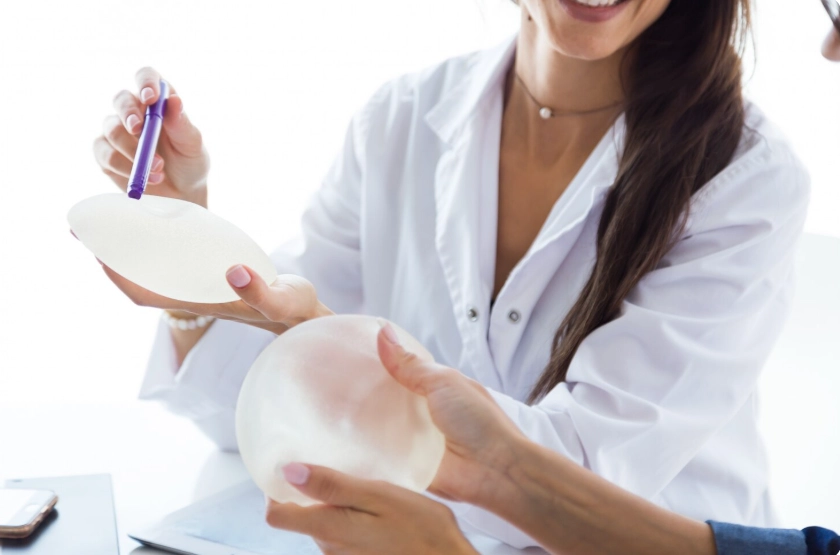
Implants are not perfect and cannot go without being damaged. Most of the breast implants are manufactured to be functional for a very long time, but still, there are different factors that may lead to their rupture or leakage. The most common causes are as follows:
1. Trauma or Injury
A side effect of a car crash, a fall, or any kind of physical trauma that has a direct impact on the chest area is the rupture of the implant shell. Despite the implants being long-lasting, the violence of the impact can damage the silicone or saline shell to the point of a rupture.
2. Capsular Contracture
The phenomena of capsular contracture arises when the human body overgrows the scar tissue around the implant. Slowly, this which has turned into a very tight capsule can exert pressure on the implant hence the possibility of it getting ruptured becomes higher especially when the capsule pushes the implant too hard.
3. Implant Age
The time implants were initially strong, however, they can still be influenced by the passing of time. The silicone implants are aging, so they are gradually going to lose their solidity and will be more vulnerable to small leaks. Though, usually, the time from implant rupture to the location is 10-20 years, still, if the right procedures as well as checks have been done, the implants’ lifespan can be extended up to 25 years.
4. Manufacturing Defects
Though the defects in the manufacturing process are few, there might be some of them that make the implants more liable to rupture. Hence, patients are advised to only put their implants in the brands that are FDA approved and have a good reputation.
5. Overfilling or Underfilling
Misfilled will lead to the implant being malfunctioned in different ways. When a saline implant is overfilled, the reason the shell will tear is that the saltwater is left and the pressure inside will go up. In the same way, the part that is underfilled will be of a wrong shape and the overstrain of the implant can take place.
Signs and Symptoms of a Ruptured Breast Implant
The instance when ruptured implant signs are detected early is a very crucial step to avoid further complications. The ruptured saline implants make it easy to detect them as they deflate, while silicone implants may rupture without any external signs. Below are some indicators of the ruptures that happen:
1. Visible Deflation (Saline Implants)
The deflation of saline implants is the most typical feature. Therefore, the rupture causes the breast volume to disappear, and the breast tissue will appear flatter or distorted
2. Breast Hardening or Lumps (Silicone Implants)
In some cases, the symptoms of silicone implants may only be minimally expressed. Should a silicone implant rupture, the affected breast may become hard, there may be pain felt, and lumps formed. Generally, apart from the breast having changed in shape, signs of rupture may still be very faint and only inflammation may take place.
3. Pain and Tenderness
For example, pain, tenderness, or swelling in the breast or under the arm can signal a ruptured implant. Leakage of the silicone gel into the tissue around the breast may be the reason for these symptoms.
4. Changes in Sensation
Moreover, changes in breast sensitivity or nipple sensation, may also be indications of a ruptured implant as the surrounding nerves can be affected by the implant.
Methods of Diagnosing Breast Implant Rupture
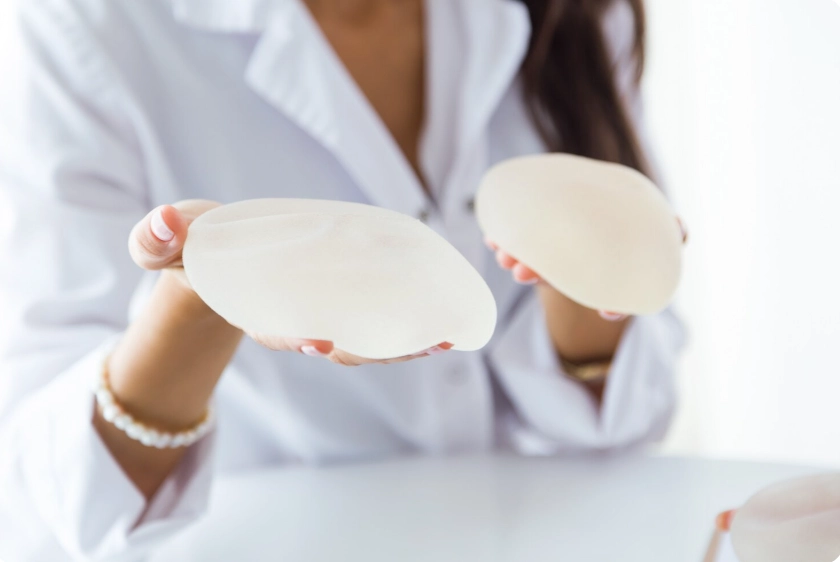
Body imaging can be considered the best way to identify a ruptured breast implant. If you are suspecting an implant rupture, a visit to a Lin Health Europe specialist for the correct diagnosis is the first step to take. Normally, the diagnostic work is performed through:
1. Physical Examination
The doctor will touch the breast area and see if there are any changes in size, shape, or consistency. These changes can be the signs of a rupture or the presence of a new type of complication that causes symptoms.
2. Ultrasound
By using ultrasound, it is possible to see the status of silicone implants and even locate the unsealed or broken areas. This is a reliable, straightforward, and rapid procedure to detect problems in silicone implants.
3. MRI (Magnetic Resonance Imaging)
An MRI is the most accurate method for detecting silicone implant leaks. MRI can even spot minuscule leaks in the silicone and thereby offer the surgeon a clear view of the implant as well as the neighboring tissue.
4. Mammography
It should be noted that mammograms are mainly used for identifying the breast cancer at an early stage. However, while dealing with the patient, a doctor always takes into account the issues that occur with breast implants, e.g. in case of rupture or leakage.
Treatment Options and What to Do if Your Implant Ruptures
The very first thing that needs to be done when your implant ruptures is that you should get in touch with your surgeon straight away so that both of you can select a treatment plan that fits you best. It may be the following treatment:
1. Implant Removal
The very first thing to do when the implant has been ruptured is to take off the old implant and replace it with a new one. It is very easy to do if it is a saline implant due to the rapid deflation. While in removal of silicone implants, it might be a little tricky, and the doctor can also carry out a capsulectomy (removal of scar tissue) if it is necessary.
2. Replacement
If a new implant or other options like fat grafting are desired, the patient is free to decide after the damaged one is removed. In order for the surgeon to discuss the different kinds of implants and fat transfer with you by presenting the advantages and disadvantages is to be able to match with your goal.
3. Breast Lift
One more thing is, there can be some issues with post-removal implant over time due to skin sag specifically in large implant cases. The breast lift (mastopexy) will be the patient’s way of getting back the contour, the firmness and the youthful look that they desire.
References
- American Society of Plastic Surgeons. “Breast Implant Surgery: Risks, Recovery, and Complications.” Plastic and Reconstructive Surgery, 2023.
- Lin Health Europe Clinical Guidelines. Breast Implant Protocols and Care. Istanbul, Turkey, 2025.
- Rohrich, R.J., & Dayan, E. (2019). “Breast Implant Complications and Management.” Aesthetic Surgery Journal.
Frequently Asked Questions About Breast Implant Rupture
Yes, breast implants can rupture due to factors like physical trauma, aging, or capsular contracture. Although rupture is rare, it can happen over time, especially if the implants are old or have been exposed to pressure or injury.
Implants can rupture due to external force (such as a direct hit or injury), wear and tear from aging, or capsular contracture where the scar tissue tightens around the implant. Additionally, manufacturing defects or implant mishandling during placement may increase the risk of rupture.
A rupture can be detected by changes in the shape or size of the breast, particularly with saline implants, where the breast deflates. For silicone implants, symptoms may include pain, lumps, or swelling, and a MRI or ultrasound can help confirm the rupture.
While a ruptured saline implant is less concerning because the body can safely absorb the saltwater, a ruptured silicone implant may lead to complications if not addressed. Prompt treatment is essential to avoid further complications, such as infection or tissue irritation.
If you suspect a rupture, it is important to see a board-certified surgeon as soon as possible. The surgeon will likely recommend implant removal, possibly followed by replacement or alternative procedures such as fat grafting.