Lipedema is a non-progressive condition that affects fat distribution in the body, mainly in the legs and arms. The difference between the two types of fat is that the one characteristic of lipedema is painful, disproportionate, and does not respond well to therapy and physical activity. The ailment mostly affects the female population, whose reasons are speculated to be of a hormonal nature, for example, during puberty, pregnancy, or menopause.
In the case of lipedema, there is uneven fat accumulation leading to the lowest part of the body being the most affected area from the hips down to the feet, and thus, the person may have a disproportionate or swollen appearance of the legs that are longer and wider than the upper body area. The fat cells in lipedema are typically fibrous and can bring about symptoms of swelling, and even cause problems like itching in the affected area, bruises, and in some cases, limited movement of the joints due to the pain can occur.
Lipedema is capable of bringing psychological problems to the sufferer since the disease can make them feel unattractive due to their changed body shape. The usual fat reduction methods like dieting and working out have almost no effect on lipedema, thus making it hard to control without the help of a specialist.
How Liposuction Can Help Treat Lipedema
Liposuction is known to be the most successful treatment for lipedema when other treatment methods are ineffective. Though liposuction is a procedure that is mostly seen as a way of changing the body in a cosmetic manner, liposuction for lipedema is a medical intervention to eliminate the fat that has been deposited in certain areas because of the disease.
The Procedure:
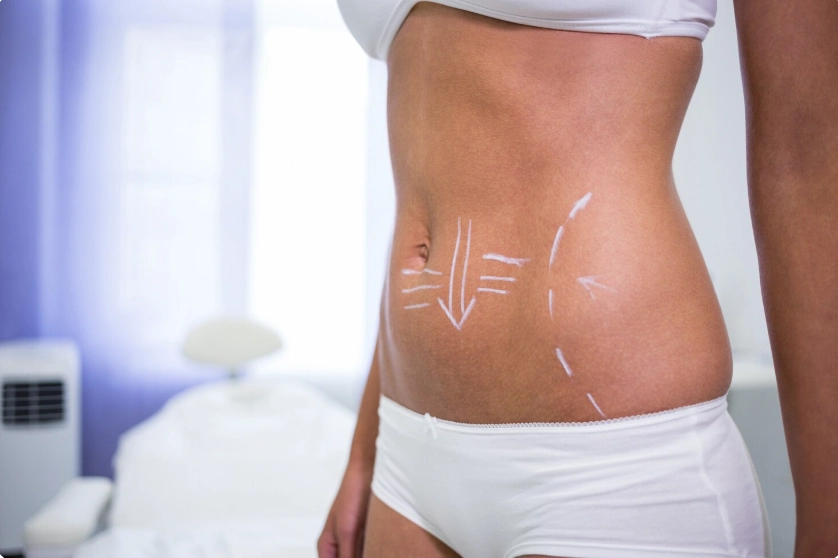
Liposuction for lipedema is modified in a few aspects to be different from regular cosmetic liposuction. Fat in lipedema cases is usually hard and unevenly placed, so the fat removal process has to be done in a very selective way to prevent damage to the adjacent tissues. Lin Health Europe Clinic surgeons employ a method of fat removal called gentle tumescent combined with ultrasound-assisted techniques, which facilitate the rupture of fat cells and their removal without causing any damage to the skin or the muscles. In this way, patients get less pain than in the old methods and are left with a smoother removal of unwanted fats, better shapes, and a speedy recovery.
Liposuction for lipedema is generally performed step by step, especially in cases where the disease is at its late stage and large areas are affected. To get the best results possible and to make sure that the remaining fat does not continue to grow, patients need to undergo multiple treatment sessions.
The Benefits of Liposuction for Lipedema Patients
Liposuction gives great advantages to patients with lipedema. These benefits come not only from the physical side but also from the emotional one. Here are the main reasons:
- Improved Symmetry and Contours: Liposuction helps to visualize the body by extracting unnecessary fat, thereby raising symmetry and lessening the disproportionate look that is usually linked with lipedema.
- Pain Reduction: Lipedema fat is painful and can be very sensitive to the touch, but when the fat is taken out, the patients often find that the pain has been relieved, particularly in the legs and arms.
- Increased Mobility: Patients claim that after liposuction they are more mobile and their flexibility is also improved, as the removal of the excess fat has lightened their limbs.
- Boosted Self-Confidence: One of the reasons that lead to a rise in self-confidence is the slimming of the body. It becomes more proportionate and the swelling and pain are reduced. This is the experience of many patients.
- Prevention of Further Fat Accumulation: The fat cells that have been liposuctioned are no longer able to store fat and there is no chance of fat accumulation in the treated areas.
Lin Health Europe Clinic wants to achieve not only the goal of getting rid of the excess fat but also the improvement of the patient’s body shape so that they can regain their confidence and have a better quality of life.
Risks and Safety Considerations of Liposuction for Lipedema
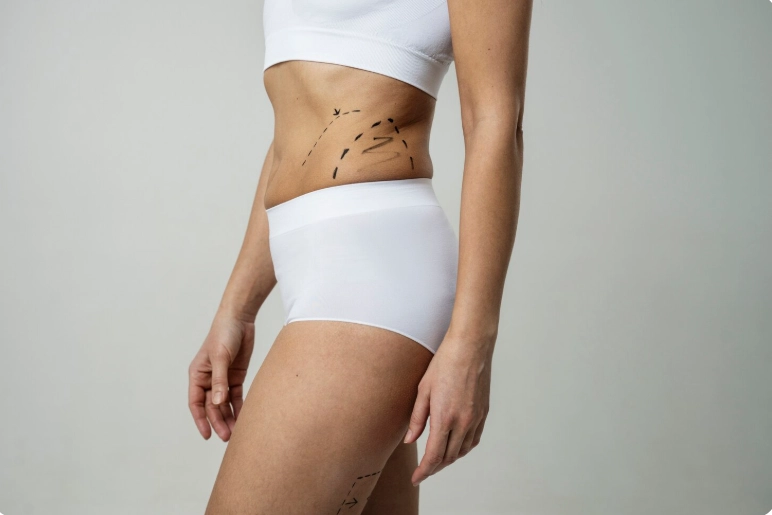
Liposuction for lipedema is a wonderful treatment to cure the problem, nevertheless, it is still essential to get acquainted with the risks and the procedure’s limitations. Generally, these dangers are minor while the operation is conducted by a surgeon who is highly skilled and certified by the board in a clinic that has a good reputation. But still, as with any surgery, there are some factors to take into account:
- Swelling and Bruising: Like in any liposuction operation, swelling and bruising are frequent after taking the treatment, and these phenomena usually go away in a few weeks.
- Skin Irregularities: the main problem that may arise in this case is skin irregularities that are the result of uneven contours as liposuction. Most probably you can fix them with some other treatments or small corrections.
- Infection: Infection rarely happens, being a complication of any surgery, whereas infection after liposuction is sporadic. Doctors at Lin Health Europe follow rigid disinfecting rules and give out antibiotics to lower the risk of infection.
- Fat Reabsorption: Although fat cells are permanently removed, on very few occasions, some fat may gradually be reabsorbed and that is why over time the patient can gain the lost weight.
With the help of preoperative evaluations, patient consultations, and careful follow-up after surgery, Lin Health Europe Clinic can be sure that it is a safe procedure and that the risks are lowered.
Recovery Timeline and What to Expect After Liposuction for Lipedema
Recovery from liposuction for lipedema is generally faster than liposuction for other areas of the body and light activities can be resumed within a few days. But, the process of complete healing as well as the final effect may take months.
What to Expect During Recovery:
- Days 1–3: The swelling and bruising in the treated areas are usually mild. Discomfort, most of the time, can be relieved with the use of the medications prescribed by a doctor.
- Week 1: Generally, patients are able to go back to their light daily activities, however, they should still be careful not to do heavy lifting or any kind of vigorous physical activity.
- Weeks 2–4: The swelling reduces, and most of the bruising disappears. Patients use the compression garments to both reduce the swelling as well as to facilitate tissue regeneration.
- Month 1–3: Patients start to see the final advantages and changes without any swelling present. For those who are physically active, they can slowly start moderate exercises after 4 weeks.
- Month 3–6: The treated area and its new shape can now be clearly seen along with the full liposuction results. Besides, patients get a lot of relief from the symptoms that lipedema has caused such as pain and swelling.
Post-Operative Care:
It’s necessary to adhere to all the aftercare instructions, such as wearing the compression garments and attending all follow-up appointments, after the surgery. At Lin Health Europe Clinic, we make sure patients follow the instructions given for hygiene, movement restrictions, and care for them to have an efficient healing process and results.
Long-Term Results and Considerations of Liposuction for Lipedema
Generally, the outcome of a liposuction procedure in a patient suffering from lipedema, combined with a healthy lifestyle, are stable over a long period of time. Due to the fact that the fat cells are surgically extracted, fat reduction can be maintained in the long run. However, it should also be considered that factors such as gaining weight or pregnancy, and aging can change the look of the treated parts.
Moreover, some patients choose extra sessions or adjunct treatments like liposuction touch-ups or skin tightening treatments to complete their results. Alongside this, it is very important to keep up with a nutritious diet and physical activities in order to have a healthy weight and ensure that the fatty deposits do not reoccur in the areas that have not been treated.
Meanwhile, for these patients satisfaction to last long, fat transfers or lymphatic massages might also be suggested to aid in the continuance of the results and the skin’s flexibility.
References
- American Society of Plastic Surgeons. Liposuction for Lipedema: Techniques and Patient Outcomes.
- Lin Health Europe Clinical Guidelines. Liposuction Protocols for Lipedema Treatment. Istanbul, Turkey, 2025.
- Mojallal, A., Lequeux, C., & Shipkov, C.. “Fat Grafting for Lipedema Treatment: Best Practices.” Aesthetic Surgery Journal, 2019; 39(3): 217–226.
- Hidalgo, D. A., et al. “Liposuction for Lipedema: Long-Term Outcomes and Patient Satisfaction.” Plastic and Reconstructive Surgery, 2020.
Frequently Asked Questions About Liposuction for Lipedema
Lipedema is a condition where abnormal fat accumulates in the lower body, particularly the thighs, legs, and sometimes the arms, creating disproportionate fat deposits. It often causes pain, swelling, and difficulty with mobility, and does not respond well to diet or exercise.
Yes, liposuction can effectively treat lipedema by removing excess fat from the affected areas, improving the body’s symmetry and reducing symptoms like pain and swelling. It’s a common and safe solution for managing lipedema when performed by a skilled surgeon.
Liposuction for lipedema helps by targeting stubborn fat deposits, reducing swelling, and improving body contours. This procedure allows patients to regain balance in their body shape and experience relief from discomfort caused by the condition.
Yes, liposuction for lipedema is safe when performed by an experienced, certified plastic surgeon in a sterile environment. Lin Health Europe ensures patient safety with rigorous pre-operative evaluations and precise surgical techniques.
Patients can expect a significant reduction in fat deposits, improved symmetry, and a more contoured appearance. Most patients also experience pain relief and enhanced mobility after the procedure.